Plot Explained Spoilers guaranteed!
Plot Explained

Browse by genre

Standing Room Only (2004) movie poster

Timeline

Standing Room Only (2004) Timeline Explained – Every Event in Order

Release, runtime and language
2004 · 10 mins · English
Directed by
Deborra-Lee Furness
Starring
Andy Serkis, Hugh Jackman, Joanna Lumley, William Ash, Nicholas Audsley, Sophie Dahl

A group of theatre-goers wait in line to see a show by the “Man of a Thousand Faces”. Throughout the film they encounter an elderly woman, and a Rastafarian man.

On this page (4)
  1. 1 Events in order (11)
  2. 2 Timeline questions answered
  3. 3 Movie threads
  4. 4 Every angle

11 events in order · contains spoilers

Standing Room Only Timeline: Events in Chronological Order

Every key event of Standing Room Only (2004) in order, scene by scene, with when and where it takes place. Use it to untangle flashbacks, time jumps and parallel storylines, to refresh your memory before the sequel or to find the exact scene you are thinking of.

  1. Arrival outside the theatre

    Larry walks up to the theatre door on a wet, quiet West End street and sits down to wait. The moment is calm but charged with anticipation as other patrons arrive. This opening scene establishes the setting and mood before the show begins.

    Where
    West End street outside the theatre
  2. Simon joins the waiting group

    A younger man named Simon joins Larry at the door, and the two exchange glances as they wait. They learn they are early for The Man of a Thousand Faces, reinforcing the sense of exclusivity around the show. The quiet waiting gives way to a subtle camaraderie between strangers.

    Where
    West End street outside the theatre
  3. Maria captivates the crowd

    The stunning Maria steps into view, drawing the attention of Larry and Simon. The crowd's gaze shifts away from the doorframe toward her, adding a layer of tension and desire to the waiting game. Her presence injects a spark into the otherwise calm scene.

    Where
    Outside the theatre, West End
  4. A chess game to pass the time

    To kill time, Larry and Simon start a game of chess while they wait. The quiet competition anchors the moment, offering a contrast to the surrounding bustle. It also foreshadows the playful dynamics among the small group.

    Where
    Outside the theatre
  5. Roger arrives and joins the queue

    Roger exits a taxi and makes his way toward the growing group by the door. He adds new energy to the line, signaling the escalating interest in the performance. The crowd now feels larger and more imminent.

    Where
    Outside the theatre
  6. Granny races to the front of the line

    Granny turns a corner and runs toward the forming line, nearly stepping on her dog in the rush. She seeks a place close to the theatre, driven by a reluctance to miss the show. Her arrival heightens the competitive tension among the crowd.

    Where
    Outside the theatre, queue
  7. Roger secures his place in line

    Despite Granny's rush, Roger beats her to the line and secures a spot near the front. The small contest for position underscores the stakes of getting into the show on time. The moment also marks Roger as a key player in the crowd dynamic.

    Where
    Outside the theatre, queue
  8. Granny defeats last-minute competition

    Dismayed by her earlier setback, Granny scares away the newly advancing woman who would have claimed the last spot in line. This act eliminates a potential rival and leaves Granny feeling vindicated yet wary. The crowd absorbs the shift in the line's composition.

    Where
    Outside the theatre, queue
  9. The group sees the show; a photo is planned

    After the performance hints arrive, the trio regroups by the stage door and decides to document the moment with a group photo. Simon offers to line everyone up and a performer kindly offers to take the picture. The ritual captures the crowd's sense of shared excitement.

    Where
    Stage door area, outside theatre
  10. The dog reappears and follows the cast

    As the scene settles, the dog reappears and trots along behind a cast member as they depart. The canine presence seems to link the patrons to the performer’s world. The moment adds a touch of whimsy and foreshadows the performance's influence on the crowd.

    Where
    Outside theatre, street
  11. The crowd pieces together the Man of a Thousand Faces

    From the dog’s trail and the hum of conversation, the patrons begin to realize that Hunter Jackson is the famed 'Man of a Thousand Faces'. The discovery casts a shadow of mystery over the night and redefines what the waiting has been about. The line, the photo, and the show all culminate in this recognition.

    Where
    Outside theatre, West End

Last updated: February 20, 2026 at 18:44

Was this helpful?

Timeline questions answered

Standing Room Only Timeline Explained: Your Questions Answered

When does it happen, and why in that order? The questions people ask about the chronology of Standing Room Only (2004): time jumps, flashbacks, cause and effect between scenes and the correct order of events, each answered with spoilers.

Q1

Who is the Man of a Thousand Faces in Standing Room Only

The Man of a Thousand Faces is revealed to be Hunter Jackson, a performer whose identity becomes clear to the waiting crowd at the end of the film. His reputation as a legendary performer generates the anticipation that brings all the characters to queue outside the theatre on that rainy West End evening.

Foreshadowing: The exclusive nature of the early morning performance hints at Hunter Jackson's fame and reputation before his name is explicitly mentioned.

  • hunter jackson
  • man of a thousand faces
  • performer
  • legend
  • theatre
Q2

Why does Granny rush to get to the front of the line

Granny is determined not to be left out in the cold and wants to secure a good spot near the theatre entrance. Her rush stems from a fear of missing the show, and when she fails to beat Roger to the door, she becomes defensive, even scaring away another woman who might have taken the last spot in line.

Foreshadowing: Granny's competitive nature and reluctance to be excluded establish her as a character driven by a need to be part of the experience.

  • granny
  • queue
  • line
  • front
  • theatre
  • competition
Q3

What is the significance of the dog following the cast member

The dog, which belongs to Granny, reappears at the end of the film and follows a cast member down the street. This moment subtly connects the patrons to the performers' world, suggesting an invisible thread between audience and stage. The dog wandering toward the cast foreshadows the crowd's later realization about the show's significance.

Foreshadowing: Granny's dog is mentioned earlier when she nearly steps on it in her rush to join the line, establishing its presence throughout the evening.

  • dog
  • cast member
  • performer
  • connection
  • symbol
Q4

Why do Larry and Simon play chess while waiting

Larry and Simon start a game of chess to pass the time while waiting for the theatre doors to open. The chess game serves as a playful way to break the tension and silence of waiting, creating a moment of camaraderie between the two strangers. It also adds a strategic, intellectual element to the waiting period.

Foreshadowing: The chess game establishes the playful, competitive dynamics that characterize the crowd's interactions throughout the evening.

  • chess
  • game
  • larry
  • simon
  • waiting
  • patience
Q5

Who is Maria and why does she captivate the crowd

Maria is a striking woman who arrives at the theatre and draws the attention of Larry and Simon. Her beauty and presence add a layer of tension and desire to the waiting crowd, shifting focus temporarily away from the theatre door itself. She represents the human element of attraction that complicates the simple act of waiting in line.

Foreshadowing: Maria's arrival interrupts the men's focus on the upcoming performance, hinting at the various distractions that shape their experience.

  • maria
  • attention
  • crowd
  • beauty
  • attraction
Q6

Why is The Man of a Thousand Faces performance so exclusive

The performance is an early morning show that requires patrons to wait outside in the rain on a quiet West End street. The exclusivity comes from the performer's legendary status and the limited opportunity to see such a renowned act. The early timing and secretiveness add to the mystique surrounding Hunter Jackson.

Foreshadowing: From the moment Larry sits down to wait in the quiet, rain-soaked street, the atmosphere suggests something special and rare is about to happen.

  • exclusive
  • performance
  • early morning
  • theatre
  • west end
  • wait
Q7

What do the patrons realize at the end of the film

At the end of the film, the patrons piece together that Hunter Jackson is the famed Man of a Thousand Faces. This discovery transforms their understanding of what they have been waiting for, casting a shadow of mystery over the entire evening and giving meaning to their patience and anticipation.

Foreshadowing: Throughout the film, hints about the exclusive nature of the show and the anticipation it generates build toward this moment of recognition.

  • realization
  • hunter jackson
  • revelation
  • discovery
  • identity
Q8

Why does Roger matter to the story

Roger arrives in a taxi and becomes a key figure in the queue dynamics. He beats Granny to the front of the line, creating a small rivalry. His arrival adds new energy to the waiting group and his success at securing a front position marks him as a central character in the social dance of the crowd.

Foreshadowing: Roger's competitive entrance sets up the tension between him and Granny that plays out as they vie for position.

  • roger
  • taxi
  • queue
  • line
  • rivalry
  • granny

Movie threads

More Movies Like Standing Room Only, by Mood & Story

Curated lists built around what makes Standing Room Only tick: the same mood, the same kind of story or the same emotional payoff. Each list explains why these movies belong together.

Movies that capture a small urban world like Standing Room Only

Stories that find profound meaning in the small, unscripted moments of urban existence. If you enjoyed the quiet observation of city life in Standing Room Only, explore more movies like it. These films find stories in urban spaces, focusing on the small moments of connection and anticipation that define our shared experiences.

  • atmospheric
  • observational
  • quiet
  • curious
  • lighthearted
  • urban
  • Tone: whimsical, observational
  • Pacing: slow, patient
Why these movies?

The story pattern: The narrative typically centers on a single location or a short period, observing a group of disparate individuals brought together by circumstance. There is little traditional plot; instead, the focus is on subtle character interactions, shifts in mood, and the development of a light, often whimsical, camaraderie.

Why they belong together: Movies are grouped here because they all share a focus on atmospheric urban settings, gentle pacing, and a narrative built on observing human behavior in shared public spaces. The experience is less about dramatic events and more about appreciating the small narratives that unfold in everyday life.
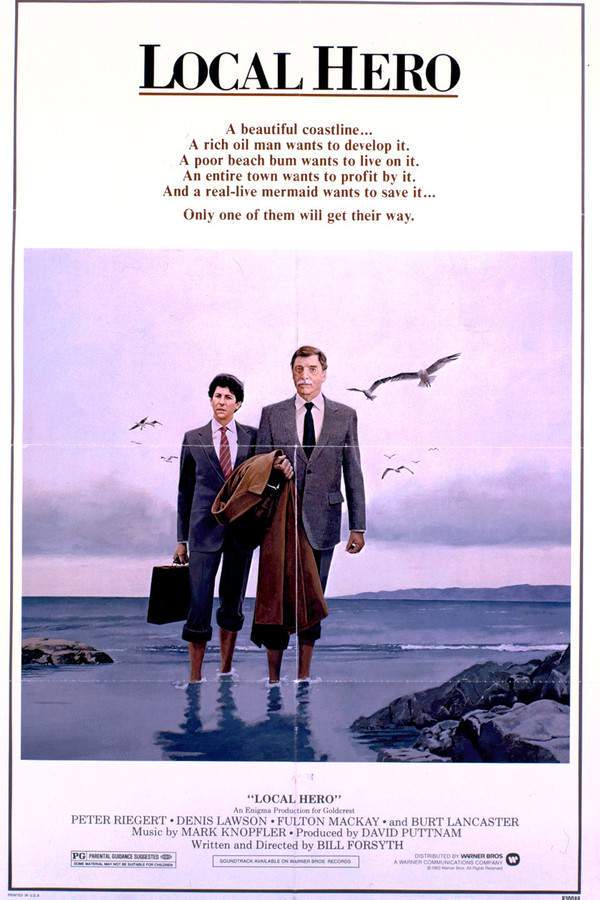
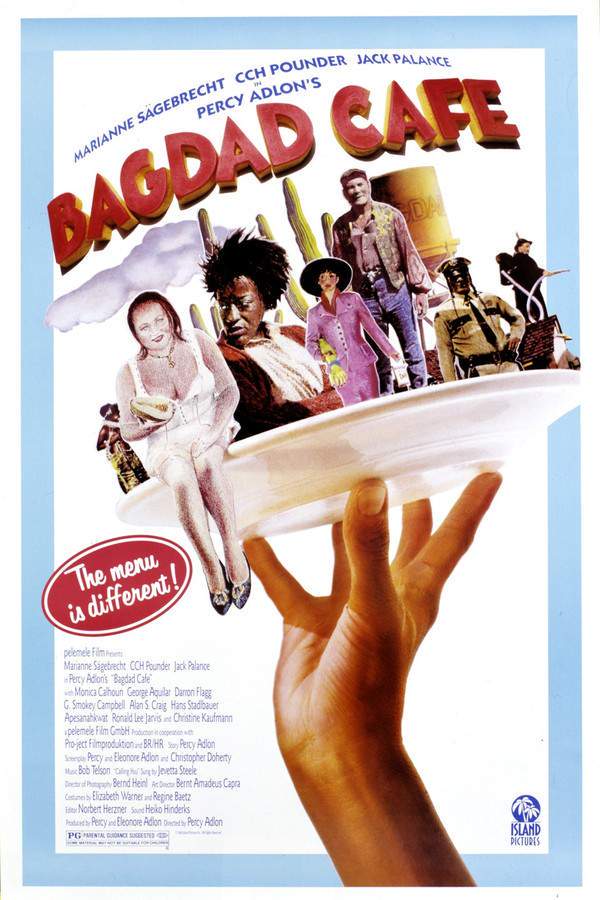
Movies about patient anticipation and ceremony like Standing Room Only

Narratives where the act of waiting becomes a gentle, meaningful ritual. For viewers who appreciated the patient, ceremonial feeling of waiting in Standing Room Only. Discover similar movies like it that explore the quiet rituals and shared anticipation found in everyday situations, from lines to vigils.

  • wistful
  • anticipatory
  • ceremonial
  • patient
  • curious
  • lighthearted
  • Tone: whimsical, wistful
  • Pacing: slow, deliberate
Why these movies?

The story pattern: The plot is straightforward, often linear, centering on characters in a state of patient anticipation. The journey is internal and atmospheric, with the emotional arc revolving around curiosity, mild bonding, and the building of a shared, lighthearted mood rather than external conflicts.

Why they belong together: These films are united by their specific focus on the 'waiting' trope, executed with a slow pace, low intensity, and a whimsical or wistful tone. They share a common structure where the experience of waiting is the story itself, not just a prelude.

Every angle

Standing Room Only (2004) Explained: Plot, Timeline & Characters

Everything about Standing Room Only in one place: what happens in the plot summary, the timeline in chronological order, the characters and meaning and a spoiler-free summary. What's After the Movie adds the cast, box office and post-credit scenes.

Coming soon on iOS and Android

The Plot Explained Movie Summary App

Plot summaries, endings explained and timelines on your phone. Catch up on any movie in minutes, save your favorites and never miss a twist again.

Be the first to know when we launch. Your email stays private, always.

Learn more about the app