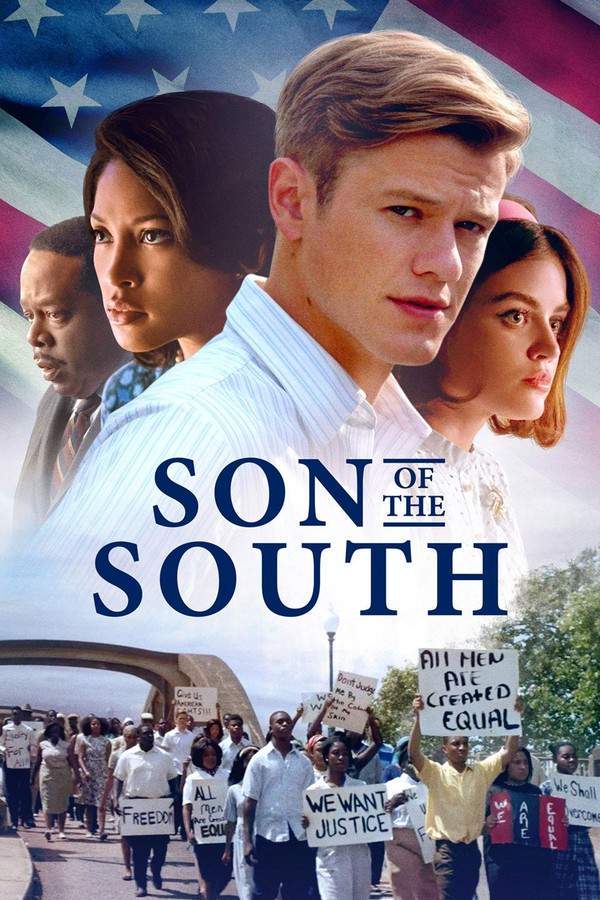
In Montgomery, Alabama, a young man embarks on a transformative journey that challenges racial inequality. As the grandson of a Klansman, he grapples with his family’s history and faces a crucial decision: to conform or to stand for what’s right. Drawing inspiration from Bob Zellner’s autobiography, the film portrays a man’s fight to challenge the existing social order and contribute to meaningful change during the Civil Rights era. It’s a story of courage and the power of individual action in the face of injustice.
Find where to stream, rent, or buy Son of the South (2021) in the US with current JustWatch availability, up-to-date pricing, and platform listings for subscription, rental, and digital purchase options.
Warning: spoilers below!
Haven’t seen Son of the South yet? This summary contains major spoilers. Bookmark the page, watch the movie, and come back for the full breakdown. If you're ready, scroll on and relive the story!
Trace every key event in Son of the South (2021) with our detailed, chronological timeline. Perfect for unpacking nonlinear stories, spotting hidden connections, and understanding how each scene builds toward the film’s climax. Whether you're revisiting or decoding for the first time, this timeline gives you the full picture.
Last updated: November 22, 2024 at 11:11
Find frequently asked questions about the Son of the South (2021) timeline, including chronological order, nonlinear jumps, cause-and-effect links, and scene sequence clarifications. This timeline FAQ helps explain when key events happen, how moments connect, and why the story unfolds in that specific order.
Bob Zellner was a senior at Huntingdon College in Montgomery, Alabama, and the son of a Methodist minister. His curiosity about race relations grew as he witnessed the injustice around him. The turning point came on May 19, 1961, when he witnessed a brutal assault on the Freedom Riders and jumped in to help Jessica Mitford. This direct exposure to violence, combined with earlier experiences like the cross burning on his lawn, convinced him to take active action rather than remain a passive observer.
Earlier in the film, his participation in the church gathering commemorating the Montgomery bus boycott shows his initial curiosity about racial issues.
The Huntingdon Five formed when Bob Zellner teamed up with four fellow students from Huntingdon College to explore issues surrounding race relations. Their journey led them to a Baptist Black church where they participated in a gathering commemorating the fifth anniversary of the Montgomery bus boycott. When law enforcement arrived to apprehend those gathered, Zellner and his friends escaped through a back door, earning them the moniker 'Huntingdon Five' in local media.
The cross burned by the Ku Klux Klan on Zellner's lawn was a terrifying act of intimidation meant to force him to stop his involvement with civil rights activities. Despite being the grandson of a Klansman, Zellner had been attending events with Black activists, and the KKK viewed this as a betrayal. Rather than frightening him into silence, this act of terror deepened his resolve to understand and combat racism.
On May 19, 1961, Bob Zellner witnessed a brutal assault on the Freedom Riders, who were civil rights activists traveling through the South to protest segregated bus terminals. During this violent attack, Zellner jumped into action to aid Jessica Mitford during a crucial moment. This experience marked his transition from a passive supporter to an active participant in the Civil Rights movement.
After witnessing the assault on the Freedom Riders, Bob Zellner became the first White field secretary for the Student Nonviolent Coordinating Committee (SNCC). His appointment was groundbreaking because SNCC was primarily organized by Black activists. Some Black activists greeted him with skepticism, questioning whether a white person could truly understand and committedly support their cause. Zellner had to prove his dedication through his actions during dangerous campaigns.
On October 30, 1961, during a march to the county courthouse in McComb, Mississippi, Bob Zellner narrowly escaped a lynching by local white southerners. This traumatic event was a critical turning point that deeply impacted his understanding of the real dangers faced by civil rights activists. The near-lynching shook him to his core and forced him to confront the violent reality of racial oppression in the Deep South.
Herbert Lee was a civil rights activist whose murder deeply impacted Bob Zellner. Following Lee's death, Zellner was prompted to seriously reflect on his role in the civil rights movement and what he was willing to risk for the cause. The murder of another activist whom Zellner likely knew or worked with reinforced the deadly serious nature of their work and strengthened his commitment to continuing the fight despite the dangers.
Bob Zellner had a violent confrontation with a former associate who had been involved in the attempted lynching in McComb, Mississippi. This intense encounter served as a wake-up call for Zellner. Rather than causing him to retreat from the movement, it strengthened his resolve to fight against racial injustice. The confrontation represented a personal reckoning with someone who had directly threatened his life.
It was deeply significant that Bob Zellner was the grandson of a Klansman because it placed him in an incredibly complex position within the Civil Rights movement. Coming from a family with direct ties to white supremacist terrorism made his choice to join the movement against racial injustice both courageous and symbolically powerful. He had to navigate the tension between his family loyalty and his moral convictions, making his transformation and commitment all the more remarkable.
John Lewis was Bob Zellner's mentor and significantly influenced his path in the civil rights movement. Lewis, who later became a longtime U.S. Congressman, was a key leader in SNCC and the Civil Rights movement. The film concludes with a moving montage showcasing Zellner's activist efforts throughout the 1960s and pays homage to Lewis as the late mentor who shaped his commitment to fighting for racial justice.
Discover curated groups of movies connected by mood, themes, and story style. Browse collections built around emotion, atmosphere, and narrative focus to easily find films that match what you feel like watching right now.
Personal awakening and moral courage in the face of historical injustice.If you were inspired by Son of the South, this collection features movies like it that explore personal transformation and moral courage during pivotal historical moments. Find similar biographical dramas and stories about individuals challenging injustice.
The narrative follows a protagonist, often based on a real person, who undergoes a profound ideological shift. They break from a problematic past or upbringing to join a just cause, facing danger and internal conflict as they contribute to a larger historical movement, typically culminating in a hopeful but hard-won conclusion.
They are grouped by their focus on a singular, courageous journey set against a well-defined historical struggle. The shared experience is one of tense, high-intensity drama that inspires hope through the depiction of tangible change, despite the heavy emotional toll of the subject matter.
When choosing what's right means risking everything you know.Looking for movies like Son of the South? This list features tense dramas about characters facing dangerous moral choices that defy their upbringing. Discover similar stories of personal risk and ethical courage in the face of grave injustice.
Stories begin with a protagonist embedded in a flawed or oppressive system, often familial. A catalytic event forces a moral reckoning, launching them on a path where doing the right thing incurs extreme personal risk. The plot is a steady, escalating series of tests that solidify their new identity at great cost.
These films share a specific emotional mix: the anxiety of betrayal, the trauma of violence, and the inspiring power of courage, all underpinned by a tense, high-intensity atmosphere. They are united by the core theme of an individual's costly but necessary stand against a powerful, unjust status quo.
Don't stop at just watching - explore Son of the South in full detail. From the complete plot summary and scene-by-scene timeline to character breakdowns, thematic analysis, and a deep dive into the ending - every page helps you truly understand what Son of the South is all about. Plus, discover what's next after the movie.
Read a complete plot summary of Son of the South, including all key story points, character arcs, and turning points. This in-depth recap is ideal for understanding the narrative structure or reviewing what happened in the movie.
Discover the characters, locations, and core themes that shape Son of the South. Get insights into symbolic elements, setting significance, and deeper narrative meaning - ideal for thematic analysis and movie breakdowns.
Discover movies like Son of the South that share similar genres, themes, and storytelling elements. Whether you’re drawn to the atmosphere, character arcs, or plot structure, these curated recommendations will help you explore more films you’ll love.
Son of the South (2021) Plot Summary & Movie Recap
Son of the South (2021) Scene-by-Scene Movie Timeline
Son of the South (2021) Spoiler-Free Summary & Key Flow
Movies Like Son of the South – Similar Titles You’ll Enjoy
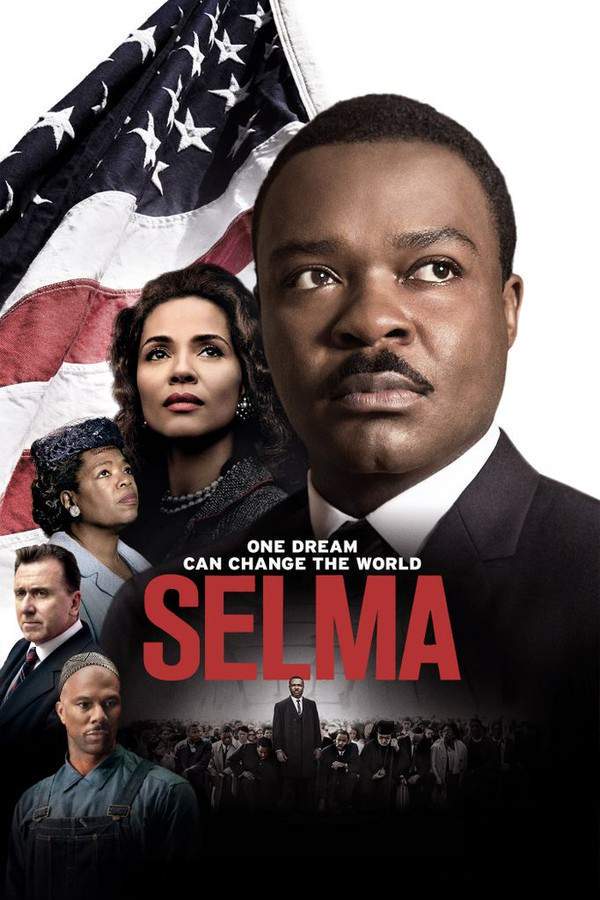
Selma (2014) Movie Recap & Themes
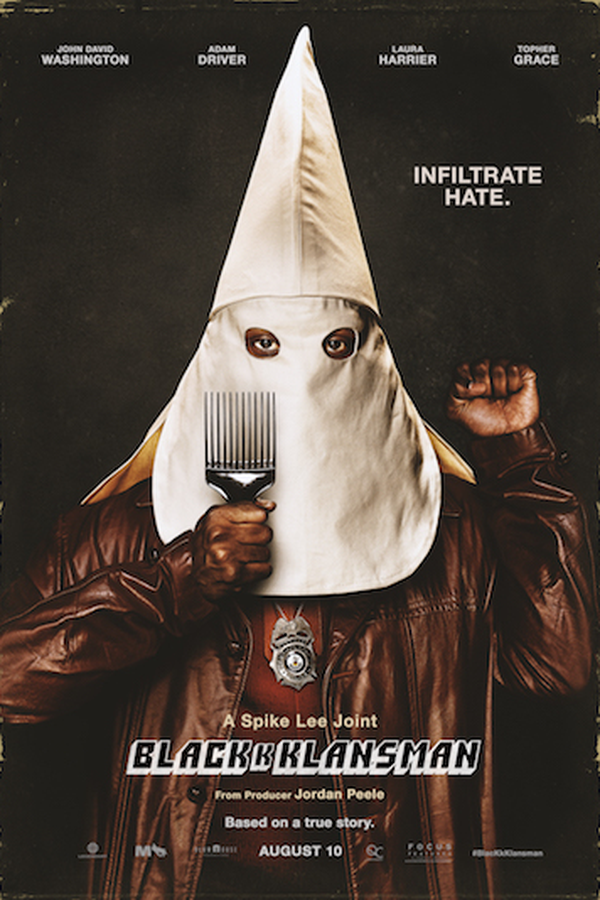
BlacKkKlansman (2018) Story Summary & Characters
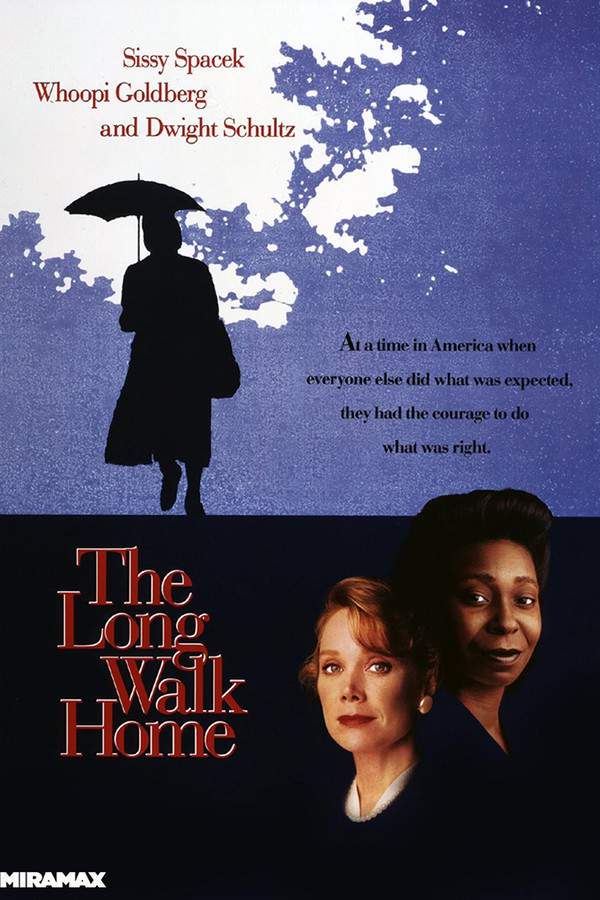
The Long Walk Home (1990) Story Summary & Characters
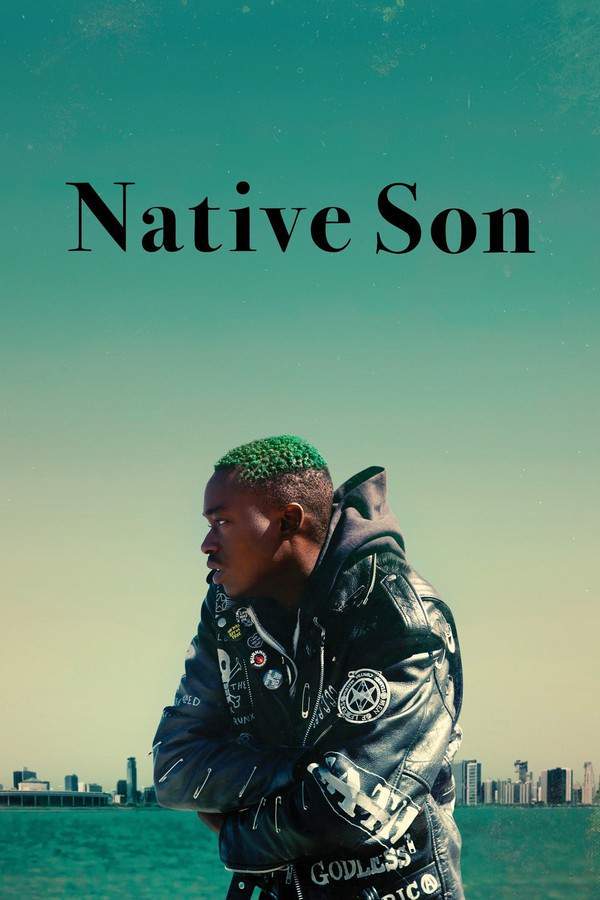
Native Son (2019) Full Movie Breakdown
Free State of Jones (2016) Full Summary & Key Details
Native Son (1951) Movie Recap & Themes
South Central (1992) Story Summary & Characters
Freedom Song (2000) Detailed Story Recap
Sins of the Father (2002) Spoiler-Packed Plot Recap
North and South (1000) Plot Summary & Ending Explained
The Birth of a Nation (1915) Spoiler-Packed Plot Recap
The Klansman (1974) Story Summary & Characters
Nothing But a Man (1964) Ending Explained & Film Insights
The Black Klansman (1966) Plot Summary & Ending Explained
Selma, Lord, Selma (1999) Ending Explained & Film Insights