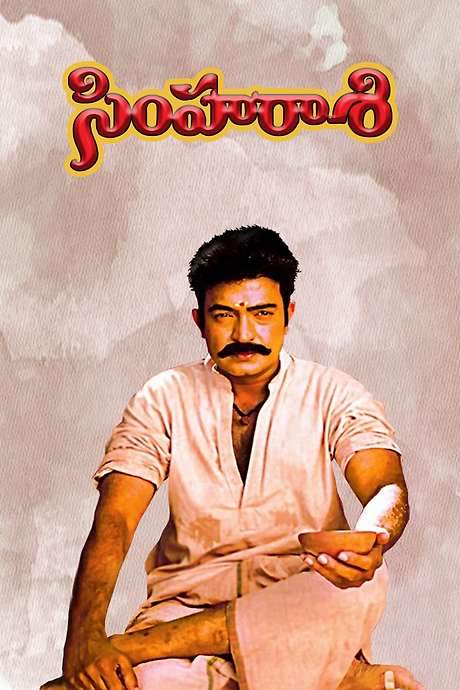
Dr. Rajasekhar stars as Narasimharaju, a highly respected, selfless figure in a rural village who treats every woman as his sister and even helps fund their weddings. He is fearless enough to consider killing his father, Irulandi, when he learns of a second wife, but the father chooses suicide to spare his son from a painful confrontation, leaving Narasimharaju to navigate the fallout and the complicated family ties that follow. To shield his stepsister Lakshmi from harm, Narasimharaju brings her to live with him, solidifying his vow to protect the vulnerable in his community.
A local MLA approaches Narasimharaju for political backing during the upcoming election, but he refuses, causing the MLA to lose. Ironically, the MLA’s son—someone who admires Narasimharaju—ends up marrying Lakshmi, adding a bittersweet twist to the village’s political and personal dynamics. A distant relative’s daughter, Varsha as Bhuvaneswari, arrives in the village from Bangalore. At first, she misreads Narasimharaju by his appearance, but soon comes to respect his tireless work and the tangible progress he’s driven in the community. Under his leadership, the village gains a free hospital, a day care center, and a college—milestones that symbolize his commitment to education, health, and opportunity for all.
Bhuvaneswari is drawn to Narasimharaju and even proposes marriage, but he does not accept her love, though she remains persistent and hopeful. To understand the man she’s fallen for, Narasimharaju shares a painful flashback: he was born into extreme poverty, with a mother afflicted by leprosy who could not be treated in a hospital and was kept apart from him. She eventually drowns herself in a river when he is eight years old, a tragedy that hardens his resolve and leads him to vow never to marry, out of fear of transmitting disease to a future partner. In a difficult turn, Narasimharaju persuades Bhuvaneswari to consider marrying someone else, hoping to protect her from a life shadowed by his own fear.
Meanwhile, he discovers Lakshmi being tortured by her husband, a revelation that reveals it was part of a revenge plot aimed at slighting Narasimharaju for his earlier political stance. Narasimharaju confronts Lakshmi’s abusive husband and makes it clear that he will not tolerate criminal activities, even if it jeopardizes his family’s interests. On the day of Bhuvaneswari’s wedding, a misunderstanding erupts when the groom’s family believes Narasimharaju and Bhuvaneswari are lovers after spotting his dhoti in her room, and they halt the marriage. A friend of Bhuvaneswari clarifies that Narasimharaju had once given his own dhoti to protect her when her clothes were washed away, dispelling the rumor and restoring trust. Manorama (/actor/manorama), a village elder who cares for the community, speaks up against the cruel assumptions and urges Narasimharaju to marry Bhuvaneswari. In a moving turn of events, he heeds that call and marries Bhuvaneswari, sealing a union that embodies his dedication to family, community, and the hope he has built for those around him.