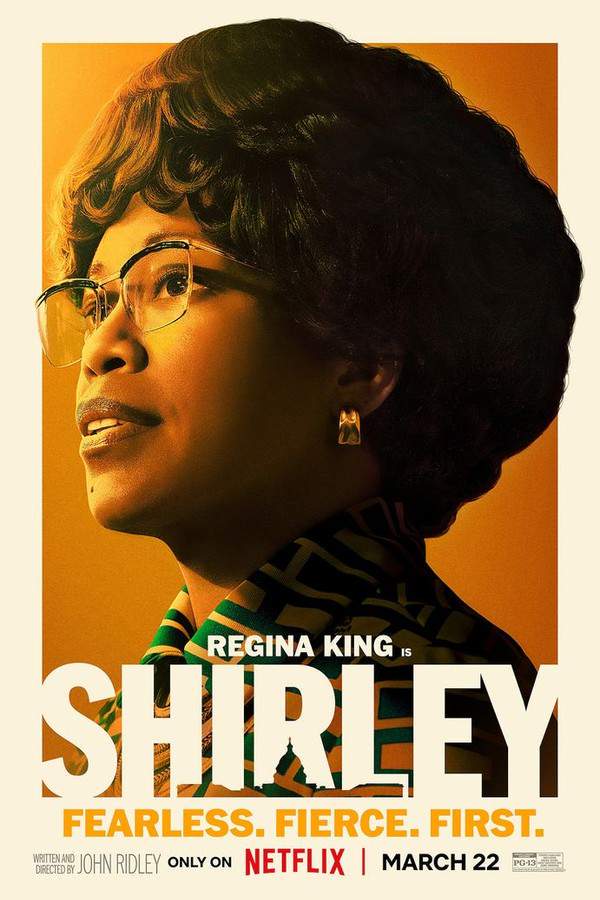
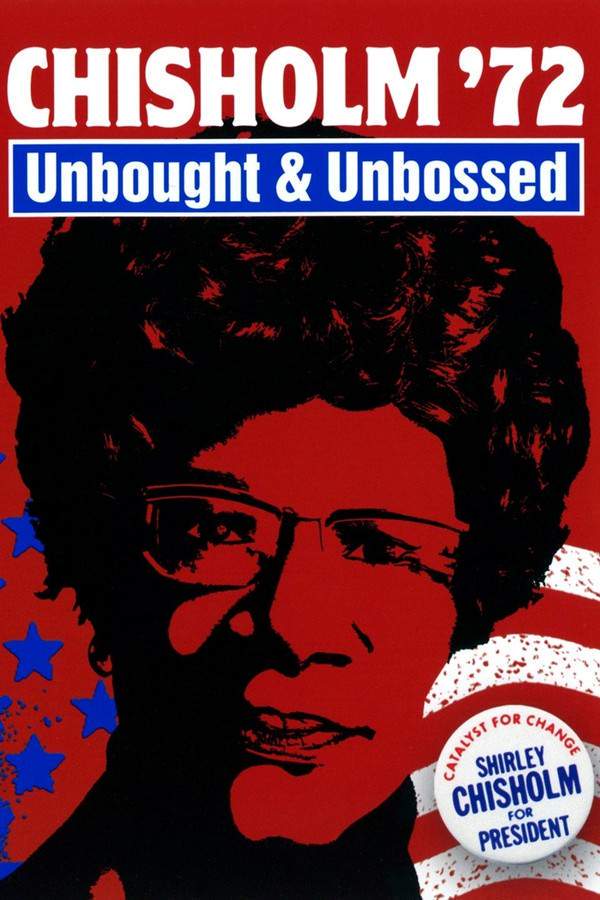
Shirley Chisholm, Shirley Chisholm, enters Congress as the first Black woman representing Brooklyn and immediately finds herself in a challenging, confrontational environment. A colleague repeatedly belittles her by pointing out that everyone earns the same high salary, and she is told that as a new congressperson she’s automatically assigned to an agricultural committee—despite representing an urban borough. It becomes clear that many expect her to “tow the line,” a pressure she refuses to accept.
At Christmas 1971, after learning voters raised double what she had requested to put herself on the ballot, she makes a bold decision: she will run for president in 1972, becoming the first Black candidate to seek a major-party nomination and the first woman to pursue the Democratic Party’s nomination. Present are her husband Conrad Chisholm, Mac Holder as security, and Arthur Hardwick Jr. as campaign advisor and head of finances, respectively, marking the start of a high-stakes, nationwide push.
Shirley then reaches out to the next generation of voters by recruiting Robert Gottlieb, a Cornell student, to serve as national student coordinator since 18-year-olds now have the right to vote. A seasoned hand on the ground, Stanley Townsend is brought on as campaign manager, and the team begins to map out a strategy that must stretch across a vast country with limited time and resources.
As the campaign unfolds, the schedule is grueling. Shirley travels across the nation, but time and money constrain her ability to visit every state. In Florida, she earns only a fractional share of the Democratic vote, which leads to negotiations with Walter Fauntroy. He promises to support her and to pass along delegates, a gesture that complicates her plans when she later withdraws from the D.C. vote to avoid splitting its delegation.
National media presents another hurdle: the major networks NBC, ABC, and CBS exclude her from televised debates. In response, the campaign leans heavily on grassroots organizing and on Robert Gottlieb to pursue legal avenues that might secure her airtime and ensure her platform is heard.
As a profile in The New York Times looms, Shirley turns to her sister Muriel St. Hill for support, hoping she and the family will rally behind her. Yet the family’s concerns surface—some feel she’s been favored by their father, and Muriel suggests they avoid talking to the press and eventually steps back from public support. The distance within the community and the campaign’s fundraising pressures begin to weigh on Shirley.
At a high-profile fundraiser, donations go missing, testing the campaign’s resilience. Stanley Townsend quits in frustration, and Shirley confronts him in the office, making clear she won’t tolerate undermining behavior. She fires him, a decision that shows her willingness to stand firm despite mounting pressure. Arthur offers quiet, steady support during the upheaval, whether she continues or not.
Meanwhile, Shirley explains to Conrad Chisholm that additional funds are needed to push the campaign through California and into the DNC process; he ultimately steps back, handing her the reins in a moment of tense disagreement. The campaign adapts, and Robert’s legal effort against the networks bears fruit, granting her crucial airtime and debate exposure.
A pivotal moment arrives when the campaign secures the endorsement of the Black Panthers, signaling broader support even as California remains unwon in the winner-takes-all format. Momentum grows as Shirley mobilizes Black delegates to influence the Democratic National Committee, only to learn that Walter Fauntroy has withdrawn his endorsement and delegates, complicating the math of her bid. Ron Dellums also retracts his support, framing those not backing McGovern as cynical or out of touch.
Facing these reversals, Shirley decides to officially pass on her remaining delegates to McGovern, explaining that her goal was to be a catalyst for change rather than to secure a single nomination. Her time in Congress continues for several terms, and her career leaves a lasting imprint on American politics, inspiring countless others to pursue public service and to challenge the status quo.
Ultimately, the arc underscores a relentless commitment to representation, equity, and social progress, highlighting how one fearless run helped open doors for future generations and broaden the conversation around who can lead the nation.