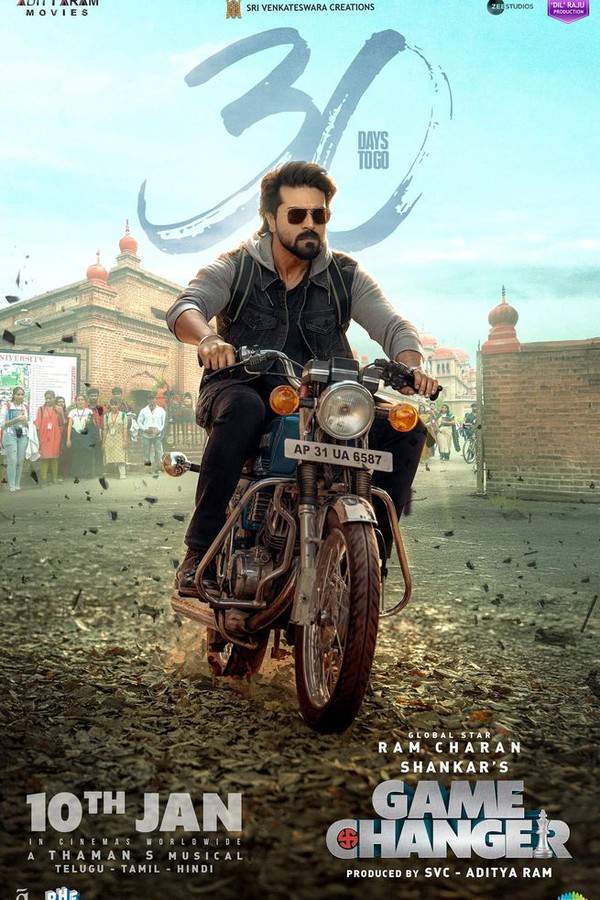
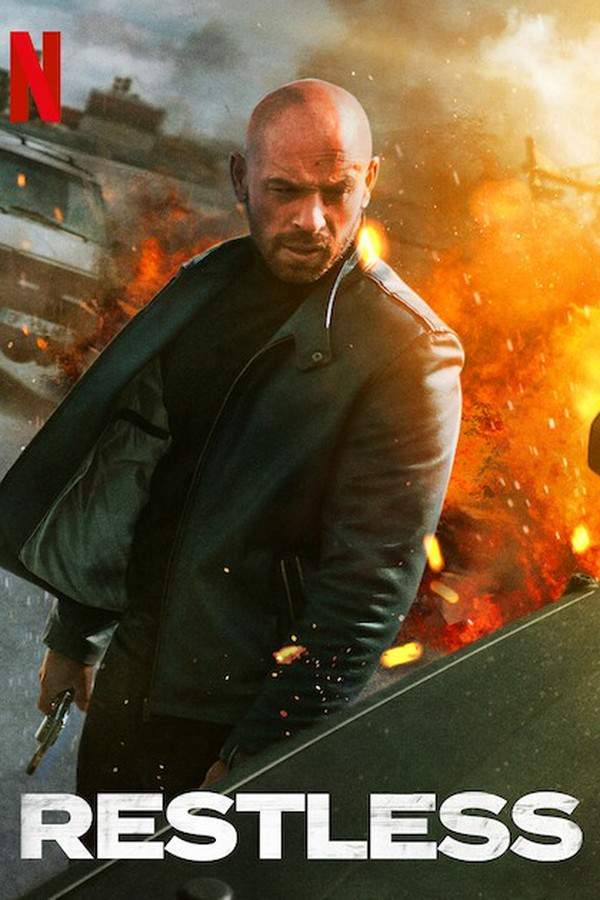
Thirumoorthy, Rajan P Dev, a corrupt politician who aspires to become the Prime Minister of India, hatches a dangerous plan: he hires a terrorist to take out the current PM. Sekhar, Arjun Sarja IPS, is a principled police officer who relentlessly works to counter the plot, cutting down the terrorists and ensuring the mastermind is brought to justice.
Neelakandan, Delhi Ganesh, an orthodox Brahmin and Sekhar’s father’s closest ally, pushes for a traditional match between his daughter Meena, Meena, and Sekhar’s father. Yet the heart of the story beats to a different rhythm, as Sekhar himself finds himself torn between duty and his love for Yamuna, a connection that underpins the personal stakes in a nation-struggling political maze.
One day, Sekhar is tasked with locating Franka, an Indo-French girl who has come to India to study its culture. A sniper narrowly misses Sekhar, but the shot claims Yamuna, a tragedy that reverberates through the lives of everyone involved. The loss of Yamuna sets off a chain of events that entangle love, loyalty, and power in equal measure.
Meena is soon imprisoned, framed as a killer of Franka, which intensifies the tension surrounding Sekhar’s mission. On Gandhi Jayanti, Sekhar invites Thirumoorthy to the prison, where Meena, caught in a web of accusations and passion, makes a bold move toward the one who has haunted her life. The same killer who took Yamuna then targets Meena, and Sekhar intervenes just in time to save her.
As the investigation unfolds, Meena confronts the truth about Franka’s fate. Franka’s handbag, containing her passport, is stolen, triggering a police report and a deeper dive into the motives behind the crime. Meena and Franka approach the police to clear the air, while Thirumoorthy’s lingering desire for Franka drives him toward brutality—he assaults and kills her in a moment of cruelty. Thangamani, a police officer, initially pledges to arrest the culprit, but his loyalties become tangled as events spiral. He even contests his partner’s actions, and in a grim turn, Thangamani ends up arresting Meena, provoking village humiliation and a devastating downfall that culminates in Meena’s family attempting to burn themselves in despair.
Hearing of these injustices, Sekhar takes a drastic step: he marries Meena in the prison, and she is released on bail, a union born from necessity and mutual resilience rather than ritual. Yet the pursuit of Thirumoorthy remains fraught; Sekhar is constrained by concerns that arresting him could cast a shadow over the nation’s honor, and Thangamani’s cooperation remains elusive. In a brutal exchange, Sekhar beats Thangamani until the officer reveals critical information about Thirumoorthy. But the revelation comes at a steep price when a hitman murders Thangamani and abducts Sekhar.
Thirumoorthy escalates the pressure, threatening Sekhar to kill the PM himself or pay with the lives of his father and Meena. Sekhar finds himself aboard a plane, escorted by Thirumoorthy’s henchmen, yet he manages to break free. He discovers the place where his father and Meena are being held, and he springs into action to rescue them. To save the PM, Sekhar locates the sniper responsible and eliminates him. The climactic confrontation sees Thirumoorthy resolve to take the PM’s life, but Sekhar intervenes once again, delivering the final blow by killing Thirumoorthy.
In the end, the narrative threads of politics, vengeance, and personal loyalty coalesce around Sekhar’s steadfast resolve. The tale portrays a man who refuses to compromise on truth and duty, even as the cost to his loved ones and his country remains high. The film’s sprawling arc—ranging from backroom political scheming to a prison wedding into a perilous pursuit aboard a plane—offers a dense, interwoven portrait of courage under pressure, and the lengths to which a single officer will go to protect the innocent, uphold justice, and prevent the fall of a nation.