Sadako 3D
Year: 2012
Runtime: 96 mins
Language: Japanese
Director: Tsutomu Hanabusa
A high school teacher, Akane, investigates a disturbing rumor among her students: a cursed video circulating online said to drive viewers to suicide. Dismissing it initially, she's horrified when a student dies after watching the footage. Along with her boyfriend, Takanori, Akane finds herself entangled in a terrifying plot orchestrated by Kashiwada, the man appearing in the video. His goal is to resurrect Sadako and unleash her vengeful power, forcing Akane and Takanori to fight for their survival and stop the escalating horror.
Warning: spoilers below!
Haven’t seen Sadako 3D yet? This summary contains major spoilers. Bookmark the page, watch the movie, and come back for the full breakdown. If you're ready, scroll on and relive the story!
Sadako 3D (2012) – Full Plot Summary & Ending Explained
Read the complete plot breakdown of Sadako 3D (2012), including all key story events, major twists, and the ending explained in detail. Discover what really happened—and what it all means.
A chilling prologue opens with a white-clad figure discarding a long-haired woman into a well, a grim tableau that reveals the well is crowded with other women, all with cascading hair and dressed in nightgowns. Thirteen years pass, and a pair of mysterious suicides jolts the city into action. Detective Koiso, [Ryosei Tayama], and his partner dive into a case that centers on deaths triggered by a video played on personal devices. Just before each fatal moment, a chilling voice murmurs, “You’re not the one,” casting a sense of inexorable doom over every screen that flickers to life.
The investigation soon intersects with Akane Ayukawa, [Satomi Ishihara], a homeroom teacher who once watched over a schoolgirl who died under strange circumstances. Akane learns that the dead girl’s best friend, Risa, [Hikari Takara], had been digging into the cursed video, even though the clip itself was reportedly deleted. What remains is an eerie Error 404, a digital glitch that somehow compels the viewer to watch alone, and within the footage, Kashiwada, the online artist, appears as the strange architect of a frightening scheme: [Yusuke Yamamoto] as Kiyoshi Kashiwada allows himself to be killed by a long-haired woman within the video.
As the case tightens, Akane and Risa become entwined in a web of fate and fear. The most haunting moment arrives when the video targets Akane herself; in their home the screens flare to life with the image of the woman, and Akane is pulled into a vision of possession and danger. The sequence culminates with Risa being attacked just as Akane rushes in to intervene. The ghost whispers that Akane is “the one,” and when Akane screams, the computer is literally destroyed in a blast of fear and force.
Back at Kashiwada’s apartment, the detectives scan a landscape of decor that feels almost staged—wallpaper, furniture, and a consistent motif that hints at a curated, artificial reality. The landlady, [Seiko Ozone], notes that everything around them seems superficial, a clue that ties into the larger theme of appearances masking something far more sinister.
Akane’s backstory adds another layer to the mystery: she is a telekinetic who revealed her power years earlier when a maniac attacked her high school, and though she saved the students, society branded her a freak. In this fragile balance between past scars and present peril, Takanori Andō, [Koji Seto], the son of Mitsuo Andō from the first film, grows into a devoted partner who not only understands her abilities but cherishes them.
The central threat intensifies as the video begins to circle back toward Akane. The home is invaded by a chorus of screens, each showing a variant of the same long-haired figure. Akane and Takanori are forced to flee into the streets, hoping to escape the reach of a force that operates through digital channels and urban spectacle. Yet a colossal LCD delivery truck materializes, displaying a giant, uncanny image of the ghost, and in a brutal moment, the apparition snatches Takanori away.
Detective Koiso’s skepticism crumbles as the plot reveals its broader mechanics: the original broadcast of the online video killed its initial viewers and even the staff of the site that hosted it. Compelled by the mounting evidence, Koiso returns to Kashiwada’s world, where he discovers a wallpapered repository—white butterflies fluttering in a hidden archive—that hides notes and a history of the deceit.
Together, Koiso and Akane trace the origin to the Yamamura household, once an inn, now replaced by a decrepit mall that sits near the well. Approaching the well, the pair confronts a grotesque Sadako facsimile that attacks Koiso and sinks its teeth into his neck. The impersonated Sadako versions—imperfect echoes born from the women who were once thrown into the well—descend on Akane, but she fights back with wary cunning and her telekinetic might.
In a pivotal confrontation at the center of a ruined, derelict building, Akane learns that Takanori has become trapped inside a mobile phone centered in the room. A swarm of imperfect Sadakos converges, yet Akane’s fear becomes a weapon, triggering a surge of telekinetic power that shatters those apparitions. She is lifted to the roof, where the real Sadako awaits, claiming a dangerous kinship: the two are said to be the same. Akane rejects the comparison, and a dramatic struggle ensues as Sadako uses her own power to unleash chaos while claiming to “help people” in a twisted logic.
With Takanori’s life in peril, Akane makes a selfless choice, trading herself for his safety. Sadako retaliates by merging with Akane, her hair threading through Akane’s body as the two become one in a visceral and perilous fusion. The moment passes when Takanori, freed from Sadako’s thrall, destroys the phone and disrupts the central mechanism that binds the spirits. The roof collapses, and Akane—now partially covered in Sadako’s hair and collapsed on the floor below—manages to escape with her life intact.
The film’s world lingers with a sense of artificiality that extends beyond the supernatural. A mid-credits moment shows Kashiwada’s landlady departing, her whispered line—“Isn’t it all artificial?”—echoing through the abandoned space. The post-credits sequence revisits the notorious video’s opening, with a new, defiant line delivered as a chilling sign of the cycle beginning anew: “Here we go again.” > Here we go again
In the end, the story threads together a meditation on belief, memory, and the power of digital myth, anchored by Akane’s resilient resolve and the haunting echo of a curse that refuses to stay buried.
Last Updated: October 03, 2025 at 10:35

Explore Movie Threads
Discover curated groups of movies connected by mood, themes, and story style. Browse collections built around emotion, atmosphere, and narrative focus to easily find films that match what you feel like watching right now.
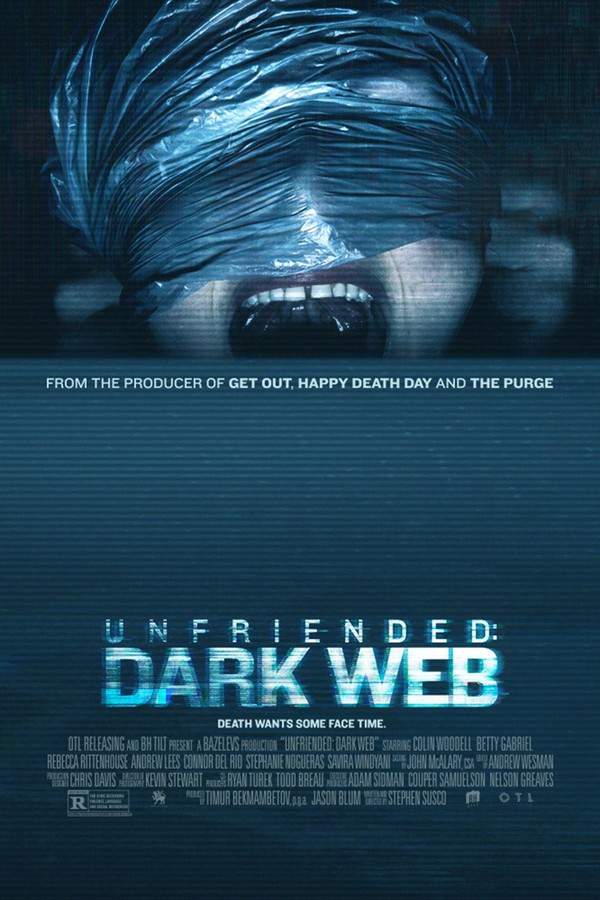
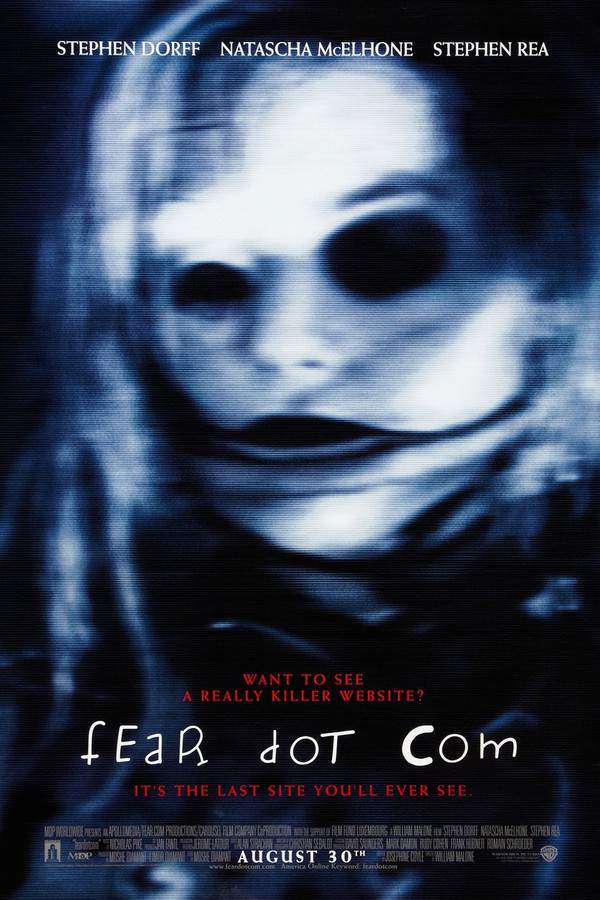
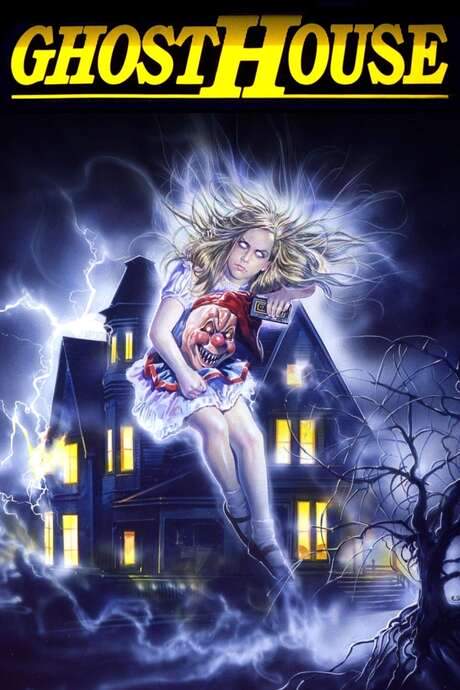
Movies about technological hauntings like Sadako 3D
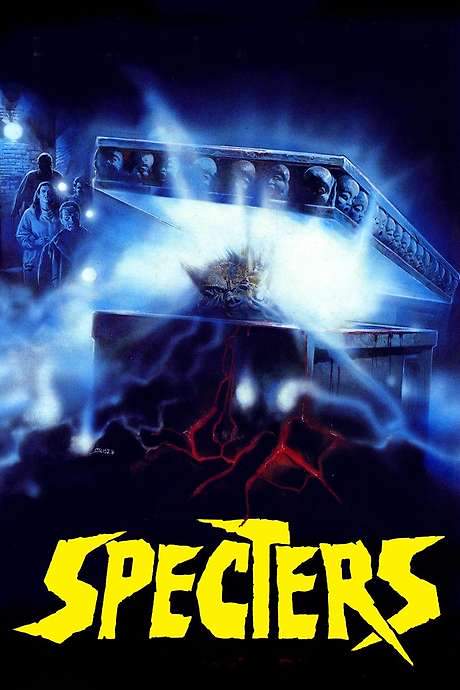
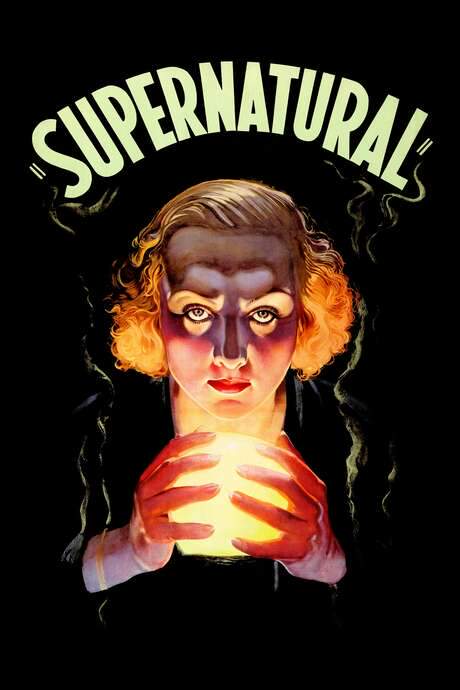
Stories where modern technology becomes a conduit for ancient supernatural evil.If you liked the premise of a cursed video in Sadako 3D, explore more movies where modern technology is haunted. These films often feature cursed websites, possessed media, or digital ghosts, creating a chillingly relevant form of supernatural horror that feels close to home.








Narrative Summary
Narratives in this thread typically follow characters who inadvertently stumble upon a cursed piece of technology, leading to an investigation as the supernatural threat escalates. The plot often involves a race against time to understand and stop the curse before it claims more victims, blending detective work with supernatural survival horror.
Why These Movies?
Movies are grouped here because they share a core premise: updating traditional haunting tropes for the digital age. They create a specific kind of fear rooted in the pervasive nature of technology, making the horror feel immediate and uncomfortably plausible.
Movies with bittersweet survival endings like Sadako 3D
Characters who survive a terrifying ordeal, but bear deep physical and emotional scars.If the heavy, costly ending of Sadako 3D resonated with you, discover other horror films where survival is a bittersweet victory. These movies often leave protagonists scarred, the evil contained but not destroyed, or the threat implied to continue, creating a deeply impactful and memorable conclusion.
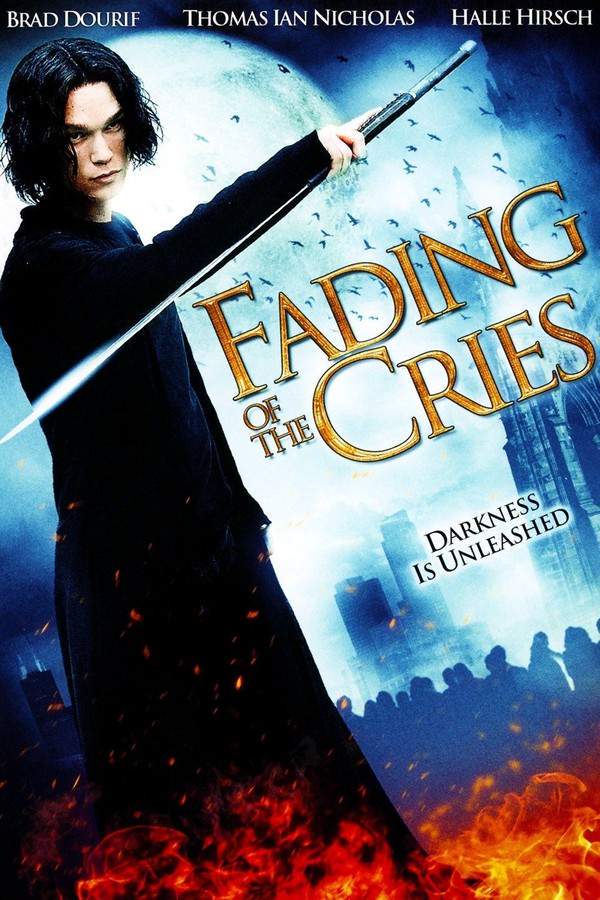
Fading of the Cries
2011
Life After
2025

Bag of Bones
1000

The Last Survivors
2014

Survival Island
2002

Haunted Road 2
2017

Hallowed Ground
2007

Wicked Little Things
2006

Sometimes They Come Back
1991

The Resurrected
1991

Final Exam
1981

Bad Dreams
1988

1920: Horrors of the Heart
2023
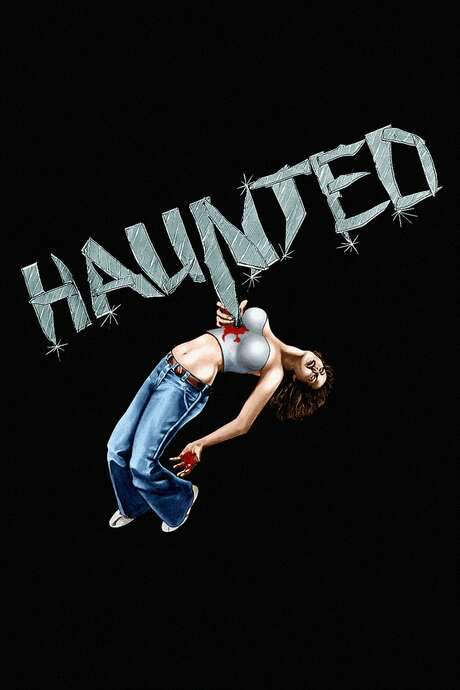
Haunted
1995

House of Dark Shadows
1970
Narrative Summary
The narrative pattern involves characters pushed to their absolute limits in a high-stakes survival scenario. While they may stop the immediate threat, the resolution is ambiguous or deeply troubling. The story concludes not with celebration, but with the heavy weight of trauma, loss, or the chilling implication that the horror cycle is not truly broken.
Why These Movies?
These films are grouped together by their emotionally complex and heavy endings. They share a specific tone that mixes relief with dread, offering a more nuanced and often more haunting conclusion than a purely happy or bleak ending would provide.
Unlock the Full Story of Sadako 3D
Don't stop at just watching — explore Sadako 3D in full detail. From the complete plot summary and scene-by-scene timeline to character breakdowns, thematic analysis, and a deep dive into the ending — every page helps you truly understand what Sadako 3D is all about. Plus, discover what's next after the movie.
Sadako 3D Timeline
Track the full timeline of Sadako 3D with every major event arranged chronologically. Perfect for decoding non-linear storytelling, flashbacks, or parallel narratives with a clear scene-by-scene breakdown.

Characters, Settings & Themes in Sadako 3D
Discover the characters, locations, and core themes that shape Sadako 3D. Get insights into symbolic elements, setting significance, and deeper narrative meaning — ideal for thematic analysis and movie breakdowns.