Plot Explained Spoilers guaranteed!
Plot Explained

Browse by genre

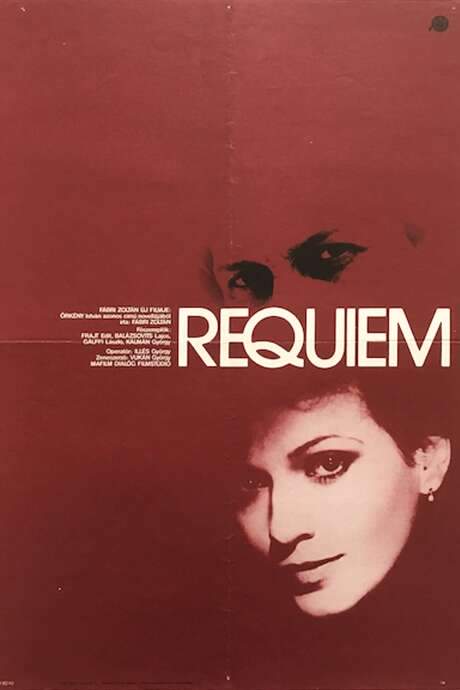
Requiem (2006) movie poster

Timeline

Requiem (2006) Timeline Explained – Every Event in Order

Release, runtime and language
2006 · 89 min · Spanish
Directed by
Hans-Christian Schmid

Following a profound personal tragedy, Oscar undertakes a journey of self-discovery and healing. Haunted by his past, he confronts difficult memories and the people who shaped them. Through introspection and unexpected connections, he learns that forgiveness—both of others and himself—is essential for moving forward and finding peace.

On this page (5)
  1. 1 Events in order (14)
  2. 2 Timeline questions answered
  3. 3 Movie threads
  4. 4 Movies like Requiem
  5. 5 Every angle

14 events in order · contains spoilers

Requiem Timeline: Events in Chronological Order

Every key event of Requiem (2006) in order, scene by scene, with when and where it takes place. Use it to untangle flashbacks, time jumps and parallel storylines, to refresh your memory before the sequel or to find the exact scene you are thinking of.

  1. University acceptance and family pressure

    Michaela Klinger, a 21-year-old from a devout Catholic family, is accepted into university after losing a year to a medical health issue. Her mother remains wary while her father offers support. She resolves to start university and make a fresh start.

    When
    Start of term
    Where
    University campus
  2. First pedagogy class and test of faith

    On her first day, Michaela is late to her pedagogy class; the professor stops her and asks what she believes in. She answers that she believes in God, and the class laughs, exposing the pressure she faces. She then reconnects with Hanna, a former classmate who is cool toward her at first.

    When
    First day
    Where
    University classroom
  3. Cheating incident and budding alliance

    During a test, Hanna struggles and Michaela helps her cheat to pass. The gesture marks a turning point in their relationship and begins their uneasy alliance. They bond as they navigate the campus social scene.

    When
    During test
    Where
    Classroom
  4. Swim at the lake and friendship grows

    Michaela and Hanna spend time together and go swimming in a lake, enjoying a rare moment of carefree companionship. The scene reinforces their growing friendship outside academic pressure. It foreshadows the support they will need later.

    When
    Shortly after first days
    Where
    Lake
  5. Family dinner and religious pressure

    At the end of the week, Michaela has dinner with her family and encounters tension with her mother. They then attend a religious event together, underscoring the family's constant emphasis on faith. The conflict hints at underlying fears and expectations.

    When
    End of week
    Where
    Family home
  6. Night seizure and warning signs

    One night she wakes for water and experiences a disturbing episode: she cannot touch her rosary and faints. Her father finds her and gently wakes her, revealing a crisis that will challenge her beliefs. The event foreshadows a medical diagnosis that is not easy to swallow.

    When
    Night
    Where
    Home
  7. Back to campus; party, kiss, and epilepsy reveals itself

    Returning to school, Michaela attends a party and shares a kiss with a guy named Stefan before dancing. The next morning, Hanna discovers Michaela has epilepsy, and Michaela asks her to keep it a secret from their families. The revelation strains their rapport but a necessary boundary forms.

    When
    After party
    Where
    University; party
  8. Church visit and redirection toward psychology

    Michaela visits the Roman Catholic church and tells the priest about the strange events; he does not believe her, calling them fantasies. He advises her to see a psychologist instead. The moment marks a shift from religious interpretation to medical consultation.

    When
    Soon after epilepsy becomes known
    Where
    Church
  9. Medical tests and pastor's prayer

    Michaela goes on a lake date with Stefan and later visits a doctor for tests using an imaging machine, with an X-ray scheduled for the following week. A young pastor prays with her during the process, while Hanna remains supportive as they begin to navigate treatment.

    When
    Weeks after initial diagnosis
    Where
    Medical clinic
  10. Winter holidays at home; Christmas turmoil

    Winter holidays begin and Michaela returns home for Christmas, where she argues with her mother over new clothes she bought. She experiences another epileptic attack and attempts to pray, but her parents struggle to help. The family tension peaks during the holiday season.

    When
    Winter holidays
    Where
    Family home
  11. Return to university; unraveling relationships

    Back at university, Hanna prepares to leave for her internship; Michaela reveals she has been hearing voices and asks Hanna not to leave. They argue about her drinking and not seeing a psychiatrist, while Stefan and Hanna try to help her. The group grapples with how to support Michaela's deteriorating condition.

    When
    Post-holidays
    Where
    University
  12. Exorcism escalation at home

    Michaela's parents and pastors visit; they are shocked that she can't pray anymore. The older pastor warns that an exorcism requires proof, while her father urges telling everyone she is fine and continuing her medication. Michaela retreats to a locked room as the religious intervention intensifies.

    When
    Before final escalation
    Where
    Parents' home
  13. Final exorcism attempts and Saint Katharina fixation

    Pastors arrive and attempt to heal Michaela through prayer and exorcism at the family home. Stefan leaves the room as Hanna arrives, seeking to see Michaela and help, but Michaela remains convinced she is suffering for a divine purpose inspired by Saint Katharina. The confrontation between faith and reality deepens, heightening the tragedy.

    When
    Climax
    Where
    Parents' home
  14. Ending and revelation

    The film ends with Michaela in a car, staring out a window as the family’s prayers intensify around her. It is explained that Michaela died of exhaustion from exorcisms performed in her parents' home. The closing image underscores thecost of conflating faith with medical denial.

    When
    Ending
    Where
    Car

Last updated: October 09, 2025 at 15:43

Was this helpful?

Timeline questions answered

Requiem Timeline Explained: Your Questions Answered

When does it happen, and why in that order? The questions people ask about the chronology of Requiem (2006): time jumps, flashbacks, cause and effect between scenes and the correct order of events, each answered with spoilers.

Q1

What caused Michaela's death in the film?

Michaela died from exhaustion after prolonged exorcism practices conducted by pastors at her family's home. Rather than seeking proper medical treatment for her epilepsy, her family attempted religious intervention, which ultimately proved fatal. The physical and emotional toll of these rituals, combined with her untreated condition, led to her death.

Foreshadowing: Earlier scenes show Michaela's condition worsening as her family increasingly prioritizes spiritual healing over medical care.

  • michaela death
  • exhaustion
  • exorcism
  • tragic ending
Q2

Why did Michaela's family choose exorcism over medical treatment?

Michaela's family believed her symptoms, seizures, fainting, and inability to touch her rosary, were signs of demonic possession rather than epilepsy. Their deep Catholic faith led them to seek spiritual remedies. When medical professionals could not cure her, the family became convinced that supernatural forces were at work, eventually inviting pastors to perform exorcisms in their home.

Foreshadowing: The night seizure scene, where she cannot touch her rosary, plants the idea in her family's minds that this is spiritual rather than medical.

  • exorcism
  • family faith
  • medical denial
  • religious beliefs
Q3

What was the significance of Saint Katharina in the story?

Saint Katharina became Michaela's guiding obsession as she increasingly believed her suffering served a divine purpose. She spoke of Katharina to the young pastor, convinced that her own torments were a test similar to the martyr's. This fixation reflected Michaela's need to find meaning in her deteriorating condition, essentially choosing a spiritual identity over accepting her medical reality.

Foreshadowing: Michaela's early admiration for Saint Katharina is established before her condition worsens, making her later fixation feel like a psychological escape.

  • saint katharina
  • martyr
  • divine purpose
  • spiritual identity
Q4

Why was Michaela convinced she was possessed rather than ill?

Michaela interpreted her epilepsy symptoms, seizures, fainting, and strange episodes, as evidence of demonic possession. When priests and family members framed her condition in spiritual terms, she adopted this belief to explain her suffering. The inability to pray and her fear of religious objects reinforced her conviction that something supernatural was happening, giving her a sense of purpose through martyrdom.

Foreshadowing: Her disturbing night episode where she cannot touch her rosary creates the first real ambiguity about whether her experience is physical or spiritual.

  • possession
  • epilepsy
  • delusion
  • spiritual crisis
Q5

What was the nature of Michaela and Hanna's friendship?

Michaela and Hanna's friendship evolved from an uneasy reconnection, Hanna was cool toward her at first, into a bond forged through shared risk when Michaela helped her cheat on a test. Their relationship grew as they spent time together, but ultimately strained when Hanna learned of Michaela's epilepsy and worried about her refusal to see a psychiatrist. Hanna represented a grounded, reality-based perspective that Michaela increasingly rejected.

Foreshadowing: The cheating incident creates trust between them, making their later conflict over medical treatment more poignant.

  • hanna
  • friendship
  • support
  • conflict
Q6

What role did Michaela's father play in the tragedy?

Michaela's father attempted to balance faith and reason, offering support while also enabling the family's descent into spiritual intervention. He brought medical documents to understand her condition, yet encouraged her to reassure everyone she was fine and to continue taking pills while also participating in exorcism rituals. His inability to decisively choose medical treatment over spiritual healing contributed to the tragedy.

Foreshadowing: His initial support at university and his presence during the night seizure establishes him as caring but conflicted.

  • father
  • family
  • support
  • medical treatment
Q7

Why did the priests agree to perform exorcism on Michaela?

The older pastor initially demanded proof before proceeding with an exorcism, showing some resistance. However, as Michaela's condition deteriorated and her family insisted she could not pray, the priests ultimately conducted the rituals. They believed her symptoms represented genuine possession, not understanding that her distress stemmed from untreated epilepsy. The cultural and familial pressure, combined with their own religious convictions, led them to perform exorcisms that accelerated her decline.

Foreshadowing: The professor's question about what Michaela believes in on her first day establishes the film's exploration of faith versus reality.

  • priests
  • exorcism
  • religious intervention
  • church
Q8

Why did Michaela refuse to see a psychiatrist?

Michaela rejected psychiatric help because doing so would have contradicted her growing conviction that her suffering was spiritual, not mental. She interpreted her experiences through the lens of demonic possession and divine purpose, viewing psychiatric treatment as denial of her true condition. Her fixation on Saint Katharina gave her a spiritual framework that made accepting a medical explanation feel like betraying her faith.

Foreshadowing: Her visit to the priest, where he dismisses her experiences as fantasies, pushes her further toward rejecting psychological help.

  • psychiatrist
  • rejection
  • delusion
  • faith
Q9

What did the lake scenes represent in the story?

The lake scenes, where Michaela swims with Hanna and later dates Stefan, represent moments of normalcy and physical freedom before her condition consumes her life. These carefree scenes contrast sharply with the increasing religious pressure and medical decline that follow. The first lake outing with Hanna occurs just as their friendship develops, symbolizing the last period of unburdened existence.

Foreshadowing: The swim with Hanna early in their friendship establishes the normal university life that gradually disappears.

  • lake
  • freedom
  • contrast
  • normalcy
Q10

What caused the tension between Michaela and her mother?

The tension between Michaela and her mother stemmed from conflicting perspectives on faith and health. Her mother remained wary of Michaela's university experience and represented the family's rigid religious expectations. Their arguments, over clothes at Christmas and overall life choices, reflected deeper disagreements about Michaela's independence versus the family's spiritual control. This tension culminated in the mother's inability to protect her daughter from the fatal exorcism practices.

Foreshadowing: The family dinner and religious event early in the film establish the mother's rigid stance and fear of losing Michaela to the world.

  • mother
  • family tension
  • religious expectations
  • conflict

Movie threads

More Movies Like Requiem, by Mood & Story

Curated lists built around what makes Requiem tick: the same mood, the same kind of story or the same emotional payoff. Each list explains why these movies belong together.

Movies about faith and mental health like Requiem

Stories where rigid belief systems clash with psychological distress, leading to tragedy. This section features movies like Requiem that explore the volatile intersection of mental illness and rigid religious belief. If you were moved by the tragic conflict between medical reality and spiritual conviction, these similar drama stories will resonate deeply.

  • oppressive
  • claustrophobic
  • melancholic
  • somber
  • desperate
  • anxious
  • Tone: dark, tragic, oppressive
  • Pacing: steady, methodical
Why these movies?

The story pattern: These films typically follow a linear, character-driven path where a protagonist's genuine mental or medical crisis is met with spiritual explanations like possession or sin. The central conflict escalates steadily as familial and communal pressure intensifies, creating an oppressive atmosphere that leads to an irreversible, somber conclusion.

Why they belong together: Movies are grouped here for their shared focus on the tragic consequences of misunderstanding mental health through a religious lens. They share a dark tone, heavy emotional weight, and a steady pacing that methodically builds dread, making the viewing experience intensely melancholic and thought-provoking.
Slow burn character tragedies like Requiem

Quiet, character-focused stories about a solitary figure's grim and inevitable unraveling. Explore more slow burn character tragedies like Requiem. These films share a steady pacing and heavy emotional focus, following a protagonist's difficult journey with a similar somber and melancholic atmosphere. If you appreciated the detailed portrayal of a personal downfall, you'll find these movies compelling.

  • somber
  • melancholic
  • anxious
  • desperate
  • introspective
  • isolating
  • Tone: somber, melancholic, desperate
  • Pacing: steady, observational
Why these movies?

The story pattern: The narrative pattern involves a close examination of a protagonist's daily life and interactions, highlighting the small moments of misunderstanding and isolation that accumulate into a major crisis. The story avoids dramatic twists in favor of a realistic, grinding pace that makes the tragic ending feel both shocking and inevitable.

Why they belong together: These films are united by their somber mood, steady pacing, and straightforward structure that prioritizes character depth over complex plotting. They deliver a heavy emotional impact through a sustained focus on a single character's painful journey, creating a similar vibe of melancholic inevitability.

If you liked this

Movies Like Requiem

Similar movies to Requiem: the same genre, themes or kind of story. Each one comes with its own plot summary, timeline and ending explained.

Browse all movie summaries

Every angle

Requiem (2006) Explained: Plot, Timeline & Characters

Everything about Requiem in one place: what happens in the plot summary, the timeline in chronological order, the characters and meaning and a spoiler-free summary. What's After the Movie adds the cast, box office and post-credit scenes.

Coming soon on iOS and Android

The Plot Explained Movie Summary App

Plot summaries, endings explained and timelines on your phone. Catch up on any movie in minutes, save your favorites and never miss a twist again.

Be the first to know when we launch. Your email stays private, always.

Learn more about the app