Red Line
Year: 2013
Runtime: 86 mins
Language: English
Director: Robert Kirbyson
During rush hour, terrorists send a subway train hurtling out of control, trapping terrified commuters underground. As the saboteur remains among them, a group of citizens must work together to survive the escalating crisis and find a way to stop the train before it’s too late. Facing a desperate race against time, the passengers experience fast-paced action and suspense in this gripping thriller.
Warning: spoilers below!
Haven’t seen Red Line yet? This summary contains major spoilers. Bookmark the page, watch the movie, and come back for the full breakdown. If you're ready, scroll on and relive the story!
Red Line (2013) – Full Plot Summary & Ending Explained
Read the complete plot breakdown of Red Line (2013), including all key story events, major twists, and the ending explained in detail. Discover what really happened—and what it all means.
On a crowded subway, Tori [Nicole Gale Anderson] is already upset after a tense phone call with her father. As the doors close and the train rattles through the tunnel, a group of riders boards and settles in, each carrying their own stories that may not be fully honest. Adam [Jamie Nieto] has just proposed to Rubina [Keena Ferguson], though their Muslim faith makes a ring a delicate gesture. Boyd [Mark Saul] is an actor by trade; Mason [Joe Williamson], a veteran of Iraq, sits a few seats over; Al [Kunal Sharma], an engineering student with Brazilian roots, checks his notes; Sam [John Billingsley], a history teacher, talks with his wife Kathy, who isn’t onboard this trip; Yolanda [Anna Maganini], a medical professional with limited English, scans the crowd for danger; and Jared [Kevin Sizemore] and Kristine [Kym Jackson], with their young daughter Dillon [Renee Sly], try to find a moment of calm amid the rising tension.
Something terrible happens. At first it seems like a shooter strike, but the chaos that follows points to an explosion. The train car tilts on its side, the exit seems blocked, and there is no clear leader to orchestrate a response. The ordinary passengers must improvise under extraordinary pressure, weighing every decision as danger closes in from every direction. Tori stays remarkably collected, doing what she can to soothe panic, while Jared insists that Kristine be helped first, insisting that her injuries are the most urgent and that every choice now could mean life or death for someone else.
Kristine is trapped, and Sam is trapped as well, though not initially injured—he remains at risk, waiting for a way to be freed. Kathy is dead, and a police officer is among the casualties, underscoring how indiscriminate the blast has been. Yolanda, with her medical training, takes the lead on triage and care, and Kristine translates for her so the group can communicate more effectively despite the language barrier. The team realizes they need outside help and a plan to escape, but first they must stabilize the injured and keep everyone alive long enough to mount a rescue.
As the hours stretch, the group fights the clock and their own doubts. Then a second bomb is discovered, intensifying the fear and suspicion. The looming question is whether one of their own might have set off the first attack, and whether the terrorist intends to continue with more violence or even kill themselves in the process. The survivors are forced to confront difficult moral dilemmas: should they identify a potential perpetrator and try to restrain them, how far should they go to prevent further harm, and could there be more than one person involved in the violence?
Throughout the ordeal, the film examines how strangers become a fragile, reluctant team under life‑and‑death pressure. Each character’s background surfaces in the struggle for survival: the family dynamics, the professional skills, the cultural and language differences, and the personal fears that threaten to fracture the group when the pressure mounts. The tension never fully releases, as the passengers balance the urge to preserve their own lives with the harsh reality that their fates are intertwined. In the end, the story leaves viewers with a quiet, unsettling look at courage, responsibility, and the ways ordinary people respond when the worst moments of their lives demand extraordinary acts.
Last Updated: October 03, 2025 at 06:47

Explore Movie Threads
Discover curated groups of movies connected by mood, themes, and story style. Browse collections built around emotion, atmosphere, and narrative focus to easily find films that match what you feel like watching right now.
Claustrophobic Survival Thrillers like Red Line
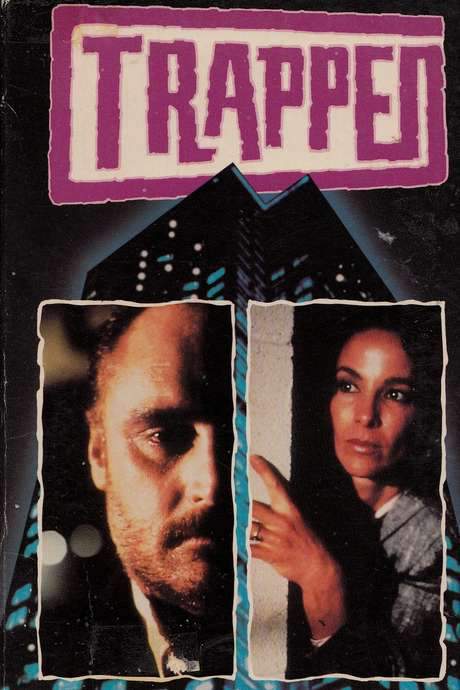
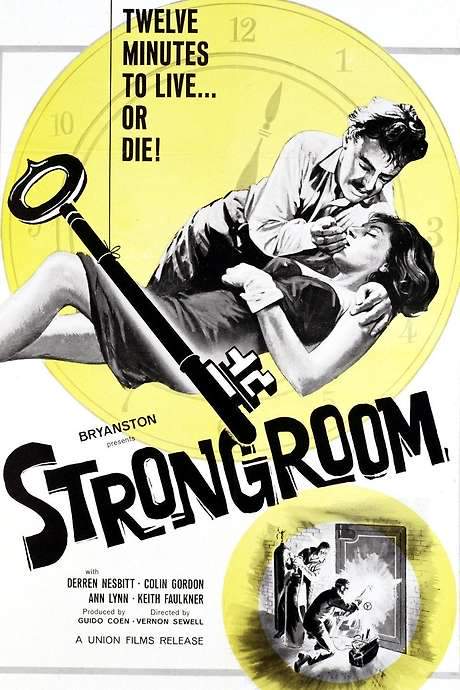
Stories where characters are trapped and must cooperate to survive an immediate threat.Explore more movies like Red Line where characters are trapped in a confined space and must fight for survival. These similar thriller stories feature high-stakes crises, desperate teamwork, and a palpable sense of claustrophobia and tension.
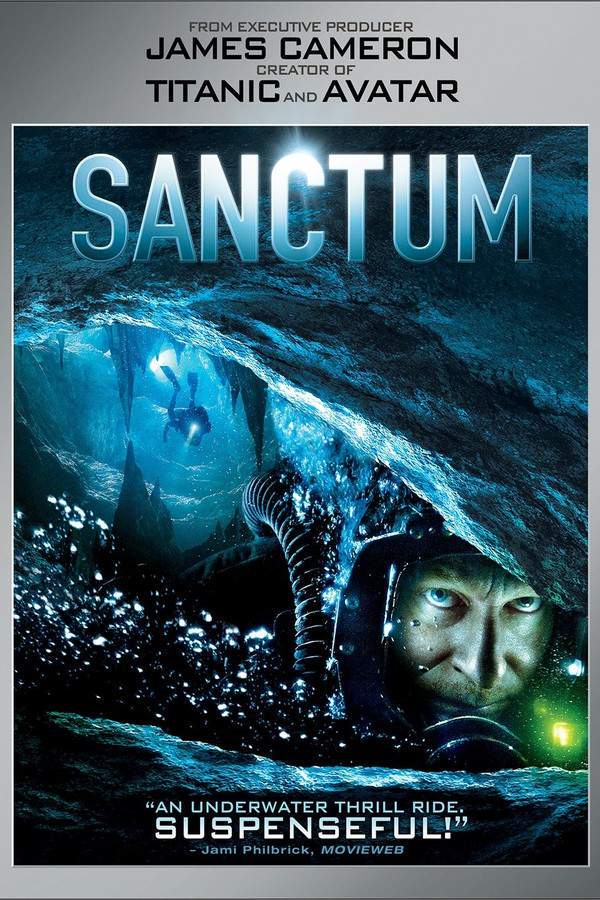
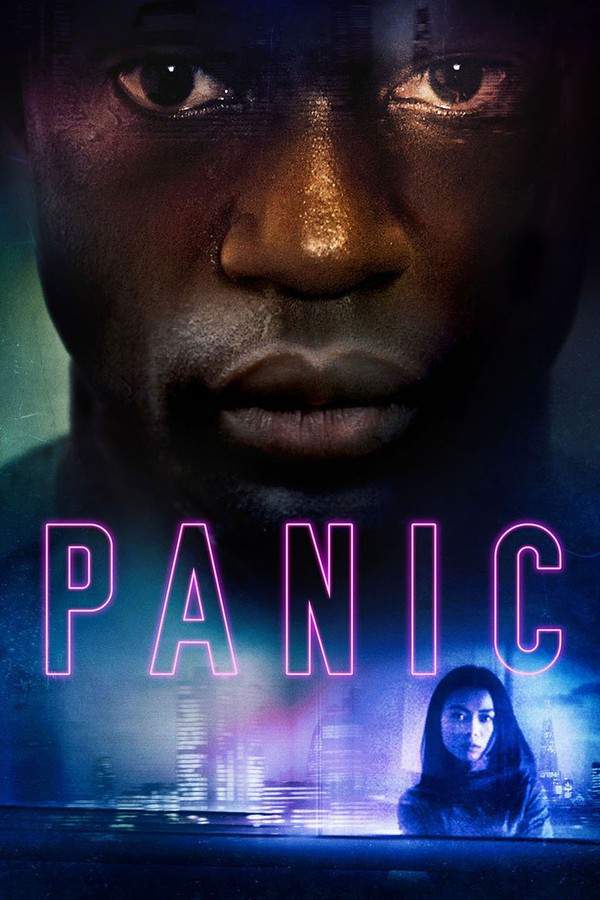
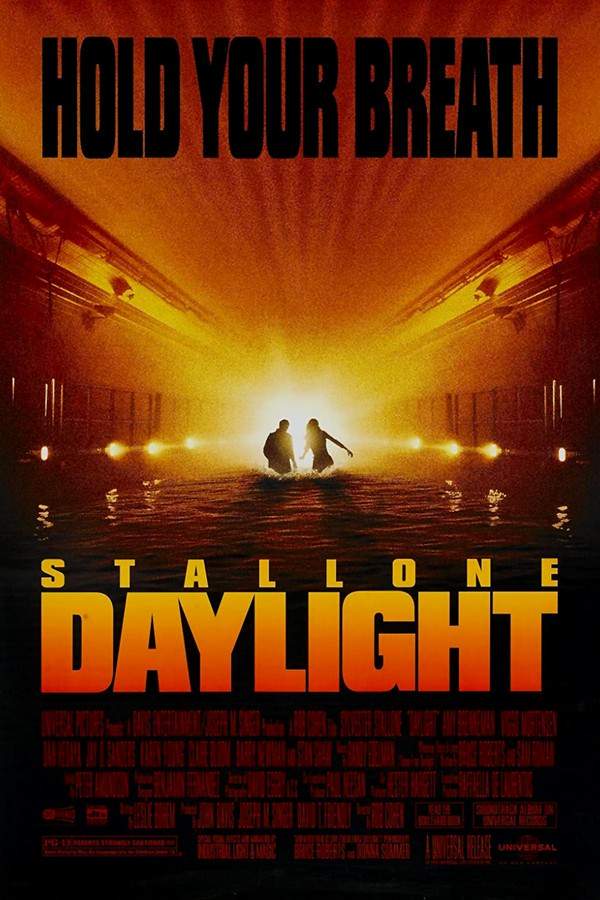
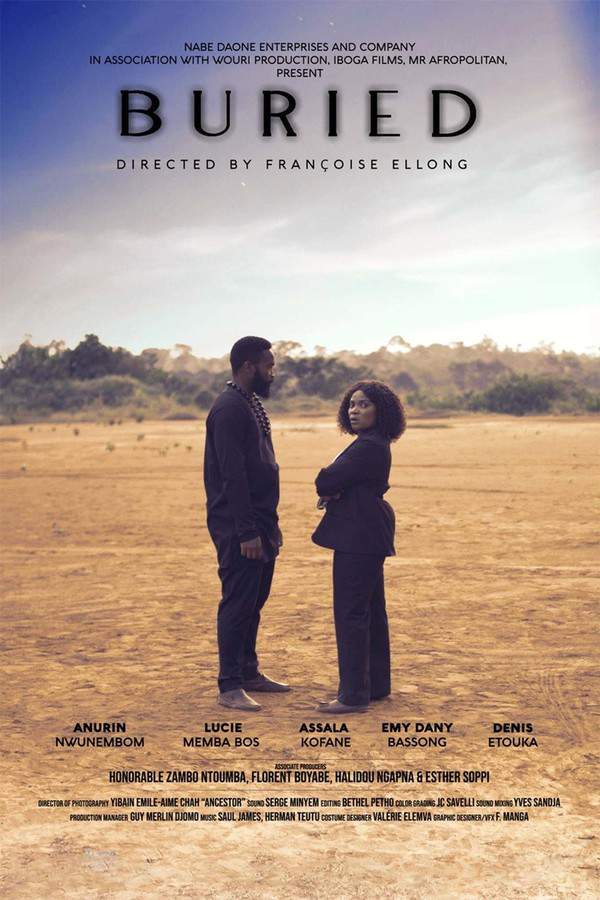







Narrative Summary
These narratives typically begin with a sudden, catastrophic event that immediately confines a group of people. The plot unfolds in real-time or over a short, frantic period, focusing on the escalating crisis and the group's dynamic as they attempt to overcome the physical and psychological barriers to their survival. Suspicion and moral dilemmas often test their unity.
Why These Movies?
Movies are grouped here for their shared core experience of confinement and immediate peril. They deliver a consistent vibe of high anxiety and desperate problem-solving, with a fast pace and heavy emotional weight driven by the relentless threat of imminent disaster.
Paranoid Suspense Movies like Red Line
Suspenseful stories where the threat may be hiding among the protagonists.If you liked the suspense of not knowing who to trust in Red Line, you'll enjoy these similar paranoid thrillers. Discover movies where a hidden enemy creates tension and suspicion within a group under pressure.

The Parallax View
1974
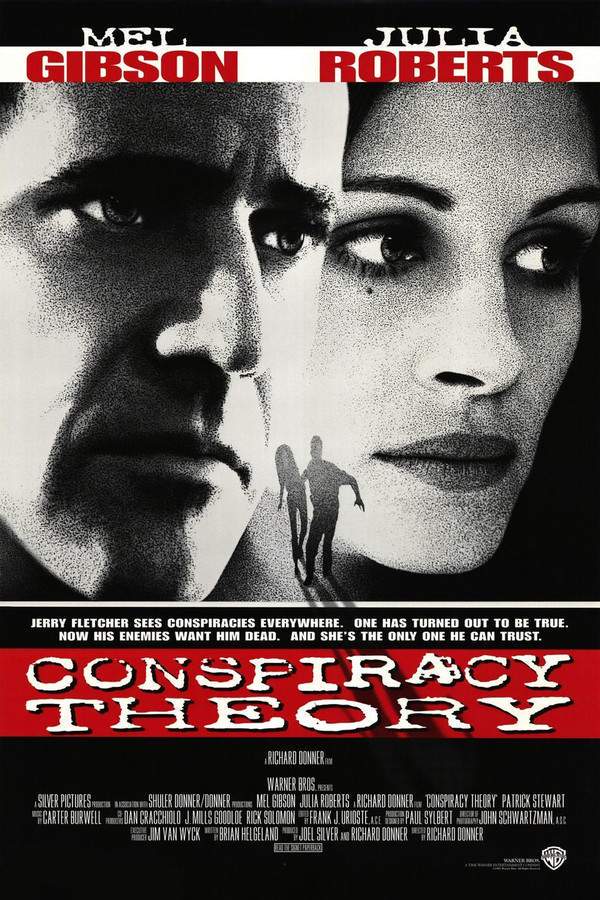
Conspiracy Theory
1997
The Ipcress File
1965

Black Bag
2025

Paranoid
2000

Paranoid
2000

Defence of the Realm
1985

Foreign Intrigue
1956

The Thief
1952

Experiment in Terror
1962

Shadow Conspiracy
1997

Danger Route
1967

No Place to Hide
1973

Cornered
1945

The Internecine Project
1974
Narrative Summary
The narrative pattern involves an external crisis that forces a group together, but a key revelation—that a saboteur or traitor is among them—shatters their cohesion. The plot then pivots to a dual conflict: managing the external threat while unraveling the mystery of the mole. This creates a gripping internal investigation layered on top of the primary survival plot.
Why These Movies?
These films are united by their central theme of suspicion and the psychological unraveling of a group. They share a tense, paranoid tone where the enemy is unseen and trust becomes the greatest vulnerability, leading to a heavy emotional weight and morally complex situations.
Unlock the Full Story of Red Line
Don't stop at just watching — explore Red Line in full detail. From the complete plot summary and scene-by-scene timeline to character breakdowns, thematic analysis, and a deep dive into the ending — every page helps you truly understand what Red Line is all about. Plus, discover what's next after the movie.
Red Line Timeline
Track the full timeline of Red Line with every major event arranged chronologically. Perfect for decoding non-linear storytelling, flashbacks, or parallel narratives with a clear scene-by-scene breakdown.

Characters, Settings & Themes in Red Line
Discover the characters, locations, and core themes that shape Red Line. Get insights into symbolic elements, setting significance, and deeper narrative meaning — ideal for thematic analysis and movie breakdowns.