Plot Explained Spoilers guaranteed!
Plot Explained

Browse by genre

Red Cherry (1995) movie poster

Timeline

Red Cherry (1995) Timeline Explained – Every Event in Order

Release, runtime and language
1995 · 120 mins · Chinese
Directed by
Daying Ye
Starring
Lyanka Gryu, Valentina Berezutskaya, Natalya Krachkovskaya, Lyubov Omelchenko, Igor Ledogorov, Vladmill Nizmiroff

Based on a true story, this horrifying tale follows two orphaned friends as they struggle to survive during World War II.

On this page (5)
  1. 1 Events in order (12)
  2. 2 Timeline questions answered
  3. 3 Movie threads
  4. 4 Movies like Red Cherry
  5. 5 Every angle

12 events in order · contains spoilers

Red Cherry Timeline: Events in Chronological Order

Every key event of Red Cherry (1995) in order, scene by scene, with when and where it takes place. Use it to untangle flashbacks, time jumps and parallel storylines, to refresh your memory before the sequel or to find the exact scene you are thinking of.

  1. New students arrive at Moscow school

    In the early summer of 1941, Luo Xiaoman and Chuchu arrive at the Ivanov International School in Moscow as new students, having fled China after the White Terror. They quickly adapt and learn to fit in, mastering Russian with ease. The setting introduces their fragile new start in a foreign country.

    When
    early summer 1941
    Where
    Moscow
  2. Summer camp departure to Belarus

    As summer arrives, Chuchu and several classmates travel to a summer camp in Belarus, led by their teacher Miss Vera. Xiaoman stays behind in Moscow while the war looms over the evacuated city. The separation foreshadows the dangers that will soon unfold.

    When
    summer 1941
    Where
    Belarus (summer camp)
  3. Nazi invasion disrupts Moscow

    With Nazi Germany's invasion, Moscow is half evacuated and the children are scattered. Xiaoman begins surviving on the streets, often begging or stealing, and even selling blood to buy food. He gradually adapts to life in a city under occupation.

    When
    1941 (invasion)
    Where
    Moscow
  4. Xiaoman adopts an orphaned girl

    While struggling to survive, Xiaoman discovers an orphaned girl in an apartment and adopts her as his daughter. He continues to support them by delivering condolence letters to families of fallen soldiers. This acts as a fragile beacon of family amid chaos.

    When
    1941
    Where
    Moscow
  5. Chuchu and classmates captured by Germans

    Chuchu and her classmates are captured by German invaders and kept as slaves, living in constant fear. Miss Vera is brutally murdered in front of the students for defying the occupiers by teaching. The camp's grip tightens as danger escalates.

    When
    summer 1941
    Where
    Belarus
  6. Karl's escape and death

    Karl, half-German and fond of Chuchu, uses his Aryan identity to fool a German soldier and steals an MP40, enabling the other students to escape. He is soon cornered and machine-gunned to death in a forest pit. His sacrifice underscores the peril of the resistance.

    When
    summer 1941
    Where
    Belarus forest
  7. Escape failed; execution

    The escape attempt collapses as the captives are recaptured and sentenced to death by hanging. An old man and one girl are executed with a brutal shot to the head. The students face a grim, swift punishment under the occupiers.

    When
    summer 1941
    Where
    Belarus
  8. Chuchu spared and sent to Nazi HQ

    A high-ranking German officer, General Von Dietrich, arrives and spares Chuchu and several classmates, sending them to work as servants at Nazi headquarters in the Yakovlev Monastery. There, the officer's cruel fascination with tattooing begins, using Chuchu as his 'masterpiece' to parade before guests.

    When
    late wartime (1943-1945)
    Where
    Yakovlev Monastery, Nazi HQ
  9. Tattoo reveals Chuchu's fate

    Von Dietrich's tattooing obsession marks Chuchu with a large Nazi eagle on her back, branding her as the officer's life-long 'masterpiece'. When the Reich is doomed, he abandons her in a field and commits suicide, leaving her life scarred and stigmatized.

    When
    late wartime (1945)
    Where
    Yakovlev Monastery / field
  10. Xiaoman's vengeful action against POWs

    Unable to join the Red Army due to his age, Xiaoman enacts a vengeful measure against the German POWs. He uses a home-made slingshot to target them, then lures the rioting prisoners into a ruined apartment where oil tanks are set ablaze, dying in the resulting explosion.

    When
    during occupation
    Where
    near the labour camp
  11. Reunion and emotional realization

    In the end, Chuchu is reunited with the orphaned girl Xiaoman had adopted. She hears his Russian class speech and, moved, embraces the girl, breaking down in tears. The moment binds the two survivors in shared memory.

    When
    end of war
    Where
    Moscow
  12. Tattoo's legacy and post-war life

    The tattoo and the scar on Chuchu’s back remain as a lasting symbol of trauma and stigma she bears for life. The credits note that a skin graft to remove the tattoo was not successful and recount the true story of Chuchu and her life afterward.

    When
    post-war

Last updated: October 09, 2025 at 11:19

Was this helpful?

Timeline questions answered

Red Cherry Timeline Explained: Your Questions Answered

When does it happen, and why in that order? The questions people ask about the chronology of Red Cherry (1995): time jumps, flashbacks, cause and effect between scenes and the correct order of events, each answered with spoilers.

Q1

Why was ChuChu spared by the Germans when other students were executed?

ChuChu was spared because General Von Dietrich, a high-ranking Nazi officer, became obsessed with her and wanted to use her as his personal "masterpiece." He saw her as the ultimate embodiment of his tattooing hobby and decided to keep her alive to display at his parties. When the Reich began to collapse, he abandoned her in a field rather than kill her, ensuring his "masterpiece" would survive while he took his own life.

  • chuchu spared
  • general von dietrich
  • nazi execution
  • survival
Q2

Why did General Von Dietrich tattoo ChuChu and keep her alive?

Von Dietrich was a perverted doctor who treated tattooing as a dark hobby, engraving heraldic designs on young girls' bodies to parade at his parties. He specifically chose ChuChu as his "ultimate masterpiece" because of her youth and appearance. The large Nazi eagle tattoo on her back was meant to be his crowning achievement, a living symbol of his work that he could show off to guests.

  • von dietrich
  • tattoo
  • nazi eagle
  • masterpiece
  • torture
Q3

Why did Karl's escape attempt fail and lead to his death?

Karl, who was half-German and had feelings for ChuChu, used his Aryan appearance to gain a German soldier's trust and stole an MP40 submachine gun, enabling a brief escape for the other students. However, he was soon cornered in a forest pit and machine-gunned to death. The escape failed because the students were quickly recaptured, and the Germans carried out harsh retribution, executing an old man and one girl before sending the remaining captives to work at Nazi headquarters.

  • karl escape
  • mp40
  • death
  • recaptured
  • chuchu rescue
Q4

Why did Xiaoman stay in Moscow while ChuChu went to the summer camp in Belarus?

When summer arrived, several students including ChuChu left for the summer camp in Belarus with their teacher Miss Vera. Xiaoman remained behind in Moscow as the city began preparing for war. The summary doesn't explicitly state why Xiaoman didn't go with them, but it appears he simply stayed at the school while others departed for the camp.

Foreshadowing: The timeline establishes that Xiaoman and ChuChu arrived together at the Moscow school, but the summer camp departure separates them into two parallel storylines.

  • xiaoman
  • chuchu
  • summer camp
  • belarus
  • separation
Q5

Why did Xiaoman choose to die in the explosion with the German POWs?

Xiaoman was unable to join the Soviet Red Army expeditionary force because of his young age, leaving him filled with fury toward the Nazi invaders. He took desperate revenge by sniping German prisoners with a homemade slingshot. When the German POWs rioted, he lured them into a ruined apartment building and ignited oil tanks, causing a fatal blast that killed both the prisoners and himself. His death was a deliberate sacrifice driven by his inability to fight conventionally and his burning desire to inflict harm on the occupiers.

  • xiaoman death
  • explosion
  • revenge
  • red army
  • sacrifice
Q6

Why was Miss Vera murdered in front of the students?

Miss Vera was the teacher who accompanied the students to the summer camp in Belarus. She was murdered in front of the students for defying their German captors, specifically for continuing to teach them despite the occupiers' orders. Her brutal execution served as a warning to the other children and symbolized the Nazis' ruthless suppression of any resistance or education.

  • miss vera
  • murder
  • defiance
  • teaching
  • execution
Q7

How did ChuChu end up reuniting with the orphaned girl at the end?

The orphaned girl was the child Xiaoman had taken in while surviving on the streets of Moscow. After Xiaoman's death, ChuChu was eventually reunited with this girl in Moscow at the end of the war. The emotional reunion occurs when ChuChu hears the same speech Xiaoman once gave in his Russian class, recognizing the connection and understanding the girl's connection to her lost friend.

Foreshadowing: Earlier in the story, Xiaoman encounters an orphaned girl whose mother died from starvation and illness, and he takes her in as his own daughter.

  • reunion
  • orphaned girl
  • xiaoman
  • emotional ending
Q8

What did the Nazi eagle tattoo on ChuChu's back represent?

The enormous Nazi eagle tattoo on ChuChu's back was branded onto her by General Von Dietrich as a permanent symbol of his work. It represented his twisted notion of her as his "masterpiece", a living canvas for his grotesque art. After the war, the tattoo became a lasting stigma, marking her with discrimination and shame that echoed long after the war ended. The credits reveal that a skin graft to remove the tattoo was not successful.

  • tattoo
  • nazi eagle
  • scar
  • stigma
  • post-war trauma
Q9

What motivated Xiaoman's vengeful attack on the German POWs?

Xiaoman's motivation stemmed from his intense fury toward the Nazi invaders after his city was devastated and his life shattered. Being too young to join the Red Army left him feeling powerless. His revenge campaign began with sniping German prisoners using a homemade slingshot, escalating to the deadly oil tank explosion. His actions represented the desperate, individual resistance available to a child who had lost everything.

  • xiaoman revenge
  • hatred
  • german pows
  • slingshot
  • resistance
Q10

Why was ChuChu sent to work at Nazi headquarters instead of being killed?

After the failed escape attempt and the execution of some captives, General Von Dietrich arrived at the camp and made the decision to spare ChuChu and a few other classmates. He sent them to work as servants at Nazi headquarters housed in the Yakovlev Monastery. This wasn't an act of mercy, Von Dietrich had already identified ChuChu as his future "masterpiece" for his tattooing hobby, so he preserved her life specifically for this twisted purpose.

  • yakovlev monastery
  • nazi headquarters
  • servant
  • chuchu captivity
Q11

How did Xiaoman manage to survive on the streets of Moscow during the Nazi invasion?

After Moscow was half-evacuated and the city plunged into chaos following Germany's invasion of the Soviet Union, Xiaoman was left to survive on his own. He endured by begging, stealing, and even selling his blood to obtain food, only to be robbed by others in turn. Eventually, he found work delivering condolence letters to families of fallen soldiers, which provided him with a more stable means of生存.

  • moscow survival
  • begging
  • stealing
  • blood selling
  • condolence letters
Q12

Why did Von Dietrich consider ChuChu his "masterpiece"?

Von Dietrich viewed ChuChu as his ultimate "masterpiece" because of her young age and his畸形的审美. He specifically selected her to receive the large Nazi eagle tattoo on her back, viewing the branding of her body as his greatest artistic achievement. He paraded her before guests at his parties as a symbol of his work. When his empire crumbled, he chose to spare her life specifically so this "masterpiece" would survive the chaos, even as he committed suicide.

  • masterpiece
  • von dietrich obsession
  • tattooing
  • branding
  • psychopathy

Movie threads

More Movies Like Red Cherry, by Mood & Story

Curated lists built around what makes Red Cherry tick: the same mood, the same kind of story or the same emotional payoff. Each list explains why these movies belong together.

War Dramas Centered on Children Like Red Cherry

Young protagonists navigating the brutal landscapes of conflict and survival. Find movies like Red Cherry that explore the devastating impact of war through the eyes of children. These similar dramas focus on young protagonists facing survival, trauma, and the loss of innocence in conflict zones.

  • harrowing
  • tragic
  • sorrowful
  • desperate
  • grim
  • survival
  • Tone: dark, tragic, sorrowful
  • Pacing: steady, methodical
Why these movies?

The story pattern: These narratives typically follow a young protagonist or group of children as they are thrust into a war-torn environment. The journey chronicles their desperate struggle for survival, their exposure to violence and loss, and the permanent scarring of their childhood.

Why they belong together: They are grouped by their shared focus on the specific, harrowing perspective of youth in extreme circumstances, creating stories of immense emotional weight centered on stolen innocence and traumatic survival.

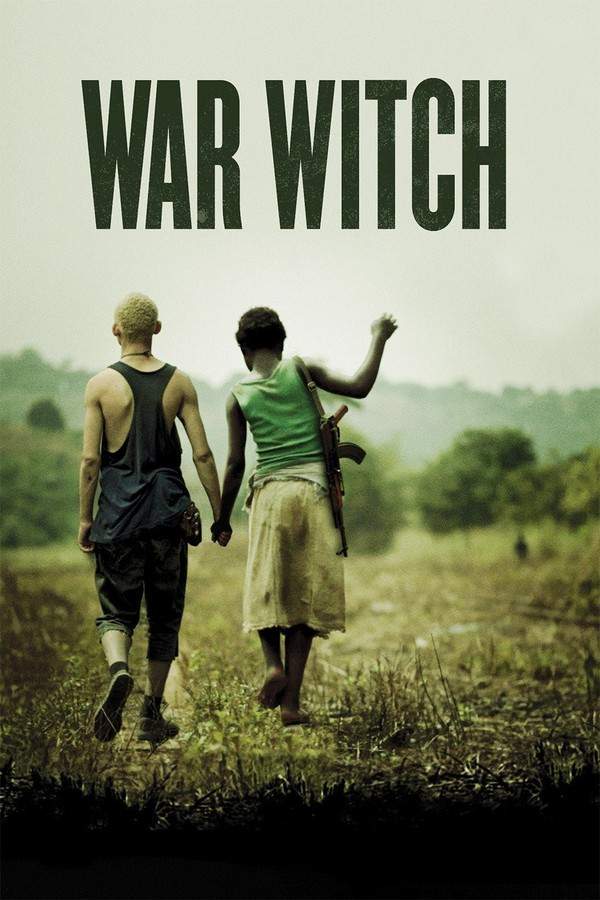
Bittersweet Survival Stories Like Red Cherry

Stories where enduring extreme hardship leaves characters permanently scarred but alive. If you liked the emotional journey of Red Cherry, explore other movies with bittersweet survival narratives. These films depict characters enduring immense hardship, where survival comes with profound loss and permanent emotional scars.

  • bleak
  • oppressive
  • harrowing
  • traumatic
  • desperate
  • sorrowful
  • Tone: dark, bittersweet, bleak
  • Pacing: steady, grim
Why these movies?

The story pattern: The narrative pattern involves protagonists facing a relentless series of traumatic events. They ultimately survive the physical ordeal, but the emotional and psychological toll is immense, resulting in an ending that acknowledges their endurance while emphasizing what was irrevocably lost.

Why they belong together: They share a specific emotional arc: a focus on the high cost of survival. The tone is dark and heavy, leading to a bittersweet conclusion where life continues, but innocence, relationships, or peace of mind have been destroyed.

If you liked this

Movies Like Red Cherry

Similar movies to Red Cherry: the same genre, themes or kind of story. Each one comes with its own plot summary, timeline and ending explained.

Browse all movie summaries

Every angle

Red Cherry (1995) Explained: Plot, Timeline & Characters

Everything about Red Cherry in one place: what happens in the plot summary, the timeline in chronological order, the characters and meaning and a spoiler-free summary. What's After the Movie adds the cast, box office and post-credit scenes.

Coming soon on iOS and Android

The Plot Explained Movie Summary App

Plot summaries, endings explained and timelines on your phone. Catch up on any movie in minutes, save your favorites and never miss a twist again.

Be the first to know when we launch. Your email stays private, always.

Learn more about the app