Plot Explained Spoilers guaranteed!
Plot Explained

Browse by genre

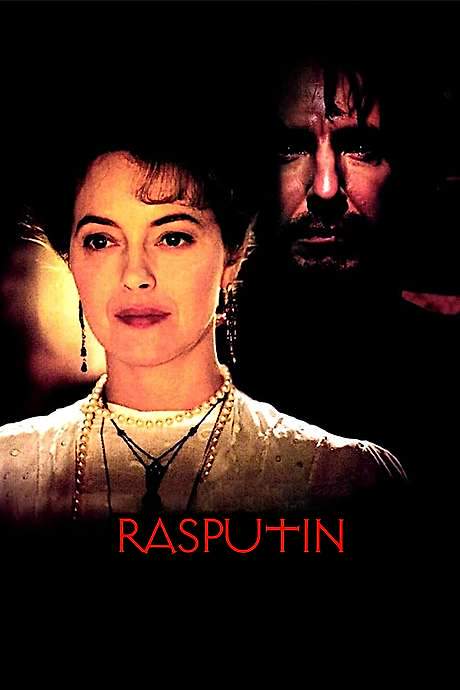
Rasputin: The Mad Monk (1966) movie poster

Plot Summary

Rasputin: The Mad Monk (1966) Plot Summary Explained

Release, runtime and language
1966 · 91 mins · English
Loading streaming availability…
Directed by
Don Sharp
Starring
Christopher Lee, John Bailey, Michael Ripper, Barbara Shelley, John Welsh, Bryan Marshall

Rasputin, a depraved monk, terrorizes an inn, cutting off a drinker's hand. Villagers plot revenge while he manipulates the women serving at the Tsar's palace, even seducing the Tsarina. As his power begins to dominate government policy, the people are forced to unite in a desperate effort to destroy him before his darkness consumes them all.

On this page (6)
  1. 1 Where to watch
  2. 2 What happens: full plot
  3. 3 Plot questions answered
  4. 4 Movie threads
  5. 5 Movies like Rasputin: The Mad Monk
  6. 6 Every angle
Loading streaming availability…

Full plot summary · contains spoilers

What Happens in Rasputin: The Mad Monk: Full Plot Summary

The whole story of Rasputin: The Mad Monk (1966) explained, from the opening scene to the final frame: every key event, every twist and what it all adds up to. Read it as a quick recap before the sequel, to check a scene you missed, or to finally understand what really happened.

Rasputin Christopher Lee stirs trouble from the very start in a rural scene where he heals the innkeeper Derek Francis's wife and, illicitly, seduces the innkeeper's daughter, Sonia Barbara Shelley. A desperate young man attempts to kill him, but Rasputin fights back, severing the would-be assassin’s hand and then pressing his seduction further as the girl screams. The inn becomes a battlefield of fear and awe as crowds surge in, but Rasputin slips away and seeks sanctuary in his monastery. The conflict introduces a figure whose charisma and appetite for power will pull nearly everyone into his orbit, leaving a shadow over those who briefly oppose him.

When Rasputin is hauled before an Orthodox bishop, The Bishop Joss Ackland for sexual immorality and violence, he faces a public moral reckoning. Rasputin defends himself with a provocative grin, arguing that his sexuality is part of a larger, divine schism—his claim that he accrues “sins worth forgiving” through his hands and healing power unsettles the bishop’s judgment as he remains unfazed by the accusation that his influence stems from darker forces. The exchange sharpens the sense that Rasputin’s charisma isn’t merely personal charm; it is a dangerous, almost hypnotic force that unsettles religious and secular authorities alike.

From there, Rasputin pushes north to Saint Petersburg, where he brazenly intrudes into the life of the Tsarina’s household and begins a campaign to shape royal affairs. He targets Dr Zargo Richard Pasco and, through a cunning blend of manipulation and insinuation, wins a foothold in the Tsarina’s trust. He also weaponizes Sonia Barbara Shelley again, guiding her to serve his ambitions and granting him access to the Tsarina herself, Tsarina Renée Asherson. Rasputin orchestrates a chilling plan: he uses Sonia to drive a staged accident that would injure the czar’s heir, Alexei Robert Duncan, so he could be summoned to heal the boy. The tactic succeeds, and Rasputin’s hold over the royal household grows even as suspicion and fear spread through court corridors. He follows up by hypnotizing the Tsarina to replace her trusted doctor with Zargo, a coup that foreshadows even darker ambitions.

Yet Rasputin’s rapid ascent sparks resistance, and his tactics become increasingly ruthless. His widening influence rattles many, and some fear that his wealth and prestige are pushing the monarchy toward peril. When Sonia realizes her role has shifted from seduction to manipulation, she strikes back, attempting to end Rasputin’s ploy by force. The monk answers with cruel precision, placing Sonia in a trance and urging her to destroy herself, a grim demonstration of how far his influence extends and how little he cares for those who challenge him.

The tragedy widens as Sonia’s brother, Peter [Dinsdale Landen], discovers his sister’s body—she has died by her own wrist. Enraged by what Rasputin has done to Sonia, Peter seeks a counterforce and enlists the help of Ivan [Francis Matthews], brother of Vanessa [Suzan Farmer], a beautiful handmaiden who has drawn Rasputin’s fascination and dangerous attention. Peter’s crusade against the monk becomes personal and brutal, and the pursuit leaves a trail of scars, including a hideous acid burn on Peter’s face that contributes to a lingering, painful death.

A final, treacherous trap unfolds as Ivan pretends to arrange a meeting with Sonia’s brother to lure Rasputin into a trap, hoping to expose the monk’s true danger to the crown. But Dr Zargo has prepared a hidden weapon of his own: poison. He targets Rasputin with wine and chocolates, certain that the poison will finish the monk. Rasputin overcomes the poison, and a brutal struggle ensues. Zargo is fatally stabbed by Rasputin, yet even in his last moments he clings to Rasputin’s leg and twists the fight. The fight ends with a fatal act of defiance as Ivan hurls Rasputin out of a window, sending the once-dreaded monk to his death and sealing a dramatic, tragic chapter in the court’s history.

The story moves with a measured, historical feel, tracing the allure and menace of a man who blends supposed healing gifts with merciless ambition. It is a tale about power—how it is gained, how it is used, and how it corrupts those who seek it or fall under its spell. At its core, it contrasts spiritual authority with political manipulation, exploring the risk and the cost of placing blind faith in charisma. The characters around Rasputin, from Sonia’s aching desire to Vanessa’s dangerous curiosity, from Peter’s quest for retributive justice to Zargo’s own dangerous calculations, are drawn with a steady, almost clinical clarity. The ending lands as a stark reminder that the pursuit of power can be spectacularly ruinous, leaving behind a court reshaped by fear, betrayal, and the memory of a monk who would not be denied.

Last updated: October 09, 2025 at 11:08

Was this helpful?

Plot questions answered

Rasputin: The Mad Monk Plot Explained: Your Questions Answered

The questions people ask most about Rasputin: The Mad Monk (1966): what happens in the confusing scenes, why the characters do what they do, the twists, hidden details and what the ending means. Each answer contains spoilers.

Q1

What does Rasputin mean by 'sins worth forgiving' when he heals with his hands?

Rasputin claims his healing power flows through his hands, but he argues that the sins he commits (his sexuality and violence) are necessary sacrifices that make his healing gifts more spiritually powerful. He tells the bishop that he must commit sins to accumulate the spiritual capital needed to forgive others, essentially positioning his depravity as a divine trade-off. This philosophical justification allows him to escape accountability for his actions while reinforcing his aura of supernatural authority.

Foreshadowing: Earlier at the inn, Rasputin uses his hands both to heal the innkeeper's wife and to sever a would-be assassin's hand, demonstrating this dual capability.

  • rasputin
  • healing
  • hands
  • sins
  • bishop
  • forgiveness
  • supernatural power
Q2

Why does Rasputin orchestrate an accident to injure the Tsar's heir Alexei?

Rasputin uses Sonia (a lady-in-waiting he previously seduced) to stage an accident that injures young Alexei. The purpose is calculated: by being the one who 'discovers' the injured heir and then heals him, Rasputin demonstrates his miraculous powers to the Tsarina, earning her trust and gratitude. This establishes him as indispensable to the royal family and gives him direct access to the Tsarina's inner circle. The injury is staged specifically so Rasputin can arrive as a savior.

Foreshadowing: Rasputin's manipulation of Sonia at the inn foreshadows his willingness to use women as pawns to reach power.

  • rasputin
  • alexei
  • accident
  • tsarina
  • manipulation
  • sonia
  • healing
Q3

How does Rasputin gain control over the Tsarina?

Rasputin employs a combination of psychological manipulation and hypnosis to control the Tsarina. After staging Alexei's accident and healing the boy, he becomes a trusted figure in the palace. He then hypnotizes the Tsarina directly, convincing her to dismiss her trusted royal physician and replace him with Dr. Zargo (a doctor Rasputin had previously manipulated). This置换 gives Rasputin indirect control over the royal family's medical care and increases his influence over court decisions.

Foreshadowing: Rasputin's earlier hypnosis of Sonia demonstrates his ability to place women in trance states and command their actions.

  • rasputin
  • tsarina
  • hypnosis
  • manipulation
  • dr zargo
  • control
  • palace
Q4

Why does Sonia kill herself after opposing Rasputin?

Sonia attempts to kill Rasputin to end his influence over the royal court. However, Rasputin retaliates by placing her in a deep trance and mentally commanding her to harm herself. Under his hypnotic control, Sonia takes her own life, making her death appear as suicide. This demonstrates Rasputin's complete psychological hold over his victims, he can not only manipulate them into serving him but also turn them against themselves when they resist.

Foreshadowing: Rasputin's earlier trance sessions with Sonia established his ability to control her actions and thoughts.

  • rasputin
  • sonia
  • suicide
  • hypnosis
  • trance
  • manipulation
  • death
Q5

What happens to Peter after he tries to kill Rasputin?

Peter, Sonia's brother, seeks revenge after learning Rasputin caused his sister's suicide. During his attempt to confront Rasputin, attackers throw acid in Peter's face, leaving him horribly disfigured. The acid causes a lingering, painful death, Peter endures suffering before eventually dying from his injuries. His failed attack demonstrates the danger of opposing Rasputin and adds a tragic dimension to the resistance against the monk.

Foreshadowing: The mounting opposition to Rasputin from Peter's group foreshadows the violent confrontations to come.

  • rasputin
  • peter
  • acid
  • revenge
  • disfigurement
  • death
  • sonia's brother
Q6

Why doesn't the poison kill Rasputin?

Dr. Zargo poisons wine and chocolates intended for Rasputin, using a slow-acting toxin he believes will fataly weaken the monk. However, Rasputin's constitution proves remarkably resistant, the poison weakens him but doesn't kill him. During the struggle that follows, Rasputin overpowers Zargo and stabs him to death. The exact reason for Rasputin's resistance isn't explicitly explained in the film, but it reinforces his supernatural or superhuman image as someone who cannot be easily killed by ordinary means.

Foreshadowing: Zargo's earlier replacement as royal physician positioned him to access Rasputin, setting up this betrayal attempt.

  • rasputin
  • poison
  • zargo
  • survival
  • resistance
  • stabbing
  • death
Q7

How does Ivan finally kill Rasputin?

Ivan orchestrates a staged meeting using Vanessa to lure Rasputin to Dr. Zargo's residence, where the poison attempt fails. In the aftermath, during a brutal confrontation, Ivan manages to throw Rasputin through a window, sending the monk to his death below. This final act ends Rasputin's reign of manipulation and violence, though it comes after multiple failed attempts and significant loss of life among those who opposed him.

Foreshadowing: The buildup of opposition from Peter, Ivan, and others culminates in this final confrontation.

  • rasputin
  • ivan
  • thrown
  • window
  • death
  • final confrontation
  • poison
Q8

Why do the villagers and palace insiders want to destroy Rasputin?

Multiple groups unite against Rasputin for different reasons: villagers witnessed his violence and sexual predation at the inn; palace courtiers fear his growing wealth and control threaten the monarchy's stability; and individuals like Peter seek personal revenge for Sonia's death. Rasputin's manipulation of the Tsarina, his orchestration of Alexei's injury, and his hypnotic control over women create both political danger and personal tragedies. His relentless pursuit of power alienates all who might oppose him, forcing a desperate coalition to eliminate him before his influence destroys the Russian monarchy.

Foreshadowing: The inn scene establishes Rasputin as a figure who leaves destruction in his wake wherever he goes.

  • rasputin
  • opposition
  • revenge
  • villagers
  • palace
  • conspiracy
  • power
Q9

What happens when Rasputin faces the Orthodox bishop?

Rasputin is brought before an Orthodox bishop to answer accusations of sexual immorality and violence, specifically related to his actions at the inn. Rather than showing remorse, Rasputin defends himself with a provocative grin, arguing that his sins are spiritually necessary for his healing abilities. He claims his hands channel divine power despite his transgressions. The bishop, unsettled by Rasputin's hypnotic confidence and the crowd's divided reaction, fails to condemn him, allowing Rasputin to continue his influence unchecked.

Foreshadowing: The bishop's failure to stop Rasputin sets the stage for his unchecked ascent to power in Saint Petersburg.

  • rasputin
  • bishop
  • trial
  • accusations
  • sin
  • healing
  • church
Q10

What role does Vanessa play in the plot against Rasputin?

Vanessa is a handmaiden who attracts Rasputin's dangerous fascination. Ivan, her brother, uses her as bait to lure Rasputin into the poisoned trap at Zargo's residence. The staged meeting between Vanessa and Rasputin is designed to position the monk for the assassination attempt. Vanessa's role illustrates how Rasputin's predatory behavior toward women continues in the palace and how his enemies exploit his desires to set traps for him.

Foreshadowing: Rasputin's pattern of targeting vulnerable women from Sonia to Vanessa shows his consistent method of manipulation.

  • rasputin
  • vanessa
  • ivan
  • trap
  • poison
  • manipulation
  • handmaiden

Movie threads

More Movies Like Rasputin: The Mad Monk, by Mood & Story

Curated lists built around what makes Rasputin: The Mad Monk tick: the same mood, the same kind of story or the same emotional payoff. Each list explains why these movies belong together.

Movies about a corrupting influence's rise and fall like Rasputin: The Mad Monk

Stories of a charismatic but toxic figure's ascent to power and inevitable destruction. If you enjoyed the story of Rasputin's manipulative ascent and costly downfall, you'll find similar thrillers and dramas here. These movies feature charismatic but dangerous figures who gain power, the destruction they cause, and the bittersweet victory of their eventual defeat.

  • menacing
  • corrupting
  • tragic
  • vengeful
  • grim
  • manipulative
  • Tone: dark, tragic
  • Pacing: steady, methodical
Why these movies?

The story pattern: The narrative typically begins with the introduction of a compelling but flawed character who uses their charm or cunning to amass power. As their influence grows, their darker nature emerges, corrupting systems and harming those around them. The story builds towards a confrontation where those they've wronged must unite, leading to a downfall that feels necessary but is rarely a clean victory.

Why they belong together: These films are grouped by their shared focus on a central, corrupting figure and the classic tragic arc of ambition, corruption, and retribution. They explore the psychological dynamics of manipulation and the heavy emotional toll of confronting a powerful, entrenched villain.

Menacing historical horror movies like Rasputin: The Mad Monk

Period pieces where a hypnotic, evil presence creates an atmosphere of dread. Fans of the oppressive atmosphere and hypnotic villain in Rasputin: The Mad Monk will appreciate these similar films. Discover historical horror stories centered on a terrifyingly charismatic force whose evil influence creates a slow-building sense of dread and inevitable tragedy.

  • menacing
  • hypnotic
  • oppressive
  • historical
  • chilling
  • corrupting
  • Tone: dark, oppressive, chilling
  • Pacing: steady, slow burn
Why these movies?

The story pattern: Stories in this thread use a historical setting to ground a horror narrative driven by a villain with unsettling charisma. The plot often involves this figure insidiously gaining control through fear, seduction, or supposed mystical power. The horror is psychological and atmospheric, focusing on the gradual corruption of a society or individual by this dominant, evil presence.

Why they belong together: These movies share a specific blend of historical drama and psychological horror, unified by a central, hypnotic antagonist. The similarity comes from the oppressive mood, the steady pacing of corruption, and the high-intensity dread generated by the villain's menacing influence.

If you liked this

Movies Like Rasputin: The Mad Monk

Similar movies to Rasputin: The Mad Monk: the same genre, themes or kind of story. Each one comes with its own plot summary, timeline and ending explained.

Browse all movie summaries

Every angle

Rasputin: The Mad Monk (1966) Explained: Plot, Timeline & Characters

Everything about Rasputin: The Mad Monk in one place: what happens in the plot summary, the timeline in chronological order, the characters and meaning and a spoiler-free summary. What's After the Movie adds the cast, box office and post-credit scenes.

Coming soon on iOS and Android

The Plot Explained Movie Summary App

Plot summaries, endings explained and timelines on your phone. Catch up on any movie in minutes, save your favorites and never miss a twist again.

Be the first to know when we launch. Your email stays private, always.

Learn more about the app