Plot Explained Spoilers guaranteed!
Plot Explained

Browse by genre

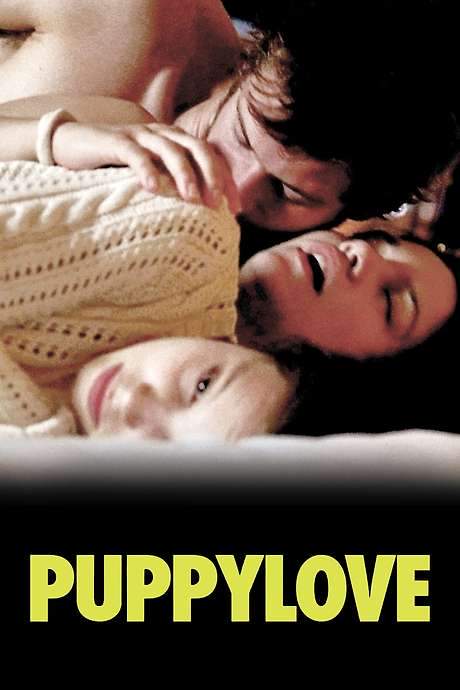
Puppylove (2013) movie poster

Characters & Themes

Puppylove (2013) Characters, Setting & Themes Explained

Release, runtime and language
2013 · 90 mins · French
Loading streaming availability…
Directed by
Delphine Lehericey
Starring
Vincent Perez, Joel Basman, Thomas Coumans, Eric da Costa, Valérie Bodson, Solène Rigot

A spirited young girl forms a close friendship with a teenage boy, and together they navigate a transition away from childhood. Their journey leads them into a world of nightclubs and encounters with unfamiliar adults, exploring themes of independence and the complexities of growing up.

On this page (7)
  1. 1 Where to watch
  2. 2 Characters explained (6)
  3. 3 Where & when it takes place
  4. 4 Themes & meaning (4)
  5. 5 Character & meaning questions
  6. 6 Movie threads
  7. 7 Every angle
Loading streaming availability…

6 main characters · contains spoilers

Puppylove Characters Explained: Who Is Who

The main characters of Puppylove (2013), heroes and villains: what drives them, how they change over the course of the story and what each of them reveals about the film's bigger ideas.

  • Diane (Solène Rigot)

    A 14-year-old girl at the center of the story, Diane is curious and eager to explore her sexuality while navigating confusion and fear. She shows resilience while testing boundaries with friends and adults, and her reactions reveal a longing for connection and understanding. Her perspective anchors the film’s exploration of adolescence and family worries.

    • 🎒 Teen
    • 🧭 Self-discovery
    • 👧 Adolescence
  • Christian (Vincent Perez)

    Diane’s father, whose permissive and complicated behavior creates a volatile home environment. He appears captivated by adult experiences and is not always mindful of the impact on his daughter. His actions contribute to family tension and challenge Diane’s sense of safety and trust.

    • 👨‍👧 Parent
    • 🕯️ Flawed
    • 🧠 Complex
  • Julia (Audrey Bastien)

    Diane’s neighbor who becomes a catalyst for experimentation. She is confident and alluring, yet her decisions push boundaries and influence Diane’s choices. Her presence intensifies the tension between friendship, desire, and independence.

    • 💃 Seductive
    • 👭 Influence
    • 🧭 Independent
  • Antoine (Théo Gladsteen)

    Diane’s friend who initiates the initial romantic moment; their encounter is awkward and uncertain, highlighting the uncertain line between attraction and hesitation. He demonstrates the awkwardness and fragility of first experiences.

    • 🧒 Peer
    • 🫶 Awkwardness
    • 💬 First encounter
  • Paul (Joel Basman)

    A local man involved in later sexual encounters; his presence introduces new dynamics and power at a moment of vulnerability for Diane and Julia. He embodies the adult element in a scene that tests boundaries and consent.

    • 👤 Stranger
    • 🔞 Explicit encounter
    • 🗺️ Risk
  • Marc (Vadim Goldberg)

    Diane’s younger brother who appears in the background of family life; his presence underscores the domestic setting and the consequences of adult actions on children.

    • 👶 Sibling
    • 🏠 Family
    • 🕊️ Innocence

Last updated: October 01, 2025 at 09:58

Was this helpful?

Setting

Where and When Does Puppylove Take Place?

The setting of Puppylove (2013): the year and time period, the places and locations, and how they shape the characters, the mood and the tension of the story.

Time period

Contemporary

The events occur in a modern-day setting, rooted in everyday life within a European community. The narrative relies on familiar spaces—home, school, and social scenes—to chart a young girl’s sexual awakening and the complexities of adult behavior. The tone is immediacy-driven, focusing on present-day concerns and relationships.

Location

Diane's home, Antoine's house, Julia's house, school, football field, car, party venue, vacation trip location, club

The story unfolds across a close-knit European neighborhood, moving between the family home, neighbors' houses, and shared social spaces. It shifts from quiet interiors to social venues like parties and clubs, highlighting how private life collides with public moments. The locations serve as intimate stages for exploring adolescence, sexuality, and family tensions.

  • 🏠 Domestic spaces
  • 🏫 School and local community
  • 🚗 Public and private settings

Last updated: October 01, 2025 at 09:58

Was this helpful?

4 major themes

Puppylove Meaning: Themes & Message Explained

What is Puppylove (2013) really about? The emotional, social and philosophical themes the film keeps returning to, its symbolism and the message beneath the surface.

  • Coming of age

    Diane’s sexual curiosity and search for autonomy drive the core of the story. The narrative follows her attempts to understand desire, boundaries, and identity as she navigates intimate encounters and peer influence. The film juxtaposes a fragile, hopeful longing with the messy realities of growing up. It invites reflection on how adolescence shapes self-perception and future choices.

  • Consent and boundaries

    The film foregrounds questions of consent, power, and personal limits as Diane experiments with relationships. Scenes reveal how boundaries are negotiated, ignored, or misread by peers and adults alike. The portrayal refuses simple answers, highlighting discomfort, miscommunication, and the consequences of problematic behavior. Viewers are invited to consider how consent is learned and enforced in real life.

  • Family dynamics

    Christian’s behavior exposes tensions between parental permissiveness and responsibility. Diane’s perception of safety and trust at home is tested by her father’s actions and the presence of adults who blur ethical lines. The narrative uses family scenes to examine how adult choices ripple through a child’s life. It questions whether love and care can coexist with morally risky behavior.

  • Sexual politics

    Power, gender, and agency intersect as Julia, Antoine, and Paul influence Diane’s experiences. The film interrogates how attraction and social dynamics shape decisions, sometimes blurring lines between friendship and manipulation. It challenges traditional gender roles and the gaze of older partners. The result is a layered look at how sexuality operates within peer groups and families.

Last updated: October 01, 2025 at 09:58

Was this helpful?

Character & theme questions

Puppylove Characters & Meaning: Your Questions Answered

The questions people ask about Puppylove (2013): who the characters really are, their relationships, what the symbols mean, where it takes place and what the movie is really about. Each answer contains spoilers.

Q1

Where is Puppylove set?

The story takes place in a close-knit European neighborhood, primarily centered around Diane's family home, her neighbor Julia's house, and shared community spaces like the school and football field. The narrative moves between domestic interiors and social venues like parties and clubs, using these settings to explore how private adolescent life collides with public moments of discovery and tension.

  • european neighborhood
  • setting
  • domestic spaces
  • school
  • party venue
  • club
Q2

What time period does Puppylove take place in?

The film is set in contemporary, modern-day Europe. The narrative relies on familiar, everyday spaces, home, school, and social scenes, to ground its story of a young girl's sexual awakening. The immediacy-driven tone focuses on present-day concerns and relationships without anchoring to any specific historical era.

  • contemporary
  • modern day
  • time period
  • present day
Q3

What is the coming of age theme in Puppylove?

The film's central theme revolves around Diane's sexual curiosity and search for autonomy. As a 14-year-old, she attempts to understand desire, boundaries, and identity through intimate encounters and peer influence. The narrative juxtaposes fragile, hopeful longing with the messy realities of growing up, exploring how adolescence shapes self-perception and future choices.

  • coming of age
  • adolescence
  • sexual curiosity
  • autonomy
  • identity
  • boundaries
Q5

How does Puppylove portray family dynamics?

Christian's permissive and complicated behavior creates a volatile home environment that tests Diane's sense of safety and trust. The film examines how adult choices ripple through a child's life, particularly through scenes involving Diane's father. It questions whether love and care can coexist with morally risky behavior, exploring the tension between parental permissiveness and responsibility.

  • family dynamics
  • parenting
  • father daughter
  • trust
  • permissiveness
  • adult choices
Q6

What role do power and gender dynamics play in Puppylove?

The film interrogates how attraction and social dynamics shape decisions, often blurring lines between friendship and manipulation. Characters like Julia, Antoine, and Paul influence Diane's experiences in ways that intersect with power, gender, and agency. The narrative challenges traditional gender roles and the gaze of older partners, offering a layered look at how sexuality operates within peer groups and families.

  • sexual politics
  • power dynamics
  • gender roles
  • manipulation
  • peer pressure
  • relationships
Q7

Who is Diane in Puppylove?

Diane is a 14-year-old girl at the center of the story, portrayed by Solène Rigot. She is curious and eager to explore her sexuality while navigating confusion and fear. Her reactions reveal a longing for connection and understanding, and her perspective anchors the film's exploration of adolescence and family worries. She demonstrates resilience while testing boundaries with both friends and adults.

  • diane
  • protagonist
  • teenager
  • adolescent
  • main character
Q8

Who is Christian in Puppylove?

Christian is Diane's father, played by Vincent Perez. His permissive and complicated behavior creates a volatile home environment. He appears captivated by adult experiences and is not always mindful of the impact on his daughter. His actions contribute to family tension and challenge Diane's sense of safety and trust, representing the adult world's problematic influence on the adolescent experience.

  • christian
  • father
  • parent
  • family
  • adult character
Q9

Who is Julia in Puppylove?

Julia is Diane's neighbor, played by Audrey Bastien, who becomes a catalyst for experimentation. She is confident and alluring, yet her decisions push boundaries and influence Diane's choices. Her presence intensifies the tension between friendship, desire, and independence, representing the peer influence that shapes adolescent decision-making.

  • julia
  • neighbor
  • friend
  • peer influence
  • catalyst
Q10

How does Puppylove depict the adult world?

The film shows Diane and her friends moving from quiet domestic spaces into nightclubs and encounters with unfamiliar adults. This transition represents their navigation away from childhood into a world where adult behavior, including its moral complexities and ethical ambiguities, becomes directly accessible. The story explores how exposure to adult experiences, power dynamics, and questionable decisions shapes the protagonists' development.

  • adult world
  • nightlife
  • transition
  • growing up
  • parties
  • clubs

Movie threads

More Movies Like Puppylove, by Mood & Story

Curated lists built around what makes Puppylove tick: the same mood, the same kind of story or the same emotional payoff. Each list explains why these movies belong together.

Movies with raw adolescent awakenings like Puppylove

Unflinching stories of teenagers navigating sexuality and dysfunction without guardrails. Discover movies like Puppylove that explore the uncomfortable side of growing up. This collection features coming-of-age stories where teenage characters navigate sexual awakening and family dysfunction in a raw, unflinching manner, often leading to a heavy emotional impact and ambiguous resolutions.

  • raw
  • uncomfortable
  • voyeuristic
  • rebellious
  • disorienting
  • confrontational
  • Tone: dark, raw, uncomfortable
  • Pacing: steady, observational
Why these movies?

The story pattern: Narratives in this thread follow young protagonists, often girls, as they are thrust into adult situations due to parental neglect or a dysfunctional environment. The journey involves a loss of innocence that is neither romanticized nor cathartic, but rather depicted as a raw and confusing confrontation with complex, inappropriate dynamics, typically leading to an emotionally heavy and ambiguous outcome.

Why they belong together: Movies are grouped here for their shared commitment to portraying adolescent turmoil with unvarnished honesty. They share a dark tone, a steady, observational pacing that builds discomfort, and a thematic focus on the psychological impact of premature exposure to adult worlds and betrayals.
Films about moral decay and blurred boundaries like Puppylove

Character-driven stories where blurred boundaries lead to a loss of innocence. If you liked the disorienting exploration of inappropriate dynamics in Puppylove, these movies explore similar themes. They feature characters navigating worlds where adult-child boundaries are violated, resulting in a heavy, thoughtful drama with a steady pace and a pervasive sense of unease.

  • disorienting
  • voyeuristic
  • uncomfortable
  • contemplative
  • uneasy
  • psychological
  • Tone: dark, disorienting, contemplative
  • Pacing: steady, methodical build
Why these movies?

The story pattern: The narrative pattern involves a young person's world being invaded by the complexities and transgressions of the adults around them. The story is character-driven, building steadily from a place of relative normalcy to a climax involving a profound betrayal or boundary violation. The journey is less about external action and more about the internal psychological disorientation of the protagonist.

Why they belong together: These films are connected by their shared mood of disorientation and their thematic focus on the collapse of safe boundaries. They consistently employ a steady pacing to methodically build tension and feature a dark, emotionally heavy tone that forces the audience to sit with uncomfortable truths about human relationships.

Every angle

Puppylove (2013) Explained: Plot, Timeline & Characters

Everything about Puppylove in one place: what happens in the plot summary, the timeline in chronological order, the characters and meaning and a spoiler-free summary. What's After the Movie adds the cast, box office and post-credit scenes.

Coming soon on iOS and Android

The Plot Explained Movie Summary App

Plot summaries, endings explained and timelines on your phone. Catch up on any movie in minutes, save your favorites and never miss a twist again.

Be the first to know when we launch. Your email stays private, always.

Learn more about the app