












Plot Explained Spoilers guaranteed!
Plot Explained

Browse by genre

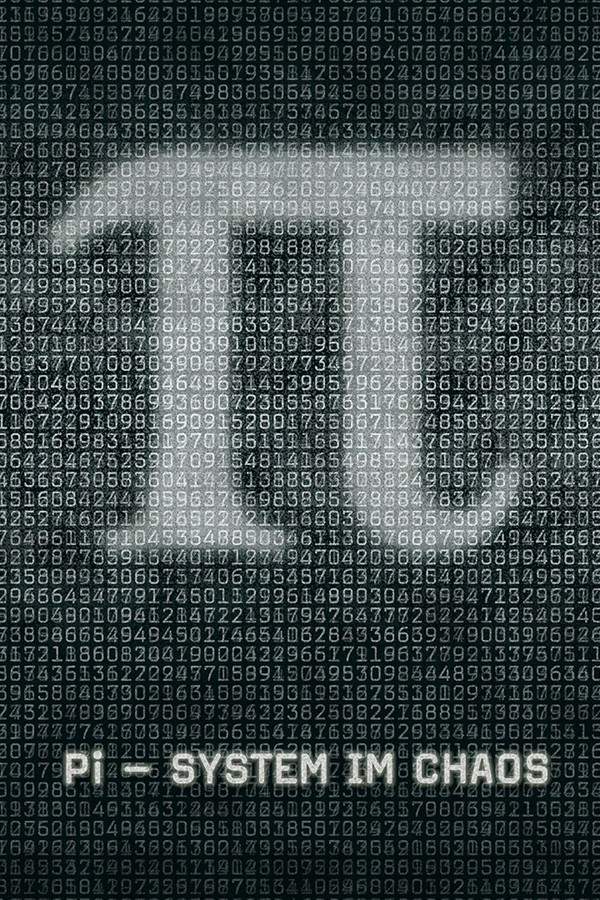
Pi (1998) movie poster

Timeline

Pi (1998) Timeline Explained – Every Event in Order

Release, runtime and language
1998 · 84 min · English
JustWatch #1,820 16
Directed by
Darren Aronofsky
Starring
Mark Margolis, Sean Gullette

A gifted mathematician becomes increasingly obsessed with uncovering the digits of Pi, believing they hold the key to understanding the universe. His relentless pursuit leads him down a dangerous path, blurring the lines between reality and delusion as he grapples with complex equations and unsettling discoveries. The search becomes an all-consuming quest that threatens his sanity and the world around him.

On this page (6)
  1. 1 Where to watch
  2. 2 Events in order (15)
  3. 3 Timeline questions answered
  4. 4 Movie threads
  5. 5 Movies like Pi
  6. 6 Every angle

Where to watch

Where to Watch Pi (1998)

Where can you watch Pi? Stream, rent or buy it in the US, including on Amazon Prime Video, Hoopla and Kanopy: current JustWatch availability with up-to-date prices.

Streaming availability powered by JustWatch

15 events in order · contains spoilers

Pi Timeline: Events in Chronological Order

Every key event of Pi (1998) in order, scene by scene, with when and where it takes place. Use it to untangle flashbacks, time jumps and parallel storylines, to refresh your memory before the sequel or to find the exact scene you are thinking of.

  1. Childhood Trauma

    Max recalls a traumatic childhood event where he defied his mother's warning and stared directly at the sun. This reckless act led to lasting damage to his eyes, eventually causing him severe headaches that haunt him into adulthood.

  2. Isolation in Chinatown

    Now an adult, Max is isolated in his cramped New York City apartment located in Chinatown. He spends his days obsessively working on predicting stock market patterns with his homemade supercomputer, Euclid.

    Where
    Chinatown, New York City
  3. The Crash of Euclid

    While working late one night, Euclid crashes, producing a seemingly random 216-digit number just before it fails. Max is dismayed and discards the printout without realizing its future significance.

  4. Unexpected Accuracy

    The next morning, Max discovers that the stock predictions he created prior to Euclid’s crash were astonishingly accurate. This realization drives him to search for the discarded printout in trash bins around the park, but he finds nothing.

    Where
    Park
  5. Meeting Jenna

    Despite his isolation, Max develops a brief connection with Jenna, a curious young girl fascinated by his mathematical genius. Their interactions offer him a fleeting glimpse of human connection amidst his troubled existence.

  6. Reconnecting with Sol

    Max visits Sol Robeson, his former mathematics professor, who warns him against the dangers of pursuing the 216-digit number. Sol's concern hints at a dark history connected to the number that intrigues Max more than it frightens him.

  7. Introduction to Gematria

    During a chance encounter at a coffee shop, Max meets Lenny Meyer, who introduces him to Gematria—an intriguing concept that correlates Hebrew letters with numerical values. This connection opens Max's mind to the idea that the Torah encodes profound messages in numbers.

    Where
    Coffee Shop
  8. Corporate Interest

    Shadowy figures from a Wall Street firm, led by Marcy Dawson, take notice of Max's research. She presents him with an enticing offer involving a high-performance computer chip, pressing him to commercialize his findings.

  9. Overwhelmed by Visions

    After accepting the computer chip, Max becomes overwhelmed by intense migraine headaches and surreal visions of stock market patterns. The pressure mounts as he struggles to balance his sanity with his ambitions.

  10. Betrayal by Lenny

    Max’s life takes a dangerous turn when Lenny, who initially seemed like an ally, forcibly tries to extract the secrets of the number from him. This betrayal culminates in an intense confrontation that leaves Max unconscious.

  11. Visions of Messianic Age

    Upon awakening, Max is introduced to Rabbi Cohen, who reveals that the 216-digit number may signify the onset of a new messianic age. Max's determination to keep the knowledge for himself leads to internal conflict.

  12. Sol's Death and Insights

    Following the tragic news of Sol's passing, Max is driven to uncover the professor's final insights. He discovers scribbles that connect with his own calculations, further deepening his obsession with the number.

  13. Descent into Madness

    Caught in a web of paranoia and pain, Max begins self-destructive behavior, believing his physical torment is linked to his obsession with the 216-digit number. His desperate attempts to find relief lead him to drastic measures.

  14. Burning the Number

    In a final act of despair and madness, Max burns the paper containing the significant number. This act represents both a release and a surrender to the chaos that has consumed him over time.

  15. Finding Peace

    In a poignant conclusion, Max sits peacefully on a park bench after an encounter with Jenna, who innocently asks him mathematical questions. Embracing the simplicity of existence, he smiles and admits he no longer knows the answers, suggesting a newfound tranquility.

    Where
    Park

Last updated: November 04, 2024 at 01:04

Was this helpful?

Timeline questions answered

Pi Timeline Explained: Your Questions Answered

When does it happen, and why in that order? The questions people ask about the chronology of Pi (1998): time jumps, flashbacks, cause and effect between scenes and the correct order of events, each answered with spoilers.

Q1

Why does Max stare at the sun as a child and what are the consequences?

Max defies his mother's warning and tries to stare directly at the sun, driven by his childhood curiosity to understand the universe through direct observation. The act causes permanent damage to his eyes, and although they heal physically, the damage results in severe migraines that plague him throughout his adult life, contributing to his mental instability and paranoia.

Foreshadowing: The film opens with this trauma, establishing Max's pattern of seeking knowledge through extreme and dangerous methods.

  • childhood trauma
  • migraines
  • eye damage
  • obsession
  • curiosity
Q2

What is the significance of the 216-digit number that Euclid produces?

The 216-digit number appears to be a mathematical key that accurately predicts stock market patterns, which is why Wall Street interests and religious scholars both pursue it. The number emerges from Euclid's calculations right before the computer crashes, and its accuracy confirms Max's theory that numerical patterns govern both financial systems and natural phenomena.

Foreshadowing: Sol Robeson's nervous reaction when Max mentions the number hints at its deeper significance.

  • 216-digit number
  • stock market
  • Euclid
  • prediction
  • gematria
Q3

Why does Sol Robeson warn Max about pursuing the 216-digit number?

Sol previously studied Pi extensively and encountered the same 216-digit number years earlier. His warning stems from direct experience with its dangers, his own research led to the loss of his career and mobility. Sol knows that the pursuit of the number's meaning can destroy a person's mind, which is exactly what happens to Max as his obsession deepens.

  • Sol Robeson
  • warning
  • mentor
  • Pi
  • mathematics research
Q4

Why does Max burn the paper containing the number?

Max burns the number in a desperate act of release from his obsession. By this point, he connects his devastating migraines and mental deterioration directly to the number, believing that destroying it will end his suffering. The burning represents his attempt to free himself from the all-consuming quest that has taken over his sanity and life.

Foreshadowing: Max's earlier decision to search through trash bins for the discarded printout shows his inability to let go, making the burning a dramatic reversal of that compulsion.

  • burning paper
  • release
  • obsession
  • migraines
  • desperation
Q5

Why does Max perform trepanation on himself?

Max trepanates himself in a final attempt to relieve the unbearable migraines that he believes are caused by his obsessive connection to the number. Driven to madness and desperate for relief from both physical pain and psychological torment, he sees drilling into his own skull as the only way to release whatever force is causing his suffering. This act represents the tragic culmination of his deterioration.

  • trepanation
  • self-harm
  • migraines
  • brain surgery
  • desperation
Q6

Why does Lenny Meyer turn against Max and try to take the number?

Lenny initially appears to be an ally who shares Max's interest in numerical patterns through Gematria, but he ultimately prioritizes religious objectives over their friendship. Lenny wants the number because he believes it could unlock secrets of the Torah and potentially bring about the messianic age. His betrayal shows that the number's value attracts conflicting interests from both secular and religious parties.

  • Lenny Meyer
  • betrayal
  • Gematria
  • Torah
  • messianic age
Q7

How does Max find peace at the end of the film?

After destroying the number and suffering brain damage from self-trepanation, Max experiences a transformation. When Jenna approaches him in the park and asks simple mathematical questions, Max realizes he no longer needs to know everything. By accepting uncertainty and embracing simplicity, he achieves tranquility, choosing human connection and present awareness over his previous obsessive quest for mathematical answers.

  • peace
  • acceptance
  • Jenna
  • simplicity
  • tranquility
Q8

What is Gematria and how does it connect to the story?

Gematria is a Jewish numerical system where Hebrew letters correspond to numbers. Lenny Meyer uses it to find hidden messages in the Torah, and this connects to Max's work because the 216-digit number overlaps with both stock market patterns and Torah numerology. The film suggests that the same number could theoretically unlock patterns in finance, nature, and scripture, unifying different systems through mathematics.

  • gematria
  • Torah
  • Hebrew letters
  • numerology
  • Lenny Meyer
Q9

Why are Max's stock market predictions accurate before Euclid crashes?

Max uses Euclid to analyze market patterns through complex mathematical algorithms, and the predictions made prior to the crash prove remarkably accurate. This success validates Max's belief that numerical patterns govern financial systems, reinforcing his conviction that the universe operates on mathematical principles. The accuracy also attracts the attention of Wall Street interests who want to exploit his findings.

  • stock market
  • predictions
  • Euclid
  • algorithm
  • accuracy
Q10

Why does Marcy Dawson want Max's research?

Marcy Dawson represents corporate interests from a Wall Street firm that wants to commercialize Max's mathematical discoveries. She offers him the powerful Ming Mecca computer chip to incentivize cooperation, recognizing that his predictive abilities could be worth enormous financial value. When Max refuses, she resorts to more aggressive tactics, showing that powerful entities will pursue numerical knowledge for profit.

  • Marcy Dawson
  • Wall Street
  • corporate
  • chip
  • commercialization
Q11

Why does Rabbi Cohen say the number could signal a messianic age?

Rabbi Cohen explains that the 216-digit number, when analyzed through Kabbalistic numerology, could represent a sacred code embedded in the Torah. In Jewish mysticism, certain numerical sequences are believed to contain divine messages about the coming of a new messianic era. This religious interpretation adds another layer of stakes to the number, it's not just mathematically or financially valuable, but potentially spiritually significant.

  • Rabbi Cohen
  • Kabbalah
  • messianic age
  • Torah
  • divine number
Q12

Why do Max's migraines intensify throughout the film?

Max's headaches worsen as his obsession with the number deepens. After he uses the Ming Mecca chip, the visions and migraines become overwhelming, and he develops a visible vein-like protrusion on his temple. The film suggests a psychological link between his mental state and physical symptoms, his mind cannot handle the mathematical revelations he pursues, and his body manifests the strain of his obsessive research.

  • migraines
  • headaches
  • vein
  • chip
  • mental breakdown

Movie threads

More Movies Like Pi, by Mood & Story

Curated lists built around what makes Pi tick: the same mood, the same kind of story or the same emotional payoff. Each list explains why these movies belong together.

Obsessive Genius Movies like Pi

Brilliant minds collapse under the weight of a single, all-consuming obsession. Explore a collection of movies like Pi, featuring brilliant protagonists whose search for a transcendent truth leads to psychological collapse. These films delve into the dark side of obsession, exploring the fine line between genius and madness in a tense, cerebral style.

  • obsessive
  • paranoid
  • cerebral
  • unhinged
  • claustrophobic
  • disturbing
  • Tone: dark, paranoid, cerebral
  • Pacing: steady, driving
Why these movies?

The story pattern: The narrative follows a character of exceptional intellect who becomes consumed by a quest for an ultimate answer. Their pursuit is marked by increasing isolation, physical and mental distress, and a growing unreliability of perception, often culminating in a tragic or bittersweet resolution where knowledge comes at a great personal cost.

Why they belong together: Movies in this thread share a core focus on the psychological unraveling of a brilliant mind. They create a claustrophobic, high-intensity atmosphere through a steady pacing that mirrors the protagonist's deepening obsession, blending cerebral themes with a dark, emotionally heavy tone.
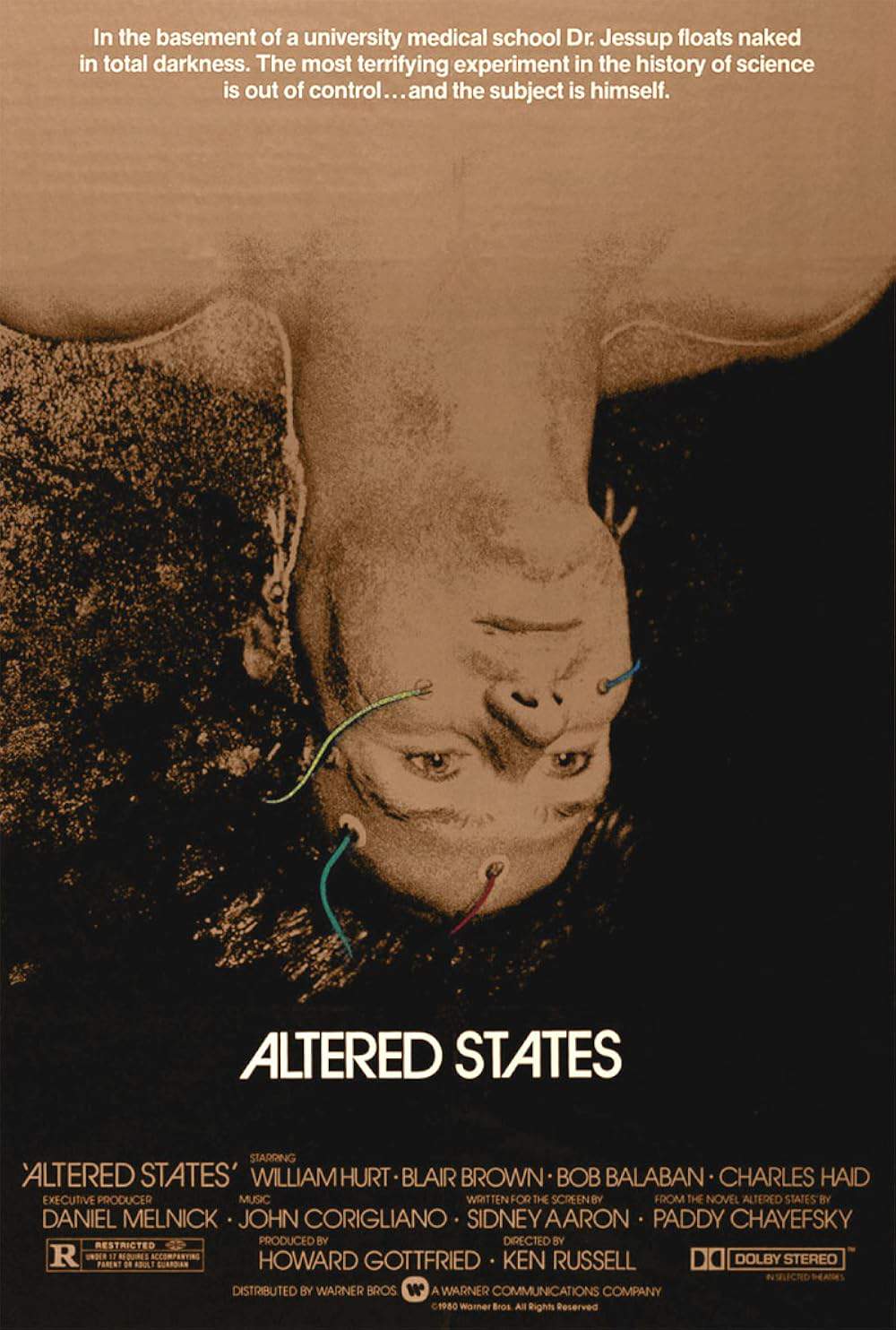
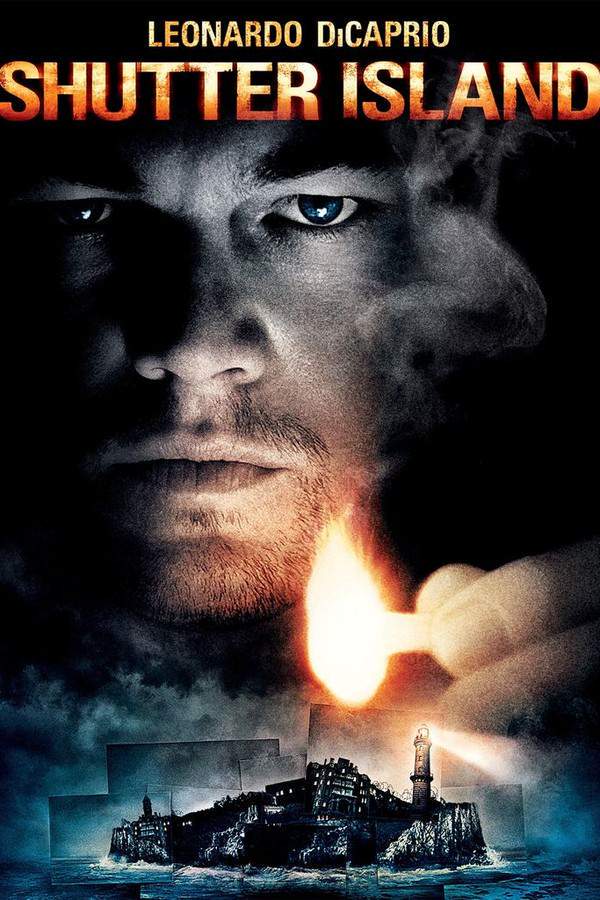
Claustrophobic Psychological Thrillers similar to Pi

High-tension stories where the primary conflict unfolds within a collapsing mind. If you liked the tense, claustrophobic feel of Pi, this list features similar movies where the drama is intensely psychological. These stories generate high stress from within a character's unraveling perception, creating an oppressive and anxious viewing experience.

  • claustrophobic
  • oppressive
  • anxious
  • paranoid
  • hallucinatory
  • disturbing
  • Tone: dark, tense, oppressive
  • Pacing: steady, relentless
Why these movies?

The story pattern: The plot is secondary to the immersive experience of a character's psychological state. The narrative structure often mimics a descent, using visual and auditory techniques to create a sense of entrapment and escalating unease, where the protagonist's internal world becomes the main source of conflict.

Why they belong together: This thread groups films based on a shared visceral experience: a high-intensity, claustrophobic mood built from a character's internal crisis. The similarity lies in the oppressive atmosphere, steady pacing of dread, and focus on psychological unraveling over external action.

If you liked this

Movies Like Pi

Similar movies to Pi: the same genre, themes or kind of story. Each one comes with its own plot summary, timeline and ending explained.

Browse all movie summaries

Every angle

Pi (1998) Explained: Plot, Timeline & Characters

Everything about Pi in one place: what happens in the plot summary, the timeline in chronological order, the characters and meaning and a spoiler-free summary. What's After the Movie adds the cast, box office and post-credit scenes.

Coming soon on iOS and Android

The Plot Explained Movie Summary App

Plot summaries, endings explained and timelines on your phone. Catch up on any movie in minutes, save your favorites and never miss a twist again.

Be the first to know when we launch. Your email stays private, always.

Learn more about the app