








Plot Explained Spoilers guaranteed!
Plot Explained

Browse by genre

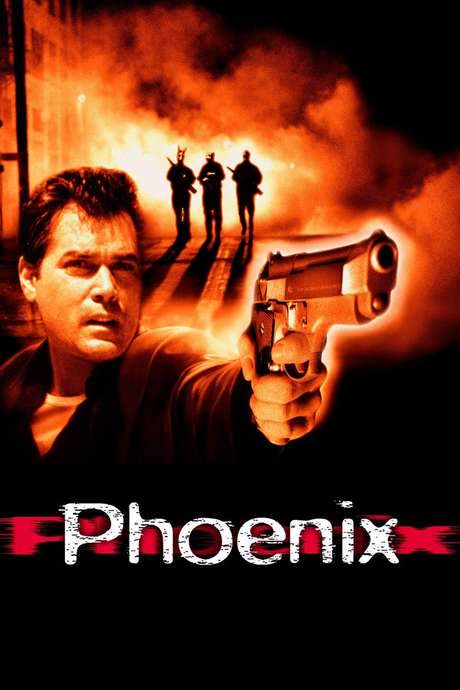
Phoenix (1998) movie poster

Timeline

Phoenix (1998) Timeline Explained – Every Event in Order

Release, runtime and language
1998 · 107 mins · English
JustWatch #11,889 11
Directed by
Danny Cannon
Starring
Anjelica Huston, Jeremy Piven, Giovanni Ribisi, Anthony LaPaglia, Al Sapienza, Ray Liotta

In a sweltering desert town where the scorching heat can be lethal, a frenzy of gambling spikes when a ruthless bookie draws three corrupt police officers into a treacherous double‑cross. Their scheme quickly spirals out of control, plunging them into danger far beyond what they imagined.

On this page (5)
  1. 1 Where to watch
  2. 2 Events in order (14)
  3. 3 Timeline questions answered
  4. 4 Movie threads
  5. 5 Every angle

Where to watch

Where to Watch Phoenix (1998)

Where can you watch Phoenix? Stream, rent or buy it in the US, including on Amazon Prime Video, Fawesome and Plex: current JustWatch availability with up-to-date prices.

Streaming availability powered by JustWatch

14 events in order · contains spoilers

Phoenix Timeline: Events in Chronological Order

Every key event of Phoenix (1998) in order, scene by scene, with when and where it takes place. Use it to untangle flashbacks, time jumps and parallel storylines, to refresh your memory before the sequel or to find the exact scene you are thinking of.

  1. Gambling debt drags Collins into danger

    Harry Collins, a Phoenix cop, is deeply in debt to a Chicago gangster due to compulsive gambling. He uses Veronica to distract his poker group in hopes of winning back the money, but his losses mount regardless. The mounting pressure from Chicago pulls him toward dangerous, desperate choices.

    When
    Evening
    Where
    Phoenix, Arizona
  2. Veronica distraction leads to Leila confrontation

    During a poker night, Collins uses Veronica to distract his friends, but the ploy fails and tensions rise. Veronica's mother Leila sees her daughter in tears and glares at Collins, a moment that exposes the human cost of his schemes. This incident foreshadows how personal relationships will collide with his duplicity.

    When
    Night
    Where
    Veronica's home / Phoenix area
  3. Collins meets Leila and begins romance

    Collins seeks out Leila and defends himself, insisting he did not have sex with Veronica. Leila rebukes his excuses, challenging his behavior and integrity. Despite the rocky start, their relationship begins to develop into something more meaningful.

    When
    Later that week
    Where
    Leila's residence
  4. Leila pushes him to craft his own luck

    Collins reveals he has lost his lucky lighter and asks Leila for a keepsake. She responds that he must make his own luck and avoid the trouble that has followed him. The exchange marks a turning point in his attitude toward risk.

    When
    Shortly after meeting
    Where
    Leila's residence
  5. Chicago cuts him off and issues a 48-hour ultimatum

    Chicago cuts Collins off from his bookies and gives him 48 hours to either repay the debt or murder Joey, a suspect held in custody. The pressure mounts as time runs short. This ultimatum sets the stage for a violent plan to unfold.

    When
    Within 48 hours
    Where
    Chicago / Phoenix
  6. Collins forms a crew for a bold heist

    With the deadline looming, Collins recruits Henshaw and the corrupt cop James Nutter, and brings in a more upright-seeming officer, Fred Shuster, to help. Unknown to the others, Shuster's wife Katie is having an affair with Henshaw, sowing distrust. The plan shifts from murder to a robbery of Louie, the loan shark.

    When
    During planning, within 48 hours
    Where
    Louie's territory / local crime scene
  7. Shuster betrays the group to Webber

    Distraught by the affair, Shuster agrees to work with Lt. Webber to bring down the corrupt cops. This alliance introduces a new layer of risk and potential exposure for everyone involved. The robbery plan becomes entangled in competing loyalties.

    When
    During planning
    Where
    Police HQ / planning locations
  8. The heist goes wrong; Louie is killed

    The robbery proceeds, but Henshaw shoots Louie before the safe can be opened. Without opening the safe, the money seems to slip away, forcing a rapid rethink. Collins then hires a locksmith to crack Louie’s safe and the team splinters.

    When
    During the heist
    Where
    Louie's place
  9. Webber's betrayal at the meeting point

    Collins and Shuster reach the meeting point only to find Webber waiting with allied intentions. Webber betrays Shuster, killing him, and shoots Collins in the gut. Collins eludes capture, while Webber makes off with the money.

    When
    Mid-heist / moment of confrontation
    Where
    Meeting point
  10. Nutter and Henshaw are cornered by police

    Nutter and Henshaw are surrounded by officers; Nutter surrenders, and Henshaw kills him in cold blood. The rival faction is wiped out as the police close in, and Henshaw is killed by other cops in the ensuing chaos. The operation collapses in a flurry of gunfire and arrests.

    When
    Police surround them
    Where
    Near the meeting point
  11. Collins burns the money and confronts Katie and Webber

    Collins returns to town and finds Katie and Webber engaged in an affair. He burns most of the money and denounces both for betraying Fred Shuster, choosing to distance himself from their treachery. The act demonstrates his resolve to break away from the corrupt circle, at least publicly.

    When
    Shortly after the bust
    Where
    Town / Katie's residence
  12. Collins tips off the police and secures the payoff

    Afterward, Collins alerts the authorities to Webber's involvement and takes enough money to pay off his gambling debt. He travels to meet Chicago to settle the score, signaling a final confrontation.

    When
    After the burn-off, before final meeting
    Where
    Police precincts / Chicago
  13. Chicago reveals Joey's prison murder; taunts Collins

    Chicago accepts the payoff but mocks Collins' reluctance to murder Joey, revealing that Joey has already died in prison. He implies that a quicker murder might have prevented much of this trouble. The moment underscores the futility of cutting corners.

    When
    Payment moment
    Where
    Chicago
  14. Final confrontation ends Collins' life

    Enraged by the revelation, Collins ambushes Chicago and his bodyguards, killing them all. He staggers back to his car, mortally wounded, and dies from his wounds, closing a brutal cycle of violence. The film ends with Collins' death amid the fallout of his choices.

    When
    Immediately after the attack
    Where
    Chicago streets

Last updated: October 07, 2025 at 08:37

Was this helpful?

Timeline questions answered

Phoenix Timeline Explained: Your Questions Answered

When does it happen, and why in that order? The questions people ask about the chronology of Phoenix (1998): time jumps, flashbacks, cause and effect between scenes and the correct order of events, each answered with spoilers.

Q1

Why does Collins decide to rob Louie instead of killing Joey to pay his debt?

Collins refuses to commit murder as a way to settle his gambling debt, believing he can pay it off another way. He sees robbing Louie, a local loan shark, as a clean solution that doesn't require killing an innocent person in custody. This decision reflects his attempt to hold onto some moral ground even while engaged in criminal activity.

  • gambling debt
  • louie heist
  • murder vs robbery
  • collins plan
Q2

Why does Lt. Webber betray the group during the heist?

Webber was never genuinely aligned with the corrupt cops. He had been working with Fred Shuster, who was secretly trying to bring down the corrupt officers from within. When Webber reaches the meeting point ahead of others, he kills Shuster and shoots Collins, then takes the money for himself. His betrayal was calculated self-preservation and opportunism rather than loyalty to anyone.

Foreshadowing: Earlier, Shuster agrees to work with Webber to bring down the corrupt cops, unaware Webber would turn on him.

  • lt webber betrayal
  • webber double cross
  • shuster death
Q3

Why does Collins burn most of the money after finding Katie and Webber together?

Collins burns the money as a rejection of the corrupt lifestyle that has destroyed multiple lives, including Fred Shuster's. Finding Katie and Webber together, both having betrayed Shuster, solidifies his disgust with the entire operation. By burning the money, he publicly distances himself from their treachery and signals his attempt at redemption, even though he still keeps enough to pay off his debt.

  • collins burns money
  • kate webber affair
  • fred shuster betrayal
Q4

Why does Chicago tell Collins that Joey was already killed in prison?

Chicago reveals Joey's death as a cruel taunt, mocking Collins for going through the dangerous heist when the murder he was supposed to commit had already become irrelevant. The revelation highlights the futility of Collins' choices and the pointless violence that consumed the story. Chicago uses this information to further demoralize Collins before their final confrontation.

  • joey killed in prison
  • chicago taunt
  • futility of heist
Q5

Why does Henshaw kill Nutter during the police standoff?

When Nutter and Henshaw are surrounded by police, Nutter attempts to surrender. Henshaw, unwilling to be left exposed or betrayed by a partner, shoots Nutter in cold blood before Nutter can cooperate with authorities. This act demonstrates Henshaw's complete lack of loyalty and his desperate willingness to eliminate anyone who might turn on him.

  • henshaw kills nutter
  • nutter surrender
  • police standoff
Q6

Why does Collins kill Chicago and his bodyguards after paying the debt?

After Collins pays the debt, Chicago mockingly reveals that Joey was already dead in prison, rendering all of Collins' dangerous choices pointless. Enraged by this cruelty and the realization that he was manipulated into violence for nothing, Collins attacks Chicago and his bodyguards in a furious confrontation. He kills them all but is mortally wounded in the process, completing the story's fatalistic arc.

  • collins kills chicago
  • final confrontation
  • joey revelation
Q7

What happens to Fred Shuster during the heist?

Fred Shuster is betrayed and killed by Lt. Webber at the meeting point. Shuster had secretly been working with Webber to bring down the corrupt cops, not knowing Webber would turn on him. Webber shoots Shuster and wounds Collins before escaping with the money. Shuster's death underscores the film\'s theme of betrayal and the impossibility of trust among criminals.

Foreshadowing: Shuster's wife's affair with Henshaw and his secret alliance with Webber set up his vulnerability.

  • fred shuster death
  • webber kills shuster
  • corrupt cop killed
Q8

Why does Leila pursue a relationship with Collins despite knowing his character?

Leila initially confronts Collins after seeing her daughter Veronica upset from his gambling distraction scheme. However, she sees something redeemable in him and challenges him to change. Their romance represents the film's brief hope for redemption, with Leila's advice that he must 'make his own luck' becoming a key thematic element. Despite his flaws, she believes genuine connection is possible for him.

Foreshadowing: Leita's warning glare at the end of the poker night foreshadows her later involvement in his life.

  • leila romance
  • collins redemption
  • veronica mother
Q9

Why does Henshaw kill Louie before the safe can be cracked?

During the robbery of Louie's safe, Henshaw acts impulsively and shoots Louie before the safe is opened, complicating the entire operation. This premature violence forces Collins to hire a locksmith to crack the safe, which delays the crew and contributes to the plan falling apart. Henshaw's trigger-happy nature reflects his unreliability throughout the heist.

  • henshaw kills louie
  • louie death
  • heist goes wrong
Q10

Why is Katie having an affair with Henshaw significant to the plot?

Katie's affair with Henshaw creates additional betrayal and distrust within the heist crew. Her husband Fred Shuster knows about the affair, which contributes to his willingness to work with Webber against the corrupt cops. This subplot adds another layer of moral corruption and illustrates how broken relationships mirror the larger criminal enterprise.

  • kate henshaw affair
  • fred shuster wife
  • internal corruption
Q11

What is the significance of the 'making your own luck' theme?

When Collins mentions losing his lucky lighter, Leila tells him he must make his own luck rather than relying on chance. This advice becomes a thematic throughline, highlighting Collins' choice to take action (the heist) rather than simply hoping his gambling problems would resolve. However, the film ultimately suggests that his attempts to 'make his own luck' lead only to more violence and death.

  • luck theme
  • lucky lighter
  • leila advice
Q12

Why does Collins include Fred Shuster in the heist crew?

Collins recruits Shuster because he appears to be a more straight-laced cop who could help with the heist. However, Shuster is secretly working with Lt. Webber to bring down corrupt officers, making him an unlikely ally. Collins doesn't know about Shuster's hidden agenda or his wife's affair with Henshaw, both of which contribute to the heist's ultimate failure.

  • shuster recruitment
  • heist crew
  • undercover cop
Q13

How does Collins die at the end of the movie?

After killing Chicago and his bodyguards in a furious confrontation, Collins staggers back to his car mortally wounded. He dies from his injuries, collapsing as the film ends. His death represents the ultimate cost of living on the wrong side of the law, where even his attempts at redemption lead to more violence and his own destruction.

  • collins death
  • mortally wounded
  • final scene
Q14

Why does Webber shoot Collins in the gut instead of killing him?

When Webber betrays the group at the meeting point, he shoots Collins in the gut rather than delivering a fatal blow. This wound is serious enough to incapacitate Collins but allows him to survive long enough to return, confront Katie and Webber, burn most of the money, and seek his final revenge. The non-lethal shot gives Collins the chance to complete his character arc.

  • webber shoots collins
  • gut wound
  • collins survives

Movie threads

More Movies Like Phoenix, by Mood & Story

Curated lists built around what makes Phoenix tick: the same mood, the same kind of story or the same emotional payoff. Each list explains why these movies belong together.

Descent into chaos and moral decay like in Phoenix

Desperate criminal plans unravel into fatal violence and moral collapse. If you liked Phoenix, you'll appreciate these movies about plans spiraling out of control. They share a high-stakes, tense atmosphere where characters are trapped by their own corrupt choices, leading to bleak and violent conclusions reminiscent of the best gritty crime thrillers.

  • fatalistic
  • desperate
  • corrosive
  • tense
  • anxious
  • oppressive
  • Tone: tense, bleak, cynical
  • Pacing: fast, chaotic
Why these movies?

The story pattern: These narratives typically follow a central character, often already compromised, who initiates a scheme to solve a desperate problem. The plan quickly encounters unforeseen complications, leading to a cascade of double-crosses, escalating violence, and the complete erosion of any remaining morality, ultimately ending in ruin.

Why they belong together: Movies in this thread are united by their fatalistic outlook on crime, their high-intensity pacing, and their focus on the psychological toll of moral collapse. They deliver a consistently tense and heavy viewing experience where hope is extinguished by the harsh realities of the criminal underworld.

Tense thrillers about inescapable corruption like Phoenix

Stories of systemic rot where trust is a liability and escape is impossible. Explore more movies like Phoenix that master a claustrophobic mood. These films plunge you into oppressive settings rife with corruption, where the lines between cop and criminal blur, and the tension comes from being trapped in a toxic, inescapable environment.

  • claustrophobic
  • oppressive
  • paranoid
  • anxious
  • tense
  • corrosive
  • Tone: tense, anxious, oppressive
  • Pacing: fast, relentless
Why these movies?

The story pattern: The narrative often centers on a protagonist who is either already part of the corrupt system or becomes entangled in it. The conflict arises from the impossibility of operating within a framework where every ally is a potential enemy, and any attempt to do the right thing or simply survive is met with overwhelming institutional or systemic resistance.

Why they belong together: This thread groups movies based on their oppressive, anxious mood and the central theme of systemic corruption. They share a tense tone, fast pacing driven by imminent danger, and a setting that feels like a pressure cooker, making the viewer feel the characters' desperation and confinement.

Every angle

Phoenix (1998) Explained: Plot, Timeline & Characters

Everything about Phoenix in one place: what happens in the plot summary, the timeline in chronological order, the characters and meaning and a spoiler-free summary. What's After the Movie adds the cast, box office and post-credit scenes.

Coming soon on iOS and Android

The Plot Explained Movie Summary App

Plot summaries, endings explained and timelines on your phone. Catch up on any movie in minutes, save your favorites and never miss a twist again.

Be the first to know when we launch. Your email stays private, always.

Learn more about the app