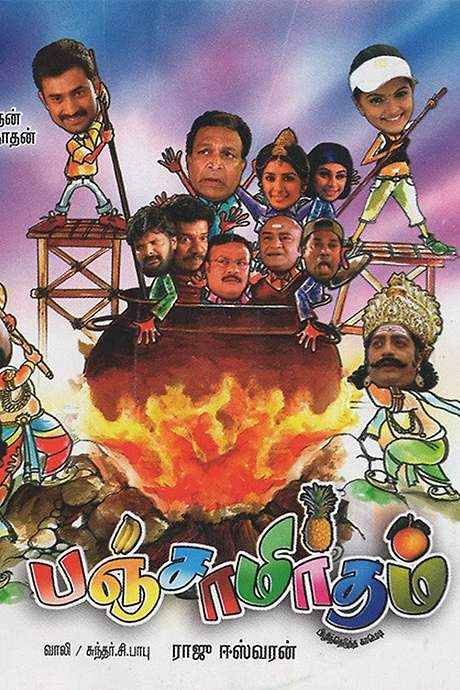
Panchamirtham
Year: 2008
Runtime: 132 mins
Language: Tamil
It draws from Hindu mythology, focusing on Maricha—Ravana’s brother—and Idumban, both enamored with Mandakini, though she loves Maricha, sparking constant rivalry. Cursed after Rama kills Maricha in deer form, he becomes a rock until a modern woman named Sita falls on it, releasing him. He vows to protect her. Sita, a secretary to estate owner Rajaram, confronts his avaricious relatives, who hire goat‑butcher Pandi to eliminate her.
Warning: spoilers below!
Haven’t seen Panchamirtham yet? This summary contains major spoilers. Bookmark the page, watch the movie, and come back for the full breakdown. If you're ready, scroll on and relive the story!
Timeline – Panchamirtham (2008)
Trace every key event in Panchamirtham (2008) with our detailed, chronological timeline. Perfect for unpacking nonlinear stories, spotting hidden connections, and understanding how each scene builds toward the film’s climax. Whether you're revisiting or decoding for the first time, this timeline gives you the full picture.
Last updated: February 17, 2026 at 19:56
Panchamirtham (2008) Timeline Questions Answered – Chronology FAQ
Find frequently asked questions about the Panchamirtham (2008) timeline, including chronological order, nonlinear jumps, cause-and-effect links, and scene sequence clarifications. This timeline FAQ helps explain when key events happen, how moments connect, and why the story unfolds in that specific order.
Why does Mareesan turn into a rock after being struck by Rama's arrow?
Mareesan becomes a rock because Rama's arrow pierces him while he is in deer form, trapping him in a magical imprisonment. This curse preserves him in stone as punishment for his role in abducting Seetha on Ravana's orders. The transformation represents both his death in deer form and a magical preservation that allows him to return centuries later when the opportunity arises.
The summary hints that Mareesan's transformation was foreshadowed by his hesitation to comply with Ravana's orders, knowing the cost.
How does Seetha survive falling from the mountaintop?
Seetha survives because she lands directly on the rock idol of Mareesan, which is the same stone where he was imprisoned centuries earlier. Upon impact with this sacred rock, she regains her human form after being pushed. The fall that should have killed her instead becomes the catalyst for releasing Mareesan from his stone curse.
The ancient curse on Mareesan was designed to end when a specific event occurs, and the fall provides that moment.
Why does Mareesan vow to protect Seetha in modern times?
Mareesan pledges to protect Seetha because his original mission in the Ramayana was to abduct her for Ravana, and he feels responsible for the suffering she endured as a result. Even after being released from his rock form, the ancient vow to safeguard her remains binding. His sense of duty from the mythological era carries over into his modern incarnation.
The earlier threat to Mandahini that forced Mareesan into the abduction plot shows how ancient obligations drive present actions.
What is the significance of Idumba becoming an anklet?
Before Mareesan is struck by Rama's arrow, he transforms Idumba into an anklet that he wears on his leg. This绑定了 Idumba to Mareesan, creating a magical connection that persists through centuries. The anklet serves as a prison for Idumba, keeping him bound to Mareesan's fate. When the anklet falls off and is swallowed by a fish in modern times, Idumba is finally freed and can take human form again.
The transformation into an anklet was a strategic move by Mareesan to keep his rival powerless during the mythological conflict.
Why does Idumba help Manickam claim Rajaram's property?
Idumba allies with fisherman Manickam after being freed from the anklet because he seeks to gain wealth and power in the modern world. When Manickam discovers Idumba inside the fish, they devise a scheme to present Manickam as Rajaram's half-brother, which would give them a claim to the tea estate. This represents Idumba using ancient magical abilities for modern greed, similar to how the property-hungry relatives operate.
Idumba's greed mirrors his original rivalry with Mareesan over Mandahini, showing his character hasn't changed across centuries.
Why do Rajaram's relatives want to eliminate Seetha?
Thirupathi and Mayilsamy want Seetha dead because they are plotting to seize control of Rajaram's tea estate. Seetha stands in their way because she works closely with Rajaram and is in a relationship with Sri Rama (the cook), which threatens their plans to take over the property. By removing Seetha, they hope to clear the path for their hostile takeover of the estate.
The modern greed for property directly parallels the ancient conflict over Mandakini between Mareesan and Idumba.
How is the modern Seetha connected to the mythological Sita?
The modern Seetha appears to be a reincarnation or spiritual continuation of the ancient Sita from the Ramayana. She works as Rajaram's dietitian and is in a relationship with Sri Rama (who serves as cook), mirroring the divine relationship from mythology. The story uses this parallel to connect the ancient tale of abduction and rescue to the modern property dispute.
The repeated name and the love story between Seetha and Rama in both eras suggests a cycle of reincarnation.
What is the history between Mareesan and Idumba?
Mareesan (Maricha) and Idumba were rivals in the Ramayana era, both competing for the love of Mandahini. Their enmity intensified when Mareesan transformed Idumba into an anklet to imprison him. Centuries later, this rivalry resurfaces in modern times as Idumba seeks to undermine Mareesan while Mareesan protects Seetha. The ancient grudge drives much of the modern conflict.
The transformation of Idumba into an anklet created the lasting bondage that would later fuel Idumba's revenge.
How does the anklet ending up in a fish connect to the plot?
When Seetha falls on Mareesan's rock, the anklet binding Idumba slips off and falls into a river, where it is swallowed by a fish. This seemingly random event is actually crucial: the fish is later caught by fisherman Manickam, who discovers Idumba's presence inside. This act releases Idumba from centuries of imprisonment and allows him to return as a human, directly linking the mythological era to modern events.
The anklet's fall during Seetha's impact was triggered by the same magical force that freed Mareesan from stone.
Who is Sri Rama in the modern storyline?
Sri Rama in the modern story works as Rajaram's cook, paralleling his role as the divine archer from the Ramayana. He is in a romantic relationship with Seetha (the dietitian), which mirrors the divine pairing from mythology. While he is not actively fighting villains in the modern era like he did in ancient times, his presence maintains the mythological framework and creates dramatic irony for viewers familiar with the original epic.
The character names and relationships intentionally parallel the Ramayana to create narrative resonance.

Explore Movie Threads
Discover curated groups of movies connected by mood, themes, and story style. Browse collections built around emotion, atmosphere, and narrative focus to easily find films that match what you feel like watching right now.
Modern Myths and Ancient Whimsy like in Panchamirtham
Ancient curses and mythological figures collide with the modern world in playful, quirky adventures.If you enjoyed the playful blend of Hindu mythology and modern-day conflict in Panchamirtham, you'll love these movies. This thread gathers films where ancient legends, curses, and gods find themselves in contemporary settings, leading to lighthearted, quirky, and romantic adventures.
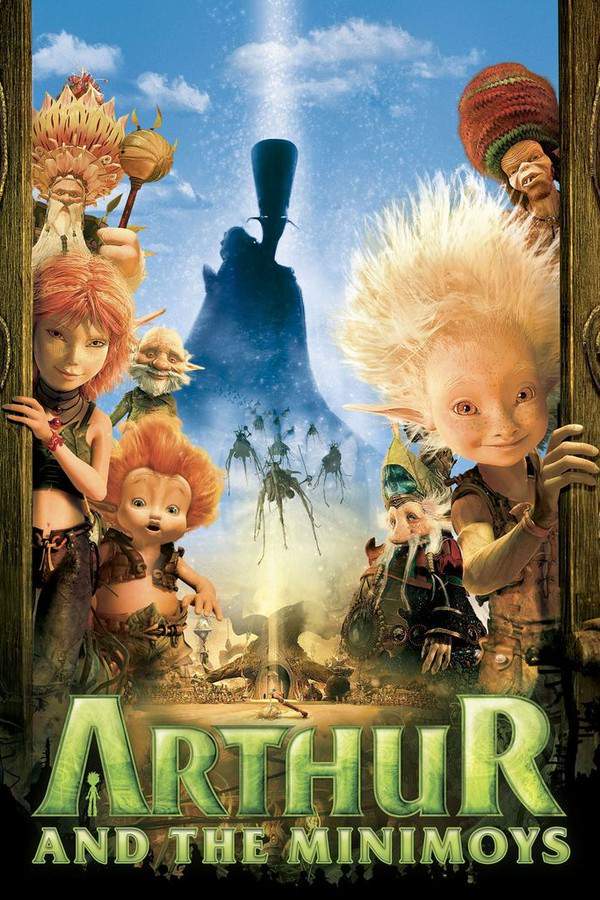
Arthur and the Invisibles
2006
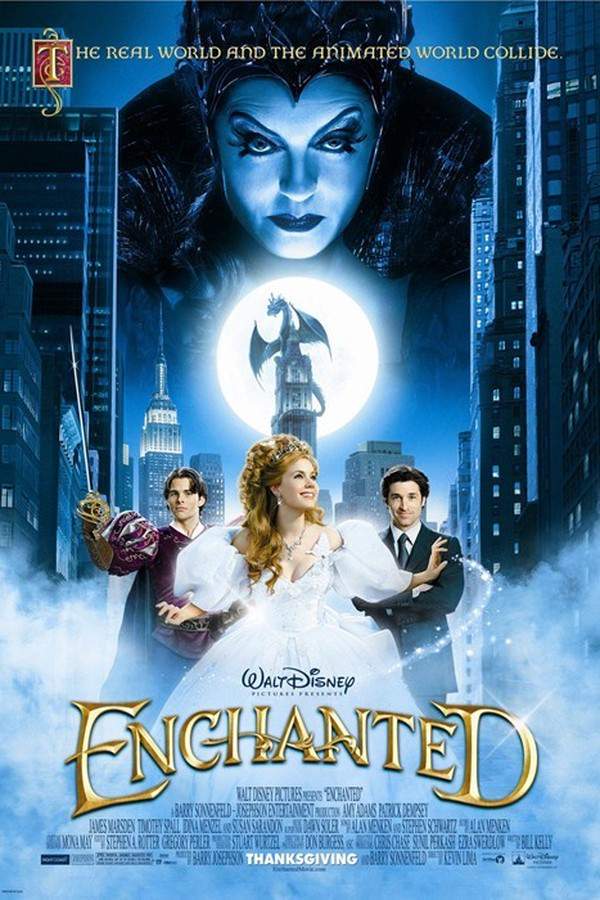
Enchanted
2007
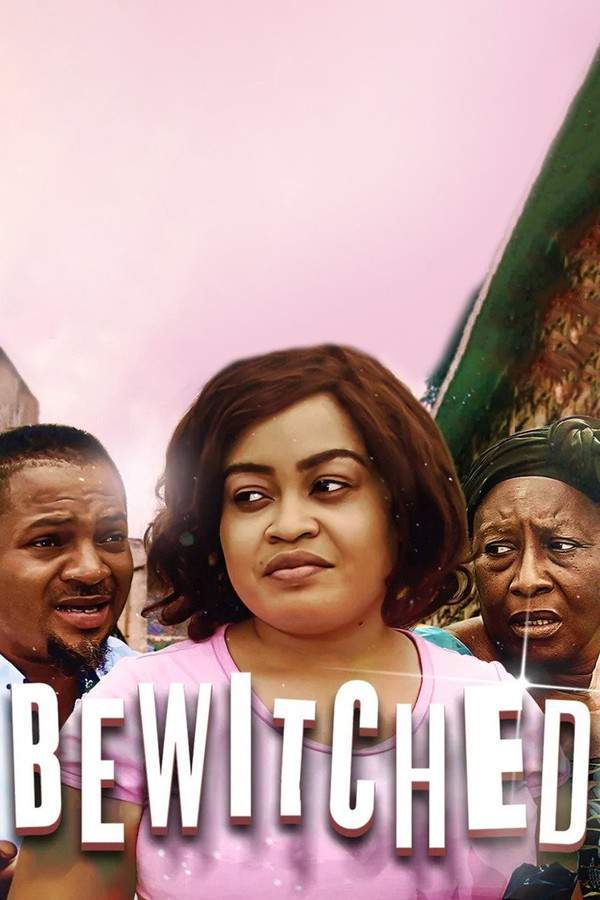
Bewitched
2005
The Canterville Ghost
2023

Irish Wish
2024

Chinese Odyssey 2002
2002

Witches’ Brew
1980

For Love and Gold
1966

The Wonderful World of the Brothers Grimm
1962

Night in Paradise
1946

The Magic Pipe
1998

A Connecticut Yankee in King Arthur’s Court
1949

Bartok the Magnificent
1999

Gnomes and Trolls: The Secret Chamber
2008

Hiling
1998
Narrative Summary
Stories in this thread typically begin with an ancient element—a curse, a sleeping deity, a magical artifact—being activated or discovered in the modern day. The plot follows the comedic and often romantic consequences as mythological rules clash with contemporary life, often involving a protagonist who must navigate this new reality with the help (or hindrance) of a supernatural being.
Why These Movies?
These movies are grouped together because they share a unique tonal blend of fantasy and comedy, rooted in the juxtaposition of ancient myth and modern sensibilities. They prioritize charm, light conflict, and a sense of wonder over high-stakes drama, offering a cozy and entertaining viewing experience.
Protective Spirits and Reincarnated Bonds like in Panchamirtham
Characters are guided or protected by supernatural beings linked to their past lives.Fans of Panchamirtham's story about Maricha vowing to protect a modern-day Sita will enjoy these movies. This collection focuses on films featuring guardian spirits, reincarnated lovers, or mystical protectors who aid a protagonist, often with a blend of fantasy, light romance, and comedic moments.

Extra Ordinary
2020
Escape to Witch Mountain
1975
Arthur and the Invisibles
2006
Rise of the Guardians
2012
Teen Witch
1989
Blackbeard's Ghost
1968
The Canterville Ghost
2023

The Legend of the Christmas Witch
2018

The Magic Roundabout
2004

Ghosts Can’t Do It
1989

The Keepers of the 5 Kingdoms
2023

Casper Meets Wendy
1998

The Ghosts of Berkeley Square
1947

The Canterville Ghost
1997
Hiling
1998
Narrative Summary
The narrative pattern involves a protagonist who, often unknowingly, has a karmic connection to a supernatural entity. This entity—a spirit, a cursed individual, or a mythological figure—becomes their protector against a modern threat. The story explores their growing bond, often uncovering a past-life romance or debt that must be resolved, leading to a mix of protective action and emotional discovery.
Why These Movies?
These films are connected by their core theme of fated protection and reincarnated relationships. They share a moderate emotional weight, balancing fantasy conflict with a heartwarming or playful tone, avoiding heavy darkness in favor of a more charming and whimsical feel.
Unlock the Full Story of Panchamirtham
Don't stop at just watching - explore Panchamirtham in full detail. From the complete plot summary and scene-by-scene timeline to character breakdowns, thematic analysis, and a deep dive into the ending - every page helps you truly understand what Panchamirtham is all about. Plus, discover what's next after the movie.
Panchamirtham Summary
Read a complete plot summary of Panchamirtham, including all key story points, character arcs, and turning points. This in-depth recap is ideal for understanding the narrative structure or reviewing what happened in the movie.

Characters, Settings & Themes in Panchamirtham
Discover the characters, locations, and core themes that shape Panchamirtham. Get insights into symbolic elements, setting significance, and deeper narrative meaning - ideal for thematic analysis and movie breakdowns.


