
Paap
Year: 2003
Runtime: 115 mins
Language: Hindi
Director: Pooja Bhatt
Kaya, a quiet young girl from the tranquil Spiti valley, has been raised by her father to devote her life to a Buddhist monastery. Unquestioning of this path, she is chosen by senior lama Norbu after he dreams that the Rinpoche has been reborn as a child. Norbu sends Kaya to Delhi to locate the child and bring him back to the monastery.
Warning: spoilers below!
Haven’t seen Paap yet? This summary contains major spoilers. Bookmark the page, watch the movie, and come back for the full breakdown. If you're ready, scroll on and relive the story!
Timeline – Paap (2003)
Trace every key event in Paap (2003) with our detailed, chronological timeline. Perfect for unpacking nonlinear stories, spotting hidden connections, and understanding how each scene builds toward the film’s climax. Whether you're revisiting or decoding for the first time, this timeline gives you the full picture.
Last updated: October 09, 2025 at 16:48
Paap (2003) Timeline Questions Answered – Chronology FAQ
Find frequently asked questions about the Paap (2003) timeline, including chronological order, nonlinear jumps, cause-and-effect links, and scene sequence clarifications. This timeline FAQ helps explain when key events happen, how moments connect, and why the story unfolds in that specific order.
Why is the police officer murdered in the hotel?
The police officer is murdered because he is transporting Kaaya and the reincarnated child back to the monastery. Raj Mehra, the antagonist, wants to prevent the child from reaching the monastery as the child's identification could threaten Mehra's position or power. The murder sets the investigation in motion and traps Kaaya and the boy in Delhi.
Earlier, Lama Norbu emphasizes the urgency and secrecy of the mission, hinting that powerful forces might oppose the child's return.
Why does Shiven stop Kaaya and the boy from returning home?
Shiven stops them because he takes over the murder investigation and realizes the child is in grave danger. After the boy identifies Raj Mehra as the killer, Shiven understands that Mehra's men will pursue them. He believes the only way to protect them is to keep them in his custody and flee to a safer location rather than let them travel back to Spiti unguarded.
The murder at the hotel signals that the danger is real and organized, not random.
Who is Raj Mehra and why does he want the child?
Raj Mehra is the antagonist who is revealed as the killer of the police officer. The boy identifies him as the murderer during the investigation. While the exact reason for wanting the child is tied to the reincarnation mystery, Mehra's motive stems from preventing the child's identification as the true Rinpoche, which would threaten his own position or interests within the religious hierarchy.
The timeline mentions a 'web of intrigue and deceit' surrounding the murder from the early investigation stages.
Why does Kaaya's father react furiously to Shiven?
Kaaya's father sees Shiven as a corrupting influence who has brought violence and danger into their peaceful home. Shiven arrives with pistols, is involved in a murder investigation, and brings the threat of Raj Mehra's men to the tranquil Spiti valley. As a man who has raised his daughter to pursue spiritual truth, Kaaya's father views Shiven's presence as antithetical to everything he has taught her.
Kaaya's upbringing was centered on monastic discipline and devotion, making any external threat to that path unwelcome.
What is Kaaya's internal conflict in the movie?
Kaaya struggles between her lifelong devotion to spiritual truth and her growing romantic feelings for Shiven. She has been conditioned to view basic human desires, especially sexuality, as 'paap' (sin) that distracts from the ultimate truth she seeks through monastic life. While nursing Shiven back to health, she can no longer suppress her attraction to him, creating a profound dilemma between duty and desire.
Her early years are described as a 'search for the ultimate truth' but also include 'quiet longing,' hinting at suppressed desires beneath her devoted exterior.
Why does the boy identify Raj Mehra as the killer?
The boy, being the reincarnated Rinpoche, is able to identify Raj Mehra as the killer, either through direct observation during the attack or through spiritual perception. This identification becomes the critical turning point that shifts the investigation from a random murder to a deliberate conspiracy involving a powerful figure who stands to lose from the child's rightful return to the monastery.
Lama Norbu's dream about the Rinpoche's return establishes the child's special spiritual significance.
What does the title 'Paap' refer to in the movie?
The title 'Paap' means 'sin' in Hindi. It refers to Kaaya's conditioned belief that human desires, particularly romantic and sexual attraction, are sinful and distracting from her spiritual path. The movie explores her struggle to reconcile these feelings with her monastic upbringing, ultimately suggesting that love is not a sin but a natural part of life.
Kaaya's suppression of her instincts is established early as she pursues 'the ultimate truth' through strict devotion.
How does Shiven's past resurface in the story?
Shiven's past resurfaces as Raj Mehra's men close in on Spiti. While the specifics of his past are tied to the investigation he was conducting, the danger from Mehra's vendetta triggers revelations about his previous life and the reasons why he became involved in protecting Kaaya and the child. This threatens to undo the fragile alliance formed during their escape.
The investigation initially reveals 'a web of intrigue and deceit' hinting at deeper connections Shiven must navigate.
Why does Kaaya suppress her feelings for Shiven?
Kaaya suppresses her feelings because she has been raised since childhood to believe that worldly desires are obstacles to spiritual enlightenment. Her entire upbringing at the monastery conditioned her to view love and attraction as 'paap' (sin) that would prevent her from attaining the ultimate truth she seeks. This deeply ingrained belief creates her internal conflict when she falls for Shiven.
Her childhood in the monastery established the strict dichotomy between spiritual pursuit and earthly desires.
How does the movie end?
In the climax, Shiven and Kaaya are reunited after enduring the threats from Raj Mehra's men and the danger surrounding the child. They share a passionate kiss that symbolizes her acceptance of love over suppression. The ending suggests a future together beyond the crisis, providing a happy resolution that contrasts with the tense events that preceded it.
The romantic tension builds throughout the recovery period in Spiti, with both characters fighting their attraction until the final confrontation forces them together.
Why does Lama Norbu send Kaaya to Delhi?
Lama Norbu sends Kaaya to Delhi because he dreams that the reincarnated monk Rinpoche has returned as a child. As the spiritual leader responsible for finding the new incarnation, he entrusts the mission to Kaaya, who has been raised with deep devotion to the monastery. Her pure dedication makes her the ideal person to locate and bring the child back safely.
The opening establishes Kaaya's lifelong dream of joining the monastery, making her a natural choice for this sacred mission.
Why do they escape to Spiti valley?
They escape to Spiti valley because it is remote and offers a natural refuge from Raj Mehra's men, who are based in Delhi. The harsh terrain and the monastery's secluded location provide a fragile shield. Additionally, Kaaya's home in Spiti becomes a safe haven where Shiven can recover from his injuries while they plan their next move.
The early description establishes Spiti valley as a tranquil, isolated place far from the dangers of city life.

Explore Movie Threads
Discover curated groups of movies connected by mood, themes, and story style. Browse collections built around emotion, atmosphere, and narrative focus to easily find films that match what you feel like watching right now.
Movies about faith versus love like Paap
Protagonists torn between sacred duty and a forbidden earthly passion.If you enjoyed the core conflict in Paap, explore more movies like it where characters face a profound choice between their spiritual path and a forbidden romance. These similar stories feature tense emotional drama, protective instincts, and a journey of self-discovery that challenges conditioned beliefs.
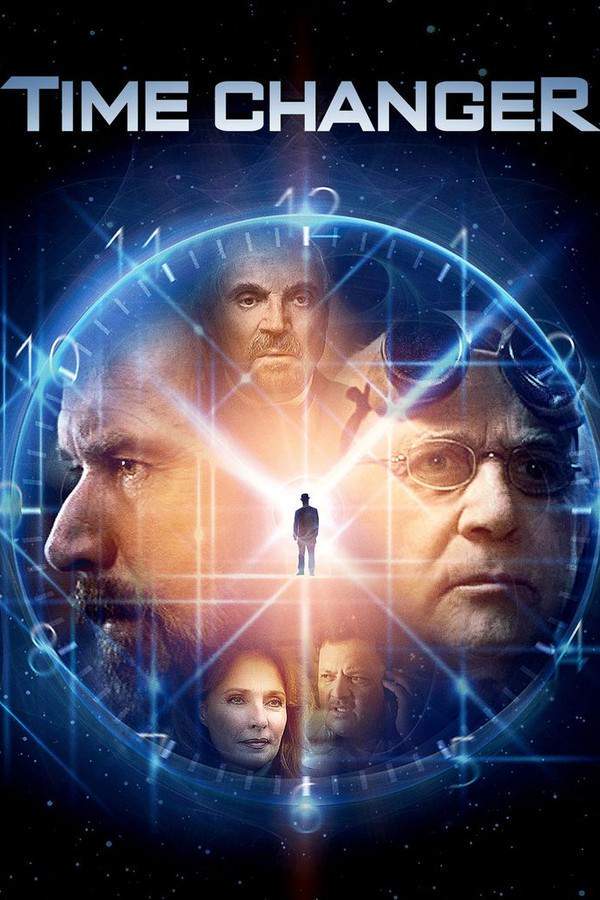









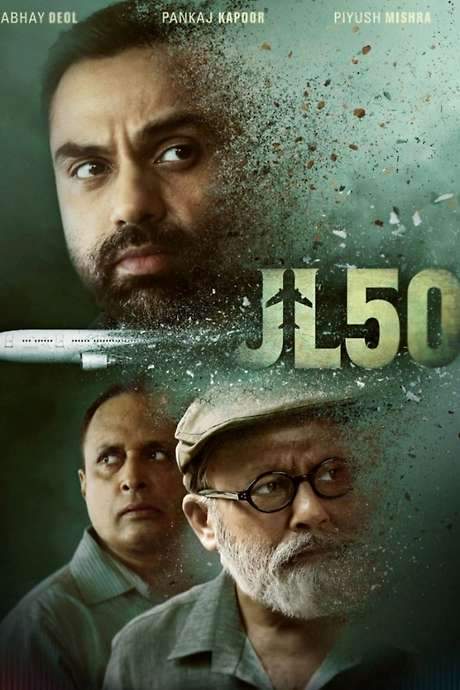




Narrative Summary
These narratives typically follow a protagonist raised in or dedicated to a strict belief system. Their ordered world is disrupted by an external force, usually a person or event that introduces a compelling alternative. The plot revolves around their inner turmoil as they grapple with temptation, guilt, and the ultimate choice between two irreconcilable ways of life, often leading to a cathartic resolution.
Why These Movies?
These films are grouped together because they share a central thematic conflict between ascetic devotion and human connection. They evoke a specific mood of tense romanticism and spiritual conflict, blending emotional weight with atmospheric settings to explore the universal struggle between the soul and the heart.
Thrillers about protecting the innocent like Paap
A reluctant guardian must protect a vulnerable charge from looming threats.Find more suspenseful movies like Paap where a character must protect an innocent child from danger. These similar thrillers combine tense chase narratives with emotional depth, focusing on the bond between guardian and charge amidst crime and pursuit.













Narrative Summary
The plot often begins with a straightforward mission that escalates into a life-or-death chase. The protector, who may start out reluctant or unskilled, grows into their role through adversity. The story is driven by suspenseful set pieces, narrow escapes, and the constant threat of capture, all while developing the central protective relationship which becomes the emotional core.
Why These Movies?
This thread connects films that blend thriller action with strong protective themes. They share a specific vibe of suspenseful urgency combined with heartfelt connection, creating stories that are both exciting and emotionally resonant. The mix of external danger and internal growth provides a cohesive and engaging experience.
Unlock the Full Story of Paap
Don't stop at just watching - explore Paap in full detail. From the complete plot summary and scene-by-scene timeline to character breakdowns, thematic analysis, and a deep dive into the ending - every page helps you truly understand what Paap is all about. Plus, discover what's next after the movie.
Paap Summary
Read a complete plot summary of Paap, including all key story points, character arcs, and turning points. This in-depth recap is ideal for understanding the narrative structure or reviewing what happened in the movie.

Characters, Settings & Themes in Paap
Discover the characters, locations, and core themes that shape Paap. Get insights into symbolic elements, setting significance, and deeper narrative meaning - ideal for thematic analysis and movie breakdowns.


