Plot Explained Spoilers guaranteed!
Plot Explained

Browse by genre

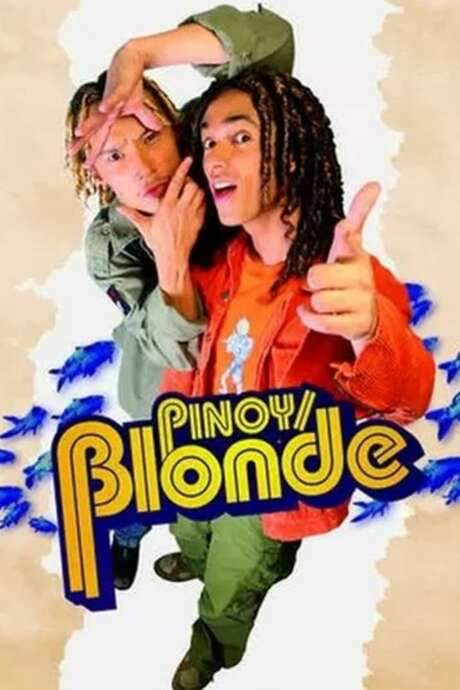
Otso Otso Pamela-mela Wan (2004) movie poster

Timeline

Otso Otso Pamela-mela Wan (2004) Timeline Explained – Every Event in Order

Release, runtime and language
2004 · 107 mins · Tagalog
Directed by
Jerry Lopez Sineneng
Starring
Gina Pareño, Dexter Doria, Tessie Tomas, Vhong Navarro, Robin Da Roza, Bayani Agbayani

Misunderstood by their families, friends Boy and Andoy flee to start anew, only to discover they’re identical to another pair. Twins Mao and Dao escape to avoid arranged marriages. A chaotic mix‑up forces Boy and Andoy to pose as Mao and Dao while the twins impersonate them, sparking havoc when one duo decides to ultimately return home.

On this page (5)
  1. 1 Events in order (13)
  2. 2 Timeline questions answered
  3. 3 Movie threads
  4. 4 Movies like Otso Otso Pamela-mela Wan
  5. 5 Every angle

13 events in order · contains spoilers

Otso Otso Pamela-mela Wan Timeline: Events in Chronological Order

Every key event of Otso Otso Pamela-mela Wan (2004) in order, scene by scene, with when and where it takes place. Use it to untangle flashbacks, time jumps and parallel storylines, to refresh your memory before the sequel or to find the exact scene you are thinking of.

  1. Birth mix-up during a storm

    In 1976, a hospital storm knocks out power. A freak combination of storm, earthquake, and outage causes newborns to be swapped and handed to different families. This birth mix-up seeds the twin destinies that drive the film's plot.

    When
    1976
    Where
    Hospital
  2. Present-day outcasts: Boy and Amboy

    In the present day, Boy and Amboy are treated as outsiders in their respective families. Boy's lack of singing talent and Amboy's academic struggles leave them feeling out of place. Their unsettled identities set up the central tension of belonging versus expectation.

    When
    Present day
    Where
    Present-day town
  3. Chinatown siblings resist arranged marriages

    In Chinatown, Mao and Dao are pampered by Mrs. Go but push back against traditional arranged marriages. They resist early control over their lives while trying to claim some agency. Their defiance foreshadows the later swaps and revelations.

    When
    Present day
    Where
    Chinatown
  4. Misread rescue and a flight to Manila

    Boy and Amboy unwittingly rescue the Mayor from an assassin’s bullet with their Otso-Otso dance, which they misinterpret as an attack on them. Fearing fallout, they flee toward Manila to escape suspicion. The incident triggers a cascade of cross-cultural misunderstandings and mistaken identities.

    When
    Present day
    Where
    Manila
  5. Mao and Dao head for Ilocos Norte

    Simultaneously, Mao and Dao decide to leave Chinatown for Ilocos Norte, hoping to hitch a boat ride to Taiwan. They seek freedom from their mother’s control and the pressure of arranged marriages. Their journey intersects with Boy and Amboy’s later escapades, catalyzing the mistaken-identity plot.

    When
    Present day
    Where
    Ilocos Norte
  6. Bus journeys and a stopover in Tarlac

    The two groups ride separate Partas buses and stop over in Tarlac, a moment that will lead to their mistaken identities. A nurse begins to chase them, adding urgency and danger. The near-meeting in Tarlac foreshadows the ensuing identity swap.

    When
    Present day
    Where
    Tarlac
  7. Instant heroes and the Pamela-Mela-Wan moment

    Upon their destinations, Mao and Dao are mistaken for Boy and Amboy and instantly welcomed as heroes. Mao’s singing talent and Dao’s intelligence earn them admiration in their new families. When Dao is asked to recreate the Otso-Otso dance, he instead performs the Pamela-Mela-Wan dance, causing playful confusion.

    When
    Present day
    Where
    Manila and Ilocos Norte
  8. Bus crash and a switch to Mrs. Go

    A nurse's distraction triggers a bus crash, and Boy and Amboy are handed over to Mrs. Go while Mao and Dao are left behind. Confusion deepens as the twin identities are swapped and families react to the new arrivals. The incident forces all characters to face the consequences of the mix-up.

    When
    Present day
    Where
    On a Partas bus / vicinity
  9. Realization of the mistaken identity

    Back in Ilocos, a newspaper report reveals that Mao and Dao are the real heroes, not Boy and Amboy. Realizing the truth, Boy and Amboy resolve to correct the deception and return to confront Mao and Dao. They confide in Mrs. Go, choosing honesty over protecting their new status.

    When
    Present day
    Where
    Ilocos Norte
  10. Confrontation and acceptance

    Boy, Amboy, Mao, and Dao converge in Ilocos to resolve the situation, urging Mao and Dao to abandon plans to flee to Taiwan. They encourage each other to stand up to their families and see that they are loved as they are. The moment marks a shift from mistaken identities to shared belonging.

    When
    Present day
    Where
    Ilocos Norte
  11. Mayor’s Thanksgiving and the twins’ reveal

    At the Mayor’s Thanksgiving, all families—plus Mao, Dao, and Mrs. Go—are gathered, and the Nurse reveals the babies were swapped because of the accident. She confirms that Mao is Boy’s twin and Dao is Amboy’s twin. The revelation brings relief and a sense of closure to the tangled relationships.

    When
    Present day
    Where
    Mayor's Thanksgiving
  12. Reconciliation and dances

    Mao and Dao comfort Mrs. Go, telling her she has always been their mother, and the twins return to their biological families while keeping their own identities. They perform their dances to celebrate their reconciliation and the blending of their lives. The townspeople witness a hopeful ending where family love triumphs over confusion.

    When
    Present day
    Where
    Ilocos Norte / Chinatown
  13. Epilogue: the nurse completes her mission

    In the epilogue, the Nurse tracks down Mrs. Go’s son, who was raised by an African family, and she realizes he is the last baby she needed to locate. The reunion hints at broader connections across generations and borders. The nurse’s mission closes with a quiet sense of completion.

    When
    Epilogue
    Where
    Africa and the Philippines

Last updated: October 09, 2025 at 16:28

Was this helpful?

Timeline questions answered

Otso Otso Pamela-mela Wan Timeline Explained: Your Questions Answered

When does it happen, and why in that order? The questions people ask about the chronology of Otso Otso Pamela-mela Wan (2004): time jumps, flashbacks, cause and effect between scenes and the correct order of events, each answered with spoilers.

Q1

Why were the babies swapped in the hospital?

In 1976, a freak combination of storm, earthquake, and citywide blackout caused a critical mix-up at the hospital. The chaotic conditions during the natural disaster led to newborns being handed to wrong families, setting the stage for the film's entire mistaken identity plot.

Foreshadowing: The nurse's wary watch over the newborns during the storm hints at the long-term consequences of her temporary lapse.

  • hospital mix-up
  • newborn swap
  • 1976 storm
  • babies switched
Q2

Why did Boy and Amboy flee to Manila?

Boy and Amboy misinterpreted an assassination attempt on the Mayor as an attack on themselves. Believing they had inadvertently played a role in the drama, they fled to Manila to escape suspicion and potential consequences, fearing their involvement would be discovered.

Foreshadowing: Their performative interpretation of dangerous events sets up the pattern of misreading situations throughout the film.

  • Manila escape
  • Mayor assassination
  • fled town
  • misinterpreted events
Q3

What caused the bus crash and identity swap?

The Nurse's pursuit to catch the groups distracted the bus driver, causing a crash. In the chaos, Boy and Amboy ended up under Mrs. Go's care in Chinatown while Mao and Dao were left behind, effectively swapping their family situations and identities.

Foreshadowing: The near-meeting in Tarlac foreshadows this collision of fates.

  • bus crash
  • identity swap
  • Nurse chase
  • mixed up families
Q4

Why did Dao perform Pamela-Mela-Wan instead of Otso-Otso?

When asked to recreate the Otso-Otso dance that made Boy and Amboy famous, Dao instead performed a different, equally sensational routine he created called Pamela-Mela-Wan. This moment showcases how performance and identity are interchangeable in public perception, the townspeople readily accepted the new dance from the 'heroes' without questioning the switch.

Foreshadowing: Mao's singing and Dao's quick wits were established earlier as their defining talents.

  • Pamela-Mela-Wan dance
  • Otso-Otso dance
  • performance
  • mistaken identity dance
Q6

Why did Mao and Dao resist arranged marriages?

Mao and Dao were pampered by Mrs. Go in Chinatown but chafed under her traditional expectations, including arranged marriages. They preferred to chart their own courses and claim agency over their lives, which is why they fled to Ilocos Norte hoping to catch a boat to Taiwan and escape their mother's control.

Foreshadowing: Their resistance to traditional unions mirrors the broader theme of choosing one's own identity.

  • arranged marriage
  • Chinatown
  • Mrs. Go
  • freedom
  • rebellion
Q7

What did the Nurse reveal at the Mayor's Thanksgiving?

The Nurse revealed that the twins were switched at birth due to the 1976 hospital accident. She confirmed that Mao is Boy's twin and Dao is Amboy's twin, explaining how the decades-long confusion began. This revelation brought relief and closure to the tangled relationships between all the families.

Foreshadowing: The Nurse's search throughout the story builds toward this confirming moment.

  • Nurse revelation
  • hospital truth
  • Mayor Thanksgiving
  • baby switch explained
Q8

Why did the Nurse search for Mrs. Go's son in Africa?

In the epilogue, the Nurse completes her long mission to find all the babies affected by the 1976 hospital mix-up. She tracks down Mrs. Go's biological son, who was raised by an African family. This discovery represents the final piece of the puzzle, she needed to locate every child displaced by the hospital accident to achieve closure.

Foreshadowing: The Nurse's search is the quiet through-line running from the opening storm to the finale.

  • Nurse mission
  • Mrs. Go son
  • Africa
  • epilogue
  • found child
Q9

Why did the townspeople accept Mao and Dao as heroes?

When Mao and Dao arrived in the towns where Boy and Amboy were known, the locals readily identified them as the Otso-Otso dance heroes based solely on appearance and reputation. The townspeople's willingness to accept new people as the heroes demonstrates how performance and perception shape identity, the dancers were treated as celebrities without verification.

Foreshadowing: The townspeople's quick labeling echoes how Boy and Amboy misread the assassination attempt.

  • mistaken heroes
  • perception
  • welcome
  • townspeople
  • celebrity
Q10

What prompted Boy and Amboy to confront Mao and Dao?

A newspaper report in Ilocos revealed that Mao and Dao were the real heroes, not Boy and Amboy. Realizing the truth, Boy and Amboy decided to return and correct the deception rather than benefit from the lie. They confided in Mrs. Go, choosing honesty over maintaining their false hero status.

Foreshadowing: The earlier newspaper coverage of heroism sets up this reversal when facts emerge.

  • confrontation
  • newspaper truth
  • return to Ilocos
  • honesty
  • face truth

Movie threads

More Movies Like Otso Otso Pamela-mela Wan, by Mood & Story

Curated lists built around what makes Otso Otso Pamela-mela Wan tick: the same mood, the same kind of story or the same emotional payoff. Each list explains why these movies belong together.

Chaotic Mistaken Identity Comedies like Otso Otso Pamela-mela Wan

Stories where mistaken identities and lookalikes create a spiral of comedic chaos. If you enjoyed the wild identity swaps in Otso Otso Pamela-mela Wan, you'll love these movies. Discover stories where mistaken identities, twin switches, and hilarious impostors create a whirlwind of comedic errors and heartwarming resolutions.

  • comedic chaotic
  • playful
  • confusing
  • uplifting
  • farce
  • mix-up
  • Tone: light, playful, whimsical
  • Pacing: fast, frenetic
Why these movies?

The story pattern: These narratives typically begin with a case of mistaken identity or the discovery of a lookalike, forcing one or more characters into a deception. The plot then accelerates through a chain reaction of close calls, comedic performances, and intertwining subplots, all fueled by the central secret. The resolution often involves a public reveal that leads to reconciliation and a happy, unified ending.

Why they belong together: Movies in this thread share a core reliance on mistaken identity as the primary engine for comedy. They feature fast pacing, light emotional weight, and a consistently playful tone, focusing on the situational humor derived from characters being in the wrong place at the wrong time.

Movies about Runaway Rebellions like Otso Otso Pamela-mela Wan

Hopeful journeys of young people running away to escape expectations and find belonging. Fans of the escape-from-home plot in Otso Otso Pamela-mela Wan will enjoy these films. Explore stories of youthful rebellion against cultural expectations and arranged marriages, featuring hopeful journeys, chaotic adventures, and the discovery of new family bonds.

  • hopeful
  • playful
  • rebellious
  • coming of age
  • family bonds
  • escapism
  • Tone: hopeful, uplifting
  • Pacing: fast, adventurous
Why these movies?

The story pattern: The journey starts with a breaking point—often familial pressure or a desire for freedom—that prompts the protagonists to run away. Their adventure is marked by chance encounters, new alliances, and a series of challenges that test their resolve. The narrative arc culminates in a return or reconciliation where the characters have grown, and the initial conflicts are resolved with greater understanding and acceptance.

Why they belong together: This thread groups movies centered on the theme of youthful escape. They share a hopeful and sometimes chaotic mood, a light-to-medium emotional weight, and a focus on themes like coming of age, defying expectations, and the importance of both biological and found family.

If you liked this

Movies Like Otso Otso Pamela-mela Wan

Similar movies to Otso Otso Pamela-mela Wan: the same genre, themes or kind of story. Each one comes with its own plot summary, timeline and ending explained.

Browse all movie summaries

Every angle

Otso Otso Pamela-mela Wan (2004) Explained: Plot, Timeline & Characters

Everything about Otso Otso Pamela-mela Wan in one place: what happens in the plot summary, the timeline in chronological order, the characters and meaning and a spoiler-free summary. What's After the Movie adds the cast, box office and post-credit scenes.

Coming soon on iOS and Android

The Plot Explained Movie Summary App

Plot summaries, endings explained and timelines on your phone. Catch up on any movie in minutes, save your favorites and never miss a twist again.

Be the first to know when we launch. Your email stays private, always.

Learn more about the app