Plot Explained Spoilers guaranteed!
Plot Explained

Browse by genre

On-Gaku: Our Sound (2019) movie poster

Timeline

On-Gaku: Our Sound (2019) Timeline Explained – Every Event in Order

Release, runtime and language
2019 · 71 mins · Japanese
Echo score 77
Directed by
Kenji Iwaisawa
Starring
Naoto Takenaka, Tomoya Maeno, Ren Komai, Kami Hiraiwa, Tateto Serizawa, Yasuyuki Okamura
Budget
$40K

Three high school students, feeling listless and rebellious, decide to form a rock band. Lacking any real musical talent, financial resources, or even a complete drum kit, they are nevertheless driven to play and earn the approval of their friend. Their enthusiastic, if amateurish, efforts mark the beginning of their musical journey.

On this page (6)
  1. 1 Where to watch
  2. 2 Events in order (14)
  3. 3 Timeline questions answered
  4. 4 Movie threads
  5. 5 Movies like On-Gaku: Our Sound
  6. 6 Every angle

Where to watch

Where to Watch On-Gaku: Our Sound (2019)

Where can you watch On-Gaku: Our Sound? Stream, rent or buy it in the US, including on Kanopy, Amazon Video and Fandango At Home: current JustWatch availability with up-to-date prices.

Streaming availability powered by JustWatch

14 events in order · contains spoilers

On-Gaku: Our Sound Timeline: Events in Chronological Order

Every key event of On-Gaku: Our Sound (2019) in order, scene by scene, with when and where it takes place. Use it to untangle flashbacks, time jumps and parallel storylines, to refresh your memory before the sequel or to find the exact scene you are thinking of.

  1. Plan to confront rival gang at Marutake High

    Ota suggests they go beat up the rival gang at Marutake High. Kenji agrees and the trio heads out, but they quickly realize they have no idea where Marutake is, so they abandon the plan.

    When
    Daytime
    Where
    Marutake High vicinity
  2. Kenji receives a guitar during a street robbery

    During a street chase, a passing musician hands Kenji his guitar and he tackles the thief with it. He brings the guitar home and tells his friends they are going to start a band.

    When
    Day
    Where
    Street
  3. Band formation and stolen instruments

    They steal more instruments from the school to complete their ensemble. Kenji discovers the guitar he took is actually a bass, leaving them with two basses, a snare, and a tom. With no formal training, their music comes out as harsh, rhythmic noise.

    When
    Next few days
    Where
    School
  4. Aya as first audience and band name Kobujutsu

    The trio's only real audience is Aya, their friend. When she asks for a name, Asakura suggests Kobujutsu, and Kenji cheerfully approves.

    When
    Day
    Where
    School
  5. Oba's gang watches and plots a lesson

    Across the film, Oba's mohawked gang watches from Marutake, assuming Kenji is picking fights with them. In truth, Kenji's mere presence scares the rivals away. Oba vows to teach him a lesson.

    When
    Ongoing
    Where
    Marutake
  6. Asakura learns Kobijitsu and Kenji's plan to listen first

    The next day, Asakura learns there is a band at their school with a nearly identical name, Kobijitsu. Rather than confront them, Kenji decides to listen to Kobijitsu first.

    When
    Next day
    Where
    School
  7. Morita impressed; invitation to rock festival

    Morita, Kobijitsu's singer, is blown away by Kobujutsu's raw energy. He invites them to perform at an upcoming rock festival.

    When
    Soon after
    Where
    School
  8. Kenji's boredom; Aya's intervention and quarrel

    The band continues rehearsing, but Kenji grows despondent and bored. Aya tries to shake him out of it, but after a brief quarrel she storms off, leaving Kenji lying on the ground.

    When
    During practice
    Where
    School
  9. Festival day – chase and escape

    On festival day, Oba's gang confronts Kenji. Before any fight, he smashes his bass and pulls out a recorder, playing it as he escapes with the gang in pursuit.

    When
    Festival day
    Where
    Festival route
  10. Kobujutsu on stage; Kobijitsu's setback

    Morita's Kobijitsu performs first at the festival, but their guitar breaks and they walk off disappointed. Ota and Asakura expect to play as Kobujutsu but freeze when Kenji hasn't appeared.

    When
    Festival day
    Where
    Festival stage
  11. Kenji arrives on stage; reunion on stage

    Kenji, still pursued, leaps on stage and reunites Kobujutsu. Morita's band joins in, and the crowd starts to respond with excitement.

    When
    Festival day
    Where
    Festival stage
  12. Finale: Kenji sings and the crowd responds

    The performance ends with Kenji finally breaking out of his neutral demeanor as he sings to the crowd. The moment marks a turning point for him and the band.

    When
    End of festival
    Where
    Festival stage
  13. Band breakup and Disneyland invitation

    The day after, Kenji returns to his stoic self and reveals to Aya that the band has broken up. Aya is disappointed, but Kenji then asks her to go to Disneyland with him.

    When
    Day after festival
    Where
    Empty classroom
  14. Reunion talks among friends

    Outside the classroom, Ota asks Asakura if they should try to reunite the band. Asakura thinks Kenji will say yes later that day.

    When
    Day after festival
    Where
    School hallway

Last updated: July 26, 2026 at 07:28

Was this helpful?

Timeline questions answered

On-Gaku: Our Sound Timeline Explained: Your Questions Answered

When does it happen, and why in that order? The questions people ask about the chronology of On-Gaku: Our Sound (2019): time jumps, flashbacks, cause and effect between scenes and the correct order of events, each answered with spoilers.

Q1

Why does Kenji decide to start a band out of nowhere?

Kenji starts a band in On-Gaku: Our Sound almost entirely by accident. While walking down the street, he witnesses a robbery and ends up holding a musician's guitar after the musician tackles the thief. Since no one comes to reclaim it, Kenji simply takes the guitar home and announces to Ota and Asakura the next day that they are going to form a band. The decision is impulsive and based on curiosity rather than any musical ambition, which fits the film's slacker tone.

Foreshadowing: Kenji's earlier aimlessness, wandering around with no real goal before the robbery, hints at how easily a random object can give him direction.

  • kenji
  • band origin
  • guitar
  • robbery
  • kobujutsu
  • forming a band
Q2

How does the band end up with two basses, a snare, and a tom?

Kenji is unaware that the guitar he took home during the robbery is actually a bass. He and his friends then steal additional instruments from the school to fill out the group, but because none of them know anything about music, they never realize the instruments don't form a standard band setup. The result is a bizarre ensemble of two basses, one snare drum, and one tom drum that sounds like harsh, rhythmic noise rather than music.

Foreshadowing: The opening scenes establish that the boys have zero musical knowledge, so it is consistent that they would misidentify a bass as a guitar.

  • instruments
  • bass
  • snare
  • tom
  • stolen
  • band setup
Q3

What is the difference between Kobujutsu and Kobijitsu?

Kobujutsu (ancient martial arts) is the name Asakura randomly invents for Kenji's noise band, and Kenji approves it without thinking. Kobijitsu (ancient fine arts) is a completely different band at the same school, an acoustic folk trio led by singer Morita. The two names sound almost identical in Japanese, which is why Asakura only discovers the other band's existence after the fact and why the conflict between them is driven by misunderstanding rather than rivalry.

Foreshadowing: The fact that Kenji agrees to the name immediately, without listening carefully, foreshadows the near-name collision with Kobijitsu.

  • kobujutsu
  • kobijitsu
  • band name
  • morita
  • asakura
  • confusion
Q4

Why does Oba's gang think Kenji is attacking them?

Oba's mohawked gang at Marutake High assumes Kenji is personally picking fights with their members because their rivals keep disappearing whenever Kenji shows up. In reality, Kenji is not fighting anyone at all; his intimidating delinquent presence alone is enough to scare the rival gang members away. Oba never witnesses this directly, so he interprets the pattern as aggression and spends the film plotting to teach Kenji a lesson.

Foreshadowing: Early in the film, the story repeatedly shows Oba's gang reacting to rumors about Kenji rather than actual events, hinting that the threat is imagined.

  • oba
  • marutake
  • rival gang
  • kenji
  • misunderstanding
  • mohawk
Q5

Why does Kenji suddenly lose interest in the band before the festival?

In On-Gaku: Our Sound, Kenji's boredom is part of his slacker personality. Once the initial novelty of starting a band wears off and rehearsal becomes routine, he falls back into apathy and tells the others he is done. His defection is not a rational decision about the band; it reflects his usual detached, listless state. Ota and Asakura know him well enough to predict that he will still show up on the day of the performance.

Foreshadowing: Kenji agreeing to the band name without caring what it means, and his aimless wandering before the robbery, both hint at his tendency to drift away from things.

  • kenji bored
  • quits band
  • apathetic
  • rehearsal
  • festival
Q6

Why does Kenji smash his bass and play a recorder to escape?

When Oba's gang finally corners Kenji on the day of the festival, he refuses to actually fight them. Instead, he smashes his bass against the ground, pulls out a small recorder, and begins playing it while running away. The absurd gesture confuses and disarms the gang, turning what should have been a delinquent brawl into a strange musical chase. It is also how Kenji ends up arriving at the festival stage mid-performance.

Foreshadowing: The film's running gag that the boys produce noise rather than music makes the recorder feel like a natural extension of their 'instrument' identity.

  • recorder
  • bass smash
  • escape
  • oba
  • chase
  • festival
Q7

Why is Morita so impressed by Kobujutsu's terrible-sounding music?

Morita runs an acoustic folk trio that is technically polished but emotionally cautious. When he hears Kobujutsu, he is struck by how raw, primal, and unfiltered their noise is, qualities that his own controlled performances lack. In On-Gaku: Our Sound, the point is that passion and energy matter more than skill, which is why Morita invites them to the rock festival and later transforms his own band into a full rock act inspired by them.

Foreshadowing: Morita's folk band is shown performing nervously and politely early on, hinting that they are hungry for a more visceral sound.

  • morita
  • kobijitsu
  • impressed
  • raw energy
  • folk to rock
Q8

What causes Kenji to finally break out of his neutral exterior on stage?

Throughout On-Gaku: Our Sound, Kenji is defined by his blank, emotionless face, no matter what happens around him. On the festival stage, with Ota and Asakura frozen, Kobijitsu's guitar broken, and the crowd watching, he reunites with his bandmates and lets loose. The combination of a live audience, his friends beside him, and the absurdity of the moment pushes him past his usual detachment, and he finally sings out passionately, a turning point for the character.

Foreshadowing: Every earlier scene reinforces that Kenji's blankness is a mask, so the climactic outburst feels earned rather than sudden.

  • kenji sings
  • neutral exterior
  • stage performance
  • crowd
  • turning point
Q9

Why does the band break up right after their best performance?

The breakup is consistent with On-Gaku's bittersweet, slacker sensibility. Kenji returns to his stoic self the day after the festival and tells Aya the band is over, not out of conflict but because the moment has passed. For Kenji, the band served its purpose of letting him feel something real; once that has been expressed on stage, there is no reason to continue. The quick shift back to normalcy is part of the film's quiet, deadpan tone.

Foreshadowing: Kenji's boredom phase before the festival already showed that the band matters to him only when it feels alive in the moment.

  • band breakup
  • kenji
  • ayo
  • post-festival
  • bittersweet
Q10

What does Kenji's Disneyland invitation to Aya mean?

Asking Aya to go to Disneyland is Kenji's way of expressing affection without ever using emotional language. Throughout the film he cannot say how he feels, so he frames his feelings as a casual, slightly absurd outing. It also softens the sadness of the band breaking up, turning the ending bittersweet rather than purely melancholy, and signals that Kenji is capable of connection even if he will not admit it directly.

Foreshadowing: Aya is the only audience at Kobujutsu's first performance, and the only person who tries to talk Kenji out of his boredom, showing she matters to him before he says it.

  • disneyland
  • aya
  • kenji
  • romance
  • invitation
  • ending
Q11

Why does Morita's folk band suddenly become a rock band at the festival?

Morita is so inspired by Kobujutsu's raw noise that he starts steering Kobijitsu away from acoustic folk and toward a heavier rock sound in preparation for the festival. By the time they take the stage, his trio has been reworked into a full rock band. However, this transformation is fragile, and when their guitar breaks mid-performance, the new direction collapses just as quickly as it began, highlighting how much they are still imitating what they heard rather than owning it.

Foreshadowing: Morita's immediate, almost stunned reaction to Kobujutsu's noise hints that he is already re-evaluating his own musical identity.

  • morita
  • kobijitsu
  • folk
  • rock transformation
  • guitar breaks
Q12

Why do Ota and Asakura freeze when it's their turn to perform?

Ota and Asakura freeze on stage because the entire Kobujutsu identity revolves around Kenji's presence. Without him, they do not know how to start, and their usual confidence crumbles in front of a real audience. Their freeze is also a comedic beat that sets up the payoff of Kenji leaping onstage seconds later to reunite the band.

Foreshadowing: Ota and Asakura consistently defer to Kenji for decisions, including approving the band name without thinking, showing they rely on him to lead.

  • ota
  • asakura
  • stage freeze
  • kobujutsu
  • performance anxiety
Q13

Why does Kobujutsu's harsh noise actually work as music in the film?

In On-Gaku: Our Sound, Kobujutsu's music works because the film treats raw, untrained expression as a legitimate form of sound. The two basses, snare, and tom produce noise that has no melody or structure, but it carries genuine feeling and energy, which is exactly what Morita and the festival crowd respond to. The film makes the argument that music does not require technical skill to move people, only commitment.

Foreshadowing: The opening scenes repeatedly note that no actual fighting is shown, suggesting the film prefers implication and feeling over literal depiction, which extends to its music.

  • harsh noise
  • kobujutsu
  • music
  • raw energy
  • theme
Q14

Why are the delinquent fights never actually shown in the film?

The film deliberately keeps all gang violence offscreen as part of its whimsical, absurdist tone. Kenji, Ota, and Asakura talk about beating people up, but every confrontation dissolves into something else, like wandering off because they cannot find Marutake or being scared off by a rumor. This choice reinforces that the boys are not real thugs; they are bored teenagers performing a delinquent identity, and the story is really about finding something genuine to feel.

Foreshadowing: The very first scene, where the trio abandons their plan to fight because they cannot find the school, establishes the rule that violence will never actually appear.

  • fights
  • delinquent
  • violence
  • absurdist humor
  • tone
Q15

Why are Ota and Asakura so sure Kenji will show up at the festival?

Ota and Asakura have known Kenji long enough to recognize that his boredom is temporary. They have seen him drift away from things before and then return on his own terms, usually in an unexpected way. Their confidence is also a bet on the fact that the festival is the kind of chaotic, performative event that Kenji cannot resist, which is exactly what happens when he leaps onstage mid-chase.

Foreshadowing: The trio's history of half-abandoned plans, like the Marutake trip, suggests they are used to Kenji disappearing and reappearing without warning.

  • ota
  • asakura
  • kenji
  • festival
  • confidence
  • reunion

Movie threads

More Movies Like On-Gaku: Our Sound, by Mood & Story

Curated lists built around what makes On-Gaku: Our Sound tick: the same mood, the same kind of story or the same emotional payoff. Each list explains why these movies belong together.

Amateur passion projects like in On-Gaku: Our Sound

Untold and uncool, finding meaning in doing something badly with full heart. Movies like On-Gaku: Our Sound that follow slackers and underdogs diving into a creative pursuit with no skill and no budget, but plenty of heart. If you liked On-Gaku: Our Sound, you'll enjoy these quirky, character-driven stories about amateur music, art, and performance that celebrate the joy of making something badly together.

  • slacker
  • amateur
  • passionate
  • deadpan
  • underdog
  • quirky
  • Tone: whimsical, light, warm
  • Pacing: steady, observational, episodic
Why these movies?

The story pattern: These stories usually begin with aimless, disaffected characters who feel stuck or unremarkable, until a single impulsive decision pulls them into a creative world they have no business entering. Lacking resources and training, they improvise with whatever they have, producing work that is often objectively terrible. The narrative arc moves from awkward fumbling toward a climactic public moment, often a show or unveiling, where the quality of the output matters far less than the vulnerability of having tried. Friendships deepen through shared failure, and the ending typically balances disappointment with the promise that the spark of passion has permanently changed them.

Why they belong together: They share a common emotional center: the belief that creative joy does not require talent, only willingness. Tone tends to be light and whimsical, pacing steady and observational, and humor high through deadpan delivery and absurd situations. Characters are usually outsiders whose incompetence becomes the comedy, and whose earnestness becomes the heart.

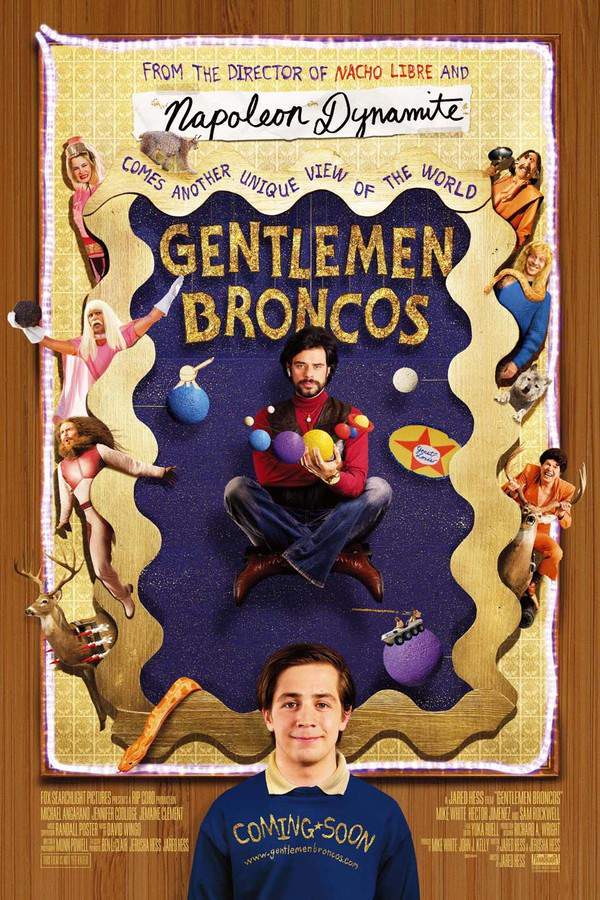
Deadpan absurdist coming of age like in On-Gaku: Our Sound

Aimless youth, blank stares, and strange small worlds that quietly upend themselves. Looking for movies like On-Gaku: Our Sound? These are deadpan, absurdist teen comedies and animated features where aimless, rebellious youth stumble into strange worlds and quiet self-discovery. If you loved the quirky, low-stakes, sideways humor of On-Gaku: Our Sound, this thread collects similar indie and animated gems.

  • deadpan
  • absurdist
  • slacker
  • rebellious
  • aimless
  • quirky
  • Tone: whimsical, deadpan, slightly melancholy
  • Pacing: steady, loose, episodic
Why these movies?

The story pattern: Stories in this thread typically introduce bored, slightly detached teenage characters drifting through school and suburbia with no clear ambition. A small, often absurd premise, a stolen instrument, a dead bird, a strange club, gives them something to do. Narratives unfold in loose episodic beats, with each scene offering a new small absurdity. Conflicts are minor and rarely resolved with drama, but characters quietly grow closer to a version of themselves they did not plan to become. Endings are bittersweet, hinting that the strange little chapter is ending but something real was learned.

Why they belong together: They are linked by tone more than plot: dry humor, absurdist premises, deadpan teenage protagonists, and a willingness to let scenes breathe without forcing big emotional payoffs. Pacing tends to be steady and the storytelling straightforward, prioritizing texture and character voice over twists. They feel cozy in their own weird way, even when nothing much happens.

If you liked this

Movies Like On-Gaku: Our Sound

Similar movies to On-Gaku: Our Sound: the same genre, themes or kind of story. Each one comes with its own plot summary, timeline and ending explained.

Browse all movie summaries

Every angle

On-Gaku: Our Sound (2019) Explained: Plot, Timeline & Characters

Everything about On-Gaku: Our Sound in one place: what happens in the plot summary, the timeline in chronological order, the characters and meaning and a spoiler-free summary. What's After the Movie adds the cast, box office and post-credit scenes.

Coming soon on iOS and Android

The Plot Explained Movie Summary App

Plot summaries, endings explained and timelines on your phone. Catch up on any movie in minutes, save your favorites and never miss a twist again.

Be the first to know when we launch. Your email stays private, always.

Learn more about the app