Plot Explained Spoilers guaranteed!
Plot Explained

Browse by genre

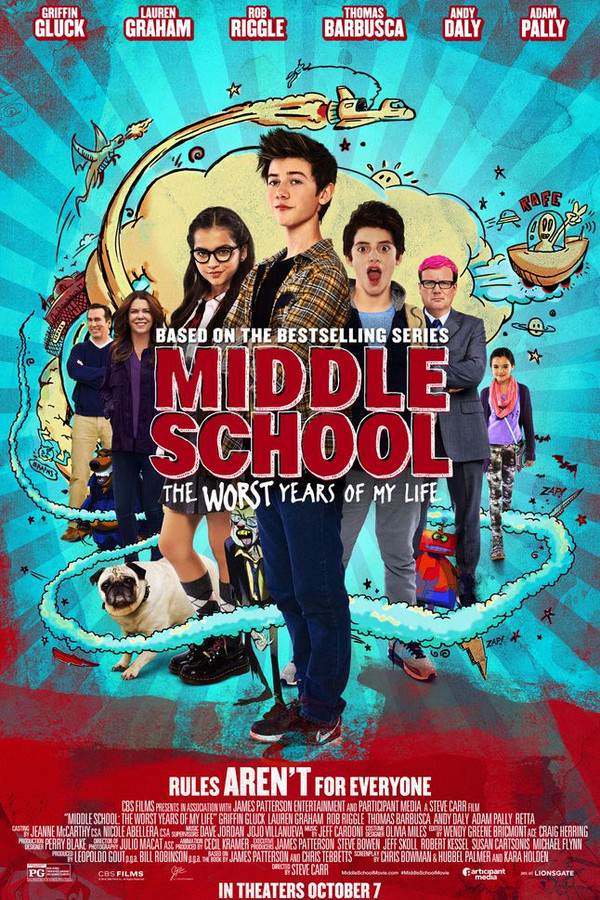
Middle School: The Worst Years of My Life (2016) movie poster

Plot Summary

Middle School: The Worst Years of My Life (2016) Plot Summary Explained

Release, runtime and language
2016 · 92 min · English
JustWatch #20,694 5
Directed by
Steve Carr
Budget
$8.5M

Rafe, a spirited and imaginative student, and his best friend Leo, devise a plan to challenge the strict rules of their middle school. Their rebellious acts trigger escalating responses from the school's humorous and formidable principal, Dwight. Amidst the chaos, Rafe also deals with personal struggles involving love and family, ultimately needing to face the repercussions of his actions and learn valuable lessons about responsibility and growing up.

On this page (7)
  1. 1 Where to watch
  2. 2 What happens: full plot
  3. 3 Plot questions answered
  4. 4 The book behind the movie
  5. 5 Movie threads
  6. 6 Movies like Middle School: The Worst Years of My Life
  7. 7 Every angle

Where to watch

Where to Watch Middle School: The Worst Years of My Life (2016)

Where can you watch Middle School: The Worst Years of My Life? Stream, rent or buy it in the US, including on HBO Max, Paramount Plus Essential and Paramount Plus Premium: current JustWatch availability with up-to-date prices.

Streaming availability powered by JustWatch

Full plot summary · contains spoilers

What Happens in Middle School: The Worst Years of My Life: Full Plot Summary

The whole story of Middle School: The Worst Years of My Life (2016) explained, from the opening scene to the final frame: every key event, every twist and what it all adds up to. Read it as a quick recap before the sequel, to check a scene you missed, or to finally understand what really happened.

We begin with Rafael 'Rafe' Khatchadorian, portrayed by Griffin Gluck, sketching fervently in his sketchbook. In his imagination, his drawings spring to life, even managing to jolt his alarm clock awake. His mother, Jules, played by Lauren Graham, enters and mentions that Rafe has been up all night drawing, a claim he quickly denies. Their conversation revolves around the difficulties of transitioning to a new school mid-semester, and Jules expresses her concern, revealing this is the last school that will accept him. She hands Rafe an unconventional lunch, urging him to think outside the box. Rafe's younger sister, Georgia (Alexa Nisenson), unexpectedly drives the family minivan around the corner, much to their mother’s dismay. As they arrive at school, Jules embraces Rafe and Georgia, informing them that she’ll be working a double shift as a sous chef while Carl (Rob Riggle) will be picking them up. The kids complain, despite Jules’ insistence that Carl has been supportive during tough times.

Upon entering the school, Rafe encounters Principal Dwight (Andy Daly), who reprimands him for multiple infractions despite his newcomer status. Dwight singles out Rafe’s shirt design and headphones as violations and hands him a school handbook to memorize. The school environment appears bleak and strict, filled with students walking in straight lines without any hint of creativity. Rafe finds his best friend, Leo (Thomas Barbusca), and they exchange thoughts on the oppressive atmosphere, lamenting that this is yet another school that won't keep them long.

As the day proceeds, Rafe meets Mr. Teller (Adam Pally), a relaxed teacher who introduces fun learning methods. However, Rafe's problems escalate when he faces off against the school bully, Miller (Jacob Hopkins), who antagonizes him in class. Later, during a Student Council assembly, a candidate named Jeanne (Isabela Moner) speaks about the need for change in the school, but she is cut off by Dwight. Rafe stands alone in his applause, indicating his support for change.

Drawn to Jeanne, Rafe begins channeling his frustration into comic ideas, envisioning Principal Dwight as a cartoon zombie. When a fellow student takes Rafe's sketchbook, it is confiscated by Vice Principal Stricker (Retta), leading Rafe to be sent to Dwight’s office. Faced with punishment, Rafe watches as his creation is destroyed in a bucket of acid, deepening his despair. After school, Leo attempts to uplift Rafe by reminding him of his creative spirit and introduces him to a new sketchbook, igniting a spark of rebellion within Rafe. With a newfound partnership, they devise increasingly elaborate pranks targeting the stuffy administration, escalating to amusingly outrageous levels.

As their antics intensify, Rafe grows closer to Jeanne, who admires his rebellious approach. However, he wrestles with the memory of his deceased brother, revealing deeper emotional struggles. Rafe’s journey takes a sudden turn when his mother announces her plan to send him to military school after he lands in hot water for his pranks. This revelation leads to heartfelt discussions about loss and the bond they share over their late family member.

Amid these personal challenges, Rafe decides to stand against the tyrannical Dwight, rallying his classmates to fight back by uncovering the principal's corrupt motives. With teamwork, creativity, and a a bustling montage of humorous mischief, Rafe and his friends expose Dwight’s shady practices, culminating in a dramatic showdown where Rafe bravely confronts him and reclaims his artistic voice.

In a touching emotional conclusion, Rafe makes peace with his brotherly bond, indicating growth as he finds solace in friendship and acceptance. Rafe and Jeanne connect in a heartfelt kiss, marking a new beginning as animated aliens reminiscent of Rafe’s imagination join in the festivities, signaling the joyful resolution of their struggles and the crucial importance of creativity and individual expression in overcoming adversity.
Last updated: November 03, 2024 at 21:17

Was this helpful?

Plot questions answered

Middle School: The Worst Years of My Life Plot Explained: Your Questions Answered

The questions people ask most about Middle School: The Worst Years of My Life (2016): what happens in the confusing scenes, why the characters do what they do, the twists, hidden details and what the ending means. Each answer contains spoilers.

Q1

Why does Principal Dwight destroy Rafe's sketchbook?

Principal Dwight destroys Rafe's sketchbook as punishment for the creative content inside, which he views as a violation of the school's strict no-imagination policy. The destruction happens in a bucket of acid in Vice Principal Stricker's office, symbolically attacking Rafe's core form of self-expression. This moment marks a turning point that fuels Rafe's rebellion against the oppressive school administration.

Foreshadowing: Earlier, Rafe is reprimanded for wearing a creative shirt design and headphones, establishing Dwight's zero-tolerance attitude toward any form of creativity.

  • sketchbook destruction
  • principal dwight
  • creativity ban
  • punishment
Q2

Why does Rafe's mom threaten to send him to military school?

Jules threatens to send Rafe to military school after his escalating pranks land him in serious trouble at school. This threat comes during a vulnerable moment when she reveals she's working double shifts as a sous chef to support the family, and the combination of Rafe's behavioral problems and financial pressure makes her consider the military school option as a last resort.

Foreshadowing: At the beginning, Jules warns Rafe that this is the last school that will accept him, setting up the stakes for his behavior.

  • military school
  • Jules
  • family pressure
  • consequences
Q3

What happened to Rafe's brother and why does it matter?

Rafe's brother is deceased, though the exact circumstances are not detailed in the summary. This loss weighs heavily on Rafe and serves as the emotional core of his character arc. The memory of his brother connects to his personal struggles throughout the film, and making peace with this loss becomes essential to his emotional resolution.

Foreshadowing: Rafe wrestles with the memory of his deceased brother throughout the story, particularly when facing personal challenges.

  • deceased brother
  • grief
  • family loss
  • emotional struggle
Q4

What corrupt behavior is Principal Dwight hiding?

The summary indicates that Rafe and his classmates uncover corrupt motives behind Principal Dwight's strict rule-making. While specific details aren't fully detailed in the provided summary, the film depicts Dwight as abusing his authority by imposing oppressive rules for personal gain, which Rafe exposes during the climactic confrontation.

Foreshadowing: Early scenes show Dwight selectively enforcing rules against Rafe while showing favoritism, hinting at unfair administration.

  • principal dwight
  • corruption
  • abuse of power
  • exposure
Q5

Why does Rafe's mom work double shifts?

Jules works double shifts as a sous chef to support her family financially after what appears to be a difficult period. This sacrifice explains why she's stressed and why the children are left in the care of Carl, whom the kids are skeptical about. Her demanding work schedule adds pressure to the family dynamic and influences her decision-making regarding Rafe's behavior.

Foreshadowing: At the start, Jules mentions this is the last school that will accept Rafe, indicating the family has been through significant challenges.

  • Jules
  • double shift
  • financial stress
  • family struggles
Q6

Why do Rafe's drawings come to life at the end?

The animated aliens at the film's conclusion represent the triumph of Rafe's imagination and creativity over the oppressive rules that suppressed it. Throughout the film, his drawings are shown as a form of escape and rebellion, and the whimsical animation in the ending symbolizes that embracing his creative identity leads to joy and acceptance.

Foreshadowing: The film opens with Rafe's imagination bringing his sketchbook drawings to life, establishing this as his unique gift.

  • animated aliens
  • imagination
  • creativity
  • ending resolution
Q7

Why does Jeanne support Rafe's rebellion?

Jeanne is inspired by Rafe's rebellious spirit because he is the only student who openly supports her call for change during the Student Council assembly. She appreciates his creativity and willingness to challenge the oppressive school system, which mirrors her own desire to transform the school environment.

Foreshadowing: Jeanne's speech about needing change is met with silence until Rafe applauds alone, signaling their connection.

  • Jeanne
  • support
  • rebellion
  • romantic connection
Q8

Why does Rafe resist his mom's relationship with Carl?

Rafe and Georgia are skeptical of Carl, their mother's new partner, despite Jules insisting he has been supportive during difficult times. The kids' resistance reflects their struggle with family changes and their loyalty to their late family member, adding tension to the household dynamics.

Foreshadowing: Jules mentions Carl has been there for them during tough times, but the children remain resistant to accepting him.

  • Carl
  • family dynamics
  • stepfather
  • resistance
Q9

How do Rafe and Leo's pranks escalate throughout the movie?

After Rafe's sketchbook is destroyed, Leo introduces him to a new sketchbook, reigniting his creative spirit. Together, they devise increasingly elaborate pranks targeting the strict administration, starting small and building to massive, coordinated acts of rebellion that eventually expose Principal Dwight's corruption.

Foreshadowing: Leo reminds Rafe of his creative spirit after the devastating sketchbook destruction, sparking the partnership.

  • pranks
  • Leo
  • escalation
  • rebellion
Q10

Why does Rafe get in trouble on his first day at school?

Principal Dwight reprimands Rafe on his first day for wearing a creatively designed shirt and headphones, both of which violate the school's strict dress code. Despite being a newcomer, Dwight singles him out immediately, establishing the oppressive atmosphere Rafe must navigate.

Foreshadowing: Jules warns Rafe about transitioning to a new school, but his creative expression immediately causes conflict.

  • first day
  • dress code violation
  • principal dwight
  • trouble

Movie threads

More Movies Like Middle School: The Worst Years of My Life, by Mood & Story

Curated lists built around what makes Middle School: The Worst Years of My Life tick: the same mood, the same kind of story or the same emotional payoff. Each list explains why these movies belong together.

Movies about creative rebellion like Middle School: The Worst Years of My Life

Stories where playful creativity is the ultimate weapon against oppressive rules. Discover more movies like Middle School: The Worst Years of My Life, where spirited characters use whimsical pranks and imagination to fight back against oppressive systems. These stories combine comedy with heartfelt themes of self-expression and feature triumphant, happy endings.

  • rebellious
  • imaginative
  • playful
  • triumphant
  • heartfelt
  • creative
  • Tone: whimsical, playful
  • Pacing: steady, character-driven
Why these movies?

The story pattern: Stories in this thread typically feature a protagonist or group feeling crushed by an overly strict institution, often a school. Their rebellion isn't violent but inventive, using clever plans, art, or pranks to expose the system's absurdity. The conflict escalates playfully, leading to a climax where creativity ultimately triumphs, often teaching a lesson about responsibility.
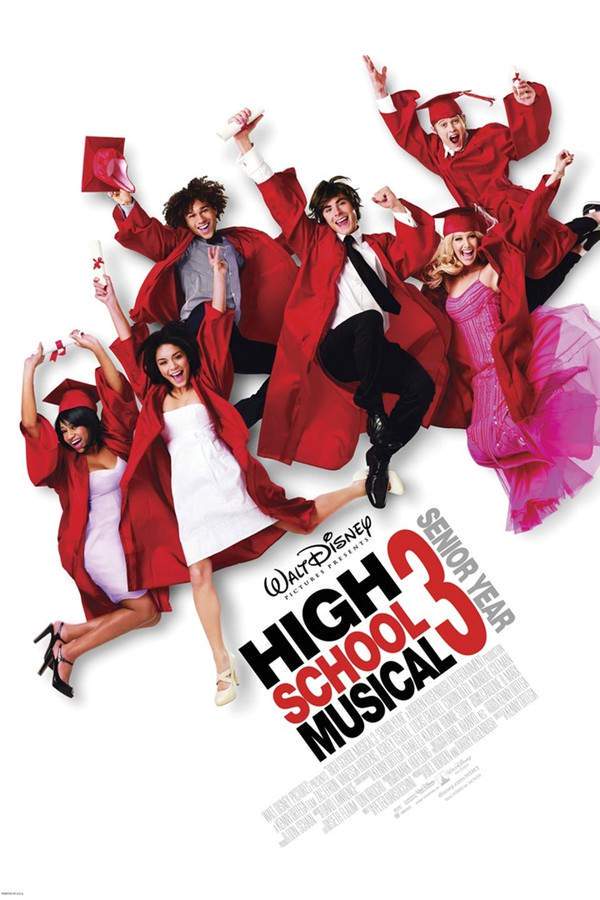
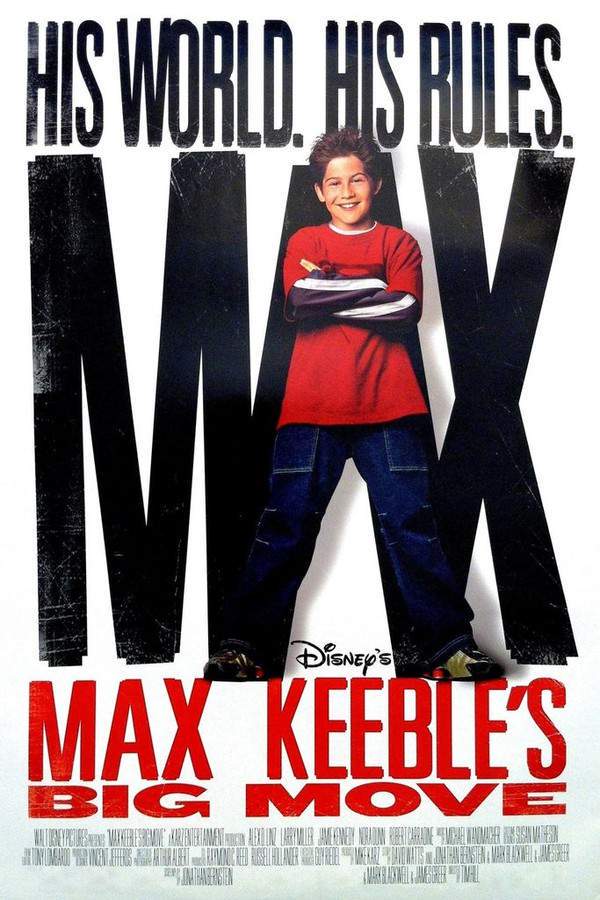
Why they belong together: These films are grouped by their shared core conflict: a whimsical, creative spirit clashing with rigid authority. They maintain a steady pace, balancing comedic rebellion with moments of genuine emotional weight, and consistently deliver a happy, satisfying resolution that celebrates ingenuity.
Whimsical coming-of-age movies similar to Middle School: The Worst Years of My Life

Journeys of youthful self-discovery that blend playful antics with sincere emotional growth. If you liked the blend of playful humor and heartfelt emotion in Middle School: The Worst Years of My Life, explore these similar coming-of-age stories. These movies capture the triumphs and struggles of youth with a whimsical tone and a focus on creativity, identity, and overcoming personal challenges.

  • heartfelt
  • playful
  • triumphant
  • imaginative
  • coming of age
  • hopeful
  • Tone: whimsical, heartfelt
  • Pacing: steady, focused on growth
Why these movies?

The story pattern: The narrative follows a young protagonist navigating the complexities of adolescence. External events, like school life or friendships, are often portrayed with a whimsical or exaggerated flair. This playful surface is underpinned by a more serious internal journey, such as coping with loss or finding one's voice, leading to meaningful personal growth and a positive resolution.

Why they belong together: Movies in this thread share a specific emotional mix: they are fundamentally hopeful and playful, yet they aren't afraid to touch on real emotional weight. The tone is consistently whimsical, the pacing is steady to allow for character development, and the endings provide a sense of closure and happiness, making the emotional journey rewarding.

If you liked this

Movies Like Middle School: The Worst Years of My Life

Similar movies to Middle School: The Worst Years of My Life: the same genre, themes or kind of story. Each one comes with its own plot summary, timeline and ending explained.

Browse all movie summaries

Every angle

Middle School: The Worst Years of My Life (2016) Explained: Plot, Timeline & Characters

Everything about Middle School: The Worst Years of My Life in one place: what happens in the plot summary, the timeline in chronological order, the characters and meaning and a spoiler-free summary. What's After the Movie adds the cast, box office and post-credit scenes.

Coming soon on iOS and Android

The Plot Explained Movie Summary App

Plot summaries, endings explained and timelines on your phone. Catch up on any movie in minutes, save your favorites and never miss a twist again.

Be the first to know when we launch. Your email stays private, always.

Learn more about the app