A group of university students embark on a night of revelry, leading a young woman known as "The Girl with Black Hair" into a series of bizarre and surreal encounters with the city's nightlife. Unbeknownst to her, a senior student, "Senpai," is orchestrating increasingly elaborate schemes to engineer chance meetings, all in the hopes of winning her affection. Fate seems to be at play as their paths intertwine throughout the night.
Find where to stream, rent, or buy Night Is Short, Walk On Girl (2017) in the US with current JustWatch availability, up-to-date pricing, and platform listings for subscription, rental, and digital purchase options.
Warning: spoilers below!
Haven’t seen Night Is Short, Walk On Girl yet? This summary contains major spoilers. Bookmark the page, watch the movie, and come back for the full breakdown. If you're ready, scroll on and relive the story!
Read the complete plot breakdown of Night Is Short, Walk On Girl (2017), including all key story events, major twists, and the ending explained in detail. Discover what really happened, and what it all means.
Two university students embark on a single, fateful night, one that begins with a hopeful confession and soon winds through a series of chance encounters, misadventures, and quiet revelations. The story centers on the kōhai, an unnamed woman, and the senpai, the unnamed man who longs to tell her how he feels. In the opening moments, the senpai Gen Hoshino sets out to disclose his love, while the kōhai Kana Hanazawa navigates the night with a mix of curiosity and reluctance. What starts as a straightforward romantic gesture gradually unfurls into a tapestry of intimate moments, social scrapes, and tiny miracles that keep them apart and somehow drawing closer at the same time.
Their paths cross with a bolder, sharper energy when the kōhai encounters a troublesome figure at a bar. A crude advance from the man named Tōdō is met with a decisive punch, and the aftermath earns the admiration of two memorable companions: Higuchi, played by Kazuya Nakai, and Hanuki, brought to life by Yuhko Kaida. Higuchi and Hanuki become impromptu guides, dragging the kōhai into a string of late-night parties where inhibitions loosen and laughter comes easily. Under their wing, she drinks with a fearless gusto that contrasts with the senpai’s more cautious approach, and the trio’s camaraderie carries the night forward in unexpected directions.
A moment of almost-magical tension arrives when the kōhai and her new friends drift into a surreal drinking game with Ri Haku, a supernatural being voiced by Mugihito. The challenge is dizzying, and the kōhai emerges triumphant, her name and bravado echoing through the dim lights of the night. This encounter threads a thread of fantasy into the evening, hinting that the boundaries between the ordinary and the extraordinary are thinner than they might appear.
The evening’s next stop is a used-book festival, a place where old stories still breathe and where a picture book from the kōhai’s childhood sits among a curated treasure trove. Here, Ri Haku hosts a spicy foods contest that pits devoted book collectors against each other in a playful, competitive atmosphere. The senpai spots his target—a book that holds sentimental value for the kōhai—and he competes to win it. Though his victory seems straightforward, the contest is interrupted by the God of Used Book Festivals, a resonant force who reclaims fairness and reintroduces the entire collection to the festival at fair prices. The intervention softens the sting of competition and nudges the night toward a gentler, communal mood. The God of Used Book Festivals is voiced by Hiroyuki Yoshino, lending a guiding, almost mythic presence to the proceedings.
With the book secured, the senpai and kōhai move toward a school festival where the romance they hoped for might finally be realized. The senpai learns that the kōhai is scheduled to star in the final scene of a guerilla theatre production. He makes a last-ditch effort to step in as the male lead, but his plan falters, and the moment remains out of reach. A bad cold settles in, and he heads home, the ache of what could have been lingering with him as he closes the door.
Meanwhile, the kōhai campuses a circle of the night’s companions, checking in on each of them as they battle the same stubborn cold that has affected the senpai. She tends to their wounds, both literal and emotional, nursing them back toward health with quiet, compassionate care. Her final visit is to the senpai, a small but meaningful acknowledgment that the night’s threads still connect them. In a simple, hopeful gesture, he hands her a copy of Ratatatam and suggests they visit a used bookstore together. She responds with genuine enthusiasm, and the two agree to pursue the idea.
The film closes on a soft, domestic note: the two meet for coffee before stepping out together toward a bookstore, a promise of continued conversation and discovery. What began as a bedroom-bound confession becomes a night-long odyssey that reveals how chance encounters, bold choices, and shared moments of vulnerability can redraw the map of a possible romance. Throughout, the story remains grounded in the textures of everyday life—bars, festivals, and bookstores—while allowing a whisper of the magical to remind us that some connections are written in the margins of the ordinary.
Senpai: Gen Hoshino
kōhai: Kana Hanazawa
Higuchi: Kazuya Nakai
Hanuki: Yuhko Kaida
Ri Haku: Mugihito
God of Used Book Festivals: Hiroyuki Yoshino
Last updated: October 01, 2025 at 13:06
Explore frequently asked questions about Night Is Short, Walk On Girl (2017) with spoiler-rich answers covering the full plot summary, major story beats, character motivations, hidden details, and ending meaning. This movie summary FAQ helps explain confusing scenes, plot twists, and narrative decisions in clear, searchable detail.
The senpai repeatedly attempts to confess but circumstances constantly pull them apart. He's more cautious and introverted compared to the kōhai's adventurous spirit. By the time he gets close to telling her at the school festival, he catches a cold and has to go home. The movie subverts the typical romance confession moment, letting their connection develop through shared experiences instead of explicit words.
Early in the evening, the senpai sets out with the intention to confess, but the night spirals into chaos that constantly derails his plans.
The picture book from her childhood represents nostalgic memories and a piece of her past. When the senpai spots it at the used book festival, he enters the competition specifically to win it for her as a meaningful gift. His effort to obtain this sentimental item shows his attentiveness to her background and his desire to connect with her on a deeper level.
The book appears early in discussions as something the kōhai cherishes, making the senpai's later quest to obtain it feel motivated.
Ri Haku is a supernatural being who hosts an elaborate drinking game at a bar during the night. He represents the film's fantasy element that blurs the line between ordinary and extraordinary. The kōhai participates in his challenge and wins, which demonstrates her boldness and earns her recognition among the partygoers.
The film's description hints at surreal encounters with unusual figures, setting up Ri Haku's magical appearance.
The God of Used Book Festivals is a mystical figure who appears at the book festival when chaos erupts over the rare collection. He redistributes all of Ri Haku's books back to the festival at fair prices, restoring order and allowing everyone access to the books. This intervention allows the senpai to finally secure the picture book for the kōhai.
The competitive atmosphere at the book festival hints at something magical about to happen with the rare collection.
The senpai catches a cold after his failed attempt to insert himself into the kōhai's guerrilla theatre scene at the school festival. This illness forces him to return home, temporarily halting his romantic pursuit. However, it creates an opportunity for the kōhai to visit him the next day, which becomes a turning point where they finally connect.
The senpai's exhaustion from running around the city all night makes him vulnerable to illness.
After the kōhai punches Tōdō at the bar for making an unwanted advance, Higuchi and Hanuki admire her boldness and invite her to join their night of gatecrashing parties across the city. She accepts and spends the night moving from one celebration to another, drinking and embracing the chaotic energy of the night.
Her decisive action against Tōdō directly leads to meeting these companions who reshape her night.
The guerrilla theatre is part of the school festival where the kōhai is cast in the final scene. The senpai tries to become the male lead to get closer to her, but his plan fails. This moment highlights how their paths keep crossing without actually connecting, and it marks the closest they get to being together before the night takes another turn.
The school festival is established as their next destination after the book festival.
The ending shows them meeting for coffee the next morning and planning to visit a used bookstore together. While no formal confession occurs, their mutual enthusiasm for the bookstore plan and the kōhai's willingness to check on him while he was sick suggests their connection has deepened. The film ends on a hopeful note with the promise of future adventures together.
Earlier, the kōhai visits all her companions who caught the same cold, with her final visit being to the senpai.
Tōdō makes an unwelcome sexual advance toward the kōhai at the bar. When he crosses the line, she responds by punching him in self-defense. This moment establishes her bold, assertive character and catches the attention of Higuchi and Hanuki, who admire her willingness to stand up for herself.
The opening setup establishes the kōhai's straightforward, unafraid personality.
Ratatatam appears to be a picture book that the kōhai owns. At the end, she brings a copy to the senpai and suggests they visit a used bookstore together. This gesture shows her initiating future contact, turning what could have been a missed connection into a new opportunity.
The book exchange happens after she's nursed him back to health from his cold.
Discover curated groups of movies connected by mood, themes, and story style. Browse collections built around emotion, atmosphere, and narrative focus to easily find films that match what you feel like watching right now.
Stories where a single night unfolds into a surreal and life-changing adventure.Find more movies like Night Is Short, Walk On Girl that capture the surreal and romantic energy of a single transformative night. If you enjoyed the whimsical encounters and fast-paced adventure, these films offer similar stories of serendipity and urban magic.
The narrative follows characters, often young adults, as they venture out for what seems like a simple night out, only to have it spiral into a series of surreal, interconnected events. The journey is less about a concrete goal and more about the experience itself, with chance meetings and magical realism guiding the path towards a hopeful conclusion, often centered on a romantic or personal connection.
These films are grouped by their shared focus on the nighttime as a catalyst for adventure, a tone that blends whimsical fantasy with lighthearted romance, and a fast-paced structure built on a sequence of delightful, serendipitous events. They create a feeling of a world brimming with hidden magic and possibility.
Stories of awkward but heartfelt romantic pursuits that border on the absurd.If you liked the senpai's elaborate attempts at courtship in Night Is Short, Walk On Girl, explore similar movies where quirky characters orchestrate absurd plans in the name of love. These films share a lighthearted, surreal, and fast-paced approach to romance.
The plot revolves around a persistent suitor whose elaborate plans to get close to their crush consistently go awry in humorous ways. Despite the failures, the journey is filled with charm and growing affection. The narrative uses coincidence and a touch of magical realism to repeatedly bring the characters together, building towards a sweet and satisfying resolution where genuine connection triumphs over awkward strategy.
This grouping focuses on a specific character dynamic—the determined, quirky admirer—and a narrative structure built on comedic failed schemes and fated encounters. The shared mood is light, playful, and optimistically romantic, with a pacing that keeps the absurd situations coming.
Don't stop at just watching - explore Night Is Short, Walk On Girl in full detail. From the complete plot summary and scene-by-scene timeline to character breakdowns, thematic analysis, and a deep dive into the ending - every page helps you truly understand what Night Is Short, Walk On Girl is all about. Plus, discover what's next after the movie.
Track the full timeline of Night Is Short, Walk On Girl with every major event arranged chronologically. Perfect for decoding non-linear storytelling, flashbacks, or parallel narratives with a clear scene-by-scene breakdown.
Discover the characters, locations, and core themes that shape Night Is Short, Walk On Girl. Get insights into symbolic elements, setting significance, and deeper narrative meaning - ideal for thematic analysis and movie breakdowns.
Discover movies like Night Is Short, Walk On Girl that share similar genres, themes, and storytelling elements. Whether you’re drawn to the atmosphere, character arcs, or plot structure, these curated recommendations will help you explore more films you’ll love.
Night Is Short, Walk On Girl (2017) Scene-by-Scene Movie Timeline
Night Is Short, Walk On Girl (2017) Movie Characters, Themes & Settings
Night Is Short, Walk On Girl (2017) Spoiler-Free Summary & Key Flow
Movies Like Night Is Short, Walk On Girl – Similar Titles You’ll Enjoy
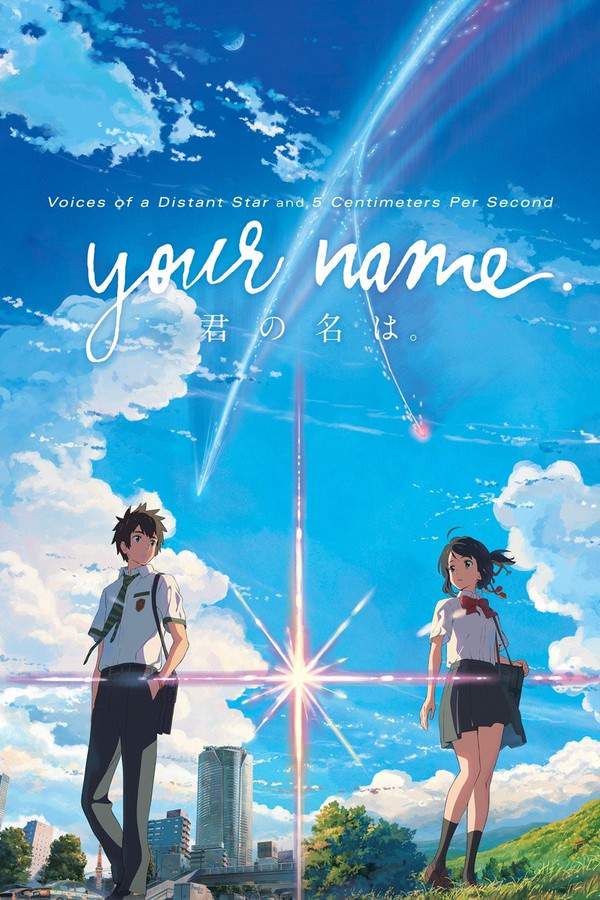
Your Name. (2017) Detailed Story Recap
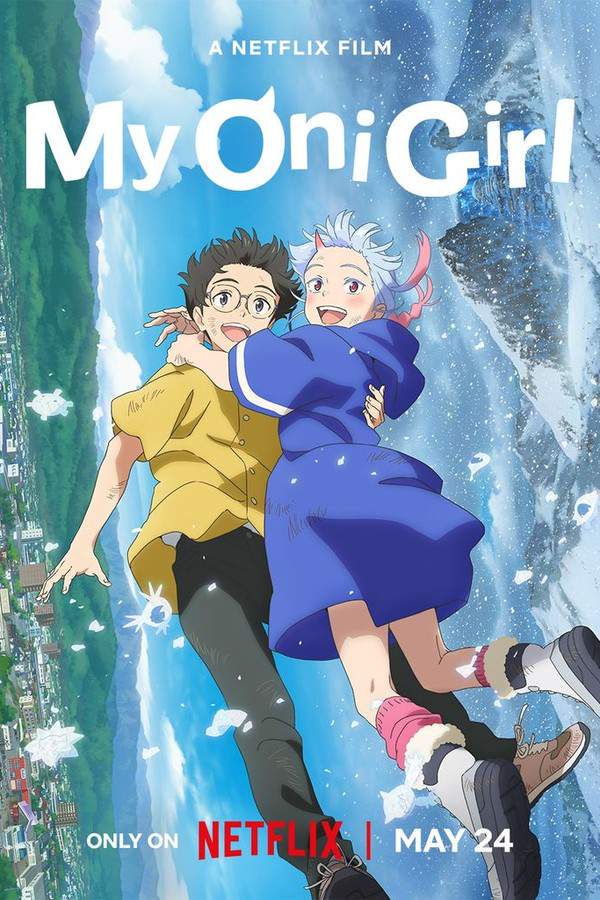
My Oni Girl (2024) Detailed Story Recap
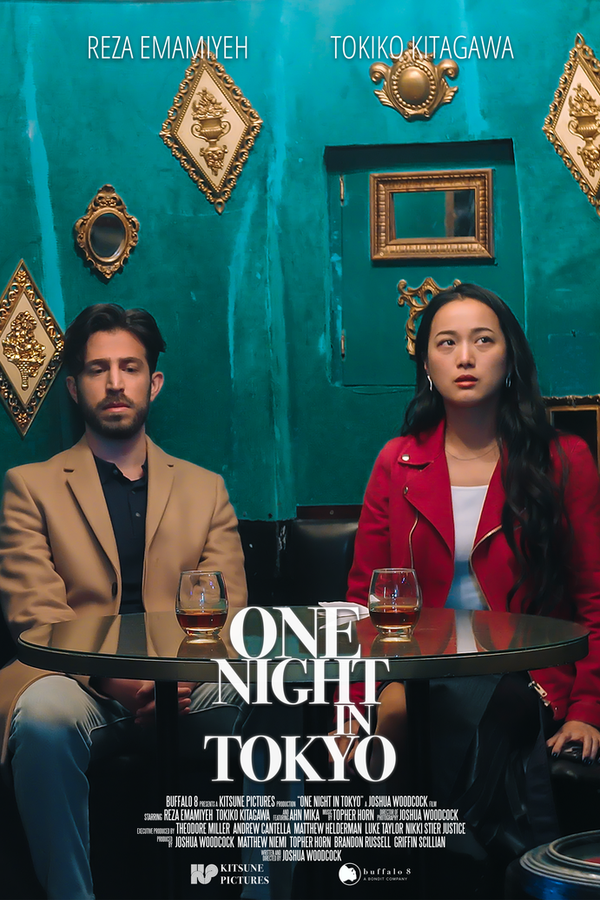
One Night in Tokyo (2025) Plot Summary & Ending Explained
Love Hina (1000) Story Summary & Characters
Night Time Picnic (2006) Ending Explained & Film Insights
Night on the Galactic Railroad (1985) Full Summary & Key Details
Girls Night Out (1987) Plot Summary & Ending Explained
Open the Door (1986) Film Overview & Timeline
Nightsong of Splendor (1000) Film Overview & Timeline
Call of the Night (1000) Spoiler-Packed Plot Recap
Tenchi Muyou! The Night Before the Carnival (1993) Full Summary & Key Details
Night in Paradise (1946) Spoiler-Packed Plot Recap
Nightwalker: The Midnight Detective (1000) Full Summary & Key Details
Miss Night and Day (1000) Complete Plot Breakdown
The Most Beautiful Night In The World (2008) Film Overview & Timeline