
Nam Naadu
Year: 2007
Runtime: 162 mins
Language: Tamil
Director: AR. Suresh
Nam Naadu follows corrupt education minister Aalavandhar, who schemes to become chief minister with the help of his two son‑in‑laws: IPS officer Sathya, who runs a finance company, and IAS collector Ilamaran. Their plan to destabilise the state and undermine the sitting CM draws the opposition of Muthazhagu, an honest youth wing leader of the ruling party, who uncovers their plot and stands against their manipulations.
Warning: spoilers below!
Haven’t seen Nam Naadu yet? This summary contains major spoilers. Bookmark the page, watch the movie, and come back for the full breakdown. If you're ready, scroll on and relive the story!
Timeline – Nam Naadu (2007)
Trace every key event in Nam Naadu (2007) with our detailed, chronological timeline. Perfect for unpacking nonlinear stories, spotting hidden connections, and understanding how each scene builds toward the film’s climax. Whether you're revisiting or decoding for the first time, this timeline gives you the full picture.
Last updated: October 09, 2025 at 15:10
Nam Naadu (2007) Timeline Questions Answered – Chronology FAQ
Find frequently asked questions about the Nam Naadu (2007) timeline, including chronological order, nonlinear jumps, cause-and-effect links, and scene sequence clarifications. This timeline FAQ helps explain when key events happen, how moments connect, and why the story unfolds in that specific order.
Why does Muthazhagu decide to contest elections as an independent candidate?
Muthazhagu decides to contest as an independent candidate after his attempts to resolve the village land dispute through proper channels fail. When he tries to meet the district collector Ilamaran to discuss the factory project, he is rebuffed. He then takes the matter to court and secures a stay order, but realizes that to truly protect the people and challenge the corrupt political nexus led by his own father-in-law, he needs electoral power. This political move allows him to directly oppose the corrupt faction from within the system.
Earlier, Muthazhagu is shown as an honest youth wing leader who openly opposes the shady plans of Aalavandhar and his sons-in-law, establishing his principled stance.
Who is revealed as the mastermind behind the crimes in Nam Naadu?
Sathya is revealed as the mastermind behind the entire conspiracy. He is an ex-IPS officer who runs a finance company and is married to Aalavandhar's daughter. Sathya orchestrates the scheme to destabilize the state, manipulates the land allocation for the factory, and is responsible for the murders and manipulations that plague the state. Even Aalavandhar himself is ultimately revealed to be a pawn in Sathya's larger plan.
Aalavandhar admits to his mistakes and asks Muthazhagu to return home, hinting that he has been controlled by others.
How does Aalavandhar die and what are the circumstances surrounding his death?
Aalavandhar dies in a tragic accident during an official trip to Delhi. After reconciling with Muthazhagu and bringing him and his wife Gowri back into the family, Aalavandhar travels to Delhi on official work. During this trip, he meets with an accident that proves fatal. His death shocks the household and creates immediate tension, with Muthazhagu's mother accusing her son of being responsible for the rift and the loss of his father.
The reconciliation between Aalavandhar and Muthazhagu marks a fragile pause in the conflict, and the subsequent tragedy suggests this peace was temporary.
How does Muthazhagu become the Home Minister in the movie?
Muthazhagu rises to power by contesting the election as an independent candidate. His campaign is driven by his opposition to the corrupt practices of Aalavandhar and his sons-in-law, particularly the controversial factory land deal. He wins the election, defeating the corrupt faction's control. After winning, he aligns with the ruling party and enters the ministry as the Home Minister, a position that gives him significant power to implement reformist policies.
Muthazhagu's earlier fight in court and his stance against the factory project establish his reputation as a people-oriented leader.
What is the factory land deal controversy in Nam Naadu about?
The controversy centers on Aalavandhar and his sons-in-law allocating land in a village for a cool-drink factory. The village has abundant land and water resources, making it valuable for commercial development. The villagers strongly oppose the move because it threatens their livelihoods and environment. Despite opposition, the in-laws press ahead with construction orders. Muthazhagu supports the villagers, tries to meet the district collector, and when rebuffed, takes the matter to court where he secures a stay order halting the project.
The land deal is introduced early as the catalyst that brings Muthazhagu into direct conflict with his father-in-law's political machinery.
Why does Muthazhagu kill Sathya at the end of Nam Naadu?
Muthazhagu kills Sathya in the climactic confrontation as the culmination of his fight against corruption and to avenge his father's death. After discovering that Sathya was the mastermind behind all the crimes, including the murders and manipulations that plagued the state, Muthazhagu confronts his brother-in-law. The killing represents both personal vengeance for the betrayal and the violent end of the corrupt network that Sathya had controlled.
The revelation that Sathya was behind the crimes, hinted at through Aalavandhar's public confession, sets up the final confrontation.
What causes Aalavandhar to confess his mistakes and reconcile with Muthazhagu?
Aalavandhar's change of heart comes when he witnesses Muthazhagu's governance as Home Minister. He sees the younger man pushing for welfare-centered policies, prioritizing public welfare, and operating with transparency and accountability, everything Aalavandhar's own corrupt practices were not. Confronted with the consequences of his past misdeeds and perhaps sensing the danger Sathya poses, Aalavandhar confesses his mistakes to Muthazhagu and asks him to return home and reconcile with the family.
Earlier, Aalavandhar is shown growing irritated by Muthazhagu's assertive governance, but this frustration transforms into realization.
What roles do Aalavandhar's sons-in-law play in the corruption scheme?
Aalavandhar's two sons-in-law serve as his key allies in the corrupt scheme. Sathya, an ex-IPS officer who runs a finance company, is the schemer who orchestrates much of the manipulation. Ilamaran, an IAS district collector, uses his administrative power to implement the land allocation and issue construction orders despite village opposition. Together with Aalavandhar, they form a corrupt alliance to destabilize the state and undermine the Chief Minister for their own political and financial gain.
The trio is introduced early as a unified corrupt force operating within the state's political system.
Why does Muthazhagu's mother accuse him of his father's death?
After Aalavandhar dies in the Delhi accident, Muthazhagu's mother suspects her son could be responsible for the rift and the loss of her husband. The accusation arises from the family tension and political conflict that had developed between Muthazhagu and his father-in-law. The timing of Aalavandhar's death so soon after the family's reconciliation, combined with the underlying political enmity, leads her to question whether Muthazhagu's actions contributed to the tragedy.
The reconciliation between Aalavandhar and Muthazhagu is fragile, and the subsequent death immediately creates suspicion.
What reforms does Muthazhagu implement as Home Minister?
As Home Minister, Muthazhagu uses his position to push for welfare-centered governance and reform. He issues directives across departments to prioritize public welfare, ensures resources are directed toward actual needs, and demands transparency, efficiency, and responsiveness from government institutions. His leadership represents a clear break from the previous corrupt administration, challenging the status quo and unsettling those who previously controlled the political system.
Muthazhagu's earlier fight for the villagers and his court case demonstrate his commitment to public welfare.

Explore Movie Threads
Discover curated groups of movies connected by mood, themes, and story style. Browse collections built around emotion, atmosphere, and narrative focus to easily find films that match what you feel like watching right now.
Movies like Nam Naadu: Fighting Systemic Corruption
Stories of one honest individual challenging a deeply corrupt and entrenched establishment.If you liked the determined fight against political corruption in Nam Naadu, explore these similar movies. This collection features stories of principled heroes challenging crooked systems, with high-stakes tension, gritty confrontations, and themes of moral duty and redemption.













Narrative Summary
These narratives typically follow a linear path from the discovery of a deep-rooted conspiracy to a direct, often dangerous, confrontation with the corrupt powers. The protagonist's journey is one of escalating stakes, where their integrity is tested against the system's ruthless manipulation, leading to significant personal sacrifice.
Why These Movies?
Movies in this thread are grouped by their central conflict: a morally upright individual pitted against a powerful, corrupt institution. They share a dark, tense tone, a steady pacing that builds towards a climactic showdown, and a heavy emotional weight derived from the high cost of integrity.
Gritty Political Thrillers with Bittersweet Endings like Nam Naadu
Political victories that are achieved, but leave behind a trail of personal tragedy.Fans of Nam Naadu's tense atmosphere and its bittersweet conclusion will find similar movies here. These political dramas and thrillers deliver justice but are shadowed by personal sacrifice, featuring heavy emotional weight, dark themes of betrayal, and a sobering view of power.

The Black Book
2023
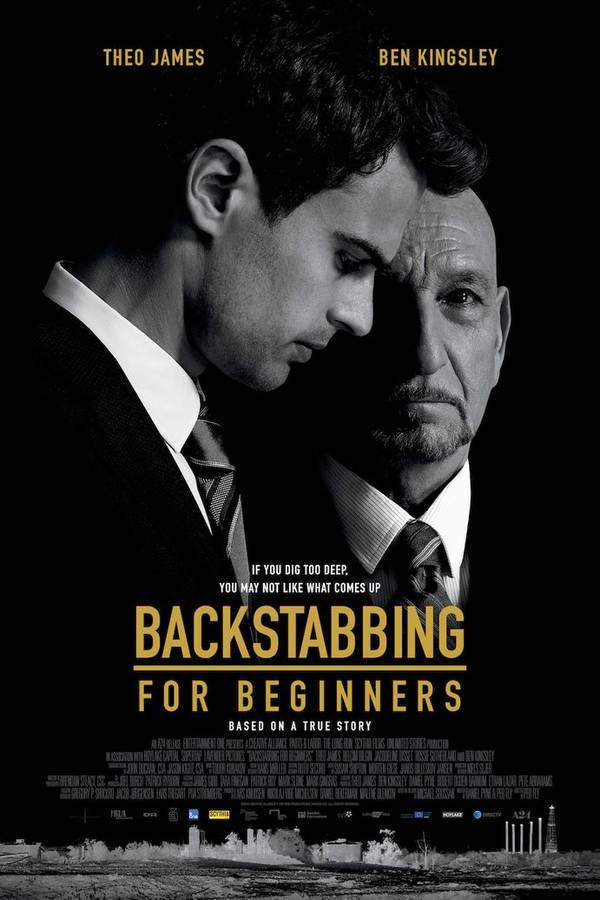
Backstabbing for Beginners
2018

No Tears for the Dead
2014

Edge of Darkness
2010

22 Bullets
2010

Revanche
2009

Yadang: The Snitch
2025

Sinners and Saints
2010

Vengeance
2010

The Turning Point
1952

The Last Days of American Crime
2020

The Verdict
1946

Blood for Dust
2024

The Bell Keeper
2023

I, the Jury
1953
Narrative Summary
The narrative pattern involves uncovering and dismantling a political conspiracy, leading to a climax where the antagonist is defeated. However, the resolution is tempered by the death or tragedy of an ally or loved one, ensuring the victory is not a clean, happy ending but one marked by sorrow and the high price of principle.
Why These Movies?
These films are united by their specific emotional blend: the satisfaction of a corrupt figure being brought down is undercut by a poignant sense of loss. They share a dark tone, steady pacing, high intensity, and a bittersweet ending feel that acknowledges the real cost of fighting corruption.
Unlock the Full Story of Nam Naadu
Don't stop at just watching - explore Nam Naadu in full detail. From the complete plot summary and scene-by-scene timeline to character breakdowns, thematic analysis, and a deep dive into the ending - every page helps you truly understand what Nam Naadu is all about. Plus, discover what's next after the movie.
Nam Naadu Summary
Read a complete plot summary of Nam Naadu, including all key story points, character arcs, and turning points. This in-depth recap is ideal for understanding the narrative structure or reviewing what happened in the movie.

Characters, Settings & Themes in Nam Naadu
Discover the characters, locations, and core themes that shape Nam Naadu. Get insights into symbolic elements, setting significance, and deeper narrative meaning - ideal for thematic analysis and movie breakdowns.


