









Plot Explained Spoilers guaranteed!
Plot Explained

Browse by genre

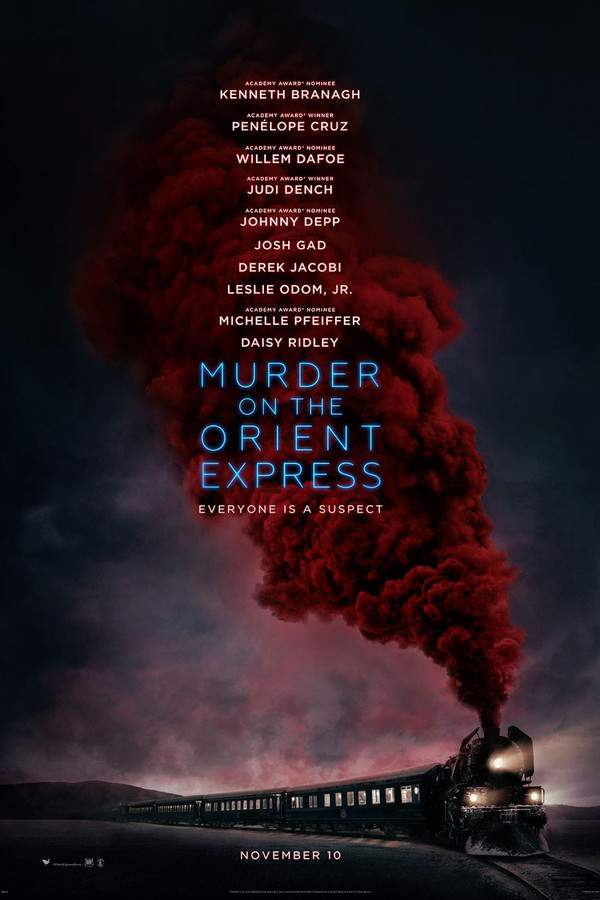
Murder on the Orient Express (2017) movie poster

Timeline

Murder on the Orient Express (2017) Timeline Explained – Every Event in Order

Release, runtime and language
2017 · 114 min · English
Echo score 65
JustWatch #3,229 3
Directed by
Kenneth Branagh
Starring
Willem Dafoe, Daisy Ridley, Marwan Kenzari, Johnny Depp, Michelle Pfeiffer, Olivia Colman
Budget
$55M

A lavish journey aboard the Orient Express takes a dark turn when a murder occurs, trapping thirteen strangers in a confined space. Renowned detective Hercule Poirot must navigate a complex web of secrets and conflicting alibis to identify the killer among them. As suspicion falls on everyone, Poirot races against time to uncover the motive and method behind the crime, based on Agatha Christie's celebrated novel.

On this page (7)
  1. 1 Where to watch
  2. 2 Events in order (15)
  3. 3 Timeline questions answered
  4. 4 The book behind the movie
  5. 5 Movie threads
  6. 6 Movies like Murder on the Orient Express
  7. 7 Every angle

Where to watch

Where to Watch Murder on the Orient Express (2017)

Where can you watch Murder on the Orient Express? Stream, rent or buy it in the US, including on HBO Max, Amazon Video and Apple TV Store: current JustWatch availability with up-to-date prices.

Streaming availability powered by JustWatch

15 events in order · contains spoilers

Murder on the Orient Express Timeline: Events in Chronological Order

Every key event of Murder on the Orient Express (2017) in order, scene by scene, with when and where it takes place. Use it to untangle flashbacks, time jumps and parallel storylines, to refresh your memory before the sequel or to find the exact scene you are thinking of.

  1. Poirot's Encounter in Jerusalem

    In 1934, renowned detective Hercule Poirot finds himself investigating a perplexing theft case at the Church of the Holy Sepulchre in Jerusalem. His obsessive-compulsive tendencies drive him to seek balance in life, yet his extraordinary skill in uncovering lies often feels like a curse.

    When
    1934
    Where
    Church of the Holy Sepulchre, Jerusalem
  2. Return to London

    After yearning for peace in Istanbul, Poirot is compelled to return to London to tackle yet another mystery. His close friend Bouc, who manages the Orient Express, invites him to stay aboard the illustrious train, where the next series of events will unfold.

    Where
    Orient Express
  3. Ratchett's Request

    Onboard the train, business magnate Samuel Ratchett solicits Poirot's services as a bodyguard due to threats he's been receiving from an unknown source. Poirot declines the offer but remains alert and aware of the unusual happenings surrounding Ratchett.

    Where
    Orient Express
  4. The Mysterious Figure

    That very night, Poirot is drawn to strange sounds coming from Ratchett's cabin. Before he can investigate further, a shadowy figure in a red kimono rushes past him in the corridor, heightening the tension and suspense onboard the express train.

    When
    Night
    Where
    Orient Express
  5. Avalanche Disaster

    Tragedy strikes when an avalanche derails the train, trapping all passengers within. The sense of danger escalates as the survivors must navigate this fresh threat while the circumstances surrounding Ratchett’s presence onboard remain mysterious.

    Where
    Mountains
  6. Discovery of the Murder

    The following morning reveals the shocking fact that Ratchett has been brutally murdered in his cabin, stabbed multiple times during the night. With his friend Bouc, Poirot immediately begins to investigate the identities and alibis of the stranded passengers.

    When
    Morning
    Where
    Orient Express
  7. Clue from Caroline Hubbard

    During the investigation, Caroline Hubbard claims that someone entered her compartment during the night, suggesting a potential route for the murderer. This leads Poirot to consider the possibility that the murderer is among the passengers currently trapped on the train.

    Where
    Orient Express
  8. Unraveling the Background

    Poirot discovers a ruined note linking Ratchett to the infamous kidnapping case of Daisy Armstrong, which turns out to be a pivotal detail. He learns that Ratchett is actually John Cassetti, the very man responsible for Daisy's abduction and eventual murder.

    Where
    Orient Express
  9. Tragic Repercussions

    The investigation reveals the heartbreaking consequences of Daisy's death, including her mother's tragic demise during childbirth and her father's suicide that followed. These revelations deepen the emotional complexity of the case and highlight the motives of those involved.

  10. Compromised Evidence

    Poirot learns that the train compartments were securely locked on the night of the murder, leaving only the passengers within the car as suspects. Despite the guard's claims of not seeing anyone enter Ratchett’s cabin, Poirot's analysis leads him to suspect foul play.

    Where
    Orient Express
  11. Intriguing Interviews

    As the investigation unfolds, Poirot conducts interviews with various suspects, including Mary Debenham. Tensions rise dramatically when John Arbuthnot brandishes a firearm, although he quickly clarifies his intent is not murder but to emphasize a point.

    Where
    Orient Express
  12. Emergence of Hidden Connections

    With each interview, Poirot uncovers hidden ties between the suspects and the Armstrong family, weaving a complex narrative of grief and revenge. The interconnected histories of the individuals aboard the train create a dense tapestry that Poirot strives to unravel.

    Where
    Orient Express
  13. Two Theories Presented

    Eventually, Poirot confronts the passengers with two theories regarding Ratchett’s murder. The simpler theory suggests an outside killer, while the more intricate one implicates everyone present, revealing their personal connections and motives against Cassetti.

    Where
    Orient Express
  14. The Final Revelation

    In a stunning twist, it becomes clear that Hubbard, posing as a mere passenger, is actually Linda Arden, mother to Sonia Armstrong. She orchestrated the murder alongside the other suspects, which reveals the meticulous planning behind the act of vengeance.

    Where
    Orient Express
  15. Moral Dilemma Resolved

    Faced with the truth, Poirot realizes that true justice will elude him as he presents a singular killer theory to authorities. Understanding that the collective actions of the passengers were justified by Cassetti's past, he lets them escape, facing the weight of a lie.

    Where
    Orient Express

Last updated: November 02, 2024 at 12:33

Was this helpful?

Timeline questions answered

Murder on the Orient Express Timeline Explained: Your Questions Answered

When does it happen, and why in that order? The questions people ask about the chronology of Murder on the Orient Express (2017): time jumps, flashbacks, cause and effect between scenes and the correct order of events, each answered with spoilers.

Q1

Why does Poirot decline Ratchett's request for protection?

Poirot initially declines Ratchett's offer because he senses something false about the man. Despite Ratchett claiming to fear for his life from anonymous threats, Poirot's keen ability to detect lies tells him Ratchett is not being truthful. This instinct proves justified when it's revealed Ratchett is actually John Cassetti, the man responsible for Daisy Armstrong's kidnapping and murder.

Foreshadowing: Poirot's opening scene establishes his belief that his ability to detect lies is a curse, hinting at his later reluctance to take the case.

  • poirot
  • ratchett
  • bodyguard
  • declined job
  • orient express
Q2

Who is Samuel Ratchett actually?

Samuel Ratchett is revealed to be John Cassetti, the infamous criminal responsible for the kidnapping and murder of young Daisy Armstrong. Cassetti orchestrated the abduction for ransom but killed the child anyway, despite the family paying the ransom. This discovery motivates the passengers to kill him as revenge for the Armstrong family's suffering.

Foreshadowing: Ratchett's nervous behavior and the anonymous threats he mentions hint at his criminal past.

  • ratchett
  • john cassetti
  • daisy armstrong
  • kidnapping
  • criminal identity
Q3

What is the Daisy Armstrong case about?

Daisy Armstrong was a young girl kidnapped from her home and held for ransom. Despite the family paying the ransom, Daisy was murdered by John Cassetti. Her death caused devastating ripple effects: her mother Sonia died during childbirth (which was triggered by grief), her father Colonel Armstrong committed suicide, and the nursemaid Susanne was wrongfully accused of involvement and later killed herself in prison. This tragedy connects all the passengers on the train.

Foreshadowing: The ruined note found linking Ratchett to the Armstrong case is the key clue that unravels the mystery.

  • daisy armstrong
  • kidnapping
  • sonia armstrong
  • colonel armstrong
  • nursemaid susanne
Q4

Why are all the passengers on the train suspects?

All passengers become suspects because the train was derailed by an avalanche, trapping everyone inside. With no external escape route and compartments locked from the inside, only the passengers themselves could have committed the murder. Poirot's investigation then reveals each passenger has a hidden connection to the Armstrong family, giving them collective motive.

Foreshadowing: The avalanche creates a perfect locked-room scenario, forcing Poirot to consider all passengers as potential killers.

  • passengers
  • suspects
  • locked train
  • armstrong family connections
Q5

Who is Caroline Hubbard really?

Caroline Hubbard is actually Linda Arden, a retired celebrated actress and mother to Sonia Armstrong (Daisy Armstrong's mother). She orchestrated the entire murder plot, gathering all the passengers who had connections to the Armstrong family to carry out the coordinated killing of John Cassetti as revenge for destroying their family.

Foreshadowing: Hubbard's claim that someone entered her compartment during the night serves as a red herring and part of the elaborate plan.

  • caroline hubbard
  • linda arden
  • sonia armstrong
  • actress
  • mastermind
Q6

How was Ratchett murdered with locked compartments?

The murder was possible because all the passengers participated in the killing. Each person stabbed Cassetti once in a coordinated plan, meaning no single person acted alone. The compartments were locked from the inside, and the conductor confirmed seeing no one enter, which aligns with the passengers' collective alibi since they were all inside the train the entire time.

Foreshadowing: The bloodied conductor's button found in Hubbard's room was planted as false evidence.

  • locked compartment
  • murder method
  • coordinated killing
  • knife
Q7

Why does Poirot present a false theory to the police?

Poirot presents the theory of a single external killer because he faces a moral dilemma. While he has solved the case and knows all passengers participated in the murder, he recognizes their actions were justified revenge against Cassetti for the destruction of the Armstrong family. Poirot believes true justice cannot be served, so he lies to allow the passengers to escape legal consequences.

Foreshadowing: Poirot's opening philosophical struggle between order and chaos foreshadows his decision to bend the truth.

  • poirot lie
  • moral dilemma
  • justice
  • police
  • theory presented
Q8

Why does Poirot let the killers go free?

Poirot allows the killers to escape because he views Cassetti's crimes as deserving death, even if illegally carried out. He cannot bring himself to condemn grieving family members and friends who sought vengeance for the innocent Daisy's murder and its devastating aftermath. By presenting a single killer theory to the authorities, he enables their escape while bearing the weight of the lie himself.

Foreshadowing: The bitter ending reflects Poirot's ongoing battle between his moral code and his sense of mercy.

  • poirot mercy
  • vigilantes
  • escape
  • vengeance
  • moral choice
Q9

What was the mysterious figure in the red kimono?

The figure in the red kimono that Poirot saw rushing through the corridor was part of the murder plot's misdirection. The identity is never fully confirmed, but it was likely Linda Arden (as Caroline Hubbard) or another passenger dressed to create confusion and provide an alibi. This mysterious figure contributed to the initial chaos and helped obscure the truth of what happened that night.

Foreshadowing: The red kimono sighting occurs before the murder is discovered, establishing early suspicion.

  • red kimono
  • mysterious figure
  • corridor
  • disguise
  • misdirection
Q10

How does Poirot discover Ratchett's true identity?

Poirot discovers Ratchett's identity as John Cassetti through a partially ruined note found during the investigation. The note connects Ratchett to the Armstrong kidnapping case. Combined with the passengers' reactions and hidden connections to the Armstrong family, Poirot pieces together that Ratchett is the criminal who kidnapped and murdered Daisy Armstrong.

Foreshadowing: The note's discovery comes after Poirot uncovers the Armstrong backstory.

  • note
  • evidence
  • cassetti identity
  • discovery
  • armstrong case
Q11

Why was Ratchett afraid and asking for protection?

Ratchett claimed to fear for his life from anonymous threats, but in reality, he was paranoia-stricken about being caught for his past crimes. As John Cassetti, he had many enemies and likely feared retaliation from those connected to his previous victims or their families. His request for Poirot as a bodyguard was an attempt to protect himself, though he failed to disclose his true identity.

Foreshadowing: Ratchett's nervous behavior throughout the journey hints at his guilty conscience.

  • ratchett fear
  • threats
  • protection
  • paranoia
  • bodyguard request
Q12

Which passengers are connected to the Armstrong family?

The passengers have various connections: Linda Arden (as Caroline Hubbard) is Sonia Armstrong's mother; Colonel Arbuthnot was a close friend of Colonel Armstrong; Edward Masterman was Armstrong's batman and later servant; Hector MacQueen's father was involved in the original case; Mary Debenham was Sonia's governess; Count Andrenyi was connected through the family; and other passengers similarly had ties to the Armstrong household. All sought revenge for Cassetti destroying their loved ones.

Foreshadowing: Each interview gradually reveals another connection to the Armstrong family.

  • passengers connections
  • armstrong family
  • colonel arbuthnot
  • mary debenham
  • edward masterman
  • hector macqueen

Movie threads

More Movies Like Murder on the Orient Express, by Mood & Story

Curated lists built around what makes Murder on the Orient Express tick: the same mood, the same kind of story or the same emotional payoff. Each list explains why these movies belong together.

Claustrophobic mystery movies like Murder on the Orient Express

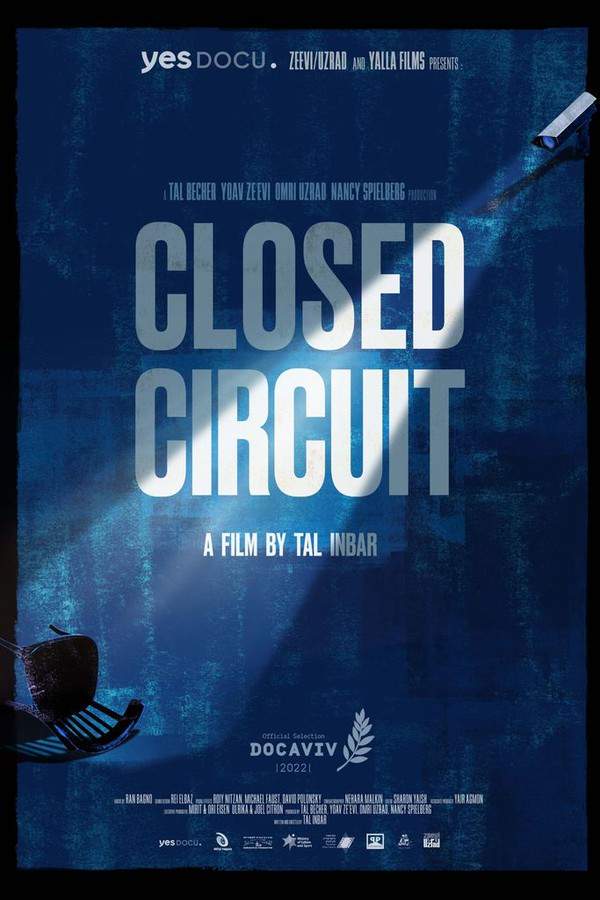
Isolated settings where a closed circle of suspects must face a hunter in their midst. If you enjoyed the tense, confined setting of Murder on the Orient Express, you'll like these movies where a mystery unfolds in an isolated location. This list features stories with a closed circle of suspects, high-stakes investigations, and an atmosphere of suspicion and claustrophobia, similar to Agatha Christie's classic tales.

  • claustrophobic
  • suspenseful
  • methodical
  • anxious
  • oppressive
  • cerebral
  • Tone: tense, suspicious
  • Pacing: steady, methodical
Why these movies?

The story pattern: The narrative typically begins with a group of people being trapped in a single location, such as a train, an island, or a mansion. A crime, often a murder, occurs, and an investigator (either professional or an amateur) must systematically interrogate the suspects. The plot unfolds through revelations of secrets and hidden connections between the characters, all under the pressure of the confined space.

Why they belong together: These movies are grouped together because they share a core premise of a 'closed-circle' mystery. The similarity lies in the oppressive, claustrophobic atmosphere, the methodical unraveling of alibis and motives, and the constant state of suspense where the killer is guaranteed to be among the limited cast of characters present.

Movies about complex morality and justice like Murder on the Orient Express

Stories where the pursuit of justice forces characters into ethically ambiguous territory. If you appreciated the moral dilemma at the end of Murder on the Orient Express, explore these films that grapple with grey-area justice. These stories feature heavy emotional weight, complex motivations, and endings that are bittersweet or morally ambiguous, focusing on the difficult choices characters make in the name of justice.

  • melancholic
  • thought-provoking
  • heavy
  • somber
  • moral conflict
  • grey morality
  • Tone: bittersweet, heavy
  • Pacing: steady, deliberate
Why these movies?

The story pattern: The journey typically involves uncovering a past tragedy so heinous that it justifies, in the eyes of some characters, an act of vigilante justice. The protagonist, often a figure of law or order, is faced with this morally fraught situation. The climax is not about catching the culprit, but about deciding what to do with them, resulting in an ending that satisfies a moral code but violates a legal one.

Why they belong together: This thread groups movies that prioritize thematic depth about justice over clear-cut resolutions. They share a heavy emotional weight rooted in grief or trauma, a complex narrative that explores motive in depth, and a conclusion that leaves the audience pondering the ethical implications rather than feeling a simple sense of closure.

If you liked this

Movies Like Murder on the Orient Express

Similar movies to Murder on the Orient Express: the same genre, themes or kind of story. Each one comes with its own plot summary, timeline and ending explained.

Browse all movie summaries

Every angle

Murder on the Orient Express (2017) Explained: Plot, Ending, Timeline & Characters

Everything about Murder on the Orient Express in one place: what happens in the plot summary, the timeline in chronological order, the characters and meaning, the ending explained and a spoiler-free summary. What's After the Movie adds the cast, box office and post-credit scenes.

Coming soon on iOS and Android

The Plot Explained Movie Summary App

Plot summaries, endings explained and timelines on your phone. Catch up on any movie in minutes, save your favorites and never miss a twist again.

Be the first to know when we launch. Your email stays private, always.

Learn more about the app