
Modhi Vilayadu
Year: 2009
Runtime: 145 mins
Language: Tamil
Director: Saran
A Tamil film released on 24 July 2009, it features Vinay Rai and Kajal Aggarwal in the lead roles. Critics gave it mixed reactions: Indiaglitz.com praised it, whereas Behindwoods criticised the lack of excitement. The movie performed poorly at the box office. Its storyline, centered on the heroine, adapts the Korean film 100 Days with Mr. Arrogant.
Warning: spoilers below!
Haven’t seen Modhi Vilayadu yet? This summary contains major spoilers. Bookmark the page, watch the movie, and come back for the full breakdown. If you're ready, scroll on and relive the story!
Timeline – Modhi Vilayadu (2009)
Trace every key event in Modhi Vilayadu (2009) with our detailed, chronological timeline. Perfect for unpacking nonlinear stories, spotting hidden connections, and understanding how each scene builds toward the film’s climax. Whether you're revisiting or decoding for the first time, this timeline gives you the full picture.
Last updated: October 09, 2025 at 10:47
Modhi Vilayadu (2009) Timeline Questions Answered – Chronology FAQ
Find frequently asked questions about the Modhi Vilayadu (2009) timeline, including chronological order, nonlinear jumps, cause-and-effect links, and scene sequence clarifications. This timeline FAQ helps explain when key events happen, how moments connect, and why the story unfolds in that specific order.
Why was Madhan killed instead of Udhay?
The assassin was hired to kill Udhay, Rajan's heir, as part of a rival's plan to hurt Rajan after the rival's son-in-law committed suicide under pressure from Rajan's business tactics. However, the hitman mistakenly killed Madhan, who was with Udhay at the time. The confusion occurred because Madhan was often seen alongside Udhay and lived the same lavish lifestyle, making him an easy target. The twist revealed that Madhan was actually Rajan's biological son while Udhay was merely a proxy heir.
Earlier scenes show Madhan living in Udhay's luxurious house and being his constant companion, which made the assassin mistake him for the heir.
Why did Rajan reveal the truth about Madhan to Udhay?
Rajan revealed the truth after Madhan was accidentally killed. The revelation came when Udhay encountered Rajan on the streets in ragged clothes. Rajan wanted Udhay to understand his identity crisis and test whether he could survive without the privilege and protection he'd known his entire life. This moment forced Udhay to confront the fact that everything he had, his wealth, his status, his identity, was built on a lie.
The story hints at Rajan's cold nature and his ability to keep secrets, suggesting he would use this dramatic moment as a strategic life lesson.
What was the purpose of Rajan's three-day test?
Rajan challenged Udhay to survive three days without his protection and wealth to teach him the reality of life beyond privilege. After revealing that Udhay was not his biological son, Rajan wanted to see if Udhay could truly understand hardship and grow from it. The test was also a way for Rajan to gauge whether Udhay deserved to inherit the empire, even if not by blood. Rajan promised not to disclose the secret to anyone else during this period.
The three-day test echoes Rajan's belief that strength comes from hardship, a mindset forged after his wife's murder twenty years earlier.
Why did Udhay convince the staff to boycott Rajan?
Udhay orchestrated the staff boycott as revenge against Rajan for stripping him of his wealth and throwing him out into the streets. He gathered Rajan's daily employees and convinced them to pretend they had forgotten him for two days. This plan succeeded, Rajan was barred from entering his own office, his belongings vanished, and he was forced to sleep on the streets. It was Udhay's way of demonstrating that power and identity can be easily taken away.
The power dynamic between Rajan and his employees was established early, showing how the staff depended on Rajan's authority.
Why did Rajan pretend to be the son when the assassin came?
When the assassin was sent to kill Udhay, Rajan manipulated the situation by claiming he was the real son, not Udhay. This was a calculated move to protect his biological son's legacy while sacrificing himself. The assassin turned the gun on Rajan instead of Udhay, allowing Udhay to survive and eventually chase down the killer. Rajan used this moment to finally act as a true father, putting Udhay's life above his own.
The revelation that Rajan had a biological son and that Udhay was only a proxy set up this climactic moment where blood ties finally mattered.
Why was Easwari blocked from claiming her father's company?
Easwari discovered she was the daughter of Lakshmiraman, a very wealthy chairman in Mumbai, which would have given her enough shares to become the next chairwoman. However, her stepmother's relatives blocked her claim because her parents were not Hindi-speaking by birth. This cultural and linguistic barrier prevented her from accessing the inheritance, so she rejected the claim and returned to Chennai with Udhay.
The film establishes Easwari as a strong-willed character who values love over wealth, foreshadowing her decision to walk away from the corporate battle.
Why did Rajan record a video confession before dying?
On his deathbed, Rajan recorded a video to confess the truth to the public, specifically that Udhay was not his biological son and that Madhan was the real heir. This confession was meant to vindicate Udhay and clear his name after all the confusion and suffering. It also laid the groundwork for Udhay to establish a new legacy without the burden of lies, allowing him to move forward with clarity about his identity and the family's past.
The video confession completes Rajan's character arc, transitioning from a ruthless manipulator to a father seeking redemption.
Why was a charitable trust established in Madhan's name?
After Rajan's death, Udhay established a charitable trust named after Madhan as a way to honor his memory and channel his personal loss into something positive. Madhan had been Udhay's closest companion despite being a paid companion, and his death profoundly affected Udhay. With guidance from Chanakya, Udhay transformed the family's ruthless business legacy into philanthropic work, marking a new chapter for the family and company.
Madhan's death was the catalyst that forced Udhay to grow from a privileged heir into a responsible man capable of making meaningful choices.
Why did the rival hire an assassin to kill Udhay?
The rival hired the assassin after his son-in-law succumbed to the pressure from Rajan's ruthless business tactics and took his own life. Seeking revenge, the rival targeted Udhay, the heir to Rajan's empire, believing that harming the son would cause Rajan the same pain he inflicted on others. This act escalated the corporate war into a dangerous personal conflict.
The film establishes Rajan's aggressive business methods as the root cause of many enemies, setting up the assassination attempt as a direct consequence.

Explore Movie Threads
Discover curated groups of movies connected by mood, themes, and story style. Browse collections built around emotion, atmosphere, and narrative focus to easily find films that match what you feel like watching right now.
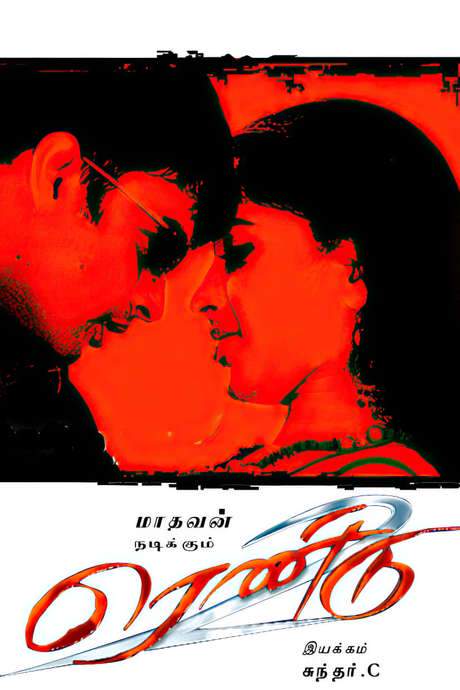
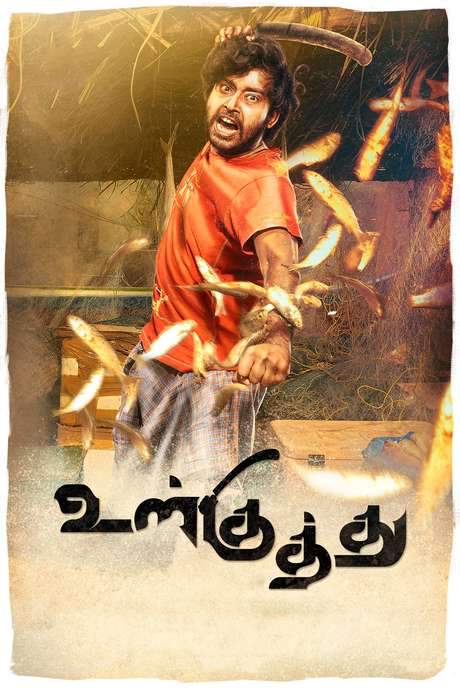
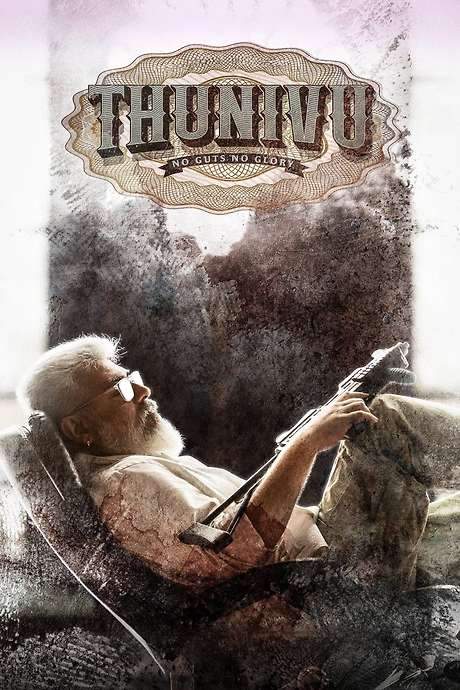
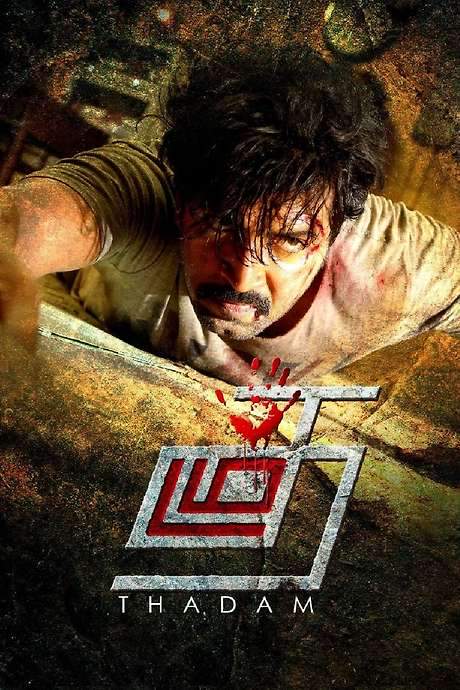
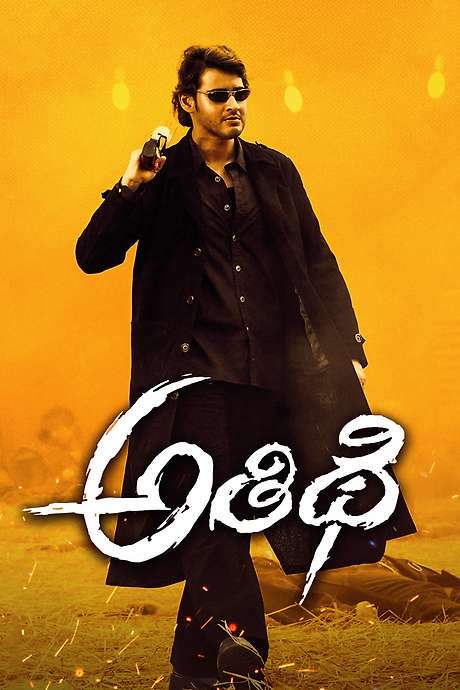
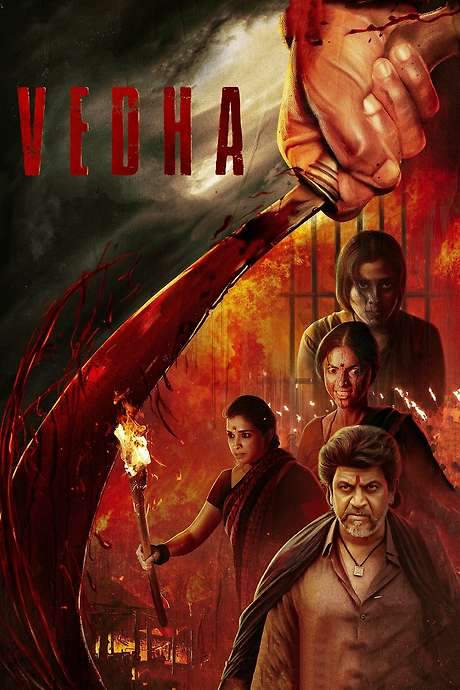
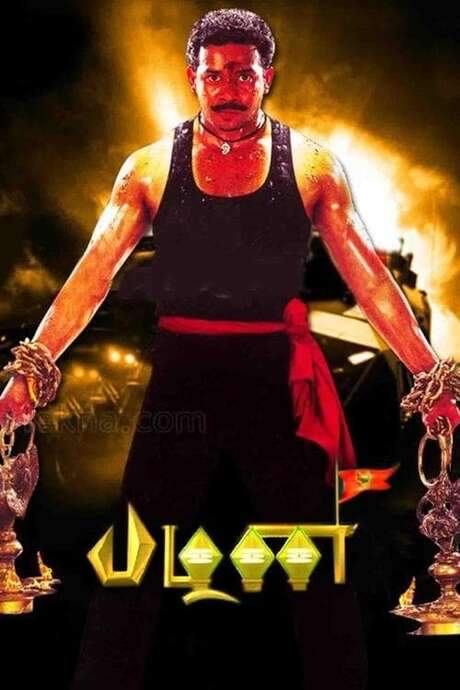
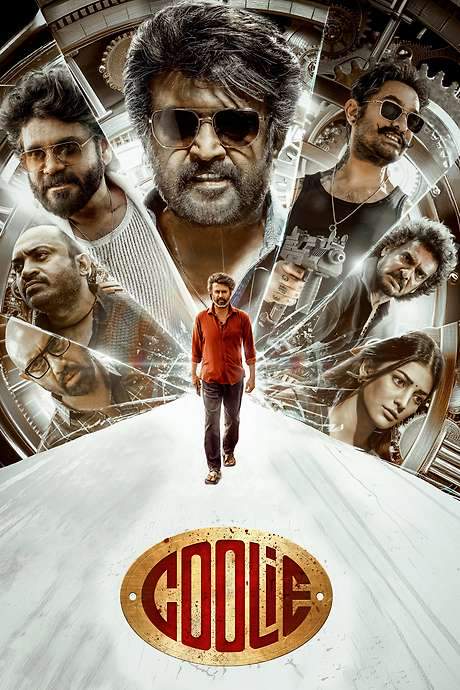
Dramas of High-Stakes Revenge like Modhi Vilayadu
Characters pushed to the brink execute intricate payback against powerful betrayers.If you enjoyed the intricate revenge plot and familial deception in Modhi Vilayadu, this list features movies with similar high-stakes vengeance narratives. Discover dramas where characters use cunning and resilience to confront powerful adversaries, leading to intense, emotionally heavy conclusions.







Narrative Summary
The narrative typically begins with a devastating event—a betrayal, a death, or the shattering of one's identity—that propels the protagonist into a calculated plan of retaliation. The plot unfolds at a fast pace, filled with twists, deception, and dangerous confrontations, as the hero navigates a world of corporate or familial intrigue to achieve their goal.
Why These Movies?
Movies are grouped here for their shared focus on vengeance as a core motivator, their high emotional intensity, and the complex moral landscapes they explore. They deliver a consistent experience of tension and catharsis through the protagonist's arduous journey toward retribution.
Stories of Bittersweet Redemption like Modhi Vilayadu
Painful journeys through loss and ruin that ultimately lead to a hopeful new beginning.For viewers who appreciated the redemptive yet bittersweet ending of Modhi Vilayadu, this collection features movies with similar emotional arcs. Explore narratives where characters overcome profound tragedy and loss, finding a sliver of hope and a new direction after hitting rock bottom.













Narrative Summary
The narrative follows a protagonist who loses everything—status, family, or identity—and is forced into a harsh struggle for survival. The journey is marked by heavy emotional trials and significant loss. The ending is not purely happy; a major sacrifice or acceptance of pain allows for a cathartic release and the emergence of a hopeful, often more altruistic, future.
Why These Movies?
These films are united by their exploration of profound personal collapse followed by a hard-won redemption. They balance heavy sadness with a core of hope, creating a powerfully bittersweet emotional experience that resonates with viewers seeking catharsis.
Unlock the Full Story of Modhi Vilayadu
Don't stop at just watching - explore Modhi Vilayadu in full detail. From the complete plot summary and scene-by-scene timeline to character breakdowns, thematic analysis, and a deep dive into the ending - every page helps you truly understand what Modhi Vilayadu is all about. Plus, discover what's next after the movie.
Modhi Vilayadu Summary
Read a complete plot summary of Modhi Vilayadu, including all key story points, character arcs, and turning points. This in-depth recap is ideal for understanding the narrative structure or reviewing what happened in the movie.

Characters, Settings & Themes in Modhi Vilayadu
Discover the characters, locations, and core themes that shape Modhi Vilayadu. Get insights into symbolic elements, setting significance, and deeper narrative meaning - ideal for thematic analysis and movie breakdowns.


