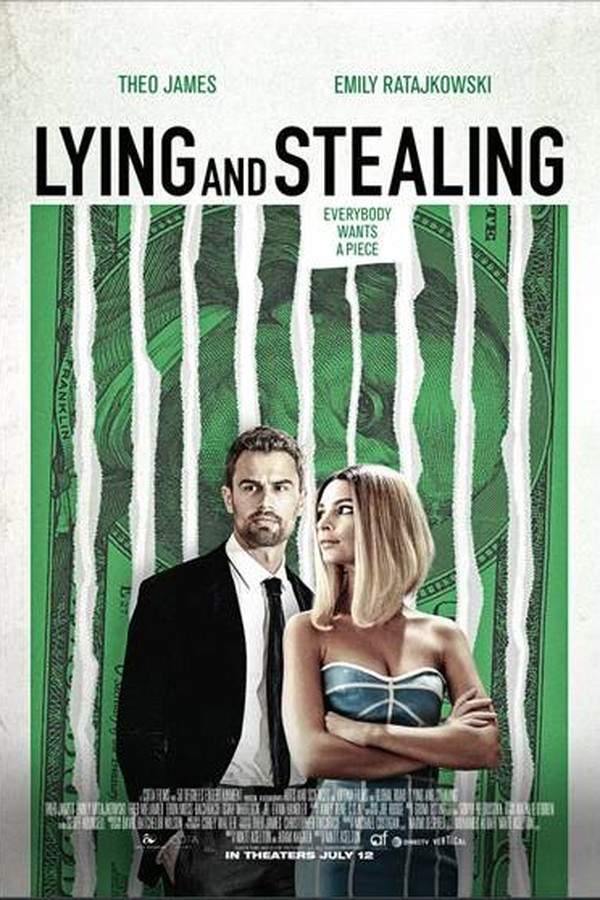
Frank, John Simm, a librarian in the United Kingdom, falls for a mysterious American dancer named Miranda, Christina Ricci. The relationship appears dreamy at first, but Frank’s naiveté hides a deeper, more complicated emotional landscape as the two spiral through a blend of attraction and fantasy. Graphic scenes of sex and seduction illustrate Frank's fantasy and his unrealistic love for Miranda, painting a portrait of desire that blurs boundaries between reality and imagination. When she suddenly disappears, he pursues her to London, only to confront the jarring truth that Miranda is a con artist. The pursuit ends with Frank leaving her and returning to Northern England, a decision that weighs on him even as the memory of their connection lingers.
Miranda’s world is darker and more transactional than it first appears. She works with her boss, John Hurt as Christian, a figure who not so secretly “loves” her, and together they operate a scheme that involves selling buildings they don’t own to unwitting buyers. The con is built on the illusion of property and potential profits, while the true aim is to prepare these buildings for demolition rather than for any legitimate sale. Amid this scheme, a crucial moment unfolds when Miranda negotiates the sale of a warehouse with Nailor, Kyle MacLachlan. Nailor notices something off in the surroundings—men laying cable around the building—and she tries to cover it by claiming they are installing cable TV, even as the real plan is to clear the site through demolition. The ruse works, and Miranda lands a significant score, but the victory is hollow: her boss exits the scene, leaving Miranda to face a vengeful Nailor.
Back in London, Frank realizes that walking away may have been a mistake, and he returns with a quirky, resolute friend who becomes instrumental in pulling Miranda back from the brink. The tension escalates as Nailor closes in, brandishing danger, including a knife-wielding threat. In a tense, almost comic confrontation, Miranda is spared thanks to the distraction provided by Frank’s friend, who employs flashy jiu-jitsu moves to keep Nailor occupied long enough for Frank to act. He drives Nailor off by toppling a table onto him, a moment that shifts the balance of power and sets the stage for a departure that veers toward the absurdly victorious.
The film closes on a note of dark humor and reconciliation: Frank and Miranda, having navigated deceit, danger, and disillusionment, find a way to live the good life from the ruins of their ill-gotten, hard-won gains. The ending lands with a laugh, a wink to the fragility of trust, and a reminder that love and luck can collide in unpredictable, even ridiculous, ways.