
Meghe Dhaka Tara
Year: 2013
Runtime: 118 mins
Language: Bengali, Bangla
Director: Kamaleswar Mukherjee
Nilkantha, an artist, is admitted in a mental asylum but even while undergoing treatment, he manages to write a play.
Warning: spoilers below!
Haven’t seen Meghe Dhaka Tara yet? This summary contains major spoilers. Bookmark the page, watch the movie, and come back for the full breakdown. If you're ready, scroll on and relive the story!
Timeline – Meghe Dhaka Tara (2013)
Trace every key event in Meghe Dhaka Tara (2013) with our detailed, chronological timeline. Perfect for unpacking nonlinear stories, spotting hidden connections, and understanding how each scene builds toward the film’s climax. Whether you're revisiting or decoding for the first time, this timeline gives you the full picture.
Last updated: October 09, 2025 at 16:04
Meghe Dhaka Tara (2013) Timeline Questions Answered – Chronology FAQ
Find frequently asked questions about the Meghe Dhaka Tara (2013) timeline, including chronological order, nonlinear jumps, cause-and-effect links, and scene sequence clarifications. This timeline FAQ helps explain when key events happen, how moments connect, and why the story unfolds in that specific order.
Why is Nilkantha admitted to the mental asylum?
Nilkantha is admitted to the mental asylum in 1969 while undergoing treatment for his mental health condition. While the exact nature of his illness is not detailed in the film, the narrative presents him as a troubled artist whose fragile mental state requires institutional care. Doctor S. P. Mukherjee oversees his treatment, and despite his confine
Why does Durga tell Nilkantha that separation is essential?
Durga leaves Nilkantha because of severe financial strain and the impossibility of sustaining their family. She reveals there is not a single rupee to run the household, making their continued marriage untenable under the weight of poverty. This departure represents the personal cost of Nilkantha's dedication to his art over commercial success.
What is the significance of the play Nilkantha writes in the asylum?
Nilkantha writes and stages a play with fellow inmates, transforming the asylum into a stage for marginalized voices. This act demonstrates his unwavering commitment to art despite confinement and institutional control. The theater becomes a space for creative resilience, proving that his artistic impulse survives even in the most constrained circumstances.
How did the Partition of Bengal affect Nilkantha?
Nilkantha witnessed the Partition of Bengal in 1947 and experienced its devastating aftermath, which profoundly shaped his worldview. The trauma of partition drew him toward communism as both a political movement and a lens for his artistic work. This event marked a turning point in his intellectual and creative orientation.
What does Nilkantha mean when he calls himself a people's artist?
When Nilkantha declares himself a people's artist, he means that his art must serve and speak to the common people rather than entertain or comfort the elite. He explicitly states he cannot make commercial or entertaining films because his obligation is to the public. This conviction defines his entire artistic philosophy and career choices.
What is the significance of the burning book titled 'How to be a good communist?' in the film?
The burning book scene serves as a visual metaphor for the film's critique of dogmatic communist politics. It symbolizes the dissatisfaction with certain strands of communist ideology that have become disconnected from artistic truth and lived experience. The act underscores the conflict between rigid political rhetoric and creative integrity.
Why does Nilkantha refuse to make commercial cinema?
Nilkantha refuses commercial cinema because he believes art must serve the people, not merely amuse or comfort audiences for profit. He explicitly tells Doctor Mukherjee that he cannot create entertaining films, viewing such work as a betrayal of his artistic duty. This principled stance contributes to his financial struggles and his wife's departure.
How do the Tebhaga and Naxalite movements feature in the story?
The Tebhaga and Naxalite movements provide the political backdrop for Nilkantha's life and art, showing how Bengal's social upheaval colors the entire narrative. These movements represent the energy and danger of a province in political flux during the 1940s through 1960s. The political context informs Nilkantha's disillusionment with established politics and reinforces his belief that art must respond to the people's suffering.
Why does the hospital staff treat Nilkantha differently after learning the Prime Minister knows him?
The hospital staff and authorities become aware that the Prime Minister of India knows Nilkantha and respects his works, which adds a layer of pressure and possibility to his treatment. This knowledge elevates his status within the institution, contrasting with the earlier dismissal he faced from a police officer who called him a wasted drunkard. The political connection creates hope for special consideration in his care.
What does Nilkantha mean when he says money can disappear but work endures?
Nilkantha tells Doctor Mukherjee that money can disappear, but a meaningful body of work can endure beyond a man's lifetime. This belief that art outlives circumstance runs as a persistent thread through his hardship, the hospital corridors, and the political storm outside. It represents his quiet defiance against poverty and his conviction that lasting artistic impact matters more than immediate financial success.
Why does a police officer dismiss Nilkantha as a wasted drunkard?
A police officer visiting the asylum ward tells Doctor Mukherjee that Nilkantha is merely a wasted drunkard, reflecting the stigma attached to mental illness and artistic non-conformity. This judgment contrasts sharply with Nilkantha's actual status as a respected artist. The moment deepens the sense of misrecognition he faces inside the institution, showing how society judges those it does not understand.
Why does another patient mock Nilkantha as a disgraced intellectual?
Another patient in the asylum sneers at Nilkantha as a disgraced intellectual, reflecting the social scorn that shadows him even in confinement. Despite this mockery, his inner life and creativity persist alongside the humiliation. The taunt underscores how the world outside the asylum continues to judge and dismiss him.

Explore Movie Threads
Discover curated groups of movies connected by mood, themes, and story style. Browse collections built around emotion, atmosphere, and narrative focus to easily find films that match what you feel like watching right now.
Movies about artists overcoming hardship like Meghe Dhaka Tara
Profiles of creators persevering through personal and societal hardship.If you liked Meghe Dhaka Tara, explore similar movies about the resilience of artists. These films, often slow-paced and melancholic, depict creators battling mental illness, poverty, or political unrest, finding meaning and defiance through their art in a challenging world.

Last Days
2005

Dark Illness
1990

Dim the Fluorescents
2018

Sound of Metal
2019

The Bad Poet
2021

Everlasting Moments
2009

The Asthenic Syndrome
1989

’Round Midnight
1986

Pain and Glory
2019

Nobody Knows I'm Here
2020

Gods and Monsters
1998

A Year Ago in Winter
2008

A Fortunate Man
2018

The Painted Veil
2006
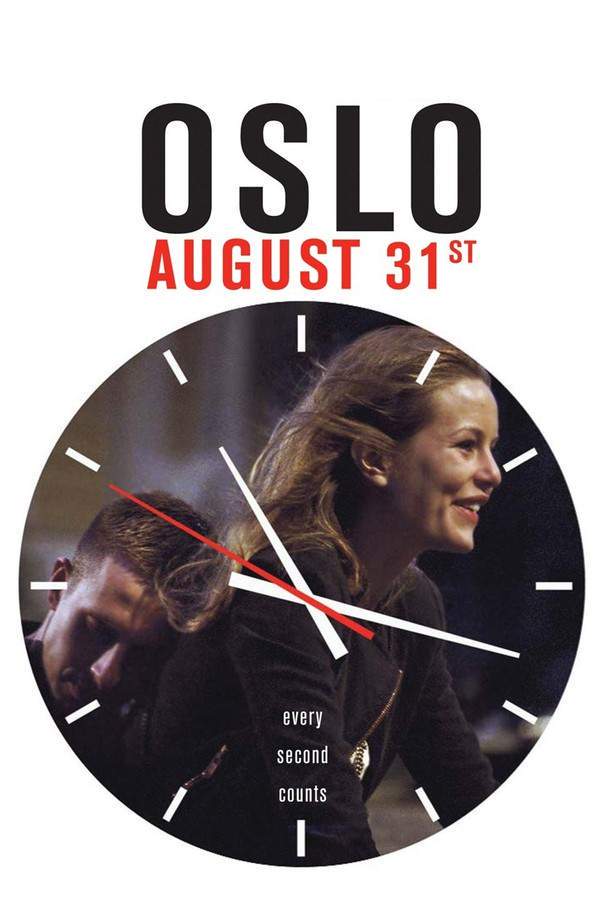
Oslo, August 31st
2012
Narrative Summary
Stories in this thread typically follow an artist's journey as they navigate external obstacles—such as poverty, illness, or oppression—and internal demons, using their creative process as both an escape and a weapon. The narrative often explores the tension between the purity of artistic vision and the compromises demanded by a harsh reality.
Why These Movies?
These films are grouped together because they share a profound reverence for the artistic process and explore the theme of creative perseverance. They often feature a melancholic tone, heavy emotional weight, and a character-driven pace, creating introspective portraits of dedication and sacrifice.
Claustrophobic psychological dramas like Meghe Dhaka Tara
Intimate stories set within psychological or institutional confines.Find movies like Meghe Dhaka Tara that explore mental confinement and internal turmoil. These somber, character-driven films often feature protagonists in asylums or grappling with trauma, using a slow pace and flashbacks to build a reflective, poignant, and sometimes desperate atmosphere.

Welcome to the Quiet Room
2007

Through a Glass, Darkly
2008
Dark Illness
1990
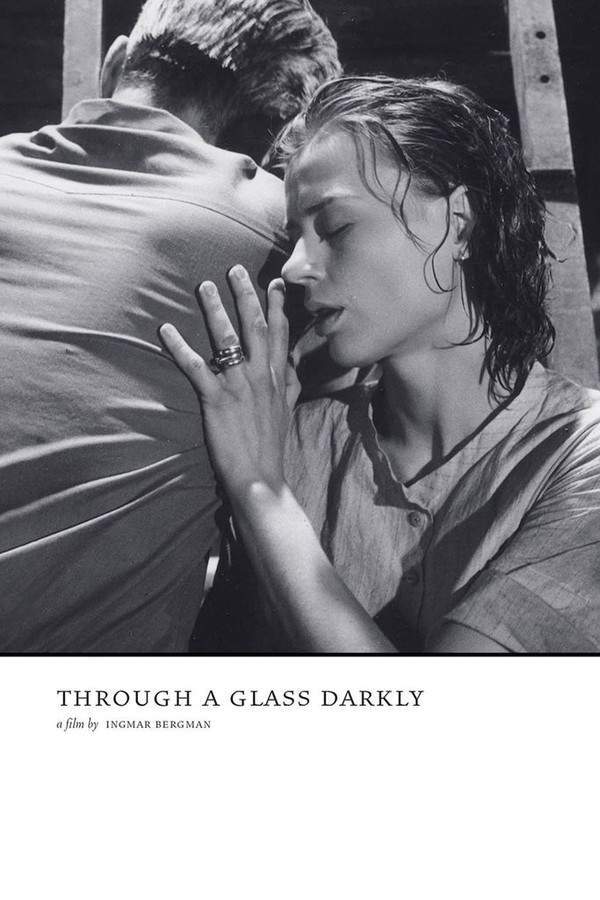
Through a Glass Darkly
1962

The Secret Scripture
2017

Inside Out
1986

Cries and Whispers
1972
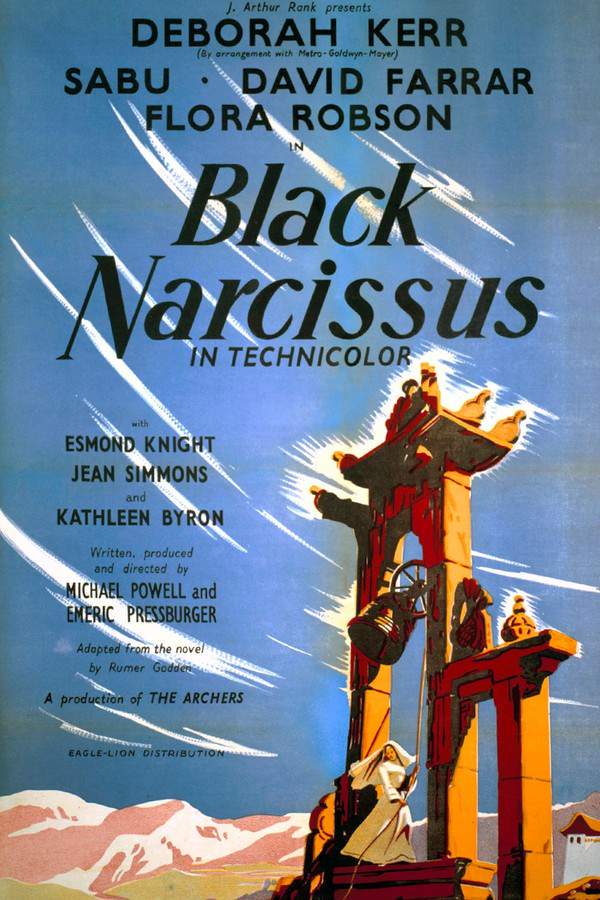
Black Narcissus
1947

The Arrangement
1969
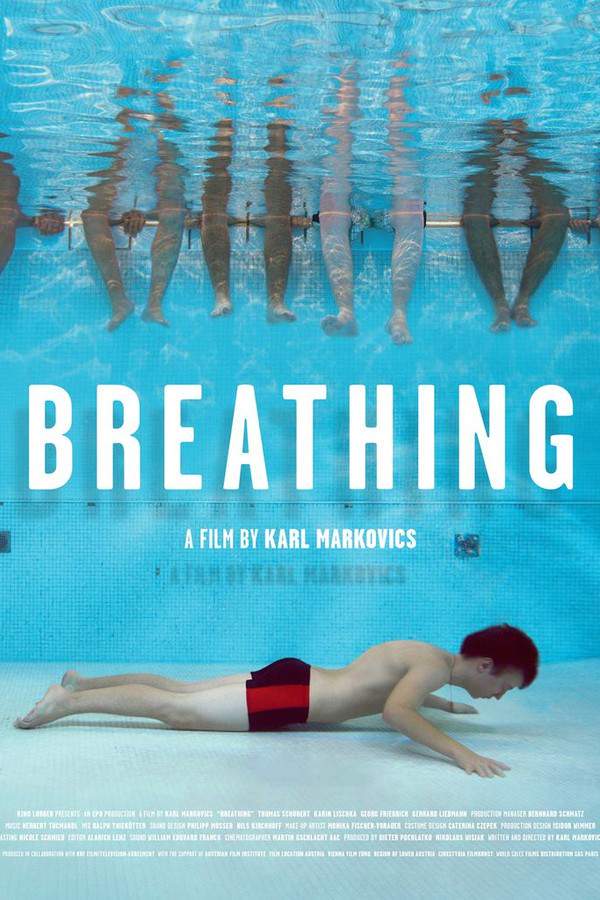
Breathing
2012

Hard Truths
2024

Interiors
1978

Tales from the Gimli Hospital
1988

Dr. Cook’s Garden
1971

Family Viewing
1987
Narrative Summary
Narratives in this thread are often introspective and non-linear, weaving together present-tense confinement with memories of a fractured past. The central conflict is typically internal—a battle for mental clarity or peace—while the physical setting reinforces a feeling of being trapped, both physically and psychologically.
Why These Movies?
These films share a distinct mood of psychological claustrophobia and a somber, reflective tone. They are united by their focus on mental illness, the use of memory as a narrative device, a slow, deliberate pacing that emphasizes internal states, and a generally heavy emotional weight.
Unlock the Full Story of Meghe Dhaka Tara
Don't stop at just watching - explore Meghe Dhaka Tara in full detail. From the complete plot summary and scene-by-scene timeline to character breakdowns, thematic analysis, and a deep dive into the ending - every page helps you truly understand what Meghe Dhaka Tara is all about. Plus, discover what's next after the movie.
Meghe Dhaka Tara Summary
Read a complete plot summary of Meghe Dhaka Tara, including all key story points, character arcs, and turning points. This in-depth recap is ideal for understanding the narrative structure or reviewing what happened in the movie.

Characters, Settings & Themes in Meghe Dhaka Tara
Discover the characters, locations, and core themes that shape Meghe Dhaka Tara. Get insights into symbolic elements, setting significance, and deeper narrative meaning - ideal for thematic analysis and movie breakdowns.


