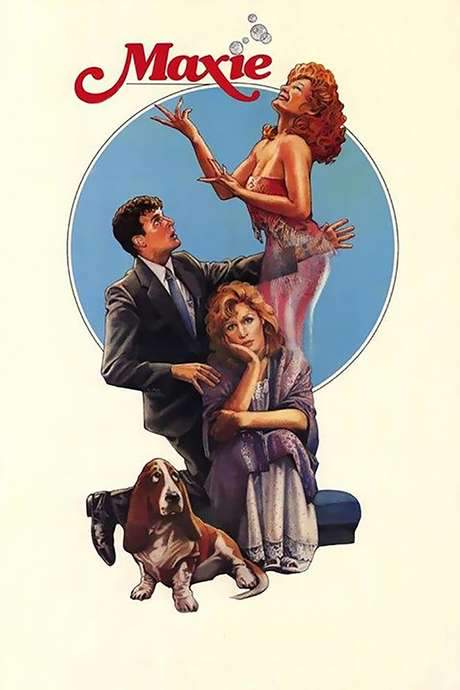
In Venice, California, 15-year-old Michael McPhae wakes his mother, Nora McPhae, a widowed high school English teacher who has fallen asleep while grading tests. They head to school in her dilapidated Volvo, which is stolen later that morning. Detective Brian Costello offers to drive Nora to work, and when they arrive she tells her students that they will have to redo the test. Unable to afford a replacement car, Nora is lent a motorcycle by Brian, who spends the evening teaching her how to ride it.
Earlier, Nora’s estranged father, Max Dugan, who vanished 28 years ago after serving six years in prison, reappears at her door. He presents himself as ailing with a fatal heart condition and offers his estate of $687,000 (about $2.1 million today), confessing to stealing the money from a Las Vegas mafia‑controlled casino after its owners seized his real estate holdings. He explains the promise with a bold claim that reshapes Nora’s life, and the next morning he introduces himself to Michael as “Mr. Parker,” the new tenant in the guest room. Although Nora initially believes him, she later questions the alias, and in a moment of restraint she tells him, “Affection would have been enough.”
At school, Nora grapples with the ethical lines around her students and a tense family history as one of her top pupils reveals a troubling family dynamic: they are cousins, and the revelation comes amid a broader discussion of duty and loyalty. When Nora and Michael return home, they discover new appliances and a sleek home entertainment system—items Max insists are prizes from a television game show. Nora demands that Max return the gifts, but he insists they are merely prizes that will help them.
Frightened by Max’s influence on Michael and wary of Mrs. Litke, their meddling neighbor, Nora grows wary of Max’s generosity yet cannot fully resist it. The mood shifts again when Charley Lau, the famed batting coach, is introduced to Michael and offers to teach him proper technique, a gesture funded by Max. As Nora’s life keeps getting renovated—physically and financially—Max’s influence deepens, and Nora begins to fear exposure and legal trouble for herself as well as for her son.
The drama intensifies when Brian traces a substantial cash deposit—$400,000—in Nora’s name, and Nora tries to shield her father while maintaining a sense of moral responsibility. Max, sensing the legal jeopardy, arranges to spend his remaining days on a beach in Brazil with part of the money, while donating the rest to Nora and Michael. He records a videocassette message to say farewell and to set his own terms for the future.
Then comes a pivotal moment at a Venice High School baseball game against Santa Monica High, where Kevin—Brian’s son—takes the mound against the rival. From a distance, Charley Lau and Max watch as Michael delivers the game’s winning homerun, turning the tide and offering a bittersweet culmination to the family saga. Nora finally confesses everything to Brian and pleads for a pause in the pursuit, while the couple’s complicated web of loyalty, love, and debt unfolds under the bright lights of the stadium.
In a final twist, Nora and Michael rush to the parking lot only to find their car missing, and then spot Max driving it away, waving goodbye as he heads toward an uncertain horizon. The film lingers on the tension between gratitude and guilt, between the pull of a father’s generosity and the cost of letting go, leaving viewers with a quiet contemplation of what family means when money—earned, borrowed, or stolen—shapes the lives of those who think they can outsmart their past.