






Plot Explained Spoilers guaranteed!
Plot Explained

Browse by genre

Matador (1986) movie poster

Timeline

Matador (1986) Timeline Explained – Every Event in Order

Release, runtime and language
1986 · 105 mins · Spanish
Starring
Antonio Banderas, Julieta Serrano, Pedro Almodóvar, Agustín Almodóvar, Carmen Maura, Eusebio Poncela

A conflicted youth confesses to crimes he didn’t commit while a man and woman aroused by death become obsessed with each other.

On this page (6)
  1. 1 Where to watch
  2. 2 Events in order (13)
  3. 3 Timeline questions answered
  4. 4 Movie threads
  5. 5 Movies like Matador
  6. 6 Every angle

Where to watch

Where to Watch Matador (1986)

Where can you watch Matador? Stream, rent or buy it in the US, including on Amazon Video, Apple TV Store and Fandango At Home: current JustWatch availability with up-to-date prices.

Streaming availability powered by JustWatch

13 events in order · contains spoilers

Matador Timeline: Events in Chronological Order

Every key event of Matador (1986) in order, scene by scene, with when and where it takes place. Use it to untangle flashbacks, time jumps and parallel storylines, to refresh your memory before the sequel or to find the exact scene you are thinking of.

  1. Diego's past and obsession

    Diego Montes, a former bullfighter who was forced into early retirement after being gored, has turned to watching slasher films for sexual gratification. He runs a bullfighting class where Ángel is among the students. The atmosphere is saturated with violence and control, reflecting Diego's psyche.

    Where
    bullfighting practice ring
  2. Ángel's vertigo vision

    During a vertigo episode in the practice ring, Ángel has a vision of a woman killing a man during sex with an ornamental silver hairpin. The image shows the stabbing at the base of the neck, echoing Diego's brutal world. The vision unsettles him and foreshadows the violence to come.

    Where
    practice ring
  3. Ángel vows to prove himself

    Diego questions Ángel about his sexuality and notes he is not experienced with women. Ángel denies it and vows to prove himself. The moment establishes Ángel's motive to demonstrate his worth.

    Where
    Diego's bullfighting class
  4. Ángel's assault on Eva

    Later that day, Ángel follows Diego's girlfriend Eva to a neighborhood alley and makes a fumbling attempt to rape her. Eva slaps him and, as she leaves, trips in the mud and gashes her cheek. The confrontation intensifies the tension surrounding all characters.

    Where
    neighborhood alley
  5. Guilt and seeking help

    Guilt drives Ángel to seek psychotherapy. His domineering mother, a member of Opus Dei, insists he go to mass and confession. He eventually goes to the police to confess to rape.

    Where
    Ángel's home and police station
  6. Eva at the station and Ángel's confession

    Eva is brought to the station and dismissively says Ángel ejaculated without penetrating and declines to press charges. Alone with the detective, Ángel confirms that he killed the other victims and the two missing women as well.

    Where
    police station
  7. Buried bodies on Diego's property

    Ángel leads the police to the buried bodies of the two missing women on Diego's property. The detective remains unconvinced, questioning how Ángel could have buried them without Diego's knowledge and noting Ángel's aversion to blood. The missing women were Diego's students, tying the killer to Diego's circle.

    Where
    Diego's property
  8. Eva's devotion and the dead sex scene

    The much younger Eva, desperately in love with Diego, is eager to please him. When they have sex, Diego asks Eva to lie perfectly still and pretend to be dead; she complies without any qualms.

    Where
    Diego's home
  9. María spies Diego and suspects him

    María Cardenal, Ángel's lawyer who wears the ornamental silver hairpin from Ángel's vision, suspects Diego killed the two missing women. She sets Ángel up with a psychiatrist and leads Diego to a secluded warehouse, where they kiss and recognize their shared killer impulses.

    Where
    Secluded warehouse
  10. María's remote home and Eva's warning

    María takes Diego to her remote home, where she has collected memorabilia related to Diego since he first killed a bull. Eva overhears their plan and warns María that Diego cannot be satisfied; María scoffs at Eva's threat.

    Where
    María's remote home
  11. The plan escalates

    María and Diego acknowledge their killer instincts and push to carry out their plan immediately. They realize they are both serial killers and have a mutual, dangerous alliance.

    Where
    María's remote home
  12. The psychic-assisted pursuit and eclipse

    Ángel, via his psychiatrist, informs the detective that Diego and María are in danger. Using his trance-like vision, Ángel guides the police, Eva, and the psychiatrist to María's house as an eclipse begins.

    When
    During eclipse
    Where
    María's house
  13. Final revelation and death

    The group arrives to find María and Diego dead, killed during their final act of violence. María stabbed Diego with her hairpin at the base of the neck and shot herself in the mouth while they were engaged in sex. Ángel laments that he could not save Diego, while the detective notes the killers look happy.

    When
    During eclipse
    Where
    María's house

Last updated: October 09, 2025 at 14:27

Was this helpful?

Timeline questions answered

Matador Timeline Explained: Your Questions Answered

When does it happen, and why in that order? The questions people ask about the chronology of Matador (1986): time jumps, flashbacks, cause and effect between scenes and the correct order of events, each answered with spoilers.

Q1

Why does Ángel confess to murders he didn't commit?

Ángel confesses to the murders because he genuinely believes he committed them, driven by a combination of guilt over his attempted rape of Eva, his fragile mental state, and his psychic abilities that allow him to sense events. When the detective shows him photos of dead men with the same wound he saw in his vision, Ángel becomes convinced he is the killer, despite lacking any memory of the crimes. His psychological breakdown, intensified by his oppressive religious upbringing and his mother's insistence on confession, leads him to confess to crimes that were actually committed by Diego and María.

Foreshadowing: Earlier in the film, Ángel's vision of a woman killing a man foreshadows both his confused sense of guilt and the actual killers' methods.

  • Ángel confession
  • murders
  • guilt
  • psychic ability
  • mental breakdown
Q2

Why does Diego ask Eva to lie still and pretend to be dead during sex?

Diego's request for Eva to pretend to be dead during sex reveals his necrophilic tendencies, a manifestation of his morbid fascination with death that developed after his forced retirement from bullfighting. As a former matador who could no longer experience the thrill of killing bulls, Diego has turned to watching slasher films for sexual gratification and now seeks the ultimate thrill of sexual acts with a corpse. This disturbing request demonstrates how thoroughly his identity is wrapped up in death and violence, and it establishes the twisted dynamic between him and Eva, who willingly complies out of her desperate love for him.

Foreshadowing: Diego's obsession with slasher films for sexual gratification foreshadows his necrophilic desires.

  • Diego
  • Eva
  • necrophilia
  • death
  • sexual gratification
  • bullfighting
Q3

Are Diego and María actually the serial killers?

Yes, both Diego and María are serial killers. Diego is connected to the two missing women who were his students and were buried on his property, suggesting he killed them. María also possesses the killer instinct, as evidenced when she attempts to stab Diego with her hairpin and has collected memorabilia of his past killings in her home. The two acknowledge their shared dark impulses during their confrontation at the warehouse, realizing they are both drawn to murder. Their final act together, where María stabs Diego with her hairpin while they engage in sex, confirms they are the actual killers Ángel mistakenly confessed to.

Foreshadowing: María wears the same ornamental silver hairpin that Ángel saw in his vision, directly connecting her to the murders.

  • Diego
  • María
  • serial killers
  • murders
  • hairpin
  • confession
Q4

What is the meaning of Ángel's vision of the woman killing a man with a hairpin?

Ángel's vision of a woman killing a man during sex with an ornamental silver hairpin is a psychic premonition that foreshadows the actual deaths of Diego and María. The vision occurs during a vertigo episode in the bullfighting ring, showing that Ángel possesses heightened intuitive abilities. The image shows the stabbing at the base of the neck, the exact method María uses to kill Diego at the film's climax. This psychic ability later enables Ángel to sense the danger to Diego and María, guiding the police to María's house during the eclipse.

Foreshadowing: The vision appears early in the film and directly predicts the final killing method María uses on Diego.

  • Ángel
  • vision
  • hairpin
  • psychic
  • premonition
  • murder method
Q5

Why do María and Diego die together in the end?

María and Diego die together as the culmination of their mutual recognition of their shared killer instincts. After María lures Diego to her remote home, acknowledging they are both serial killers, they engage in their final act of violence. During sex, María stabs Diego at the base of the neck with her signature silver hairpin, the same method Ángel foresaw, and simultaneously shoots herself in the mouth. This double suicide/murder represents their twisted love affair, where neither can fully possess the other without destroying them. The detective notes they appear strangely content with their destruction, suggesting this was a deliberate, desired end for both.

Foreshadowing: Their earlier acknowledgment at the warehouse that they share killer impulses foreshadows their fatal final encounter.

  • María
  • Diego
  • double suicide
  • death
  • ending
  • murder
Q6

Why does Ángel attempt to rape Eva?

Ángel's attempted rape of Eva stems from his desperate need to prove his masculinity after Diego questions his sexuality and suggests he might be inexperienced with women. Feeling humiliated and inadequate, Ángel follows Eva to an alley in an impulsive attempt to demonstrate his heterosexuality through sexual conquest. When Eva resists and slaps him, his shame intensifies, and he faints at the sight of her blood, a contrast to the violent acts he will later confess to. This traumatic event triggers his psychological breakdown and subsequent confession to the police.

Foreshadowing: Diego's probing questions about Ángel's sexuality directly trigger his decision to prove himself.

  • Ángel
  • Eva
  • attempted rape
  • masculinity
  • Diego
  • humiliation
Q7

How does Ángel's religious upbringing affect his behavior?

Ángel's strict religious upbringing, with his domineering mother who is a member of Opus Dei, contributes significantly to his psychological breakdown. His mother forces him to attend mass and confession as punishment for his attempted rape, treating his sin as something that must be absolved through religious ritual rather than professional help. This religious repression intensifies his guilt and sense of unworthiness. When confession and prayer fail to ease his fears, Ángel turns to the police, seeking external absolution through confession, even to crimes he didn't commit. His religious conditioning drives him to seek punishment and purge his guilt through confession.

Foreshadowing: The priest's words at confession do little to quell Ángel's fears, pushing him toward the police station.

  • Ángel
  • Opus Dei
  • religion
  • guilt
  • confession
  • mother
  • repression
Q8

Why does María wear the same silver hairpin from Ángel's vision?

María Cardenal, Diego's lawyer, wears the same ornamental silver hairpin that Ángel saw in his vision, directly linking her to the murders he foresaw. This hairpin is her signature weapon and the tool she ultimately uses to kill Diego. She has been secretly obsessed with Diego since his bullfighting days, collecting memorabilia of his past killings in her home. The hairpin represents both her connection to Diego and her own killer identity, she is the woman from Ángel's vision, using the same method to kill during sex that Ángel predicted.

Foreshadowing: The hairpin appears in Ángel's vision as the murder weapon, foreshadowing both the method and the killer.

  • María
  • hairpin
  • silver hairpin
  • vision
  • murder weapon
  • killer identity
Q9

What is the significance of the eclipse during the final confrontation?

The eclipse during the final confrontation adds a layer of fate and inevitability to the climactic events. Ángel's psychic abilities, described as a trance-like vision, guide the police, Eva, and the psychiatrist to María's house precisely during the eclipse. This cosmic event underscores the film's theme of predetermined destiny, the killers are fated to destroy each other, and Ángel cannot prevent the outcome he foresaw. The eclipse creates a dark, surreal atmosphere that heightens the sense that these events were always meant to happen.

Foreshadowing: Ángel's psychic warning to the detective about danger to Diego and María sets the timing for their arrival during the eclipse.

  • eclipse
  • fate
  • Ángel
  • psychic
  • climax
  • destiny
Q10

Why does Eva remain devoted to Diego despite his disturbing requests?

Eva remains intensely devoted to Diego because she is desperately in love with him, despite his increasingly disturbing behavior. The much younger Eva is completely under his thrall, willing to comply with any request, including lying still and pretending to be dead during sex. She stays even after discovering he is a serial killer, confronting María to warn her away from Diego. Her love is twisted by his influence, and she accepts his necrophilic tendencies without hesitation. Eva's devotion is ultimately powerless to save her, Diego's connection to María, another killer, proves stronger than his relationship with Eva.

Foreshadowing: Eva's willingness to pretend to be dead demonstrates her complete submission to Diego's desires.

  • Eva
  • Diego
  • devotion
  • love
  • submission
  • necrophilia
  • control
Q11

How does Ángel guide the police to María's house?

Ángel guides the police to María's house through his psychic abilities, which manifest as trance-like visions. His psychiatrist contacts the detective, reporting that Ángel has sensed danger to Diego and María. Using these premonitions, Ángel directs the group to María's remote house while an eclipse occurs. His abilities, which first appeared as a vision of a woman killing a man with a hairpin, allow him to locate the killers just as they carry out their final act. Despite his psychic gift, Ángel arrives too late to prevent their deaths, leading him to lament that he could not save Diego.

Foreshadowing: Ángel's earlier vision of the murder method foreshadows his ability to locate the actual killing.

  • Ángel
  • police
  • María's house
  • psychic
  • vision
  • eclipse
  • psychiatrist
Q12

Why does the detective suspect Ángel despite his confession?

The detective remains skeptical of Ángel's confession because several factors don't align with his story. When Ángel leads the police to the buried bodies on Diego's property, the detective questions how Ángel could have buried them there without Diego's knowledge, especially given Ángel's fainting reaction at the sight of blood. The detective also notes an apparent alibi for one of the murders. The detective's instinct that there is a more troubling pattern leads him to continue investigating, eventually uncovering the truth that the actual killers are Diego and María, not the psychologically fragile Ángel who confessed to crimes he believes he committed.

Foreshadowing: The detective's observation of Ángel's fainting at blood contradicts his confession to violent murders.

  • detective
  • investigation
  • Ángel
  • confession
  • evidence
  • alibi
  • skepticism

Movie threads

More Movies Like Matador, by Mood & Story

Curated lists built around what makes Matador tick: the same mood, the same kind of story or the same emotional payoff. Each list explains why these movies belong together.

Movies about dark obsession like Matador

Stories where attraction is fatally intertwined with death and compulsion. Find more films like Matador that delve into psychosexual dynamics and dark desire. If you were fascinated by the fatal attraction between the killers, you'll appreciate these similar thrillers and dramas about obsession with death, moral decay, and twisted relationships.

  • psychosexual
  • obsessive
  • unsettling
  • fatalistic
  • disturbing
  • dark desire
  • Tone: dark, disturbing, fatalistic
  • Pacing: variable, character-driven
Why these movies?

The story pattern: This thread groups stories centered on characters whose romantic or sexual attraction is inseparable from a fascination with violence, death, or transgression. The plot often follows the escalating game between these individuals, leading to a climax that is both psychologically intense and morally bleak.

Why they belong together: Movies are grouped here based on their shared exploration of taboo desires and the psychological unraveling that occurs when love and death become intertwined. They share a dark, oppressive tone, high emotional weight, and a focus on characters driven by impulses outside societal norms.

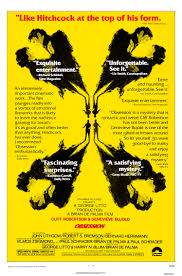
Bleak crime stories with moral collapse like Matador

Grim narratives where crime reveals the darkest corners of human nature. Explore more movies like Matador that feature a fatalistic view of crime and human nature. These similar thrillers and dramas share a bleak tone, complex characters, and an unflinching look at moral decay, perfect if you appreciated the grim trajectory of Matador's narrative.

  • fatalistic
  • oppressive
  • anxious
  • moral decay
  • disturbing
  • unsettling
  • Tone: bleak, oppressive, anxious
  • Pacing: variable, building dread
Why these movies?

The story pattern: Narratives in this thread follow a trajectory of inevitable downfall, often weaving together multiple perspectives of perpetrators, victims, and investigators. The focus is less on solving the crime and more on the psychological impact and the nihilistic worldview it exposes, culminating in a bleak and unresolving ending.

Why they belong together: These films are connected by their shared bleak tone, complex narrative structure, and focus on the psychological and moral consequences of crime. They deliver a heavy emotional experience defined by tension, sadness, and a pervasive sense of fatalism.

If you liked this

Movies Like Matador

Similar movies to Matador: the same genre, themes or kind of story. Each one comes with its own plot summary, timeline and ending explained.

Browse all movie summaries

Every angle

Matador (1986) Explained: Plot, Timeline & Characters

Everything about Matador in one place: what happens in the plot summary, the timeline in chronological order, the characters and meaning and a spoiler-free summary. What's After the Movie adds the cast, box office and post-credit scenes.

Coming soon on iOS and Android

The Plot Explained Movie Summary App

Plot summaries, endings explained and timelines on your phone. Catch up on any movie in minutes, save your favorites and never miss a twist again.

Be the first to know when we launch. Your email stays private, always.

Learn more about the app