






Plot Explained Spoilers guaranteed!
Plot Explained

Browse by genre

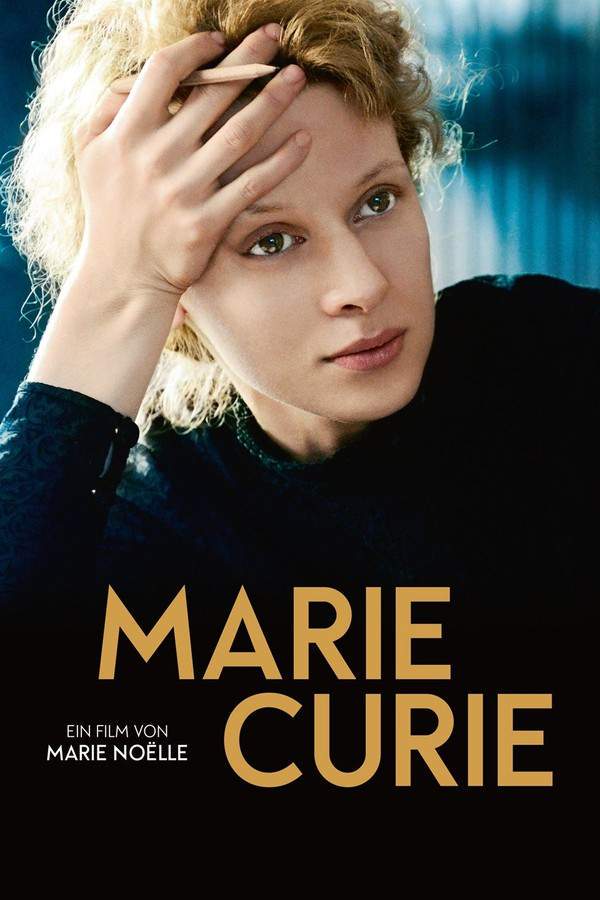
Marie Curie: The Courage of Knowledge (2017) movie poster

Timeline

Marie Curie: The Courage of Knowledge (2017) Timeline Explained – Every Event in Order

Release, runtime and language
2017 · 100 min · French
Echo score 75
JustWatch #33,332 4
Directed by
Marie Noelle
Starring
Daniel Olbrychski, Charles Berling, Arieh Worthalter, Malik Zidi, Karolina Gruszka, André Wilms

This poignant biopic explores the life and achievements of Marie Curie, a pioneering female scientist. The film portrays her groundbreaking work alongside her husband and scientific partner, Pierre, highlighting both their passionate marriage and the challenges they faced. Following Pierre's tragic death, Marie confronts numerous setbacks and personal struggles, but her unwavering dedication and relentless pursuit of knowledge ultimately lead to her remarkable triumphs and enduring legacy.

On this page (6)
  1. 1 Where to watch
  2. 2 Events in order (11)
  3. 3 Timeline questions answered
  4. 4 Movie threads
  5. 5 Movies like Marie Curie: The Courage of Knowledge
  6. 6 Every angle

Where to watch

Where to Watch Marie Curie: The Courage of Knowledge (2017)

Where can you watch Marie Curie: The Courage of Knowledge? Stream, rent or buy it in the US, including on OVID, Kanopy and Apple TV Store: current JustWatch availability with up-to-date prices.

Streaming availability powered by JustWatch

11 events in order · contains spoilers

Marie Curie: The Courage of Knowledge Timeline: Events in Chronological Order

Every key event of Marie Curie: The Courage of Knowledge (2017) in order, scene by scene, with when and where it takes place. Use it to untangle flashbacks, time jumps and parallel storylines, to refresh your memory before the sequel or to find the exact scene you are thinking of.

  1. Discovery of Radium

    Marie Curie and her husband Pierre set out on an innovative journey to isolate radium. This groundbreaking work follows their earlier discoveries and lays the groundwork for harnessing radioactivity for cancer treatment.

    When
    1904
  2. Tragic Death of Pierre Curie

    A sudden and tragic accident involving a horse-drawn wagon claims the life of Pierre Curie. Marie is plunged into deep grief, facing the loss of her partner both in life and in groundbreaking scientific endeavors.

    When
    1906
  3. Marie Takes Over Pierre's Lectures

    Despite her heartache, Marie Curie steps up to take over her husband's prestigious lectures at the University of Paris. This transition marks a significant milestone as she grapples with the challenges of being a female scientist in a male-dominated field.

    When
    1906
    Where
    University of Paris
  4. Inaugural Solvay Conference

    At the inaugural Solvay conference, Marie becomes the only female participant among a group of prominent scientists. This event establishes her as a significant figure in the scientific community and showcases her contributions.

    When
    1911
  5. Meeting with Albert Einstein

    During the Solvay conference, Marie has a serendipitous and light-hearted meeting with Albert Einstein. This encounter brings laughter and joy to her amidst the personal and professional challenges she faces at this time.

    When
    1911
  6. Ambitions at the French Academy

    Upon returning to Paris, Marie sets her sights on securing a position within the French Academy of Sciences. This institution, however, is disparagingly dominated by men, leading to significant challenges in her quest.

    Where
    French Academy of Sciences
  7. Disappointment and Resolve

    Despite her enormous efforts, Marie faces disappointment when she loses the opportunity to join the French Academy. Rather than succumbing to despair, her spirit remains unbroken, and she resolves to push harder for recognition in her field.

  8. Romantic Involvement with Paul Langevin

    During this whirlwind of professional challenges, Marie embarks on a secretive romantic relationship with her close friend Paul Langevin. This affair, however, ignites a public scandal when his wife discloses their relationship to the press.

  9. Scandal and Public Pressure

    As the scandal surrounding Marie and Paul Langevin unfolds, she finds herself in a challenging societal position. The Swedish ambassador pressures her to decline the Nobel Prize in Chemistry she is about to receive, adding further strain to her circumstances.

    When
    1911
  10. Nobel Prize in Chemistry

    Marie Curie is awarded the Nobel Prize in Chemistry in 1911, marking her second Nobel honor after her Physics prize in 1903. This achievement underscores her unwavering dedication to science and cements her status among the scientific elite.

    When
    1911
    Where
    Stockholm
  11. Acceptance Speech in Stockholm

    Despite the public scandal, Marie travels to Stockholm to deliver her acceptance speech for the Nobel Prize. Her courage to accept the award amidst adversity showcases her resilience and determination as a pioneering scientist.

    When
    1911
    Where
    Stockholm

Last updated: November 18, 2024 at 20:58

Was this helpful?

Timeline questions answered

Marie Curie: The Courage of Knowledge Timeline Explained: Your Questions Answered

When does it happen, and why in that order? The questions people ask about the chronology of Marie Curie: The Courage of Knowledge (2017): time jumps, flashbacks, cause and effect between scenes and the correct order of events, each answered with spoilers.

Q1

How did Pierre Curie die?

Pierre Curie died in 1906 after being struck by a horse-drawn wagon in the streets of Paris. The accident was sudden and tragic, leaving Marie devastated. Marie was pregnant at the time with their second child, Irène. This devastating loss forced Marie to take over Pierre's lectures at the University of Paris, making her the first woman to teach at the prestigious institution.

Foreshadowing: Earlier scenes show Marie and Pierre working closely together in their laboratory, establishing both their scientific partnership and personal bond.

  • pierre curie death
  • horse wagon accident
  • 1906
Q2

Why did Marie Curie take over Pierre's lectures after his death?

After Pierre's fatal accident in 1906, Marie was asked to take over his prestigious lectures at the University of Paris. This was highly unusual for the time, as women were rarely permitted in academic positions. Marie accepted despite her profound grief, becoming the first female professor in the university's history. This role allowed her to continue her scientific work while supporting her family.

Foreshadowing: The film establishes early on that Marie was Pierre's equal partner in scientific discovery, not merely his assistant.

  • marie curie lectures
  • university of paris
  • female professor
Q3

Why was Marie Curie the only woman at the Solvay conference?

The 1911 Solvay conference was a gathering of Europe's most prominent physicists and chemists, all men. Marie Curie was the sole female participant because science at the time was almost exclusively a male domain. Her presence at the conference was remarkable given the gender barriers she faced. Her invitation came as recognition for her groundbreaking work on radioactivity and her 1903 Nobel Prize in Physics.

Foreshadowing: Earlier scenes depict Marie struggling against institutional gender discrimination in French academia.

  • solvay conference 1911
  • marie curie first woman
  • scientific pioneers
Q4

What was the Paul Langevin scandal involving Marie Curie?

After Pierre's death, Marie Curie developed a romantic relationship with her close friend Paul Langevin, a fellow physicist. Their affair was kept secret until Langevin's wife discovered their relationship and leaked it to the press in 1911. The scandal became public during a time when Marie was about to receive her second Nobel Prize, creating immense personal and professional pressure.

Foreshadowing: The timeline shows Marie's growing friendship with Langevin developing during her period of grief and professional isolation after Pierre's death.

  • paul langevin affair
  • marie curie scandal
  • love triangle
Q5

Why was Marie Curie pressured to decline her second Nobel Prize?

When Marie Curie won the 1911 Nobel Prize in Chemistry, the Swedish ambassador pressured her to decline the award because of the public scandal surrounding her affair with Paul Langevin. The Swedish Academy feared the controversy would tarnish the Nobel's reputation. Marie refused to withdraw and instead traveled to Stockholm to deliver her acceptance speech, demonstrating remarkable courage in the face of public scrutiny.

Foreshadowing: The scandal unfolds immediately before the Nobel announcement, creating the timing for this pressure.

  • nobel prize 1911
  • marie curie chemistry
  • stockholm speech
Q6

Why was Marie Curie rejected from the French Academy of Sciences?

Marie Curie sought a seat in the French Academy of Sciences in 1911, but she was rejected despite her scientific accomplishments. The Academy was stubbornly dominated by men who were reluctant to admit a woman. Her loss was a significant professional disappointment, but rather than being discouraged, Marie intensified her efforts in research, which soon led to her second Nobel Prize.

Foreshadowing: Earlier scenes show Marie facing gender discrimination at various academic institutions.

  • french academy sciences
  • marie curie rejected
  • gender discrimination science
Q7

What was Marie Curie's meeting with Albert Einstein like?

During the 1911 Solvay conference, Marie Curie had a light-hearted meeting with Albert Einstein. The encounter brought genuine laughter and joy to Marie during a particularly challenging period in her life. Einstein, who admired her work, provided her with emotional support and companionship during the conference, offering a brief moment of levity amid professional tensions and personal difficulties.

Foreshadowing: This meeting occurs right after Marie faces the disappointment of the French Academy rejection.

  • marie curie einstein
  • solvay conference meeting
  • scientific friendship
Q8

What made Marie Curie's second Nobel Prize significant?

Marie Curie's 1911 Nobel Prize in Chemistry made her the first person to win Nobel Prizes in two different sciences. She had already shared the 1903 Nobel Prize in Physics with Pierre and Henri Becquerel for their work on radioactivity. The 1911 Chemistry prize recognized her discovery of radium and polonium, cementing her legacy as one of history's most influential scientists despite the personal adversity she faced.

Foreshadowing: The film shows Marie's relentless dedication to her research continuing through her grief and the scandal.

  • second nobel prize
  • marie curie chemistry first woman
  • rare achievement
Q9

How did Marie Curie discover radium?

Marie Curie and Pierre Curie worked together from 1904 onward to isolate the element radium, building on their earlier discoveries about radioactivity. Through painstaking laboratory work, they eventually succeeded in isolating a small amount of radium, which proved groundbreaking for cancer treatment research. This work formed the foundation for Marie's second Nobel Prize and represented a major scientific achievement.

Foreshadowing: The film establishes their collaborative scientific passion from the opening scenes.

  • discover radium
  • radium isolation
  • curie laboratory
Q10

How did Marie Curie continue her work after Pierre's death?

Despite being devastated by Pierre's death in 1906, Marie Curie pushed through her grief to continue their scientific work. She took over his lectures, raised their two daughters alone, and persisted with her research on radioactivity. Her determination to honor Pierre's memory and her passion for science drove her forward, ultimately leading to her historic Nobel achievements.

Foreshadowing: The film shows Marie's initial despair and gradual return to scientific work as a coping mechanism.

  • grief and science
  • marie curie perseverance
  • overcoming tragedy

Movie threads

More Movies Like Marie Curie: The Courage of Knowledge, by Mood & Story

Curated lists built around what makes Marie Curie: The Courage of Knowledge tick: the same mood, the same kind of story or the same emotional payoff. Each list explains why these movies belong together.

Biographical Triumphs Through Personal Grief like in Marie Curie: The Courage of Knowledge

Stories of great achievement forged in the fire of profound personal loss. If you admired how Marie Curie: The Courage of Knowledge balanced scientific triumph with personal loss, explore more movies like it. These films feature historical figures who achieve greatness while navigating profound grief, offering inspiring stories of resilience and enduring legacy.

  • inspiring
  • grieving
  • determined
  • resilient
  • triumphant
  • melancholic
  • Tone: hopeful, melancholic
  • Pacing: steady, chronological
Why these movies?

The story pattern: Stories in this thread typically follow a chronological arc where a passionate collaboration or happy period is shattered by a significant loss, such as the death of a partner. The protagonist must then persevere through adversity, often facing public scrutiny or personal struggles, before ultimately securing their place in history through unwavering dedication.

Why they belong together: Movies are grouped here for their shared emotional core: a MEDIUM intensity mix of significant sadness from loss with a HOPEFUL, HAPPY ending centered on professional triumph. They feature a STEADY, STRAIGHTFORWARD pacing that allows the audience to sit with both the grief and the gradual return to purpose.

Resilient Women Defying Societal Norms like in Marie Curie: The Courage of Knowledge

Historic dramas about women fighting for recognition in male-dominated fields. For viewers who appreciated Marie Curie's struggle against gender discrimination, this section highlights similar movies like Marie Curie: The Courage of Knowledge. Discover stories of brilliant women in history who fought prejudice and scandal to achieve professional recognition and build a lasting personal legacy.

  • determined
  • resilient
  • controversial
  • triumphant
  • inspiring
  • historical
  • Tone: determined, controversial, triumphant
  • Pacing: steady, character-driven
Why these movies?

The story pattern: The narrative pattern involves a talented female protagonist entering a field where she is an outlier. She faces systemic discrimination and often a public scandal that tests her reputation. The story charts her resilience, her fight for credibility, and her ultimate victory in cementing her professional standing and legacy against all odds.

Why they belong together: These films share a core thematic focus on gender discrimination and professional ambition. They possess a determined, resilient mood, often involving a public scandal, and conclude with a sense of hard-won triumph. The experience is inspiring yet grounded in the real historical struggles women faced.

If you liked this

Movies Like Marie Curie: The Courage of Knowledge

Similar movies to Marie Curie: The Courage of Knowledge: the same genre, themes or kind of story. Each one comes with its own plot summary, timeline and ending explained.

Browse all movie summaries

Every angle

Marie Curie: The Courage of Knowledge (2017) Explained: Plot, Timeline & Characters

Everything about Marie Curie: The Courage of Knowledge in one place: what happens in the plot summary, the timeline in chronological order, the characters and meaning and a spoiler-free summary. What's After the Movie adds the cast, box office and post-credit scenes.

Coming soon on iOS and Android

The Plot Explained Movie Summary App

Plot summaries, endings explained and timelines on your phone. Catch up on any movie in minutes, save your favorites and never miss a twist again.

Be the first to know when we launch. Your email stays private, always.

Learn more about the app