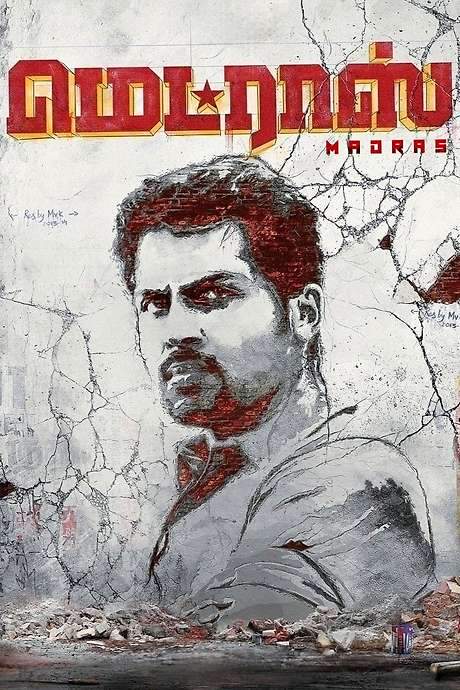
Madras
Year: 2014
Runtime: 156 mins
Language: Tamil
Director: Pa. Ranjith
This film offers a glimpse into the lives of residents in North Madras, exploring the complex political landscape within the area's slums. It highlights the cyclical nature of their struggles, despite politicians frequently making promises during election seasons. The story examines the everyday realities and persistent challenges faced by the community.
Where to Watch Madras?
Find where to stream, rent, or buy Madras (2014) in the US with current JustWatch availability, up-to-date pricing, and platform listings for subscription, rental, and digital purchase options.



Streaming availability powered by 
Warning: spoilers below!
Haven’t seen Madras yet? This summary contains major spoilers. Bookmark the page, watch the movie, and come back for the full breakdown. If you're ready, scroll on and relive the story!
Timeline – Madras (2014)
Trace every key event in Madras (2014) with our detailed, chronological timeline. Perfect for unpacking nonlinear stories, spotting hidden connections, and understanding how each scene builds toward the film’s climax. Whether you're revisiting or decoding for the first time, this timeline gives you the full picture.
Last updated: October 09, 2025 at 16:05
Madras (2014) Timeline Questions Answered – Chronology FAQ
Find frequently asked questions about the Madras (2014) timeline, including chronological order, nonlinear jumps, cause-and-effect links, and scene sequence clarifications. This timeline FAQ helps explain when key events happen, how moments connect, and why the story unfolds in that specific order.
Why does Kaali kill Perumal with a crowbar?
Kaali kills Perumal in a moment of desperate self-defense during the assassination attempt on him and Anbu. When Kannan's goons ambush them on the street, Kaali grabs a crowbar and strikes Perumal (Kannan's son) in the head, killing him instantly. This violent act marks a turning point, escalating the feud from political postering to actual murder and setting in motion the chain of events that leads to Anbu's death.
Earlier, the wall's history of three deaths had already established that violence was an expected outcome of the rivalry.
Why does Anbu take responsibility for the murder at the courthouse?
Anbu confesses to killing Perumal at the Kanchipuram district court hoping to secure a lighter sentence or quick release, since the FIR already named him for the crime. His strategy backfires badly, while he awaits trial outside the courthouse, Kannan's henchmen attack him, killing Anbu while leaving Kaali critically wounded.
The FIR naming Anbu for the murder earlier tied him to the crime in the eyes of both authorities and the rival faction.
Who kills Anbu outside the courthouse?
Kannan's henchmen kill Anbu in the courthouse corridor in Kanchipuram. After Anbu confesses to the murder of Perumal, Kannan's men attack both Anbu and Kaali as they leave the courthouse, resulting in Anbu's death and leaving Kaali gravely wounded.
Kannan had ordered the elimination of both Anbu and Kaali after the confrontation at the wall.
Why does Maari betray Anbu and Kaali?
Maari secretly allied with the rival political party to become the MLA of RK Nagar. He orchestrated the assassination of Anbu (and Kaali) to remove obstacles and consolidate his power. Despite appearing to support Anbu and Kaali's surrender, Maari had been working behind the scenes with Kannan's faction to eliminate them and advance his political ambitions.
Maari's promise of revenge after Anbu's death masked his true involvement in the conspiracy.
How does Kaali discover Maari's betrayal?
Kaali discovers the truth at a restaurant after his marriage to Kalaiarasi. He spots one of Maari's henchman, captures him, and learns that Maari had secretly joined forces with the opposing party to become MLA and had ordered Anbu's assassination. This revelation fuels Kaali's quest for justice.
Maari's eagerness to have them surrender at the courthouse seemed helpful at the time but was actually part of the trap.
What is the significance of the wall in the story?
The contested wall in Vyasarpadi serves as a symbol of political power and identity for two rival factions. For two decades, the portrait of Krishnappan (father of Kannan) has hung there, marking territorial boundaries. Both political parties fight to claim the wall for displaying their leaders' portraits, and this struggle has led to multiple deaths, making the wall a constant source of tension and violence in the community.
The wall is introduced from the start as the central conflict driving the entire narrative.
Why does Kaali paint over the wall at the end?
After exposing Maari's betrayal at a public gathering, Kaali splashes paint over the old political portrait on the wall in protest. This act sparks the community to join in transforming the wall into a mural celebrating children's education and hopeful futures. The wall shifts from a symbol of political rivalry to one of social progress and unity.
The wall had always reflected whatever power controlled the neighborhood, now Kaali redirects that symbolism.
What happens to Maari at the end of Madras?
Maari attempts to kill Kaali in a final confrontation but is betrayed by the successor of the opposing party who refuses to help him. Kaali defeats Maari's henchmen and leaves Maari grievously injured. Maari dies from his wounds, removing the central figure of the two-decade feud and ending his political reign over the neighborhood.
Maari's betrayal of Anbu had created enemies on all sides, making his downfall inevitable.
Why does Kalaiarasi stand by Kaali after Anbu's death?
Kalaiarasi, the daughter of a politician, had developed genuine feelings for Kaali even before the violent events unfolded. After Anbu's death and Kaali's descent into guilt, she comforts him and eventually marries him. She supports his decision to expose Maari's conspiracy and stands with him as he seeks justice and a new purpose for their community.
Kalaiarasi's confession of love to Kaali before the assassination attempt established her emotional investment in him.
Does Kannan get his father's portrait back on the wall?
The film ends with Kannan's desire to hang his father's portrait on the wall remaining unfulfilled. While Kaali and Kalaiarasi transform the wall into an educational mural and begin teaching in the building, Kannan's lingering attachment to his father's portrait represents the unresolved cycle of conflict. The closing image suggests the wall's symbolic power continues to hold the community in its grip, even as new hope emerges.
Kannan's obsession with the portrait drove much of the rivalry throughout the film.

Explore Movie Threads
Discover curated groups of movies connected by mood, themes, and story style. Browse collections built around emotion, atmosphere, and narrative focus to easily find films that match what you feel like watching right now.
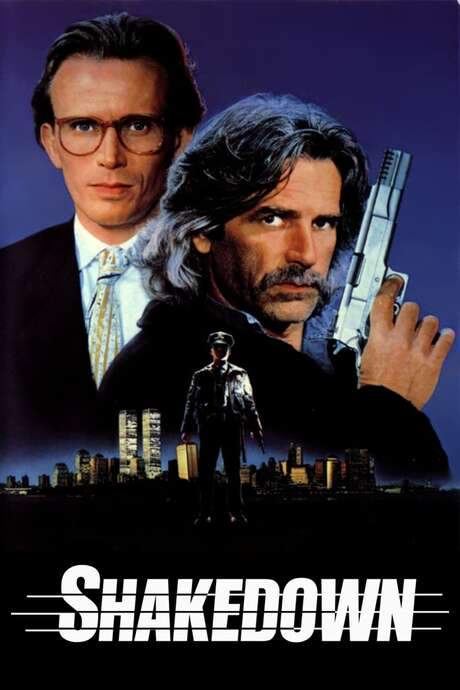
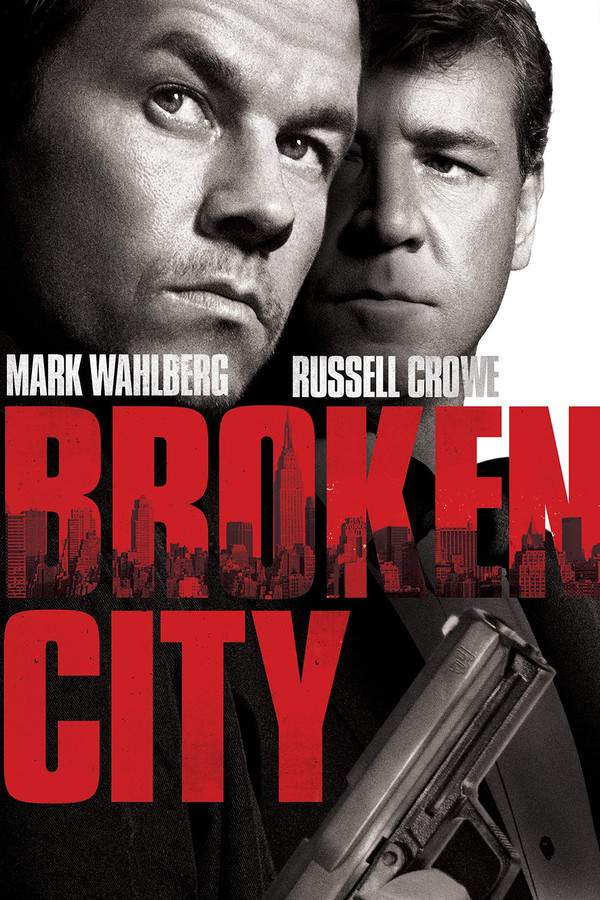
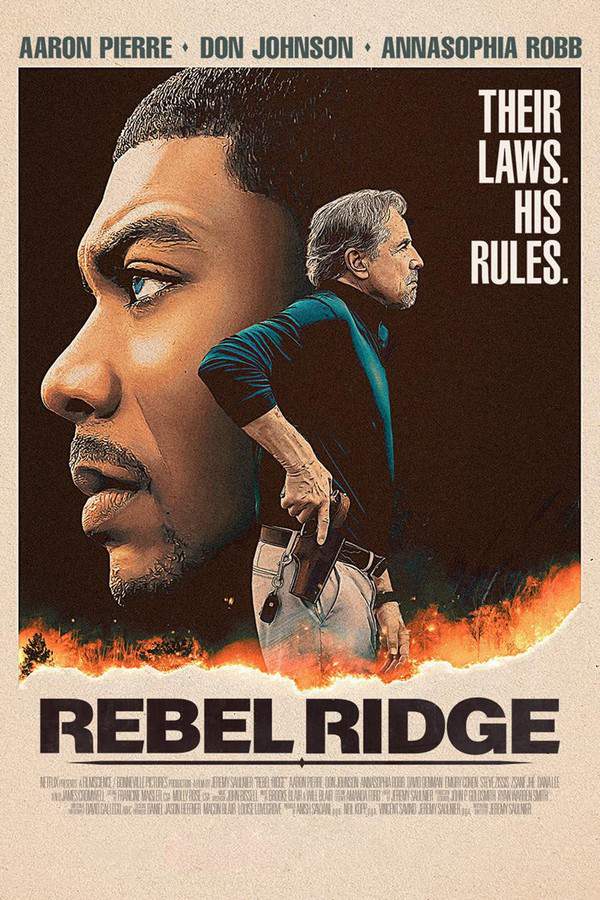
Gritty Urban Political Thrillers like Madras
Intense stories of power, corruption, and survival in the city's underbelly.If you liked the intense political landscape and community struggle in Madras, explore more movies like it. This section features similar gritty action dramas set against a backdrop of urban poverty, corruption, and the fight for power, where personal vendettas collide with larger societal issues.


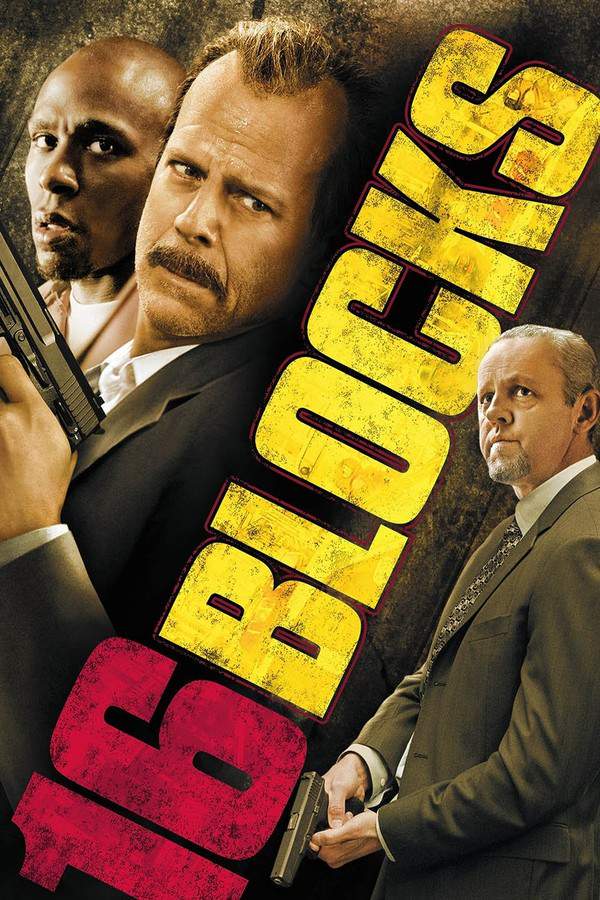



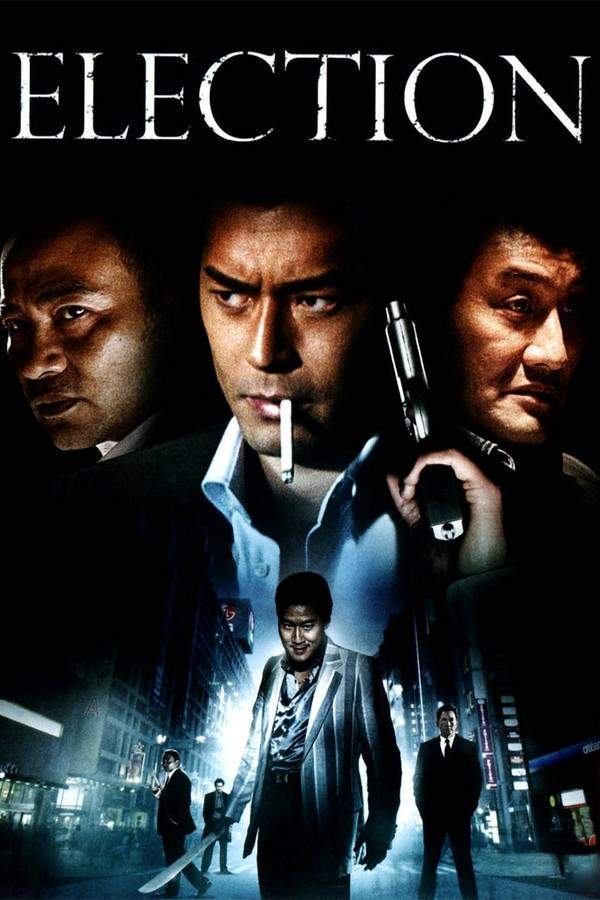


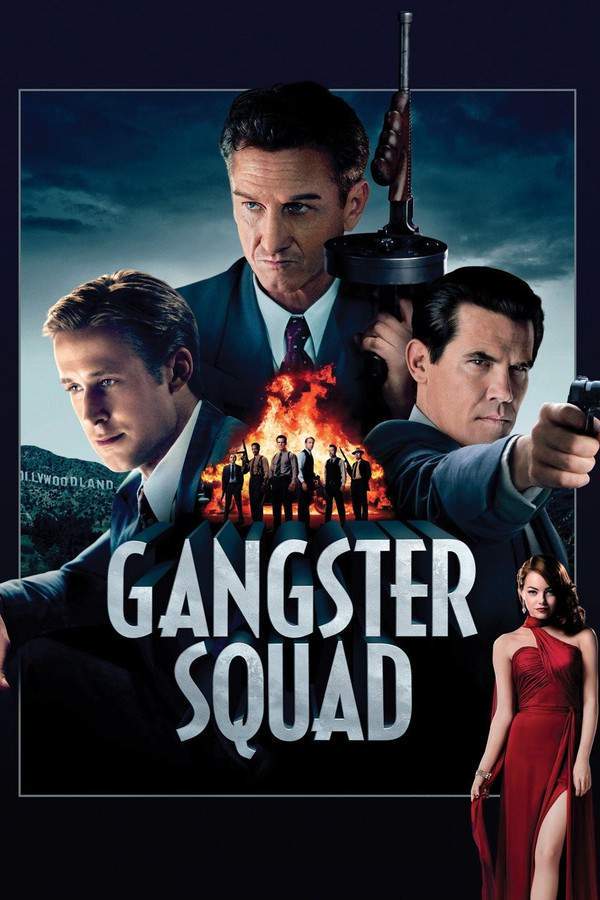

Narrative Summary
These narratives typically follow a protagonist, often from within the community, who becomes entangled in or directly challenges a corrupt political machine. The central conflict escalates rapidly from threats to outright violence, involving betrayals, assassinations, and a climactic confrontation. The journey is defined by high personal cost and a heavy emotional weight, questioning whether any real change is possible within a broken system.
Why These Movies?
They are grouped together by their shared high-intensity, tense tone, and fast-paced escalation of conflict within a specific urban setting. The focus on political corruption, class conflict, and the blurred lines between revenge and justice creates a cohesive and powerful viewing experience.
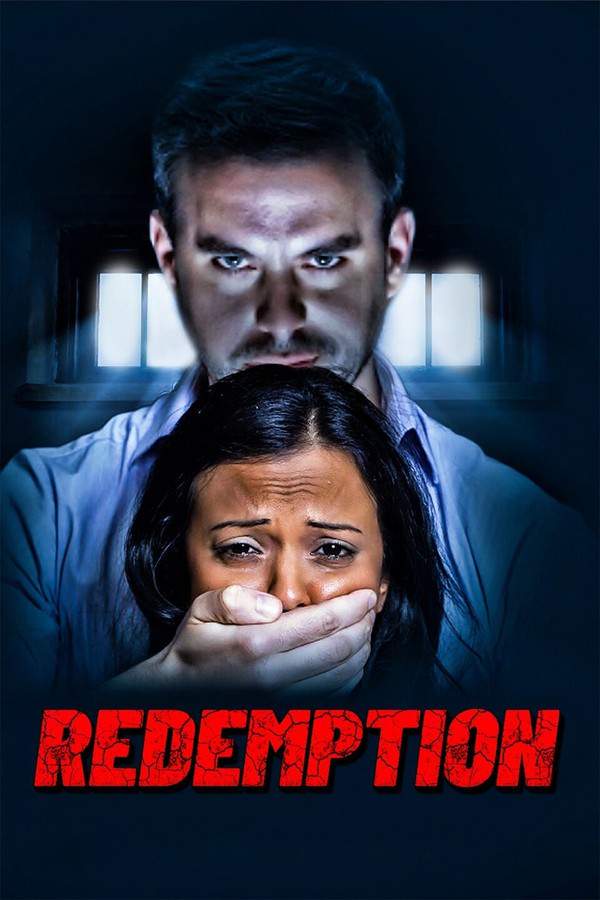
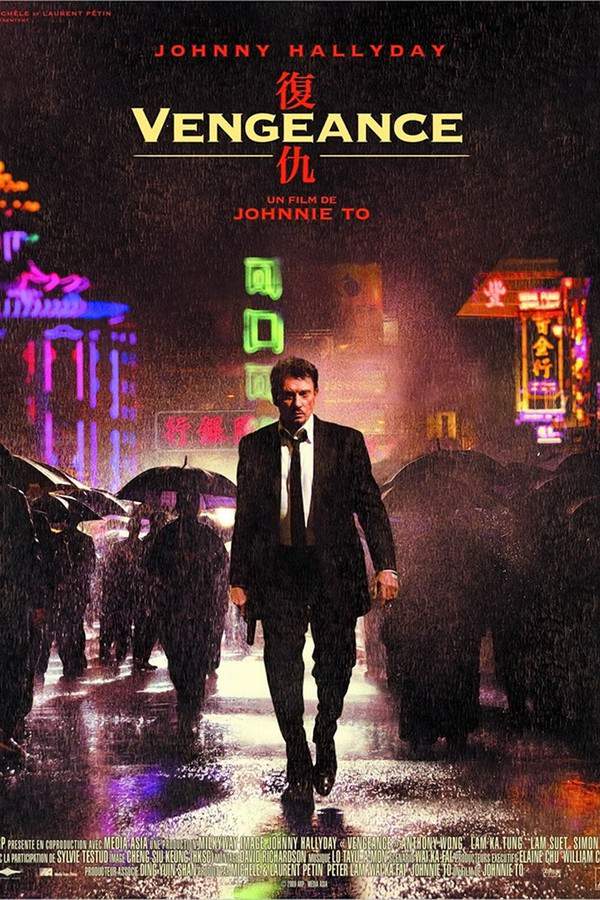
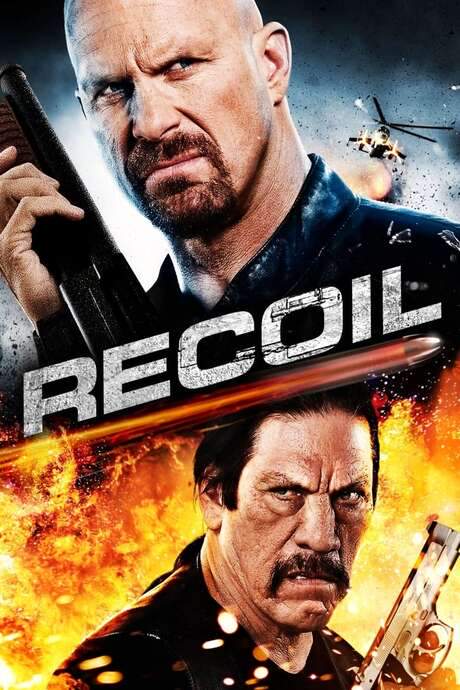
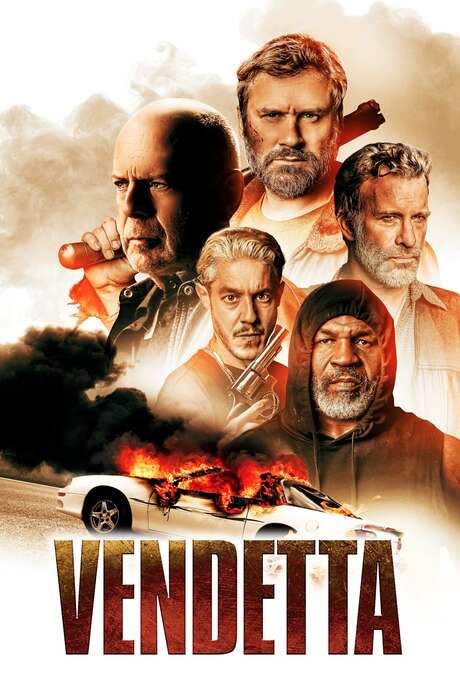
Movies with Bittersweet Revenge like Madras
Stories where the quest for justice leaves lasting scars but a glimmer of hope.For viewers who appreciated the heavy emotional journey and bittersweet ending of Madras, this list features similar stories. Discover action dramas and thrillers where a quest for vengeance is central, leading to a conclusion that balances justice with the tragic cost of violence, often leaving a sense of hope amidst the loss.

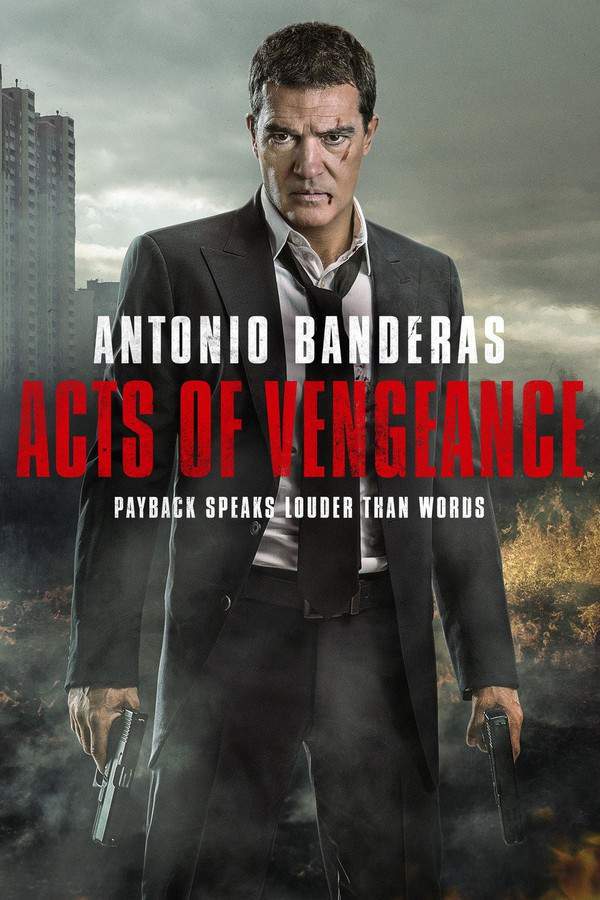









Narrative Summary
The narrative pattern begins with a catalyzing act of betrayal or violence that shatters the protagonist's world. The bulk of the story is a fast-paced, intense pursuit of retribution, marked by further violence and moral compromise. The ending, however, subverts pure catharsis; justice is served, but the emotional and physical toll is heavy, and the resolution often points toward a future built on the ashes of the past, rather than a simple return to normalcy.
Why These Movies?
These movies share a powerful emotional core driven by loss and the desire for revenge, resulting in a similarly bittersweet emotional payoff. The combination of high-intensity action, heavy emotional weight, and a concluding tone that blends melancholy with a sliver of hope creates a distinct and resonant narrative arc.
Unlock the Full Story of Madras
Don't stop at just watching - explore Madras in full detail. From the complete plot summary and scene-by-scene timeline to character breakdowns, thematic analysis, and a deep dive into the ending - every page helps you truly understand what Madras is all about. Plus, discover what's next after the movie.
Madras Summary
Read a complete plot summary of Madras, including all key story points, character arcs, and turning points. This in-depth recap is ideal for understanding the narrative structure or reviewing what happened in the movie.

Characters, Settings & Themes in Madras
Discover the characters, locations, and core themes that shape Madras. Get insights into symbolic elements, setting significance, and deeper narrative meaning - ideal for thematic analysis and movie breakdowns.


