






Plot Explained Spoilers guaranteed!
Plot Explained

Browse by genre

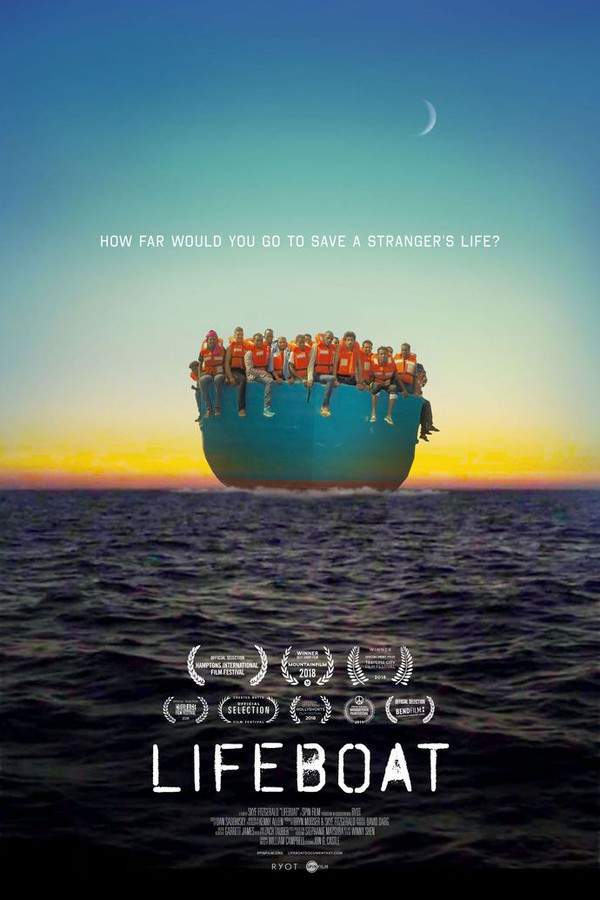
Lifeboat (1944) movie poster

Timeline

Lifeboat (1944) Timeline Explained – Every Event in Order

Release, runtime and language
1944 · 97 min · English
Directed by
Alfred Hitchcock
Starring
Hume Cronyn, Heather Angel, William Bendix, Canada Lee, Henry Hull, John Hodiak

During World War II, survivors from a torpedoed passenger ship find themselves adrift on a lifeboat, facing a desperate struggle for survival. Among them are people of different nationalities and backgrounds, forced to confront their prejudices and cooperate to navigate the open sea. As resources dwindle and tensions rise, they must contend with storms, starvation, and the constant threat of being spotted by enemy forces. The story explores the complexities of human nature and the will to live amidst overwhelming adversity.

On this page (5)
  1. 1 Where to watch
  2. 2 Events in order (14)
  3. 3 Timeline questions answered
  4. 4 Movie threads
  5. 5 Every angle

Where to watch

Where to Watch Lifeboat (1944)

Where can you watch Lifeboat? Stream, rent or buy it in the US, including on Hoopla, Amazon Video and Apple TV Store: current JustWatch availability with up-to-date prices.

Streaming availability powered by JustWatch

14 events in order · contains spoilers

Lifeboat Timeline: Events in Chronological Order

Every key event of Lifeboat (1944) in order, scene by scene, with when and where it takes place. Use it to untangle flashbacks, time jumps and parallel storylines, to refresh your memory before the sequel or to find the exact scene you are thinking of.

  1. Willi pulled aboard the lifeboat

    Eight civilians and service members drift in the Atlantic after their ships sink in a dual engagement. Willi, a German survivor from the U-boat, is pulled aboard the lifeboat, shocking the group. A tense argument erupts over whether to keep him alive.

    Where
    Atlantic Ocean lifeboat
  2. The debate over Willi's fate

    The cast members confront whether mercy should extend to the enemy. Kovac demands that the German be thrown overboard, while Porter, Stanley, and Rittenhouse argue for letting him stay. The discussion becomes a test of their humanity under pressure and shapes the group's future actions.

    Where
    Lifeboat
  3. Mrs. Higley loses control after her baby dies

    Mrs. Higley learns that her infant is dead as they are pulled from the water, heightening the emotional toll. She is restrained to stop her from harming herself and, in a moment of panic, jumps overboard wearing Porter's mink coat. The drama underscores the fragility and desperation of the survivors.

    Where
    Lifeboat
  4. Willi revealed as U-boat captain

    It is revealed that Willi is not just a crewman but the U-boat captain who orchestrated events from within. The revelation redefines the threat he represents and deepens the moral ambiguity of keeping him aboard. Trust among the survivors frays as the truth sinks in.

    Where
    Lifeboat
  5. Rations and Bermuda plan; Gus's leg amputated

    The survivors attempt to ration their scarce food and water while plotting a course for Bermuda. In a brutal but necessary act, Gus Smith's injured leg is amputated to save the rest of the group. The act illustrates how far people will go to survive in isolation.

    Where
    Lifeboat
  6. Storm grants Willi a dangerous advantage

    During a violent storm, Kovac loses some control, and Willi wrests command of the lifeboat. He uses the chaos to push his own agenda and consolidate power over the group. The crisis becomes a crucible for leadership and survival instincts.

    Where
    Atlantic Ocean, in the lifeboat during a storm
  7. Gus's death

    Gus, weakened by salt intake and delirium, suspects Willi’s deception and attempts to alert Stanley. Willi pushes Gus over the side, silencing his cries as the lifeboat endures the night. His death removes one of the lifeboat’s few moral voices.

    Where
    Lifeboat
  8. Discovery of Willi's water and his death

    Later, the survivors realize Willi does have a hidden water flask, and Joe retrieves it only to find that it breaks. Willi explains that survival on a U-boat requires practical plans and discipline. Enraged by the deception, the other survivors beat him and cast him from the lifeboat to his death.

    Where
    Lifeboat
  9. Rittenhouse reflects on Willi's ingratitude

    With Willi dead, Rittenhouse laments the 'ingratitude' of a foe who could not appreciate their mercy. He wonders aloud what to do with people like that, but no one offers a clear answer. The moment leaves the group's moral compass unsettled while they cling to survival.

    Where
    Lifeboat
  10. Stanley proposes to Alice

    Amid the dire circumstances, Stanley, the radioman, proposes to Alice and she accepts, offering a counterpoint of personal hope in a bleak voyage. Their engagement becomes a small beacon of humanity within the danger around them. The couple solidifies their commitment even as fate remains uncertain.

    Where
    Lifeboat
  11. Connie's bracelet as bait; its loss

    Connie offers her Cartier bracelet as bait for fishing, hoping to secure food. A fish bites, but during the rush for the oars the line trips and the bracelet is lost. The moment underscores how precious possessions become casualties in the struggle to survive.

    Where
    Lifeboat
  12. The sighting of ships and a naval battle

    The survivors spot the German supply ship toward which Willi had steered them, only to witness a furious engagement with a US warship. Both enemy ships are sunk in the battle, and the lifeboat narrowly escapes destruction. The fight underscores the indiscriminate violence of war and the fragility of rescue.

    Where
    Atlantic Ocean
  13. A German seaman is pulled aboard; moral conflict resurfaces

    A frightened, wounded German sailor is pulled aboard the lifeboat, reintroducing the threat of enemy combatants in their midst. Rittenhouse and Kovac push to kill him, while others restrain them, reminding everyone of the thin line between mercy and revenge. The seaman asks, 'Aren't you going to kill me?' bringing the ethical dilemma to a head.

    Where
    Lifeboat
  14. Conscience and rescue implied

    The surviving group contemplates their uncertain fate as they hope for rescue, balancing their past actions against future consequences. Stanley's practicality and Connie's cynicism mingle with the others' fear, leaving the ending open to interpretation while implying they may be saved. The conclusion hinges on whether mercy will endure beyond the immediacy of survival.

    Where
    Lifeboat

Last updated: October 09, 2025 at 15:37

Was this helpful?

Timeline questions answered

Lifeboat Timeline Explained: Your Questions Answered

When does it happen, and why in that order? The questions people ask about the chronology of Lifeboat (1944): time jumps, flashbacks, cause and effect between scenes and the correct order of events, each answered with spoilers.

Q1

Why did the survivors keep the German on the lifeboat?

The survivors debated whether to throw Willi overboard, with Kovac advocating for his death as the enemy, but Porter, Stanley, and Rittenhouse argued for mercy. They believed keeping him alive was the right thing to do, even though he was German, this choice becomes central to the film's moral tension.

Foreshadowing: This debate sets up the ethical question that resurfaces later with the wounded German seaman.

  • Willi
  • lifeboat
  • German
  • mercy
  • survivors
  • killing
Q2

Why did Willi push Gus overboard in Lifeboat?

Gus had been drinking seawater and became delirious. He suspected Willi of having hidden water and tried to warn Stanley. While others slept, Willi silenced him by pushing him over the side into the ocean, where he drowned despite his pleas.

Foreshadowing: Willi's earlier secrecy about having a compass and water hinted at his willingness to deceive the group.

  • Willi
  • Gus
  • death
  • drowning
  • seawater
  • delirium
Q3

What happened to Mrs. Higley's baby in Lifeboat?

Mrs. Higley's infant was already dead when she was pulled from the water. The devastating news caused her to spiral, she had to be restrained to prevent self-harm, and later she jumped overboard in a panic while wearing Porter's mink coat.

Foreshadowing: The loss of her child creates the emotional context for the group's moral struggles.

  • Mrs. Higley
  • baby
  • death
  • self-harm
  • distress
Q4

What was Willi's true identity in Lifeboat?

Willi was not merely a German sailor, he was the captain of the U-boat that sank the survivors' ships. He concealed his rank and identity to manipulate the group, only later revealing he spoke English and had a hidden compass.

Foreshadowing: His presence from the beginning was a calculated act, not mere chance survival.

  • Willi
  • U-boat captain
  • identity
  • deception
  • command
Q5

Why was Willi killed at the end of Lifeboat?

The survivors discovered Willi had a hidden water flask while they suffered from thirst. Joe ripped it from his shirt, but it broke. Willi explained that U-boat crews carry food tablets and energy pills, and having a plan is essential for survival. Enraged by his deception, especially since he had been steering them toward a German supply ship, the others beat him and cast him overboard to die.

Foreshadowing: His earlier secretiveness about the compass and his sudden control during the storm hinted at his deception.

  • Willi
  • water flask
  • killing
  • deception
  • survival
  • U-boat
Q6

Why does Rittenhouse call Joe 'George' in Lifeboat?

Rittenhouse repeatedly refers to Joe as 'George' despite his name being Joe. This appears to be a memory slip or deliberate distancing, possibly confusing him with another crewman or referencing the deceased Gus Smith, showing Rittenhouse's emotional disconnection from the other survivors.

  • Rittenhouse
  • Joe
  • George
  • name
  • confusion
Q7

Why did Connie lose her Cartier bracelet in Lifeboat?

Connie offered her valuable Cartier diamond bracelet as fishing bait to catch food. A fish bit, but in the rush to grab the oars, the fishing line tangled and slipped overboard, taking the bracelet with it. The loss illustrates how desperate survival needs render precious possessions meaningless.

  • Connie
  • bracelet
  • Cartier
  • fishing
  • lost
  • valuables
Q8

What happened with the wounded German seaman at the end of Lifeboat?

A young, frightened German seaman was pulled aboard the lifeboat after being spotted in the water. Rittenhouse immediately called for his execution, but the others restrained him. The German drew a pistol, but Joe disarmed him. When the German asked 'Aren't you going to kill me?' it echoed the earlier debate about Willi. Kovac responded with 'Aren't you going to kill me? What are you going to do with people like that?', reopening the same moral question without answering it.

Foreshadowing: This moment directly mirrors the earlier decision to spare Willi, bringing the moral dilemma full circle.

  • German seaman
  • execution
  • mercy
  • prisoner
  • moral dilemma
Q9

How did Willi gain control during the storm in Lifeboat?

During a violent storm, Kovac lost control of the lifeboat. Willi used the chaos to seize command, having concealed a compass and revealing he spoke English fluently. His navigation skills allowed him to direct the boat toward a German supply ship, consolidating his influence over the desperate survivors.

Foreshadowing: This power shift occurred because Willi had been quietly observing and planning all along.

  • Willi
  • storm
  • control
  • compass
  • navigation
  • leadership
Q10

Why did Stanley propose to Alice in Lifeboat?

Amid the grim circumstances of survival and after multiple deaths, Stanley proposed marriage to Alice and she accepted. This moment represents a flicker of hope and human connection against the bleakness of their situation, showing that even in extremis, people cling to personal bonds and future possibilities.

  • Stanley
  • Alice
  • proposal
  • marriage
  • hope
  • survival

Movie threads

More Movies Like Lifeboat, by Mood & Story

Curated lists built around what makes Lifeboat tick: the same mood, the same kind of story or the same emotional payoff. Each list explains why these movies belong together.

Claustrophobic survival movies like Lifeboat

Stories where a confined group faces extreme choices for survival. If you liked the tense group dynamics in Lifeboat, explore more movies like it. This thread features stories of survival in confined spaces where characters must make desperate moral choices, testing their humanity under extreme pressure. These films share a heavy emotional weight and a tense, morally ambiguous tone.

  • claustrophobic
  • tense
  • desperate
  • morally ambiguous
  • paranoid
  • somber
  • Tone: tense, morally complex
  • Pacing: steady, escalating
Why these movies?

The story pattern: Narratives in this thread typically begin with a catastrophic event that isolates a group. The central conflict shifts from battling the elements to navigating the ensuing power struggles, ideological clashes, and ethical dilemmas within the group, often leading to betrayal, sacrifice, and a questioning of basic human nature.

Why they belong together: Movies are grouped here for their shared focus on survival within a limited space, their high intensity driven by interpersonal conflict, and their exploration of weighty moral themes. They create a consistent vibe of claustrophobic dread and desperate decision-making.


Wartime character dramas similar to Lifeboat

Intimate dramas that use war as a backdrop to examine human nature. For viewers who enjoyed the human drama of Lifeboat, this thread collects movies like it that explore the psychological effects of war. These stories focus on character dynamics and moral ambiguity within a wartime context, offering a somber and thoughtful look at the human condition during extreme adversity.

  • somber
  • thought-provoking
  • tense
  • war-torn
  • psychological
  • character-driven
  • Tone: somber, thoughtful
  • Pacing: steady, character-driven
Why these movies?

The story pattern: The narrative pattern involves placing a microcosm of society—often with conflicting ideologies—into a pressurized wartime situation. The plot is driven by character revelations and evolving relationships rather than large-scale action, culminating in an ending that is often ambiguous or bittersweet, reflecting the unresolved complexities of war.

Why they belong together: These films are connected by their shared tone of somber gravity, their steady pacing that allows for deep character exploration, and their central theme of examining human nature through the lens of war. They prioritize psychological tension over physical action.

Every angle

Lifeboat (1944) Explained: Plot, Timeline & Characters

Everything about Lifeboat in one place: what happens in the plot summary, the timeline in chronological order, the characters and meaning and a spoiler-free summary. What's After the Movie adds the cast, box office and post-credit scenes.

Coming soon on iOS and Android

The Plot Explained Movie Summary App

Plot summaries, endings explained and timelines on your phone. Catch up on any movie in minutes, save your favorites and never miss a twist again.

Be the first to know when we launch. Your email stays private, always.

Learn more about the app