Plot Explained Spoilers guaranteed!
Plot Explained

Browse by genre

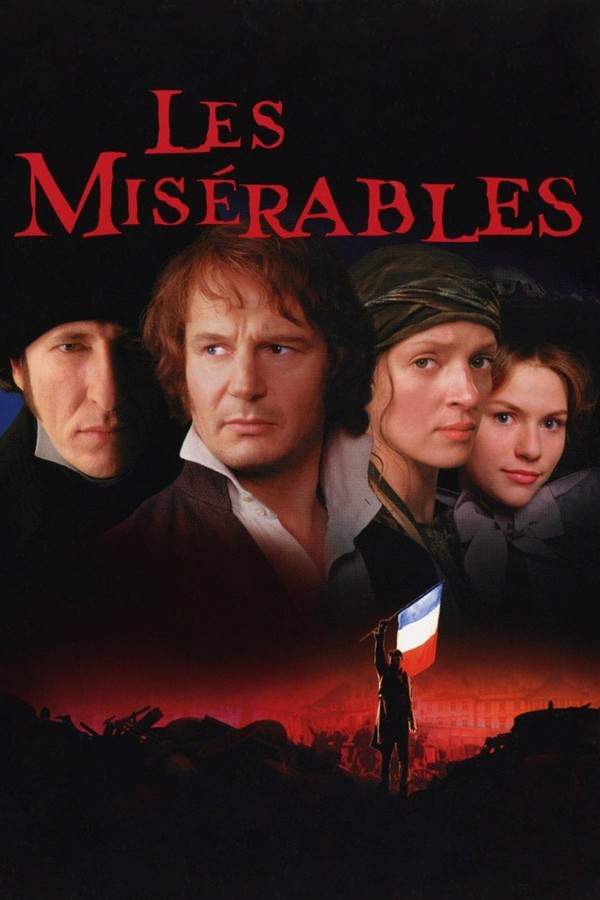
Les Miserables (2012) movie poster

Characters & Themes

Les Miserables (2012) Characters, Setting & Themes Explained

Release, runtime and language
2012 · 158 min · English
Loading streaming availability…
Directed by
Tom Hooper
Starring
Sacha Baron Cohen, Russell Crowe, Anne Hathaway, Hugh Jackman, Helena Bonham Carter, Amanda Seyfried
Budget
$61M

In 19th-century France, Jean Valjean, a former convict seeking redemption, transforms his life and becomes a compassionate mayor. However, his past catches up to him when the relentless Inspector Javert vows to bring him to justice, driven by a rigid sense of order and vengeance. Their decades-long pursuit unfolds against the backdrop of social unrest and revolution, testing their principles and ultimately determining their fates.

On this page (10)
  1. 1 Where to watch
  2. 2 Characters explained (7)
  3. 3 Character relationship map
  4. 4 Where & when it takes place
  5. 5 Themes & meaning (3)
  6. 6 Character & meaning questions
  7. 7 The book behind the movie
  8. 8 Movie threads
  9. 9 Movies like Les Miserables
  10. 10 Every angle
Loading streaming availability…

7 main characters · contains spoilers

Les Miserables Characters Explained: Who Is Who

The main characters of Les Miserables (2012), heroes and villains: what drives them, how they change over the course of the story and what each of them reveals about the film's bigger ideas.

  • Jean Valjean (Hugh Jackman)

    A deeply flawed yet heroic protagonist, Valjean embodies the struggle for redemption and the quest for a new identity. His journey from convict to respected mayor illustrates his transformation and moral resolve, as he consistently chooses selflessness over personal gain.

    • 👨‍⚖️ Hero
    • 🤝 Redemption
  • Javert (Russell Crowe)

    Javert is a relentless police inspector who is staunchly dedicated to the law. His unwavering pursuit of Valjean signifies a rigid sense of justice, yet his internal conflict raises questions about the nature of morality and the human capacity for change.

    • 🕵️‍♂️ Antagonist
    • ⚖️ Justice
  • Fantine (Anne Hathaway)

    A tragic figure, Fantine is a mother whose desperation drives her to the depths of society. Her heartbreaking journey emphasizes themes of sacrifice and the harsh realities faced by women in that era, ultimately serving as a catalyst for Valjean's transformation.

    • 👩‍👧‍👦 Mother
    • 💔 Tragedy
  • Cosette (Amanda Seyfried)

    Cosette's character represents hope and innocence amidst oppression. Growing from a neglected child into a young woman, her journey highlights the struggles of love and the nurturing bond she shares with Valjean, standing as a beacon of light in darker times.

    • ✨ Hope
    • 💕 Love
  • Marius Pontmercy (Eddie Redmayne)

    Marius is a passionate young idealist caught in a web of love and revolution. His character reflects youthful determination and the longing for change, as he navigates his feelings for Cosette against the backdrop of societal upheaval.

    • 🔥 Revolution
    • 💘 Romance
  • Thenardier (Sacha Baron Cohen)

    Representing the moral decay of society, Thenardier is a cunning innkeeper who exploits the suffering of others for personal gain. His unscrupulous nature serves as a contrast to Valjean, highlighting the themes of greed and corruption.

    • 💰 Greed
    • 🦹‍♂️ Antagonist
  • Eponine (not explicitly provided)

    Eponine, the unrequited love of Marius, embodies the theme of sacrifice and the pain of unreciprocated feelings. Her loyalty and bravery highlight her depth as a character amidst the turmoil of revolution, making her sacrifice all the more poignant.

    • 💔 Heartbreak
    • 🎭 Sacrifice

Last updated: October 28, 2026 at 20:43

Was this helpful?

8 characters · 12 connections · contains spoilers

Les Miserables Character Relationship Map

Who is connected to whom in Les Miserables: family, love, friendships, rivalries and hidden ties, colour-coded. Pick a character to see their side of the story, or a connection to see what brings two characters together.

How much of the story to show
JVJean ValjeanHugh JackmanJJavertRussell CroweFFantineAnne HathawayCCosetteAmanda SeyfriedMPMariusPontmercyEddie RedmayneTThenardierSacha Baron CohenEEponineBOBishop of Digne

Last updated: October 28, 2026 at 20:43

Was this helpful?

Setting

Where and When Does Les Miserables Take Place?

The setting of Les Miserables (2012): the year and time period, the places and locations, and how they shape the characters, the mood and the tension of the story.

Time period

1815-1832

Set in early 19th century France, this time period was marked by political upheaval, social reform, and the aftermath of the Napoleonic Wars. The rise of the working class and the revival of revolutionary sentiments highlight the desperate societal struggles experienced by characters in the film.

Location

Montreuil-Sur-Mer, Paris

Montreuil-Sur-Mer serves as a backdrop for Jean Valjean's remarkable transformation from convict to mayor, symbolizing redemption and societal awareness. Paris, filled with revolutionary fervor, is the central stage for the conflict and despair faced by its citizens, defined by its historic architecture and vibrant culture.

  • 🏙️ City
  • 🏰 Historical

Last updated: October 28, 2026 at 20:43

Was this helpful?

3 major themes

Les Miserables Meaning: Themes & Message Explained

What is Les Miserables (2012) really about? The emotional, social and philosophical themes the film keeps returning to, its symbolism and the message beneath the surface.

  • Justice

    Justice permeates the narrative, showcasing the stark contrasts between the harsh realities of the legal system and the moral dilemmas faced by individuals. Through Valjean and Javert's interactions, the film explores the complexities of justice versus mercy, particularly in the oppressive societal structure of 19th century France.

  • Sacrifice

    Sacrifice emerges as a poignant theme, especially through Valjean's actions for Cosette and Marius. Characters consistently place the needs of others above their own desires, highlighting the burdensome yet noble choices that define true love and moral responsibility in the face of adversity.

  • Redemption

    The quest for redemption drives Valjean's character, representing the possibility of change despite a tainted past. His transformative journey invites audiences to reflect on the power of forgiveness and the enduring impact of compassion in an unforgiving world.

Last updated: October 28, 2026 at 20:43

Was this helpful?

Character & theme questions

Les Miserables Characters & Meaning: Your Questions Answered

The questions people ask about Les Miserables (2012): who the characters really are, their relationships, what the symbols mean, where it takes place and what the movie is really about. Each answer contains spoilers.

Q1

What cities is Les Misérables set in?

Les Misérables takes place primarily in two French locations: Montreuil-Sur-Mer, where Jean Valjean transforms from a convict into a respected mayor, and Paris, which serves as the central stage for the revolutionary unrest and social conflict that defines the story's climax.

  • paris
  • montreuil-sur-mer
  • setting
  • locations
  • france
Q2

What time period does Les Misérables cover?

The film is set in early 19th-century France, spanning from 1815 to 1832. This period was marked by political upheaval, social reform, and the aftermath of the Napoleonic Wars, with revolutionary sentiments rising among the working class.

  • time period
  • 1800s
  • 19th century
  • france
  • historical
Q3

What is the theme of redemption in Les Misérables?

Redemption is the central theme driving Jean Valjean's character. After serving 19 years as a convict for stealing bread, he transforms his life and becomes a compassionate mayor, proving that people can change despite a tainted past. His journey invites audiences to reflect on forgiveness and the power of compassion in an unforgiving world.

  • redemption
  • valjean
  • forgiveness
  • transformation
  • moral change
Q4

How does Les Misérables explore justice versus mercy?

The film presents a stark contrast between Inspector Javert's rigid adherence to law and Valjean's moral compass. Javert believes criminals must always face punishment, while Valjean demonstrates that mercy and compassion can lead to true justice. This tension defines their decades-long conflict and raises questions about morality in an oppressive society.

  • justice
  • mercy
  • javert
  • law
  • morality
  • compassion
Q5

Who is Javert and what is his role in the story?

Javert is a relentless police inspector who dedicates his life to pursuing Jean Valjean.代表 a rigid sense of justice and order, he believes the law is absolute and cannot be bent. His unwavering pursuit of Valjean creates the film's central conflict, though his character eventually faces an internal crisis about the nature of morality and whether redemption is truly possible.

  • javert
  • police inspector
  • pursuit
  • law
  • antagonist
Q6

What role does sacrifice play in Les Misérables?

Sacrifice emerges as a poignant theme throughout the film. Characters consistently place the needs of others above their own desires. Fantine sacrifices her dignity and life to save her daughter Cosette, while later Valjean makes tremendous sacrifices for Cosette and others. Eponine also sacrifices herself for Marius's safety, highlighting the burdensome yet noble choices that define true love and moral responsibility.

  • sacrifice
  • fantine
  • cosette
  • eponine
  • love
  • devotion
Q7

Who is Cosette and what does she represent?

Cosette represents hope and innocence amidst oppression in Les Misérables. She grows from a neglected child abused by the Thenardiers into a young woman whose love with Marius serves as a beacon of light. Her relationship with Valjean, who adopts and raises her after rescuing her from poverty, highlights themes of redemption and the nurturing bond that emerges from overcoming suffering.

  • cosette
  • hope
  • innocence
  • valjean
  • daughter
  • light
Q8

How does Paris function as a setting in Les Misérables?

Paris serves as the dramatic backdrop for the story's revolutionary fervor and social despair. Its historic architecture and vibrant culture contrast with the poverty and suffering of its citizens. The city's streets become the stage for student uprisings and the brutal clash between the people and authorities, making Paris essential to the film's exploration of social injustice and the fight for change.

  • paris
  • revolution
  • setting
  • uprising
  • france
  • streets
Q9

Who is Marius and what does he represent?

Marius Pontmercy is a passionate young idealist who represents the hope and determination of youth seeking societal change. Caught between his love for Cosette and his commitment to revolutionary causes, his character reflects the moral conflicts faced by those who wish to fight for a better world while also pursuing personal happiness.

  • marius
  • revolution
  • idealism
  • youth
  • student
  • cosette
Q10

Who are the Thenardiers and what do they represent?

The Thenardiers are a cunning innkeeper couple who represent the moral decay of society. They exploit the suffering of others for personal gain, blackmail, and manipulation. Their unscrupulous nature serves as a dark contrast to Jean Valjean, highlighting themes of greed and corruption while demonstrating that not all characters in the story choose the path of compassion.

  • thenardier
  • villain
  • greed
  • corruption
  • innkeeper
  • contrast
Q11

What historical events influence Les Misérables?

Les Misérables is set during a turbulent period in French history, following the French Revolution and Napoleonic era. The 1815-1832 timeframe captures the rise of revolutionary sentiment and working-class struggles. The June Rebellion of 1832, which appears in the film's climax, reflects real historical uprisings against the monarchy and social inequality that defined this era.

  • historical
  • french revolution
  • 1832
  • rebellion
  • napoleon
  • monarchy

Movie threads

More Movies Like Les Miserables, by Mood & Story

Curated lists built around what makes Les Miserables tick: the same mood, the same kind of story or the same emotional payoff. Each list explains why these movies belong together.

Epic redemption stories like Les Miserables

Character-driven stories where a haunted past is overcome through profound personal sacrifice. If you loved the powerful journey of Jean Valjean in Les Miserables, explore more movies like it. This thread collects other grand, character-driven epics where protagonists seek redemption across decades, facing moral trials and a relentless past to find ultimate peace.

  • redemptive
  • tragic
  • hopeful
  • grandiose
  • moral conflict
  • sacrifice
  • Tone: melancholic, redemptive
  • Pacing: steady, epic
Why these movies?

The story pattern: Stories in this thread typically begin with a protagonist burdened by a grave mistake or a criminal past. Their journey involves adopting a new identity, performing acts of profound goodness, and being relentlessly pursued by a figure representing their old life. The narrative unfolds over a long period, testing their commitment to change against a backdrop of societal injustice, culminating in a bittersweet but spiritually resolved ending.

Why they belong together: These films share a focus on the heavy emotional weight of seeking personal salvation. They combine a melancholic tone with high dramatic intensity, driven by a steady pace that allows for deep character development. The central theme of moral transformation against overwhelming odds creates a cohesive and cathartic viewing experience.

Grand revolutionary tragedies like Les Miserables

Sweeping historical dramas where personal fates collide with the brutal machinery of revolution. For viewers who appreciated the backdrop of the Paris uprising in Les Miserables, this collection features similar movies about revolution. Discover other powerful stories where the dreams of social change are shattered, and personal dramas unfold amidst the chaos and heroism of a people's fight for justice.

  • tragic
  • grandiose
  • hopeful
  • desperate
  • revolutionary
  • melancholic
  • Tone: melancholic, tragic, hopeful
  • Pacing: steady, sweeping
Why these movies?

The story pattern: Narratives in this thread interlace the personal journeys of several characters—idealistic students, the oppressed poor, and conflicted authorities—with the rise and fall of a popular uprising. The plot builds towards a violent, pivotal confrontation where the rebellion is crushed. The ending juxtaposes the tragedy of the collective failure with the bittersweet survival or union of a few central characters, emphasizing the cost of ideals.

Why they belong together: These films are grouped by their grandiose scale and melancholic tone, stemming from the central theme of failed idealism. They share a high intensity due to life-and-death stakes and violent conflict, balanced by a steady pacing that allows for both epic spectacle and deep emotional investment in the fated characters.

If you liked this

Movies Like Les Miserables

Similar movies to Les Miserables: the same genre, themes or kind of story. Each one comes with its own plot summary, timeline and ending explained.

Browse all movie summaries

Every angle

Les Miserables (2012) Explained: Plot, Timeline & Characters

Everything about Les Miserables in one place: what happens in the plot summary, the timeline in chronological order, the characters and meaning and a spoiler-free summary. What's After the Movie adds the cast, box office and post-credit scenes.

Coming soon on iOS and Android

The Plot Explained Movie Summary App

Plot summaries, endings explained and timelines on your phone. Catch up on any movie in minutes, save your favorites and never miss a twist again.

Be the first to know when we launch. Your email stays private, always.

Learn more about the app