Plot Explained Spoilers guaranteed!
Plot Explained

Browse by genre

Killjoy Goes to Hell (2012) movie poster

Characters & Themes

Killjoy Goes to Hell (2012) Characters, Setting & Themes Explained

Release, runtime and language
2012 · 90 mins · English
Loading streaming availability…
Directed by
John Lechago
Starring
Aqueela Zoll, David Cohen, Trent Haaga, Mindy Robinson, Ian Roberts, Al Burke

The demonic clown Killjoy returns in the fourth film of the series. Accused of lacking true evil after allowing one victim, Sandie, to escape, Killjoy must prove his malevolence. His only hope is to bring Sandie to Hell and use her as a witness to his dark nature.

On this page (8)
  1. 1 Where to watch
  2. 2 Characters explained (15)
  3. 3 Character relationship map
  4. 4 Where & when it takes place
  5. 5 Themes & meaning (3)
  6. 6 Character & meaning questions
  7. 7 Movie threads
  8. 8 Every angle
Loading streaming availability…

15 main characters · contains spoilers

Killjoy Goes to Hell Characters Explained: Who Is Who

The main characters of Killjoy Goes to Hell (2012), heroes and villains: what drives them, how they change over the course of the story and what each of them reveals about the film's bigger ideas.

  • Killjoy (Trent Haaga)

    A notorious killer clown who is brought to trial in Hell for his past deeds and for letting a victim escape. He is cunning, violent, and desperate to maintain his power, even as Beelzebub’s verdict strips him of malice. His arc centers on whether true brutality can be redeemed or remains essential to his identity.

    • 🗡️ Villain
    • ⚡ Power
    • 🧠 Strategy
  • Jezabeth (Aqueela Zoll)

    The Devil’s Advocate and former lover of Killjoy, she acts as the sharp, personal prosecutor in the Hell courtroom. Her questions are cutting and intimate, signaling a vendetta that mixes past romance with present judgment. She embodies the nightmarish precision of a prosecutor who knows the defendant’s weaknesses.

    • 💋 Manipulation
    • ⚖️ Prosecutor
    • 🧭 Persuasion
  • Bailiff (Ian Roberts)

    A stern enforcer who escorts Killjoy into Hell and becomes entangled in the escalating violence of the trial. He represents order and routine, even as the demonic chaos of the courtroom threatens to overrun the proceedings. His fate underscores the volatility of authority in this cross-dimensional setting.

    • 🛡️ Authority
    • 🗡️ Enforcer
    • 👀 Foreboding
  • Skid Mark (John Karyus)

    A human-demon clown who idolizes Killjoy and proposes to be his attorney, though he has his own hidden aims. He participates in the defense but also lurches toward power, transforming into a monster after a ‘love bite’ infection. His conflicted loyalty drives a key turn in the trial and its outcomes.

    • 🎭 Idolization
    • 🐍 Cunning
    • 🧟 Transformation
  • Punchy (Al Burke)

    A demonic clown who communicates in Polari and helps orchestrate a revolt among the clowns. He plays a chaotic, disruptive role in the courtroom, contributing to the turmoil that shakes Killjoy’s defense. His actions propel the anarchic energy that defines the Hell proceedings.

    • 🎭 Chaos
    • 🗣️ Eccentric
    • 🔥 Rebellion
  • Freakshow (Tai Chan Ngo)

    A demonic clown who travels to Old Hag to obtain materials for a new, bionic brother. He is versatile and resourceful, using the Old Hag’s mirror access under a dangerous bargain. His journey links Hell’s tech-savvy innovations to Earth’s search for revival.

    • 🤖 Innovation
    • 🧪 Experimentation
    • 🌀 Supernatural
  • Batty Boop (Victoria De Mare)

    A devilish conspirator who forges a plan to aid Killjoy by using the mirror to reach Earth and bring Sandie to Hell. She is calculating and decisive, willing to cross realms to secure the outcome she wants. Batty Boop’s actions catalyze key shifts in the courtroom’s dynamics.

    • 🧭 Cross-realm
    • 🗝️ Access
    • 👁️ Insight
  • Sandie (Jessica Whitaker)

    The patient at the Essex County Mental Asylum, whose missing bodies and brain being stuck in a laughter state drive much of the investigators’ suspicion. Her presence anchors the Earthly investigation and the mystery surrounding the Professor and his ties to Killjoy. Her experiences become a focal point for how memory and reality are contested.

    • 🧠 Memory
    • 🏥 Incarceration
    • 🕵️ Mystery
  • Detective Grimley (Cecil Burroughs)

    One of the detectives pursuing the truth about the missing bodies and the Killjoy legend. He is skeptical but determined, pushing for answers as the investigations cross between the asylum and the Hellish proceedings. His role anchors the Earth-bound investigative thread.

    • 🕵️ Investigation
    • 🧩 Skepticism
    • 🧭 Determination
  • Detective Ericson (Jason R. Moore)

    Another investigator who teams with Grimley to probe the Professor’s evidence and the alleged reality of Killjoy’s legend. He remains practical and methodical while the supernatural elements challenge his expectations. His choices help bridge the Earthly inquiry with the Hell-bound trial.

    • 🕵️ Investigation
    • 🧠 Reason
    • 🧪 Evidence
  • Dr. Simmons (Randy Mermell)

    The doctor who notes Sandie’s brain is stuck in a perpetual stage of laughter, complicating diagnosis and arcane reasoning about the cause. He tracks the vanishing evidence and memory anomalies that swirl around the Professor’s house and the Killjoy myth. His observations push the detectives toward a supernatural explanation.

    • 🧠 Psychiatry
    • 🧩 Mystery
    • 🧭 Insight
  • Beelzebub (Stephen F. Cardwell)

    The ruler of Hell who presides over Killjoy’s trial and later reveals Oblivion, the Final Circle. He controls the verdict and the fate of the courtroom’s powers, maintaining a stern and authoritative demeanor. His presence frames the narrative’s ultimate consequences for guilt, punishment, and survival.

    • 👑 Authority
    • 🔥 Afterlife
    • 🌀 Finality
  • Old Hag (Lisa Goodman)

    A sorcerous figure who conjures Killjoy from a snowbound shack and keeps a magical mirror that enables travel between realms. She tests and manipulates Freakshow for access and acts as a catalyst for the Hell-bound events. Her presence anchors the film’s supernatural machinery and its bargains.

    • 🪄 Magic
    • 🐖 Temptation
    • 🗝️ Access
  • Clown Observer (David Cohen)

    An unnamed observer among the clown ranks who delivers a bag of tricks to Killjoy, symbolizing the chaotic aid and misdirection that characters trade in Hell. He embodies the monitor role in a courtroom where every gesture matters. His small actions ripple through the larger consequences of the trial.

    • 🎭 Observance
    • 👜 Artifice
    • 🌀 Chaos
  • Scribe (Jim Tavar)

    played by Jim Tavaré

    The record-keeper of the Hell court who crosses out nearly half of Killjoy’s fifty-three names, undermining his defense and eroding his identity. The Scribe’s meticulous, impersonal approach emphasizes how bureaucracy can erase personal history. His function is pivotal in shaping the trial’s outcome.

    • 📝 Bureaucracy
    • 🧠 Memory
    • 🧭 Precision

Last updated: October 28, 2026 at 20:49

Was this helpful?

13 characters · 19 connections · contains spoilers

Killjoy Goes to Hell Character Relationship Map

Who is connected to whom in Killjoy Goes to Hell: family, love, friendships, rivalries and hidden ties, colour-coded. Pick a character to see their side of the story, or a connection to see what brings two characters together.

How much of the story to show
KKilljoyTrent HaagaJJezabethAqueela ZollBBailiffIan RobertsSMSkid MarkJohn KaryusPPunchyAl BurkeFFreakshowTai Chan NgoSSandieJessica WhitakerDGDetectiveGrimleyCecil BurroughsDEDetectiveEricsonJason R. MooreDSDr. SimmonsRandy MermellBBeelzebubStephen F. CardwellOHOld HagLisa GoodmanSScribeJim Tavaré

Last updated: October 28, 2026 at 20:49

Was this helpful?

Setting

Where and When Does Killjoy Goes to Hell Take Place?

The setting of Killjoy Goes to Hell (2012): the year and time period, the places and locations, and how they shape the characters, the mood and the tension of the story.

Time period

Present-day

The events unfold in the contemporary era, three years after the previous Killjoy film. The setting switches between a real-world asylum and a mythic, otherworldly Hell, emphasizing a clash between ordinary institutions and supernatural justice. The timeline anchors the horror in a modern-day context while exploring timeless themes of judgment and power.

Location

Hell, Essex County Mental Asylum, Old Hag's Dusty Shack

The story alternates between a snowbound physical world and a sinister otherworld: Hell, with its surreal courtroom presided by Beelzebub, and the Hell Jail where demonic clowns scheme. On Earth, the Essex County Mental Asylum serves as a grim, institutional backdrop for Sandie's confinement and the detectives' investigations. The Old Hag's dusty shack marks a eerie waypoint where Killjoy is summoned into a ritual landscape that bleeds into Hell.

  • ❄️ Snowy setting
  • 🗺️ Otherworldly realm
  • 🏰 Supernatural

Last updated: October 28, 2026 at 20:49

Was this helpful?

3 major themes

Killjoy Goes to Hell Meaning: Themes & Message Explained

What is Killjoy Goes to Hell (2012) really about? The emotional, social and philosophical themes the film keeps returning to, its symbolism and the message beneath the surface.

  • Justice

    A Hell courtroom becomes the arena where Killjoy is judged for his past deeds and for letting a victim escape. Jezabeth serves as the personal, razor-edged prosecutor, pushing a verdict that strips Killjoy of power and malice. The trial questions whether true justice can exist within a realm designed for punishment, and what counts as guilt when memory and identity are manipulable.

  • Power & Control

    Killjoy’s powers wane as the trial unfolds, while Skid Mark and the demonic clown cohort jockey for influence within Hell. Revolts and machinations—mirror access, love-bites, and strategic cross-examinations—drive a struggle for dominance among beings who crave control. Beelzebub maintains ultimate authority, revealing the cost of rebellion and the fragility of perceived power.

  • Memory & Identity

    Memory is a weapon and a vulnerability: memories vanish, evidence disappears, and identities are altered or erased in the courtroom. The crossing of the mirror between Hell and Earth blurs lines between who is real and who is performative. The narrative suggests that who we are can be rewritten by those who wield knowledge, influence, or magical means.

Last updated: October 28, 2026 at 20:49

Was this helpful?

Character & theme questions

Killjoy Goes to Hell Characters & Meaning: Your Questions Answered

The questions people ask about Killjoy Goes to Hell (2012): who the characters really are, their relationships, what the symbols mean, where it takes place and what the movie is really about. Each answer contains spoilers.

Q1

Where is Killjoy put on trial?

Killjoy is put on trial in Hell's surreal courtroom, presided over by Beelzebub. The setting switches between this supernatural courtroom and the Hell Jail where demonic clowns plot their schemes, creating a nightmarish legal atmosphere.

  • hell courtroom
  • trial
  • beelzebub
  • killjoy trial
Q2

What are the main themes in Killjoy Goes to Hell?

The film explores three major themes: Justice, as Killjoy is judged in a Hell courtroom for his past deeds; Power & Control, as demons vie for dominance; and Memory & Identity, as memories vanish and identities can be rewritten by those with magical or authoritative power.

  • justice
  • power
  • control
  • memory
  • identity
  • themes
Q3

Who is Jezabeth and what is her role?

Jezabeth is the Devil's Advocate and Killjoy's former lover who serves as the prosecutor in his Hell trial. She uses intimate knowledge of Killjoy's weaknesses to aggressively pursue a verdict that would strip him of his power and malice, blending personal vendetta with judicial judgment.

  • jezabeth
  • prosecutor
  • devil's advocate
  • killjoy's lover
Q4

What is the Essex County Mental Asylum's role in the story?

The Essex County Mental Asylum serves as the grim, institutional backdrop on Earth where Sandie is confined. It anchors the investigation into missing bodies and represents the clash between ordinary human institutions and the supernatural events unfolding in Hell.

  • essex county mental asylum
  • sandie
  • earth setting
Q5

When is Killjoy Goes to Hell set?

The story takes place in the present-day contemporary era, specifically three years after the previous Killjoy film. This modern context grounds the horror in recognizable reality while the supernatural trial explores timeless themes of judgment and punishment.

  • present day
  • modern era
  • timeline
  • contemporary
Q6

What is the power struggle among Hell's demons about?

As Killjoy's powers wane during the trial, Skid Mark and other demonic clowns compete for influence and control within Hell. Beelzebub maintains ultimate authority, and the struggle reveals how even immortal beings face fragile power dynamics and the consequences of rebellion.

  • skid mark
  • demons
  • power struggle
  • beelzebub
  • hell hierarchy
Q7

Who is Beelzebub in the movie?

Beelzebub is the ruler of Hell who presides over Killjoy's trial. He controls the verdict and the fate of all courtroom participants, maintaining stern authority throughout the proceedings and ultimately revealing Oblivion, the Final Circle, as the ultimate consequence of guilt.

  • beelzebub
  • ruler of hell
  • judge
  • final circle
Q8

What is the Old Hag's purpose in the story?

The Old Hag is a sorceress who conjures Killjoy from her dusty snowbound shack and maintains a magical mirror that allows travel between Earth and Hell. She acts as a catalyst for supernatural events, testing characters and enabling cross-realm journeys through dangerous bargains.

  • old hag
  • magical mirror
  • sorcery
  • realm travel
Q9

How does the film explore memory and identity?

Memory functions as both weapon and vulnerability in the film, memories vanish, evidence disappears, and identities can be altered or erased. The Scribe crosses out nearly half of Killjoy's fifty-three names, demonstrating how bureaucracy and magic can rewrite who someone is.

  • memory
  • identity
  • scribe
  • name erasure
  • transformation
Q10

How do the two main settings differ?

The story alternates between a snowy physical Earth, featuring the asylum, the Old Hag's shack, and detective investigations, and a sinister otherworldly Hell with its surreal courtroom and jail. This contrast emphasizes the clash between ordinary institutions and supernatural justice.

  • earth
  • hell
  • dual settings
  • realm contrast
  • snowbound

Movie threads

More Movies Like Killjoy Goes to Hell, by Mood & Story

Curated lists built around what makes Killjoy Goes to Hell tick: the same mood, the same kind of story or the same emotional payoff. Each list explains why these movies belong together.

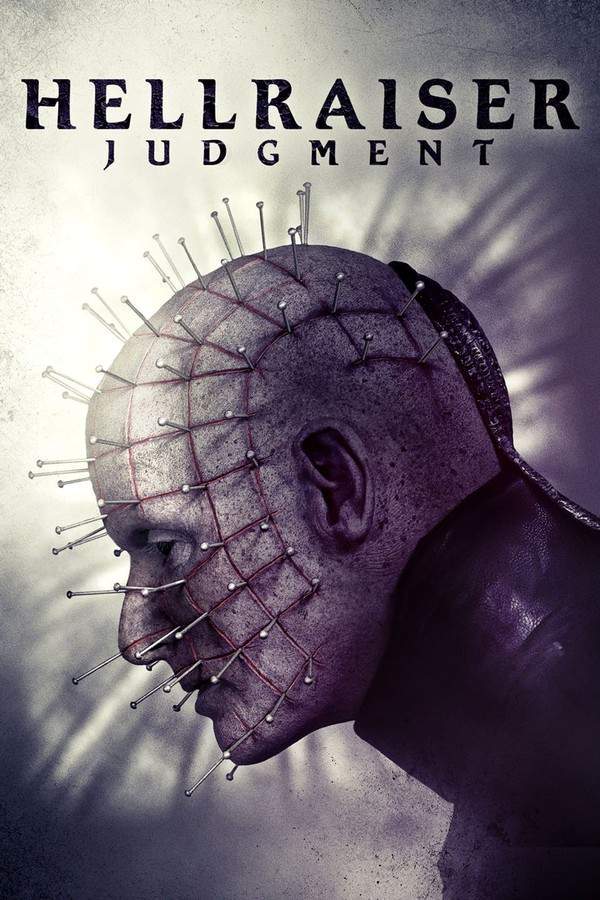
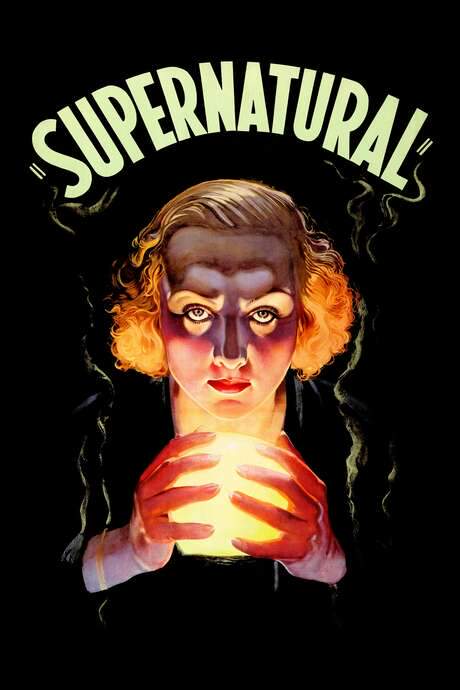
Supernatural court dramas like Killjoy Goes to Hell

Where cosmic justice is decided in bizarre and otherworldly courtrooms. If you liked the bizarre trial in Hell from Killjoy Goes to Hell, explore more movies where supernatural courtrooms decide fates. These films blend horror with legal drama, creating unique stories about cosmic justice, demonic prosecutors, and surreal judgments.

  • surreal
  • tense
  • anxious
  • bizarre
  • gritty
  • supernatural
  • Tone: dark, tense
  • Pacing: fast, chaotic
Why these movies?

The story pattern: The narrative follows a protagonist who must navigate a legal proceeding governed by unnatural rules, often to prove their worth, innocence, or the nature of good and evil. The conflict is typically a high-stakes battle of wits and will against a powerful, otherworldly opposition within a surreal setting.

Why they belong together: These movies are grouped by their unique fusion of a structured courtroom plot with the boundless possibilities of supernatural horror, creating a specific vibe of anxious, logic-defying conflict where the stakes are eternally high.
Fast-paced dual realm horror like Killjoy Goes to Hell

Stories that violently alternate between earthly and supernatural worlds. For viewers who enjoyed the rapid shifts between Earth and Hell in Killjoy Goes to Hell, this thread collects movies with a similar chaotic structure. These films create tension by bouncing between parallel conflicts in different worlds, keeping the pace fast and the anxiety high.

  • chaotic
  • anxious
  • tense
  • disorienting
  • frantic
  • surreal
  • Tone: dark, chaotic
  • Pacing: fast, disorienting
Why these movies?

The story pattern: The story unfolds simultaneously in two connected but separate planes of existence, such as the real world and a spirit world, a dreamscape, or a hellscape. The pacing is fast because the action and consequences jump between these realms, creating a layered conflict where escape or victory in one dimension is tied to events in the other.

Why they belong together: They share a specific narrative structure and editing rhythm that creates a unique, anxious, and disorienting viewing experience. The similarity lies in the constant, chaotic juxtaposition of two different worlds and the resultant pacing.

Every angle

Killjoy Goes to Hell (2012) Explained: Plot, Timeline & Characters

Everything about Killjoy Goes to Hell in one place: what happens in the plot summary, the timeline in chronological order, the characters and meaning and a spoiler-free summary. What's After the Movie adds the cast, box office and post-credit scenes.

Coming soon on iOS and Android

The Plot Explained Movie Summary App

Plot summaries, endings explained and timelines on your phone. Catch up on any movie in minutes, save your favorites and never miss a twist again.

Be the first to know when we launch. Your email stays private, always.

Learn more about the app