Plot Explained Spoilers guaranteed!
Plot Explained

Browse by genre

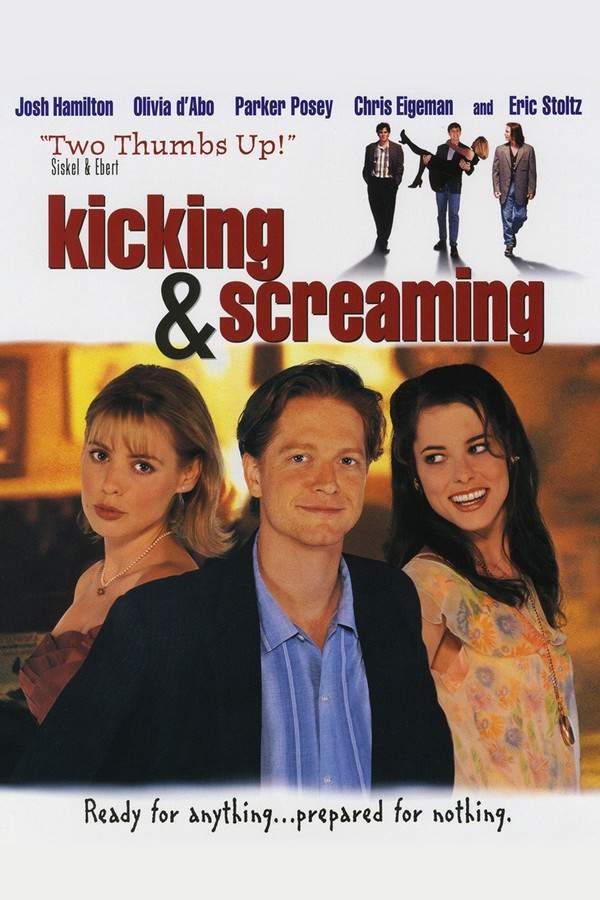
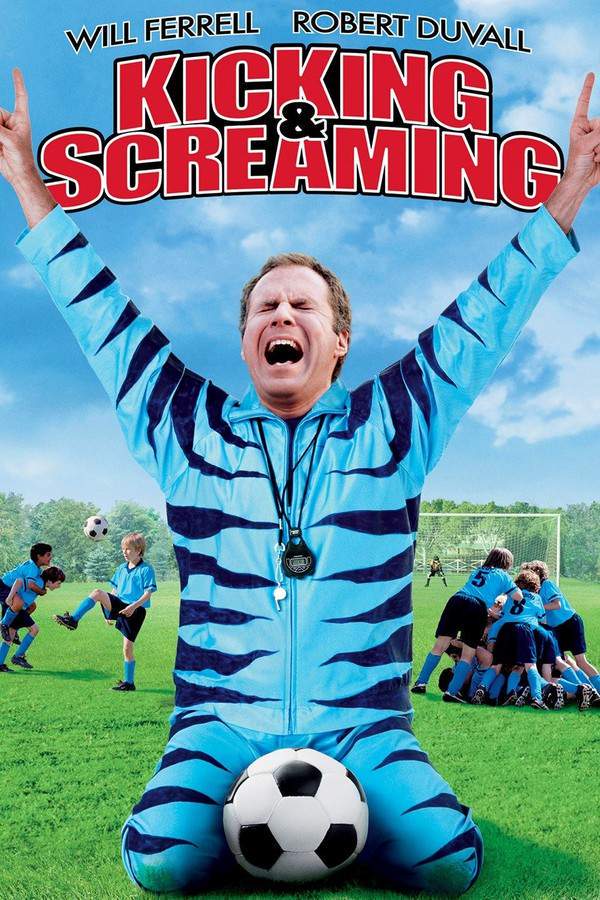
Kicking & Screaming (2005) movie poster

Plot Summary

Kicking & Screaming (2005) Plot Summary Explained

Release, runtime and language
2005 · 95 min · English
Directed by
Jesse Dylan
Starring
Will Ferrell, Robert Duvall, Josh Hutcherson
Budget
$45M

Phil Weston struggles with a history of athletic setbacks, which fuels his desire to guide his son’s soccer team to victory. He finds himself competing against his own demanding father, who also leads a team, and must grapple with his personal failures while attempting to teach his son the true meaning of sportsmanship. Phil hopes to find redemption and demonstrate that winning isn't the only measure of success.

On this page (6)
  1. 1 Where to watch
  2. 2 What happens: full plot
  3. 3 Plot questions answered
  4. 4 Movie threads
  5. 5 Movies like Kicking & Screaming
  6. 6 Every angle

Where to watch

Where to Watch Kicking & Screaming (2005)

Where can you watch Kicking & Screaming? Stream, rent or buy it in the US, including on Amazon Video, Apple TV Store and Fandango At Home: current JustWatch availability with up-to-date prices.

Streaming availability powered by JustWatch

Full plot summary · contains spoilers

What Happens in Kicking & Screaming: Full Plot Summary

The whole story of Kicking & Screaming (2005) explained, from the opening scene to the final frame: every key event, every twist and what it all adds up to. Read it as a quick recap before the sequel, to check a scene you missed, or to finally understand what really happened.

Phil Weston, portrayed by Will Ferrell, is an ordinary man who has endured a lifetime of his father Buck Weston's (Robert Duvall) fierce competitiveness, leaving him with deep-rooted emotional scars. Now in his middle years, Phil is married to Barbara Weston, and they have a young son named Sam. Phil runs a small vitamin store while Buck reigns over a successful chain of sporting goods stores. The family dynamics grow even more complex with the presence of Janice Weston (Musetta Vander), Buck's second wife, who shares the same life milestones as Phil's marriage to Barbara, having given birth to her son simultaneously.

Buck is the head coach of the Gladiators, the top little-league soccer team in the area, where Sam is a player. Frustratingly for Phil, Buck often sidelines Sam during games, a humiliation that echoes Phil’s own childhood experiences. Ultimately, Buck transfers Sam to the Tigers, a team struggling to find its footing in the league.

At Sam’s inaugural game with the Tigers, with their regular coach absent, Phil steps in to coach the team full-time. Unfortunately, despite his enthusiasm, the team's performance does not improve. In a bid to turn things around, Phil enlists the help of Mike Ditka, his father's neighbor and rival, who agrees to become the assistant coach as a chance to best Buck. Despite their rigorous training, victories remain elusive. However, the introduction of two gifted Italian brothers, Gian Piero and Massimo, sons of a local butcher, revitalizes the Tigers. Their prowess leads to an unexpected winning streak, positioning the team as potential champions.

As the competition heats up, Phil and Buck make a bet: if the Gladiators win, Phil will sell his store and work for Buck. But if the Tigers triumph, Buck must return Phil's childhood treasure, the 'Pelé Ball', which Buck had taken from him years ago. Fueled by newfound caffeine-fueled bravado, Phil's demeanor shifts from a gentle parent to a pushy, overly competitive coach, mirroring the very traits he once detested in Buck. The mantra for the team becomes "Get the ball to the Italians," which, while effective, demoralizes the other players. In a misguided display of competitiveness, Phil benches his own son, Sam, during the crucial semi-finals.

The championship match pits the Tigers against the Gladiators. By halftime, the Gladiators are leading 2-1. However, during a heartfelt conversation with Sam, Phil has an epiphany regarding his harsh coaching methods. He instructs the team to abandon his prior strategies. Despite the Gladiators scoring again, the Tigers rally back, with Ambrose managing to close the gap at 3-2. A crucial goal ties the game, and during a spectacular team effort, Sam scores the decisive goal against his uncle Bucky (Josh Hutcherson), sealing a stunning 4-3 victory.

In the aftermath, Phil seeks forgiveness from Ditka for his previous behavior, which Ditka graciously accepts. Although Buck attempts to honor their bet by giving Phil the Pelé Ball, Phil elects to decline, choosing instead to reconcile and collaborate with his father, emphasizing the importance of family over rivalries.

The film concludes with a humorous nod to competition as it features an updated version of Buck’s commercial, showcasing the merger of Phil's vitamin business, Phil's Pills, and Buck's Sporting Goods Store. The entire Tigers team joyfully proclaims, "And vitamins," after echoing the tagline, "He's got balls." In amusing fashion, Mike Ditka is seen critiquing the commercial as the credits roll.

Last updated: November 08, 2024 at 02:03

Was this helpful?

Plot questions answered

Kicking & Screaming Plot Explained: Your Questions Answered

The questions people ask most about Kicking & Screaming (2005): what happens in the confusing scenes, why the characters do what they do, the twists, hidden details and what the ending means. Each answer contains spoilers.

Q1

Why does Buck transfer Sam to the Tigers?

Buck transfers Sam to the Tigers as a power move to exert control over Phil. By moving Sam to a struggling team, Buck effectively removes Phil from the Gladiators' success while still keeping Sam in the family. This mirrors how Buck treated Phil in his own childhood, continuing the pattern of using family as pawns in competitive games.

Foreshadowing: Earlier scenes show Buck sidelining Sam during games, establishing his pattern of prioritizing control over family bonds.

  • buck weston
  • sam
  • transfer
  • tigers
  • gladiators
  • power move
Q2

Why does Phil become so competitive despite criticizing his father for the same trait?

Phil's competitiveness stems from unresolved childhood trauma. After years of being humiliated by Buck, Phil sees the championship as his chance to finally prove himself and gain his father's respect. The bet with Buck raises the stakes personally, and when the Italian brothers start winning, Phil succumbs to the same obsessive drive he despises in his father.

Foreshadowing: The opening establishes Phil's deep insecurity around his father's expectations and his desperate need for validation.

  • phil weston
  • competitiveness
  • buck weston
  • 父子 rivalry
  • motivation
Q3

What is the Pelé Ball and why does Phil want it back?

The Pelé Ball is Phil's childhood soccer trophy that Buck took from him years ago. It represents Phil's lost childhood and the respect he never received from his father. Winning it back symbolizes Phil finally standing up to Buck and reclaiming his sense of self-worth.

Foreshadowing: Phil's emotional scars from childhood are established in the opening, hinting at what Buck took from him.

  • pele ball
  • childhood
  • buck weston
  • trophy
  • emotional wound
Q4

Why does Phil bench his own son Sam during the semi-finals?

Phil benches Sam because his obsession with winning has completely overtaken his judgment. When Sam suggests playing as a team rather than just passing to the Italian brothers, Phil views it as disobedience and benches him in favor of sticking to his 'Get the ball to the Italians' strategy. This marks the lowest point of his transformation into his father.

Foreshadowing: Phil's shift to aggressive coaching was foreshadowed when he adopts caffeine-fueled bravado and prioritizes winning over sportsmanship.

  • sam
  • benched
  • semi-finals
  • italian brothers
  • coaching
  • priority
Q5

How do the Italian brothers transform the Tigers from losers to champions?

Gian Piero and Massimo possess exceptional soccer skills that immediately elevate the team's performance. Their natural talent leads to an unexpected winning streak, transforming the Tigers from the league's worst team into serious championship contenders. However, their arrival also enables Phil's problematic coaching tactics.

Foreshadowing: Phil's desperation to beat Buck leads him to seek any advantage, making him receptive to recruiting talented players regardless of the ethical implications.

  • gian piero
  • massimo
  • tigers
  • winning streak
  • transformation
  • skill
Q6

Why does Phil decline the Pelé Ball after winning the championship?

Phil declines the Pelé Ball because he's realized that beating his father isn't as important as having a relationship with him. By choosing reconciliation over rivalry, Phil demonstrates genuine growth. He no longer needs the trophy to prove his worth, he's already proven himself by winning fairly while maintaining his integrity.

Foreshadowing: Phil's conversation with Sam during halftime triggers his realization about what truly matters.

  • reconciliation
  • pele ball
  • family
  • buck weston
  • growth
  • priority
Q7

What is Mike Ditka's role in the story?

Mike Ditka serves as Phil's strategic ally and parallel to Buck's rival. He agrees to assistant coach the Tigers specifically to get back at Buck, using the championship as a personal vendetta. Ditka represents the idea that even adults can get caught up in petty competition, but he also later forgives Phil when Phil apologizes for his behavior.

Foreshadowing: Ditka is introduced as Buck's neighbor and explicit rival, establishing his motivation to help Phil.

  • mike ditka
  • assistant coach
  • buck
  • rivalry
  • ally
Q8

What triggers Phil's epiphany during the championship game?

Phil's epiphany comes during a heartfelt conversation with Sam at halftime. When Sam tells Phil he doesn't recognize him anymore and questions why he's acting like Buck, Phil realizes he's become exactly what he hated. This moment breaks through his obsession and reminds him that his son matters more than winning.

Foreshadowing: Sam's earlier discomfort with Phil's coaching style builds to this confrontation.

  • epiphany
  • sam
  • halftime
  • realization
  • buck
  • transformation
Q9

How do the Tigers rally to win after being behind 3-1?

After Phil's epiphany, he tells the team to abandon his previous strategy and play together as a genuine team rather than relying on the Italian brothers. This shift in philosophy, combined with renewed team spirit and teamwork, allows the Tigers to score three consecutive goals, with Sam netting the winner.

Foreshadowing: Phil's earlier team motto 'Get the ball to the Italians' created resentment, which his new collaborative approach reverses.

  • rally
  • comeback
  • championship
  • teamwork
  • strategy
  • sam scores
Q10

What is the significance of the final commercial scene?

The final scene shows Phil's vitamin business merging with Buck's sporting goods store, represented in a humorous commercial. This visualizes the reconciliation between father and son, with the Tigers enthusiastically shouting 'And vitamins' after the tagline 'He's got balls.' It symbolizes family unity replacing their rivalry.

Foreshadowing: The merger represents the culmination of Phil choosing family over competition throughout the film.

  • commercial
  • merger
  • vitamins
  • buck
  • resolution
  • ending
Q11

Why does Phil's coaching style change so dramatically from supportive to aggressive?

Phil's dramatic shift reflects his deep-seated trauma from childhood. The bet with Buck activates his deep need to prove himself worthy, triggering a psychological regression where he adopts the exact behaviors he despised in his father. The caffeine and competitive pressure amplify his worst impulses, showing how external factors can trigger buried psychological patterns.

Foreshadowing: Phil's history with Buck is established in the opening as formative and damaging.

  • coaching style
  • transformation
  • aggression
  • psychology
  • pressure
  • buck influence

Movie threads

More Movies Like Kicking & Screaming, by Mood & Story

Curated lists built around what makes Kicking & Screaming tick: the same mood, the same kind of story or the same emotional payoff. Each list explains why these movies belong together.

Comedic Underdog Sports Movies like Kicking & Screaming

Hilarious and uplifting tales of unlikely teams finding victory and camaraderie. If you enjoyed the hilarious journey of the Tigers in Kicking & Screaming, you'll love these movies. This section features similar comedies about underdog teams, focusing on funny coaching, slapstick humor, and the redemptive power of sports. Find more family-friendly sports films where laughter and teamwork lead to victory.

  • comedic
  • uplifting
  • energetic
  • underdog
  • teamwork
  • family-friendly
  • Tone: light, comedic, uplifting
  • Pacing: steady, build-up to a climax
Why these movies?

The story pattern: These stories typically follow a predictable but enjoyable arc: a mismatched or struggling team gets a new, often unconventional coach. Through a series of comedic training montages and embarrassing losses, the team slowly gels. The narrative builds towards a climactic championship game against a superior rival, emphasizing personal growth and the value of teamwork over pure victory.

Why they belong together: Movies in this thread are grouped by their shared blend of sports movie conventions with a dominant comedic tone. They feature steady pacing, medium intensity from competition, and a light emotional weight. The experience is defined by energetic humor, a heartwarming team dynamic, and an unambiguously happy, uplifting conclusion.

Movies About Father-Son Relationships Like in Kicking & Screaming

Stories where competitive fathers and sons mend their relationship via a common goal. If you liked the heartwarming story of Phil and his father in Kicking & Screaming, explore these films. This collection features stories about competitive but loving fathers and sons who find common ground and reconciliation. Discover similar movies focused on family dynamics, redemption, and healing generational wounds through shared passions.

  • heartwarming
  • redemptive
  • family-dynamics
  • competitive
  • emotional
  • reconciliatory
  • Tone: heartwarming, light, redemptive
  • Pacing: steady, character-driven
Why these movies?

The story pattern: The narrative pattern revolves around a protagonist grappling with feelings of inadequacy stemming from their father's expectations. The central conflict is often a direct competition or challenge involving both characters. Through this shared experience, they are forced to confront their issues, leading to a climax where personal acceptance and mutual respect triumph over the external competition, resulting in emotional reconciliation.

Why they belong together: These films are grouped by their central thematic focus on resolving paternal conflict. They share a steady pacing that allows for character development, a medium emotional weight from the familial friction, and a tone that balances lighthearted moments with genuine heart. The ending is consistently happy or hopeful, centering on the repaired relationship.

If you liked this

Movies Like Kicking & Screaming

Similar movies to Kicking & Screaming: the same genre, themes or kind of story. Each one comes with its own plot summary, timeline and ending explained.

Browse all movie summaries

Every angle

Kicking & Screaming (2005) Explained: Plot, Timeline & Characters

Everything about Kicking & Screaming in one place: what happens in the plot summary, the timeline in chronological order, the characters and meaning and a spoiler-free summary. What's After the Movie adds the cast, box office and post-credit scenes.

Coming soon on iOS and Android

The Plot Explained Movie Summary App

Plot summaries, endings explained and timelines on your phone. Catch up on any movie in minutes, save your favorites and never miss a twist again.

Be the first to know when we launch. Your email stays private, always.

Learn more about the app