The Twins are only nine players away from a dream roster, and new owner Roger Dorn—known for his smooth talking—assigns washed‑up minor‑league pitcher Gus Cantrell to manage the club’s hapless farm team. Unaware of Dorn’s hidden agenda, Cantrell discovers the owner plans to stage a publicity‑driven grudge match pitting the major‑league squad against the scrappy Triple‑A affiliate.
Find where to stream, rent, or buy Major League: Back to the Minors (1998) in the US with current JustWatch availability, up-to-date pricing, and platform listings for subscription, rental, and digital purchase options.
Warning: spoilers below!
Haven’t seen Major League: Back to the Minors yet? This summary contains major spoilers. Bookmark the page, watch the movie, and come back for the full breakdown. If you're ready, scroll on and relive the story!
Read the complete plot breakdown of Major League: Back to the Minors (1998), including all key story events, major twists, and the ending explained in detail. Discover what really happened, and what it all means.
Gus Cantrell, played by Walton Goggins, is an aging minor league pitcher who wears the uniform of the Fort Myers Miracle. His career takes an unexpected turn after an incident involving a clever trick known as the “frozen ball trick,” which results in his ejection from the game. This event sets off the story’s main development, as Gus finds himself caught in a whirlwind of unlikely opportunities. The now-owner of the Minnesota Twins, Roger Dorn, played by Corbin Bernsen, sees potential in Gus and enlists him to become the manager of the Twins’ AAA minor league team, the Buzz.
Gus’s task is ambitious: he must take a disparate group of players and transform them into a cohesive, competitive team. His lineup features a colorful cast, including Lance “The Dance” Pere, a former ballet dancer turned ballplayer notable for his unique style; the seasoned minor league veteran Frank “Pops” Morgan; the energetic and lively Rube Baker; Taka Tanaka, a talented Japanese player with a quiet demeanor; Pedro Cerrano, a fiery and superstitious power hitter; Hog Ellis, a seasoned pitcher known for his rebellious attitude; Billy “Downtown” Anderson, a prolific home run hitter with a big personality; and Carlton “Doc” Windgate, who, despite throwing the slowest fastball in the minors, plays a crucial role both as a pitcher and as the team’s psychologist.
Throughout the story, Gus faces frequent clashes with Leonard Huff, the arrogant and snobbish manager of the Twins, who represents the old-school corporate mind-set. A pivotal scene occurs in Minnesota, where Gus and his fiancée, Jensen Daggett, join Roger Dorn and Huff for dinner at an upscale restaurant. During this dinner, Huff provocatively challenges Gus to a game between the Buzz and the Twins, which Gus eagerly accepts, setting the stage for an ongoing rivalry and competition.
The game itself is scheduled at the Hubert H. Humphrey Metrodome. It becomes a dramatic highlight as the Twins initially take a 3-0 lead by the sixth inning. However, the Buzz come back strongly, with Billy “Downtown” Anderson hitting a crucial home run to tie the game at 3-3 in the eighth inning. The tension peaks in the bottom of the ninth when Doc Windgate faces Carlos Liston, a formidable home run hitter. With two outs and the game on the line, just as Windgate is about to strike out Liston, Huff makes a controversial move: he turns off the stadium lights to avoid extra innings, essentially trying to end the game in a tie. Despite this, the media reports praise the Buzz for their spirited outplaying of the Twins, foreshadowing the underdog team’s potential.
The rivalry intensifies as Downtown Anderson gets an invitation to move up to the Twins, an opportunity Gus doubts he’s ready for. Downtown, played by Tim Ware, seizes the chance and turns his back on Gus. However, this decision causes the Buzz to lose momentum. Without Downtown, the team struggles, but after he is returned to the Buzz, Gus works on teaching him how to be a more complete hitter. Under Gus’s guidance, Downtown improves his skills, which eventually helps the Buzz secure a division title in their league.
Gus, confident in his team’s growth and abilities, challenges Huff and the Twins to a rematch at Buzz Stadium. The stakes are high: if the Twins win, Gus will donate his year’s salary to Huff; if the Buzz win, Gus will take over as the Twins’ manager. Huff accepts, and the game begins with the Twins taking an early 4-0 lead in the sixth inning. Yet, the determined Buzz rally back, ultimately winning 5-4 thanks to a dramatic two-run homer from Downtown.
In the closing moments, Gus realizes he prefers working with minor league players and mentoring them into potential stars rather than managing at the major league level. He decides to stay with the Buzz, committed to developing young talent and turning them into future major league players. This story celebrates the themes of perseverance, teamwork, and believing in the underdog, emphasizing that with the right guidance and determination, even the most unlikely teams can achieve greatness.
Last updated: August 19, 2025 at 05:15
Explore frequently asked questions about Major League: Back to the Minors (1998) with spoiler-rich answers covering the full plot summary, major story beats, character motivations, hidden details, and ending meaning. This movie summary FAQ helps explain confusing scenes, plot twists, and narrative decisions in clear, searchable detail.
The frozen ball trick is a playful deception where Gus uses a baseball that has been frozen to make it behave unpredictably when thrown. When the ball is hit or thrown, it moves in unexpected ways due to the ice, giving his team an unfair advantage. This clever but unsportsmanlike tactic results in the umpire ejecting Gus from the game, marking a turning point that leads to his new opportunity with the Buzz.
The trick demonstrates Gus's inventive approach to baseball, foreshadowing his unconventional management style that later helps the Buzz succeed.
Roger Dorn, now the owner of the Minnesota Twins, sees potential in Gus despite his ejection. Dorn needs someone to manage the Twins' Triple-A affiliate team, the Buzz, and believes Gus's experience and personality make him ideal for developing young talent. Additionally, Dorn has a hidden agenda, he wants to set up a publicity-driven grudge match between the major league Twins and the minor league Buzz, knowing Gus's competitive nature will make for compelling theater.
Dorn's smooth-talking character established in earlier Major League films hints at his ulterior motives throughout this story.
Leonard Huff, the Twins' arrogant manager, turns off the stadium lights in the bottom of the ninth inning to avoid extra innings. With the game tied at 3-3 and Carlos Liston facing Doc Windgate with two outs, Huff makes the controversial move to cut the game short rather than risk losing. This snobbish, unsportsmanlike decision reflects Huff's character and his disdain for the minor league team, though the media praises the Buzz for their competitive spirit.
Huff's arrogance during earlier interactions with Gus foreshadows his willingness to cheat rather than lose to the Buzz.
Downtown Anderson receives an invitation to move up to the major league Twins, which is a significant opportunity for any minor league player. Despite Gus's doubts about his readiness, Downtown chooses to pursue the advancement, believing it's the right career move. This decision causes the Buzz to lose momentum temporarily, as his power-hitting presence is central to their lineup.
Earlier scenes establishing Downtown's big personality and desire for recognition hint at his vulnerability to the Twins' offer.
After the Buzz win the rematch against the Twins, Gus realizes he prefers developing young minor league players into future stars rather than managing at the major league level. The satisfaction he gets from mentoring players like Downtown and watching them grow outweighs the prestige of managing the Twins. His decision emphasizes the film's theme that success isn't just about reaching the top, but about the journey of developing talent.
Gus's patient, encouraging management style throughout the film builds toward this realization about his true passion.
The Buzz win the rematch 5-4 despite trailing 4-0 in the sixth inning. The decisive moment comes when Downtown Anderson hits a dramatic two-run homer that completes the comeback. Earlier, Gus had worked with Downtown to improve his hitting skills after his failed stint with the Twins, making this victory a testament to Gus's coaching and Downtown's growth as a more complete player.
Gus's mentorship of Downtown during his struggling period directly enables the winning hit in the rematch.
Gus challenges Huff to a rematch at Buzz Stadium with high stakes: if the Twins win, Gus will donate his year's salary to Huff, essentially humiliating himself. If the Buzz win, Gus will take over as the Twins' manager. Huff accepts, confident his major league team will easily defeat the minor league squad, underestimating the Buzz's determination and Gus's leadership.
The earlier dinner challenge establishes the rivalry between Gus and Huff that builds toward this high-stakes bet.
Carlton 'Doc' Windgate throws the slowest fastball in the minors, which seems like a significant weakness for a pitcher. However, he plays a crucial dual role as both a pitcher and the team's psychologist, providing emotional support and mental guidance to his teammates. Despite his lack of speed, Doc's presence proves valuable in clutch moments, such as facing Carlos Liston in the first game against the Twins.
Doc's unusual combination of skills foreshadows his importance in key game situations despite his physical limitations.
Under Gus's guidance, the Buzz improve significantly throughout the season after Downtown returns from his brief stint with the Twins. Gus focuses on teaching Downtown and other players how to become more well-rounded athletes, emphasizing fundamentals and teamwork. This development work pays off as the Buzz secure their division title, demonstrating the effectiveness of Gus's player development approach.
The team's struggles without Downtown and his subsequent return set up the growth that leads to their championship.
Discover curated groups of movies connected by mood, themes, and story style. Browse collections built around emotion, atmosphere, and narrative focus to easily find films that match what you feel like watching right now.
A scrappy group of misfits bands together to defy the odds and win.If you enjoyed watching the scrappy minor leaguers triumph in Major League: Back to the Minors, you’ll love these other movies about unlikely teams coming together. Discover similar comedies and inspiring sports stories featuring underdog groups that defy expectations through teamwork and sheer determination.
The narrative follows a predictable but satisfying arc: a flawed or eccentric group is assembled, they struggle with internal conflicts and external doubters, they eventually gel under pressure, and they face a climactic challenge against a superior opponent, emerging victorious through heart and teamwork rather than pure skill.
These movies are grouped by their shared focus on collective triumph. They balance lighthearted humor with competitive spirit, ensuring the stakes feel real but never overwhelming. The central theme is the transformative power of teamwork, making them consistently hopeful and energetic viewings.
Where the love of the game meets laughs and a feel-good spirit.Looking for more fun sports movies like Major League: Back to the Minors? This list features comedies where the game is just the setting for slapstick humor, witty banter, and a feel-good story. Find your next watch filled with energetic charm and minimal emotional weight.
These stories typically follow a simple 'rags-to-riches' or 'prove-themselves' plot within a sports context. The narrative is straightforward, using familiar beats like training montages and rivalry games as frameworks to deliver jokes and showcase endearing character quirks, culminating in a satisfying and happy conclusion.
They are united by a consistent blend of humor and sports action. The tone is persistently light, the pacing is steady without being slow, and the emotional weight is kept minimal. This makes them perfect for viewers seeking an upbeat, entertaining experience that doesn't demand deep emotional investment.
Don't stop at just watching - explore Major League: Back to the Minors in full detail. From the complete plot summary and scene-by-scene timeline to character breakdowns, thematic analysis, and a deep dive into the ending - every page helps you truly understand what Major League: Back to the Minors is all about. Plus, discover what's next after the movie.
Track the full timeline of Major League: Back to the Minors with every major event arranged chronologically. Perfect for decoding non-linear storytelling, flashbacks, or parallel narratives with a clear scene-by-scene breakdown.
Discover the characters, locations, and core themes that shape Major League: Back to the Minors. Get insights into symbolic elements, setting significance, and deeper narrative meaning - ideal for thematic analysis and movie breakdowns.
Discover movies like Major League: Back to the Minors that share similar genres, themes, and storytelling elements. Whether you’re drawn to the atmosphere, character arcs, or plot structure, these curated recommendations will help you explore more films you’ll love.
Major League: Back to the Minors (1998) Scene-by-Scene Movie Timeline
Major League: Back to the Minors (1998) Movie Characters, Themes & Settings
Major League: Back to the Minors (1998) Spoiler-Free Summary & Key Flow
Movies Like Major League: Back to the Minors – Similar Titles You’ll Enjoy
Bad News Bears (2005) Movie Recap & Themes
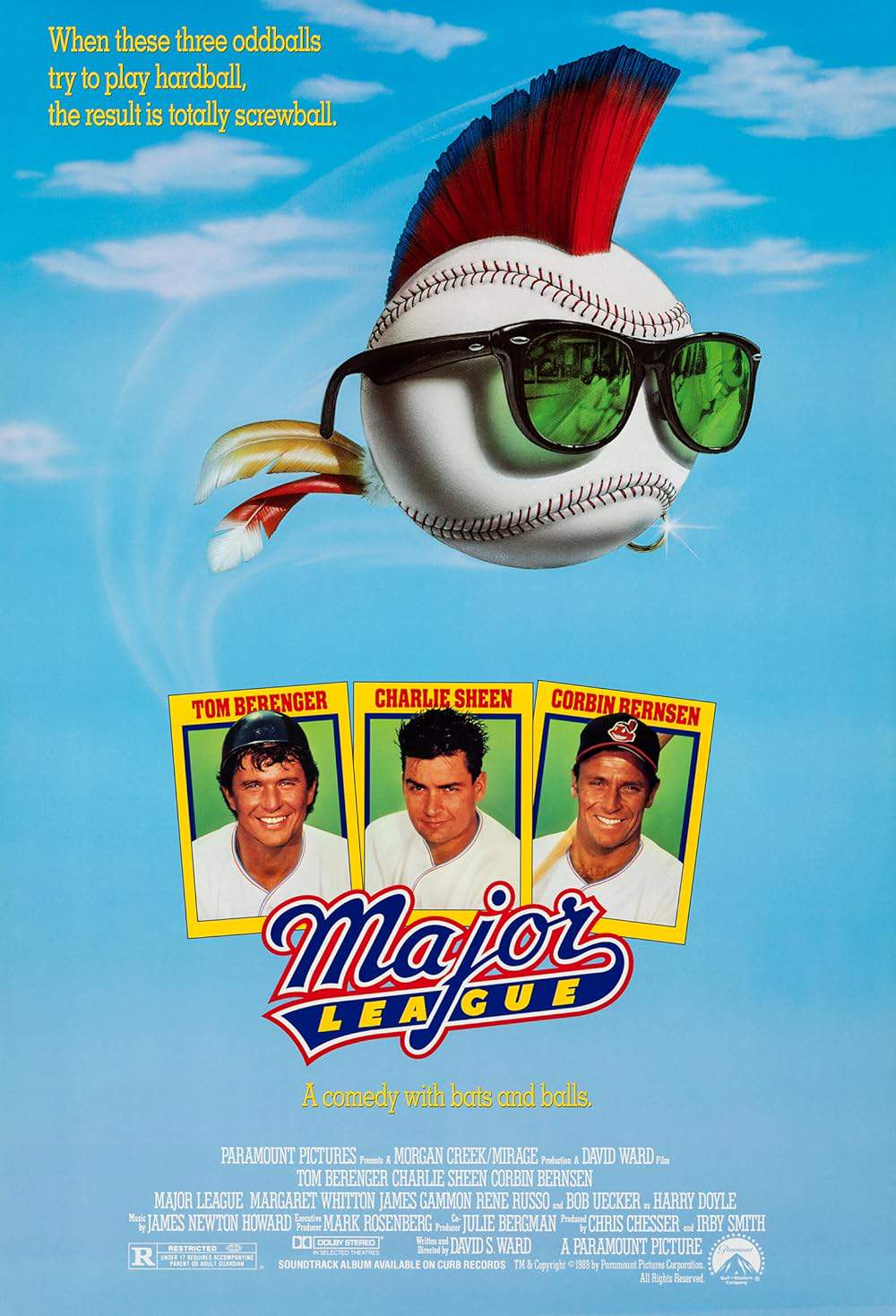
Major League (1989) Movie Recap & Themes
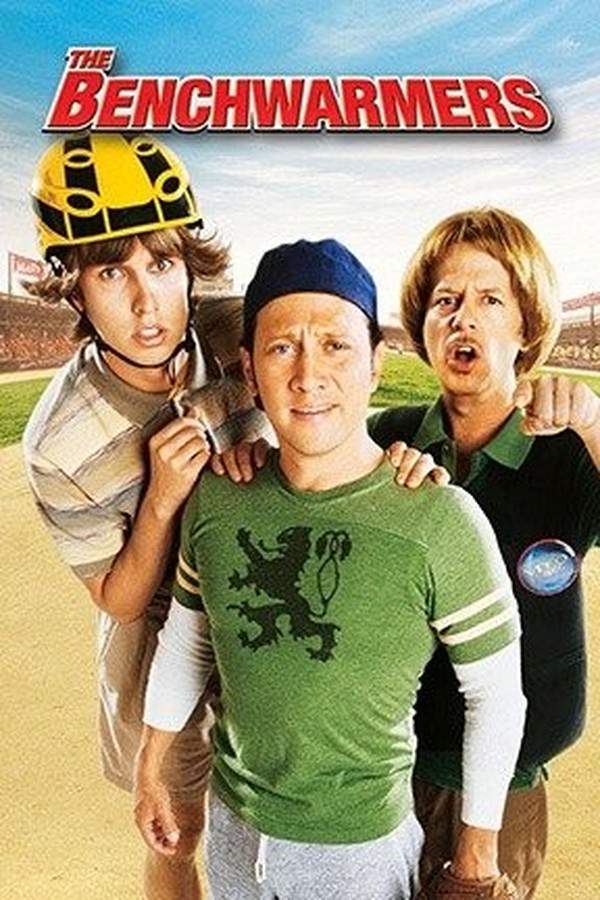
The Benchwarmers (2006) Story Summary & Characters
Beer League (2006) Plot Summary & Ending Explained
The Bad News Bears in Breaking Training (1977) Complete Plot Breakdown
Little Big League (1994) Full Movie Breakdown
Home Run Showdown (2012) Film Overview & Timeline
Undrafted (2016) Movie Recap & Themes
The Kid from Left Field (1953) Detailed Story Recap
Mr. Baseball (1992) Film Overview & Timeline
The Great American Pastime (1956) Film Overview & Timeline
The Bingo Long Traveling All-Stars & Motor Kings (1976) Spoiler-Packed Plot Recap
Big Leaguer (1953) Movie Recap & Themes
Minor Leaguer (2024) Complete Plot Breakdown
Major League II (1994) Film Overview & Timeline