Plot Explained Spoilers guaranteed!
Plot Explained

Browse by genre

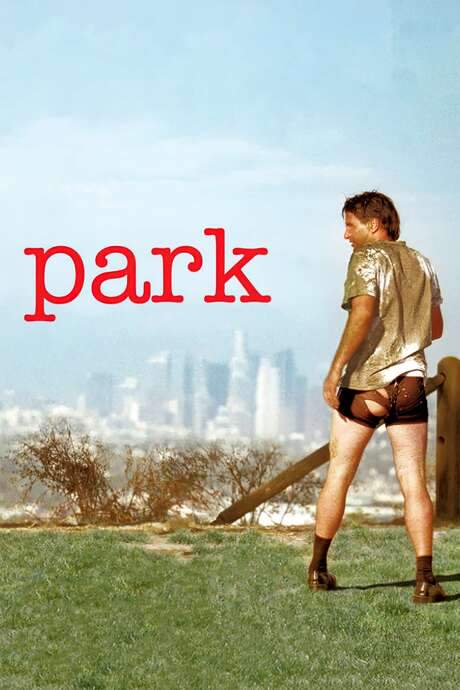
Ken Park (2002) movie poster

Timeline

Ken Park (2002) Timeline Explained – Every Event in Order

Release, runtime and language
2002 · 97 mins · English
Loading streaming availability…
Directed by
Larry Clark, Edward Lachman
Starring
Amanda Plummer, James Ransone, Bill Fagerbakke, Wade Williams, Richard Riehle, Chelsey Earlywine

Ken Park follows adolescents in troubled homes. Shawn appears conventional, while Tate erupts with near‑psychotic rage. Claude suffers abuse from his brutish father and uneasy pampering by his heavily pregnant mother. Peaches tends to her devoutly religious father yet craves independence, and each insists they’re tightly knit despite dysfunction.

On this page (6)
  1. 1 Where to watch
  2. 2 Events in order (13)
  3. 3 Timeline questions answered
  4. 4 Movie threads
  5. 5 Movies like Ken Park
  6. 6 Every angle
Loading streaming availability…

13 events in order · contains spoilers

Ken Park Timeline: Events in Chronological Order

Every key event of Ken Park (2002) in order, scene by scene, with when and where it takes place. Use it to untangle flashbacks, time jumps and parallel storylines, to refresh your memory before the sequel or to find the exact scene you are thinking of.

  1. Opening: Ken Park's death bookends the film

    The movie opens with the death of Ken Park, setting a blunt, somber tone for the mosaic that follows. This event is echoed later to frame the other characters and their choices. The city of Visalia serves as the backdrop for the teenage lives that unfold around this incident.

    When
    Opening scene
    Where
    Visalia, California
  2. Shawn's outward stability and hidden turmoil

    Shawn appears the most stable among the group, yet the summary reveals troubling undercurrents beneath his calm surface. He navigates a complicated relationship with his girlfriend's mother Rhonda while entangled with his girlfriend Hannah. The tension between outward normalcy and inner conflict drives his chapter.

    When
    Early in Shawn's storyline
    Where
    Visalia, California (home and around Hannah/Rhonda)
  3. Claude endures abuse and seeks safety

    Claude endures physical and emotional abuse from an alcoholic father who resents him for not fitting a masculine ideal. He also cares for his pregnant mother, who offers little protection. The abuse escalates when his father returns intoxicated and makes a predatory advance, prompting Claude to flee in search of safety.

    When
    Claude's chapter
    Where
    Claude's home
  4. Peaches under rigid patriarchal control

    Peaches lives under the stern, religious father who clings to the memory of his deceased wife in his daughter. When he discovers Peaches with her boyfriend, Curtis, he imposes harsh discipline and a coercive quasi-wedding that destabilizes her sense of safety. The environment highlights the claustrophobic pressure of living under watchful, controlling rules.

    When
    Peaches' chapter
    Where
    Peaches' home
  5. Tate channels anger into self-harm and violence

    Tate expresses volatility and loneliness through disturbing acts, including autoerotic behavior and self-harm. His cruelty escalates to an act of violence against his grandparents, and he records his thoughts as a kind of confession. The arc culminates with his arrest following a harrowing sequence of events.

    When
    Tate's storyline
    Where
    Tate's home and neighborhood
  6. A rare meeting: Shawn, Claude, and Peaches come together

    As separate threads unfold, the three central teens converge for a tense, charged encounter. They engage in a game of 'Who am I?' that hints at the people they know who are no longer alive. The moment is brief but loaded with unspoken connections and shared understanding.

    When
    Climax of subplots
    Where
    Visalia (unspecified meeting place)
  7. A brief intimate moment among the trio

    Following the game, Shawn, Claude, and Peaches share a rare, intimate moment that suggests a fragile connection between them. The scene is intimate yet charged, underscoring the film's exploration of longing and vulnerability amidst danger. The moment ends and the narrative moves toward its next beat.

    When
    Climax
    Where
    Unspecified location in Visalia
  8. Title card and pre-opening flashback begin

    The screen shifts to a title card, and a flashback takes the audience back to the period before the opening scene. The narrative starts to fill in where the mosaic threads originated. The technique reconnects the audience with the town and the lives that will be seen again later.

    When
    After the trio's encounter
    Where
    On screen/film structure
  9. Ken Park's earlier life: pregnancy and work

    A flashback reveals Ken Park having impregnated his girlfriend and taking a low-wage job. This glimpse into his life adds context to the opening death and the broader consequences faced by those around him. The skate park and conversations about abortion set the tone for the community's anxieties about choices.

    When
    Flashback (before opening)
    Where
    Visalia, at the skate park and surrounding areas
  10. Group discussion at the skate park: abortion and choices

    The group gathers at the skate park to discuss abortion and the ripple effects of their decisions. They grapple with questions of responsibility, fate, and the impact of limited means on young lives. The sequence anchors the film's examination of desire, consequence, and community pressures.

    When
    Flashback (before opening)
    Where
    Skate park, Visalia
  11. Ending questions: how outcomes hinge on mothers' futures

    The final note lingers on a difficult question about how Ken's life might have turned out differently if his mother had faced a different outcome. The film invites reflection on the fragility of youth and the way violence, desire, and regret weave together in Visalia. The question remains after the credits roll.

    When
    Ending note
    Where
    Visalia
  12. Structural mosaic: rapid shifts between subplots

    Throughout, the film moves swiftly between Shawn, Claude, Peaches, and Tate, building a mosaic of adolescence marked by fragility and rebellion. Each subplot develops on its own terms until they intersect in the final act. The technique emphasizes how individual lives briefly touch, then diverge again.

    When
    Throughout
    Where
    Film structure (Visalia setting)
  13. Closing shot: Ken Park's death reappears as the frame returns to the bookend

    The narrative closes by returning to Ken Park's death, echoing the opening and inviting contemplation of cause and consequence. The structure reinforces the idea that a town's young lives are interconnected through shared risks and fates. The audience is left with a somber, unresolved sense of what could have been.

    When
    Ending scene
    Where
    Visalia, California

Last updated: October 09, 2025 at 16:50

Was this helpful?

Timeline questions answered

Ken Park Timeline Explained: Your Questions Answered

When does it happen, and why in that order? The questions people ask about the chronology of Ken Park (2002): time jumps, flashbacks, cause and effect between scenes and the correct order of events, each answered with spoilers.

Q1

Why does Ken Park's death bookend the film?

Ken Park's death opens the movie, setting a somber, unflinching tone, and returns at the close to frame the other characters' choices within the context of consequence. The structure invites viewers to consider how the lives of Shawn, Claude, Peaches, and Tate are shaped by the same environment that led to Ken's demise. The bookending emphasizes the interconnected fates of teenagers in Visalia, where violence, desire, and regret weave through their stories.

Foreshadowing: Earlier scenes at the skate park show Ken and his friends discussing abortion and choices, hinting at the struggles that will define their futures.

  • ken park death
  • visalia
  • bookend structure
  • teenage consequences
  • opening scene
Q2

What is Shawn's relationship with Rhonda?

Shawn maintains a complicated relationship with his girlfriend Hannah's mother, Rhonda, while simultaneously dating Hannah. He confesses to troubling desires and fantasies involving Rhonda during intimate moments with her daughter, creating a tense dynamic where outward normalcy masks inner conflict. The family remains largely unaware of these tensions, reflecting the dissonance between his stable appearance and turbulent inner life.

Foreshadowing: Shawn appears as the most stable member of the group early on, but the summary reveals troubling undercurrents beneath his calm surface.

  • shawn
  • rhonda
  • hannah
  • relationship
  • girlfriend mother
  • affair
Q3

Why does Claude's father abuse him?

Claude's alcoholic father resents him for not fitting conventional masculine expectations and manifests this resentment through physical and emotional abuse. At the same time, Claude tries to care for his pregnant mother, who offers little protection. The abuse escalates when his father returns home intoxicated and makes a predatory advance, forcing Claude to flee in search of safety.

Foreshadowing: The timeline notes highlight that Claude endures abuse from his father who 'resents him for not fitting a conventional mold of masculinity,' establishing the pattern early.

  • claude
  • father abuse
  • alcoholic father
  • masculinity
  • parental neglect
  • escape
Q4

What happens when Peaches' father discovers her with Curtis?

When Peaches' strict, religious father discovers her with her boyfriend Curtis, he imposes harsh discipline and forces a coercive, quasi-wedding scenario. This ruptures the sense of safety Peaches hoped to maintain at home. The intensity of his control reflects the claustrophobic pressure of living under watchful, rigid rules rooted in his grief over his deceased wife.

Foreshadowing: Peaches' arc establishes early that she lives with a stern father who 'clings to the ideal of his deceased wife in the person of his daughter,' setting up the explosive confrontation.

  • peaches
  • curtis
  • father
  • quasi-wedding
  • religious control
  • coercion
  • discipline
Q5

Why does Tate attack his grandparents?

Tate channels his anger and loneliness into disturbing acts, including autoerotic behavior as part of a larger pattern of self-harm and isolation. His cruelty escalates to violence against his grandparents, reflecting unchecked aggression and psychological turmoil. He records his thoughts as a kind of confession and is ultimately arrested following the harrowing climax of his actions.

Foreshadowing: Tate's storyline is characterized from the start by volatility, self-harm, and disturbing behavior that progressively escalates.

  • tate
  • grandparents
  • violence
  • arrest
  • self-harm
  • aggression
  • psychological breakdown
Q6

What happens when Shawn, Claude, and Peaches come together?

The three central teenagers converge for a tense, charged encounter where they engage in a game of 'Who am I?' that hints at people they know who are no longer alive. Following this, they share a rare, intimate moment that suggests fragile connection between them. The encounter underscores the film's exploration of longing and vulnerability amidst danger, showing how their isolated struggles briefly intersect.

Foreshadowing: The film builds toward this convergence, with each subplot developing separately until the final act brings them together.

  • shawn
  • claude
  • peaches
  • meeting
  • intimate moment
  • who am i game
  • connection
Q7

What does the ending question about Ken's mother mean?

The final note poses whether Ken's life would have turned out differently if his mother had faced a different outcome. This reflective question invites viewers to contemplate how choices, circumstances, and family fate shape teenage futures. The ambiguous ending leaves the outcome unresolved, emphasizing the film's thematic focus on the fragility of youth and how violence, desire, and regret intersect in Visalia.

Foreshadowing: The flashback reveals Ken impregnating his girlfriend and taking a low-wage job, showing the pressures that shaped his short life.

  • ken mother
  • ending
  • flashback
  • fate
  • choices
  • ambiguous conclusion
  • visalia
Q8

Why does Tate engage in autoerotic behavior and self-harm?

Tate expresses volatility and loneliness through autoerotic behavior as part of a broader pattern of self-harm and isolation. The combination of unchecked aggression and ritualized self-stimulation probes the darker corners of a troubled psyche. His disturbing acts serve as a coping mechanism for deep emotional pain, reflecting the film's observational approach to adolescent psychological turmoil.

Foreshadowing: Tate's storyline is introduced as presenting 'a volatile adolescent who channels his anger and loneliness into disturbing acts.'

  • tate
  • autoerotic
  • self-harm
  • psychology
  • isolation
  • emotional pain
  • coping mechanism
Q9

What happens at the skate park discussion about abortion?

In the flashback before the opening scene, Ken Park has impregnated his girlfriend and takes a low-wage job. The group gathers at the skate park to discuss abortion, grappling with how their choices ripple outward. This scene sets the tone for the community's anxieties about limited means, responsibility, and the impact of young lives facing adult consequences.

Foreshadowing: This flashback occurs after the title card that follows the trio's meeting, providing context for the environment that shaped all the characters.

  • ken
  • girlfriend
  • pregnancy
  • abortion
  • skate park
  • choices
  • consequences
Q10

What triggers Claude to flee his home?

Claude flees his home after his father returns home intoxicated and makes a predatory advance toward him. This escalation of abuse, combined with his mother's failure to protect him, forces Claude to seek safety away from the chaotic environment. The moment represents the breaking point of accumulated trauma and the desperate need for escape.

Foreshadowing: The timeline shows Claude's abuse escalating 'when his father returns intoxicated and makes a predatory advance,' directly setting up his flight.

  • claude
  • escape
  • father
  • predatory advance
  • intoxicated
  • flee
  • abuse escalation
Q11

Why does Peaches crave independence despite her father's control?

Peaches tends to her devoutly religious father while living under his strict rules, yet she craves independence and resists his attempts to mold her after his deceased wife. When he discovers her with Curtis, his harsh response reflects his inability to let go of the ideal he project onto her. The conflict highlights the struggle between familial duty and personal autonomy.

Foreshadowing: The description notes Peaches 'craves independence' and 'each insists they're tightly knit despite dysfunction,' establishing the tension early.

  • peaches
  • independence
  • religion
  • father
  • control
  • autonomy
  • religious father
  • deceased wife

Movie threads

More Movies Like Ken Park, by Mood & Story

Curated lists built around what makes Ken Park tick: the same mood, the same kind of story or the same emotional payoff. Each list explains why these movies belong together.

Raw Teenage Desperation Movies Like Ken Park

Films that delve into the raw, disturbing underbelly of adolescent life without judgment. Explore a collection of movies like Ken Park that share its raw, unflinching portrayal of adolescent turmoil. If you were captivated by its bleak look at teenage desperation within dysfunctional families, these similar intense dramas and challenging coming-of-age stories will resonate.

  • raw
  • unflinching
  • desperate
  • disturbing
  • bleak
  • fragile
  • Tone: dark, bleak, disturbing
  • Pacing: steady, observational
Why these movies?

The story pattern: These narratives often follow multiple, interconnected characters or focus intensely on a single protagonist. The journey is less about growth and more about survival, depicting a relentless confrontation with abuse, neglect, and psychological distress, typically without redemptive or hopeful conclusions.

Why they belong together: These films are grouped by their shared commitment to a raw, unsettling aesthetic, a dark tone, and a heavy emotional weight derived from themes of abuse and fragile adolescence. They create a similar, intensely uncomfortable viewing experience.
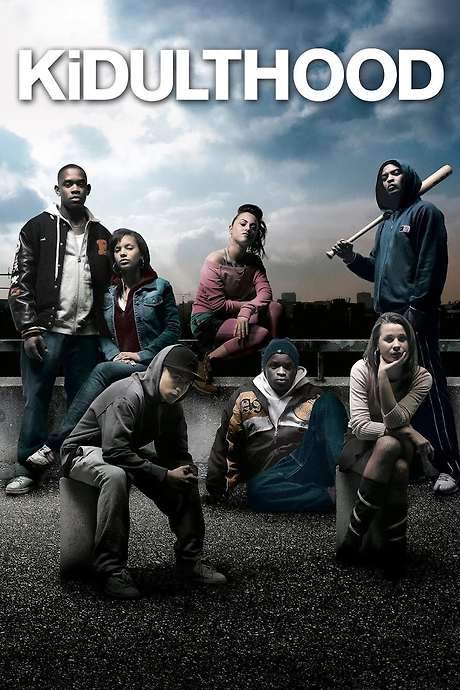
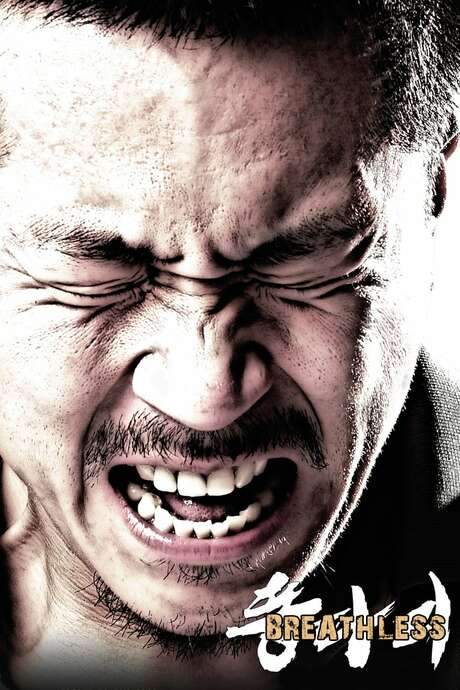
Mosaic Dramas of Dysfunction Like Ken Park

Stories that weave together multiple lives to paint a bleak picture of a broken community. Discover mosaic narrative movies similar to Ken Park. If you appreciated its structure of interconnected stories revealing the dark undercurrents of a community, these films with steady pacing, ambiguous endings, and a focus on collective despair offer a comparable experience.

  • observational
  • bleak
  • claustrophobic
  • interconnected
  • desperate
  • dysfunctional
  • Tone: dark, bleak, observational
  • Pacing: steady, deliberate
Why these movies?

The story pattern: The plot unfolds through a steady rotation between several character perspectives, whose stories may only loosely intersect thematically. This structure builds a cumulative power, revealing how individual tragedies are symptoms of a larger, systemic dysfunction within the world of the film.

Why they belong together: These movies are united by their narrative structure—the mosaic—and the thematic focus on collective despair and societal breakdown. They share a steady, deliberate pacing that allows for deep immersion and a tone that is consistently dark or bleak.

If you liked this

Movies Like Ken Park

Similar movies to Ken Park: the same genre, themes or kind of story. Each one comes with its own plot summary, timeline and ending explained.

Browse all movie summaries

Every angle

Ken Park (2002) Explained: Plot, Timeline & Characters

Everything about Ken Park in one place: what happens in the plot summary, the timeline in chronological order, the characters and meaning and a spoiler-free summary. What's After the Movie adds the cast, box office and post-credit scenes.

Coming soon on iOS and Android

The Plot Explained Movie Summary App

Plot summaries, endings explained and timelines on your phone. Catch up on any movie in minutes, save your favorites and never miss a twist again.

Be the first to know when we launch. Your email stays private, always.

Learn more about the app