Year: 2002
Runtime: 107 mins
Language: Tagalog
Director: Gilbert Perez
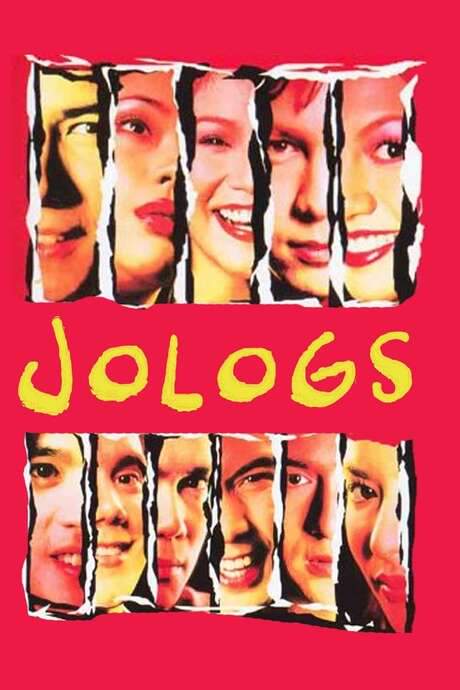
Through a blend of humor and drama, the film weaves the intersecting lives of several working‑class Filipinos whose daily routines revolve around a single coffee shop. Each character struggles to make ends meet, chasing love, dreams and dignity amid the challenges of urban life in the Philippines.
Find where to stream, rent, or buy Jologs (2002) in the US with current JustWatch availability, up-to-date pricing, and platform listings for subscription, rental, and digital purchase options.
Warning: spoilers below!
Haven’t seen Jologs yet? This summary contains major spoilers. Bookmark the page, watch the movie, and come back for the full breakdown. If you're ready, scroll on and relive the story!
Read the complete plot breakdown of Jologs (2002), including all key story events, major twists, and the ending explained in detail. Discover what really happened, and what it all means.
Ruben, a college student, is introduced through his day-to-day grind at Barako Café, a place run by Trigger. His tuition worries mount after he loses his scholarship on a technicality, and the unpaid bills push him toward a desperate choice: burglary at his father’s house to cover the costs. The movie then tracks this turning point as a chaotic, humor-filled sequence—an over-the-top, choreographed fight scene with wire work and exaggerated martial arts—that foregrounds how a moment of pressure can cascade into a torrent of comic danger and consequence.
Shona leaves her daughter and her boyfriend Mando to return to Japan, where she works as an exotic dancer. Her departure serves as a window into a broader, real-world truth about life in the Philippines: the harsh economic reality that often pushes working people to seek opportunities abroad in order to save for a better future. The narrative uses this labor-export motif to highlight resilience and the costs that families pay when loved ones choose distant paths in pursuit of survival, all while maintaining a steady, observational tone.
In parallel, Cher is portrayed as a drag queen who becomes a target of violent homophobic aggression. The film’s portrayal, though heightened for comic effect, aims to illuminate the ugliness of prejudice and discrimination around sexuality. The conflict is presented without a clear punishment for the assailants, and the story leaves Shona’s choice to leave her child uncondemned, which in turn leaves Ruben’s moral and practical dilemma unresolved for the audience to ponder.
The narrative then threads through the lives of three couples: Iza and Iñigo, Kulas and Joan, and Dino and Faith. Each pair grapples with different facets of relationships—objectification, unrequited love, and first sexual experiences—within a tapestry that blends light romance with moments of honesty about desire, vulnerability, and growth. The film uses intimate, everyday interactions to reflect on how people relate to one another, sometimes with awkward humor, sometimes with surprising tenderness, and always with a sense of lived reality that avoids easy answers.
Last updated: February 20, 2026 at 18:44
Explore frequently asked questions about Jologs (2002) with spoiler-rich answers covering the full plot summary, major story beats, character motivations, hidden details, and ending meaning. This movie summary FAQ helps explain confusing scenes, plot twists, and narrative decisions in clear, searchable detail.
After losing his scholarship on a technicality, Ruben faces mounting tuition bills and cannot afford his education through his job at Barako Café alone. The financial desperation pushes him to make a risky moral choice, viewing burglary as the only way to secure the money he needs to continue his studies.
Ruben's anxiety about his scholarship and his struggles at Barako Café establish the financial pressure that builds to this breaking point.
Shona returns to Japan to work as an exotic dancer because the economic situation in the Philippines does not provide enough income to support her family. Her decision represents the harsh reality faced by many Filipino workers who must seek employment abroad to earn enough money for a better future, even at the cost of family separation.
The burglary sequence features exaggerated martial arts moves and wire work as a stylistic choice by the film. Rather than presenting the crime as a grim realistic event, the filmmakers use this over-the-top fight to blend comedy with danger, showing how Ruben's moment of desperation cascades into comic chaos.
The film's shift from realistic drama to stylized action signals its tone of blending humor with serious situations.
Cher, a drag queen, experiences a violent homophobic assault that goes unpunished. The film deliberately leaves the attackers without consequences to highlight the troubling reality of discrimination and hate crimes in society. This unresolved outcome serves as a critique of systemic prejudice rather than offering a satisfying narrative resolution.
The narrative presents Shona's choice to leave her daughter without moral judgment, focusing instead on the economic desperation that forces such difficult decisions. By leaving her departure uncondemned, the film highlights the broader social circumstances that push parents to seek work abroad, even when it means family separation.
Ruben loses his scholarship on a technicality, which triggers his financial crisis. This loss creates the desperate situation that leads him to consider extreme measures like burglary to cover his tuition costs.
Iza and Iñigo's relationship grapples with objectification, as they navigate being seen through lenses of desire rather than as whole people. Their dynamic explores the complexity of attraction and how superficial views can complicate genuine connection.
Kulas harbors romantic feelings for Joan that remain unreciprocated, creating a quiet ache of unrequited love throughout the film. This storyline adds emotional texture by exploring the tension between desire and the painful reality of loving someone who does not love you back.
Dino and Faith navigate their first sexual experiences together, capturing the awkwardness, curiosity, and vulnerability of early intimacy. The scene portrays youthful romance as exploratory and emotionally charged, reflecting the film's honest approach to desire and personal growth.
The ending leaves Ruben's moral and practical dilemma about his choices unresolved, reflecting the film's ambiguous approach to several central conflicts. This deliberate open ending invites the audience to ponder potential consequences and accountability rather than providing neat answers, emphasizing the ongoing nature of real-life struggles.
Barako Café serves as the central gathering place where several characters' lives intersect. Run by Trigger, the coffee shop represents the everyday setting where working-class Filipinos navigate their daily routines, dreams, and struggles, acting as the backdrop for both comedic and dramatic moments.
The film weaves together intersecting lives through the single setting of Barako Café, creating a mosaic of social issues including poverty, migration, homophobia, and relationship challenges. Each character's decisions ripple through the network of relationships, showing how personal choices affect others in the community.
Discover curated groups of movies connected by mood, themes, and story style. Browse collections built around emotion, atmosphere, and narrative focus to easily find films that match what you feel like watching right now.
Stories of interconnected lives unfolding in a shared, everyday space.Find movies like Jologs that feature an ensemble cast whose lives intertwine within a single, central location. These stories capture the quiet drama and humor of everyday people sharing a common space, perfect for fans of grounded, character-driven narratives.
These narratives follow multiple characters whose separate arcs intersect within a confined setting, such as a cafe, apartment building, or neighborhood. The structure creates a rich tapestry of life, where individual quests for love, dignity, and dreams are observed against a backdrop of shared experience.
Movies are grouped here because they share a focus on a microcosm of society, using a specific location as a stage to explore interconnected lives. They blend drama and comedy with a steady, observational pacing and a bittersweet tone that reflects the wins and losses of ordinary people.

Characters chasing dignity and dreams against the backdrop of economic hardship.Discover films similar to Jologs that chronicle the lives of working-class characters striving for love and dignity amid economic challenges. If you liked the blend of humor and pathos in Jologs, you'll find more stories here about resilient people chasing their dreams.
These stories follow characters navigating the daily grind of making ends meet, often dealing with themes like migration, family separation, and social prejudice. The journey is marked by small victories and poignant setbacks, culminating in an emotionally resonant, often ambiguous, ending that reflects the complexity of their lives.
These films are united by their empathetic portrayal of economic struggle, blending drama with comedy to create a medium emotional weight. They share a grounded feel, focusing on characters whose resilience and hope provide a compelling, human-centered narrative.
Don't stop at just watching - explore Jologs in full detail. From the complete plot summary and scene-by-scene timeline to character breakdowns, thematic analysis, and a deep dive into the ending - every page helps you truly understand what Jologs is all about. Plus, discover what's next after the movie.
Track the full timeline of Jologs with every major event arranged chronologically. Perfect for decoding non-linear storytelling, flashbacks, or parallel narratives with a clear scene-by-scene breakdown.
Discover the characters, locations, and core themes that shape Jologs. Get insights into symbolic elements, setting significance, and deeper narrative meaning - ideal for thematic analysis and movie breakdowns.