Plot Explained Spoilers guaranteed!
Plot Explained

Browse by genre

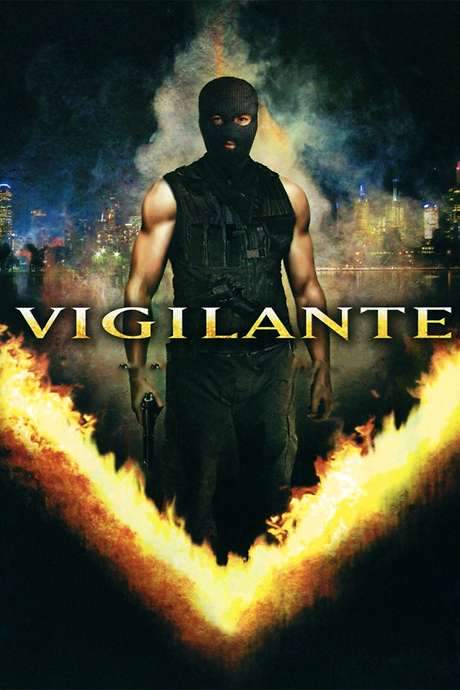
John Doe: Vigilante (2014) movie poster

Timeline

John Doe: Vigilante (2014) Timeline Explained – Every Event in Order

Release, runtime and language
2014 · 93 mins · English
Directed by
Kelly Dolen
Starring
Fletcher Humphrys, Paul O'Brien, Sam Parsonson, Lachy Hulme, Brendan Clearkin, Paul Allica

The lines between hero and villain blur when John Doe is convicted as a vigilante serial killer. In his defense, a group calling themselves ‘Speak for the Dead’ arises, sparking a heated debate about the nature of justice and the justification of vengeance. Their actions challenge the legal system and force a reevaluation of what it means to seek retribution.

On this page (5)
  1. 1 Where to watch
  2. 2 Events in order (10)
  3. 3 Timeline questions answered
  4. 4 Movie threads
  5. 5 Every angle

Where to watch

Where to Watch John Doe: Vigilante (2014)

Where can you watch John Doe: Vigilante? Stream, rent or buy it in the US, including on Amazon Prime Video, Fawesome and Hoopla: current JustWatch availability with up-to-date prices.

Streaming availability powered by JustWatch

10 events in order · contains spoilers

John Doe: Vigilante Timeline: Events in Chronological Order

Every key event of John Doe: Vigilante (2014) in order, scene by scene, with when and where it takes place. Use it to untangle flashbacks, time jumps and parallel storylines, to refresh your memory before the sequel or to find the exact scene you are thinking of.

  1. John Doe's Motivation

    John Doe, an ordinary man, is driven by the tragic loss of his wife and nine-year-old daughter, which motivates him to take justice into his own hands. He begins targeting criminals involved in their murders, filming his actions to expose their crimes. His vigilante acts set the stage for a larger movement supporting his cause.

  2. Revenge against Criminals

    John executes justice on various criminals like pimps, rapists, and paedophiles, and films these acts. He shares these videos with the media, which edits them to show only the executions, omitting reasons behind his actions. The uncut videos are later circulated on the internet by smaller outlets.

  3. Rise of the 'Speak for the Dead' Movement

    A movement called 'Speak for the Dead' gains traction by publicizing information about John Doe's victims—criminals who were arrested, sentenced, and subsequently reoffended. This movement garners support for John’s vigilante justice by framing his actions as a form of public accountability.

  4. Nightclub Incident and Bouncer's Death

    At a nightclub, two bouncers assault a teenage boy, who later dies. The bouncers are acquitted due to bribery involving the club's owner. This incident sparks John Doe to kill one of the bouncers using a homemade cyanide patch after he harasses a woman, inspiring copycat vigilantes.

    Where
    Nightclub
  5. Escalation of Vigilante Violence

    A group of teenage boys attempt to kill the other bouncer, but he fights back violently, killing all three. The bouncer later is ambushed by a larger vigilante group and killed after a vigilante fractures his skull, showing the escalating violence among those inspired by John Doe.

  6. John Doe's Interaction with Adam

    John Doe films a confrontation with Adam, the man responsible for killing his wife and daughter. During a live broadcast, John confronts Adam, who initially claims remorse due to an abusive past, but soon admits to lying. John kills Adam openly on camera after this exchange.

  7. John Doe's Surrender and Trial

    Following his murders, John Doe surrenders and is tried for thirty-three murders. His motives and the movement he has inspired are discussed in media interviews, revealing his philosophical justification for his vigilante actions during his trial.

  8. Suicide Deception and Final Kill

    John Doe appears to kill himself by biting a cyanide capsule during an interview, killing the journalist Ken Rutherford in the process. Moments later, it is revealed to be a ploy, and John seizes the opportunity to kill Ken as his final target, broadcasting the act live to boost his support.

  9. Jury Verdict and Courthouse Attack

    The jury delivers a verdict, but the outcome is not revealed. As the court's decision is announced, John Doe’s followers attack the courthouse, setting off a bomb and firing at the crowd. John escapes with his followers, igniting chaos.

    Where
    Courthouse
  10. John Doe on the Run

    The film concludes with John Doe free on the loose as his followers continue to pursue and support him, symbolizing the ongoing threat he poses and the unresolved nature of his vigilantism.

Last updated: August 05, 2025 at 06:59

Was this helpful?

Timeline questions answered

John Doe: Vigilante Timeline Explained: Your Questions Answered

When does it happen, and why in that order? The questions people ask about the chronology of John Doe: Vigilante (2014): time jumps, flashbacks, cause and effect between scenes and the correct order of events, each answered with spoilers.

Q1

Why does John Doe become a vigilante killer?

John Doe transforms into a vigilante after his wife and nine-year-old daughter are murdered. Consumed by grief and anger, he decides to take the law into his own hands rather than wait for the justice system to punish their killer. He begins systematically targeting and killing criminals he believes have escaped proper punishment, filming each execution to expose the crimes of his victims.

Foreshadowing: The film opens with John experiencing this devastating loss, establishing the personal tragedy that fuels his mission.

  • john doe motivation
  • vigilante origin
  • grief
  • revenge
  • family murder
Q2

What is the 'Speak for the Dead' movement?

Speak for the Dead is a support movement that emerges in response to John's vigilante actions. It publicizes information about his victims, criminals who were arrested, served sentences, and then reoffended. The movement argues that these individuals escaped traditional justice, and frames John's executions as a form of accountability for those the system failed to protect.

Foreshadowing: When mainstream media edits John's videos to remove context about his victims' crimes, smaller outlets begin circulating the uncut footage, laying groundwork for the movement.

  • speak for the dead
  • movement
  • vigilante support
  • public debate
  • justice system
Q3

Why does John kill the nightclub bouncer?

John kills one of the bouncers responsible for assaulting a teenage boy who later died at a nightclub. The bouncers were acquitted due to bribery involving the club's owner. John targets the bouncer after witnessing him harass a woman in an elevator, using a homemade cyanide patch to kill him. This event inspires copycat vigilantes to take action.

Foreshadowing: The nightclub incident is shown early in the film as a turning point that accelerates John's public campaign and inspires others to follow his example.

  • nightclub bouncer
  • cyanide patch
  • teenage boy death
  • bribery
  • copycat vigilantes
Q4

What happens to the teenage boys who try to kill the bouncer?

Three teenage boys attempt to avenge the nightclub victim's death by attacking the remaining bouncer. However, the bouncer is now highly alert after his brother's death and fights back violently, killing all three boys. This escalation demonstrates how John's actions have created a cycle of violence beyond his direct control.

Foreshadowing: This tragedy stems directly from the nightclub incident and John's public execution of the first bouncer, which emboldened the teenagers but also made the second bouncer dangerous.

  • teenage boys
  • bouncer attack
  • escalation
  • copycat violence
  • vigilante movement
Q5

Who is Adam and why does John kill him on camera?

Adam is the criminal responsible for murdering John's wife and daughter. John confronts him during a live broadcast, giving Adam a chance to plead his case. Adam claims his crimes were driven by an abusive past, but quickly admits his remorse is feigned. John then executes him on camera, making this the most public and significant of his executions.

Foreshadowing: Throughout the film, John's personal vendetta against his family's killer is hinted at as his ultimate target, building anticipation for this confrontation.

  • adam
  • murderer of family
  • john doe family
  • live execution
  • confrontation
Q6

Why does John kill the journalist Ken Rutherford?

John deliberately chooses Ken Rutherford as his final target because of the journalist's own brutal past. During a jail interview, John appears to commit suicide by biting a cyanide capsule hidden in a fake tooth. The cyanide kills Rutherford instead, and John reveals the murder was planned all along. He broadcasts the killing live, using it to further his message and boost support.

Foreshadowing: John's choice to surrender and submit to interview suggests he has a specific plan, and his mention of 'one more' during earlier discussions hints at this final target.

  • ken rutherford
  • journalist
  • cyanide capsule
  • fake suicide
  • broadcast murder
Q7

What happens during the courthouse attack?

After the jury delivers its verdict, John Doe's followers launch a coordinated assault on the courthouse. They set off a bomb and fire into the crowd to free him. John escapes amidst the chaos, leaving his fate uncertain. The attack demonstrates the movement he has built and the extreme dedication of his supporters.

Foreshadowing: The growing 'Speak for the Dead' movement and the violent copycat incidents foreshadow that John's followers are willing to escalate to terrorism.

  • courthouse attack
  • bomb
  • escape
  • followers
  • verdict
Q8

Is John Doe ever actually caught or brought to justice?

John Doe is never brought to justice in the traditional sense. He surrenders and stands trial for thirty-three murders, but during the courthouse attack orchestrated by his followers, he escapes. The film ends with John free on the loose, leaving his ultimate fate ambiguous and the central moral questions unresolved.

Foreshadowing: The film's ambiguous ending is set up by the ongoing debate throughout the story about whether John is a hero or villain, with the escape ensuring no definitive judgment is reached.

  • escape
  • caught
  • justice
  • trial
  • ambiguous ending
Q9

Why does John film his executions and share them publicly?

John records each execution to expose the crimes committed by his victims and justify his actions. Initially, mainstream media edits the videos to show only the killings without context. In response, John gives unedited footage to smaller outlets, ensuring the public sees both his victims' crimes and his reasoning. This media strategy is central to sparking public debate and building his movement.

Foreshadowing: The editing controversy early in the film establishes why John chooses to bypass traditional media channels and go directly to the public.

  • filming executions
  • media
  • videos
  • public broadcast
  • exposure
Q10

How does John use cyanide as his weapon?

John employs a homemade cyanide patch to kill the nightclub bouncer who harassed a woman in an elevator. He later uses a cyanide capsule hidden inside a fake tooth during his interview with Ken Rutherford. This method allows him to kill silently and without immediate suspicion, demonstrating his willingness to use chemical weapons in his campaign of vigilante justice.

Foreshadowing: The cyanide is introduced as John's signature method, suggesting he has technical knowledge and has planned his campaign methodically.

  • cyanide
  • poison
  • homemade weapon
  • execution method

Movie threads

More Movies Like John Doe: Vigilante, by Mood & Story

Curated lists built around what makes John Doe: Vigilante tick: the same mood, the same kind of story or the same emotional payoff. Each list explains why these movies belong together.

Vigilante Justice Movies with Moral Ambiguity like John Doe: Vigilante

Thrillers where heroes and villains are separated by a thin, bloody line. If you enjoyed the morally complex vengeance of John Doe: Vigilante, you'll find similar stories here. These movies feature ordinary people pushed to extremes, grappling with the blurred lines between hero and criminal. They are intense thrillers that question the very nature of justice and retribution.

  • vengeful
  • morally ambiguous
  • confrontational
  • brutal
  • unsettling
  • angry
  • Tone: dark, morally ambiguous
  • Pacing: fast, driven by violent escalation
Why these movies?

The story pattern: Stories in this thread typically follow an individual or group who, often due to a personal tragedy, decides to bypass the law to deliver their own form of punishment. The narrative explores the escalation of their actions, the public reaction, and the internal conflict that arises from operating outside societal norms.

Why they belong together: These movies are grouped together because they share a central, provocative theme: the justification of extralegal violence. They possess a dark tone, high intensity, and create a morally ambiguous atmosphere where easy answers are denied, leaving the audience to wrestle with difficult ethical questions.
Bleak and Intense Crime Thrillers like John Doe: Vigilante

Gritty stories where violence begets violence in a broken world. For viewers who appreciated the harsh, unforgiving world of John Doe: Vigilante, this collection features similarly dark crime stories. These movies are characterized by graphic violence, a fast pace, and a heavy emotional weight, often exploring themes of revenge, grief, and the collapse of societal structures.

  • brutal
  • bleak
  • chaotic
  • unsettling
  • gritty
  • violent
  • Tone: dark, bleak, unsettling
  • Pacing: fast, chaotic, relentless
Why these movies?

The story pattern: The narrative pattern involves a protagonist being pulled into a vortex of violence, often triggering a chain reaction of vengeance and brutality. The story unfolds in a world that feels fundamentally corrupt or broken, with an ending that is typically ambiguous or bleak, offering no clean resolution or catharsis.

Why they belong together: These films are united by their shared atmosphere of despair and moral decay. They feature a fast, relentless pace driven by violent events, a consistently dark tone, and a heavy emotional impact derived from unflinching portrayals of brutality and loss.

Every angle

John Doe: Vigilante (2014) Explained: Plot, Timeline & Characters

Everything about John Doe: Vigilante in one place: what happens in the plot summary, the timeline in chronological order, the characters and meaning and a spoiler-free summary. What's After the Movie adds the cast, box office and post-credit scenes.

Coming soon on iOS and Android

The Plot Explained Movie Summary App

Plot summaries, endings explained and timelines on your phone. Catch up on any movie in minutes, save your favorites and never miss a twist again.

Be the first to know when we launch. Your email stays private, always.

Learn more about the app