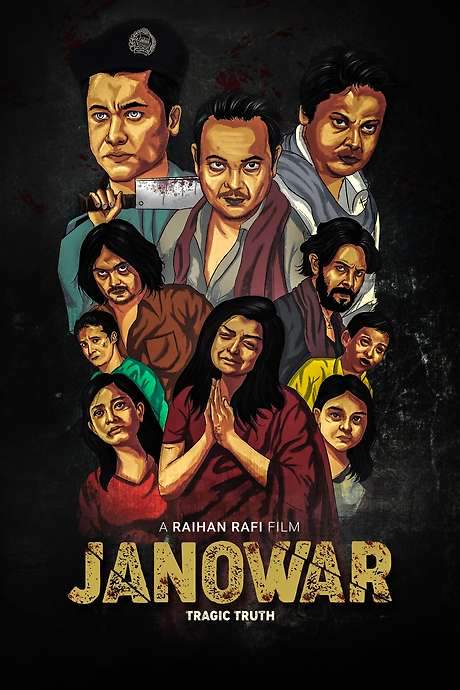
On 23 April 2020, the police officer Taskeen Rahman arrives at a two-storied pink-coloured residential building in a quiet suburb, where a crime has just been reported. He is briefed by his fellow officers and begins a methodical examination of the scene, taking notes, and preparing to speak with anyone who might shed light on what happened. The family at the heart of the case—the mother, her two daughters, and their son—has been found dead inside the house, while the father is noted to be away in Malaysia for work. As the investigation unfolds, the officer moves from the exterior to the interior, paying attention to every detail that could reveal the sequence of events and the motive behind the tragedy.
Inside, three women present in the home start to recount the night’s events with a calm, steady, but haunted tone. The officer listens closely, translating each detail into questions and possible leads as he keeps the scene intact for forensic review. The narrative that emerges centers on a late-night break-in, just before Hawarin’s birthday, perpetrated by a group of robbers who search for jewellery and other valuables. The intruders bind the family and impose their control over the house, while the mother attempts to defuse the situation by preparing a meal in an effort to placate her uninvited guests and buy time for a safer outcome.
As the tension mounts, one of the children reveals a chilling clue: she recognizes one of the robbers as a local rickshaw puller. This small detail becomes a dangerous pivot for the assailants, who quickly realize that their identities could be exposed. In response, the robbers escalate their brutality, torturing, raping, and ultimately killing the family in a bid to erase any trace of who is involved and to silence the witnesses who might identify them. The violence culminates with the brutal slashing of the son’s throat as the criminals flee the property, leaving behind a scene stained with fear and grief.
The officer’s investigation reaches a grim milestone when he discovers the boy’s body in the washroom, a reality check that reveals he has been interviewing the victims—likely the woman who spoke and the others in the home—without realizing the danger that lay in wait. The realization hits hard: the liaison between witness and killer has placed his own family at risk, and the officer is suddenly overwhelmed by the fear for his wife’s safety. He acts with urgency, contacting her and urging her to return home immediately, aware that timing and protection are now as crucial as uncovering the full truth of what happened that night.
The narrative is brought to life by a careful ensemble, with Rashed Mamun Apu and Farhad Limon joining Taskeen Rahman in supporting roles, adding texture to the procedural and emotional layers of the case. The story unfolds with a restrained, documentary-like tempo that emphasizes the impact on the surviving witnesses, the relentless drive of the investigation, and the quiet, persistent fear that accompanies the officer as he wrestles with the dual burdens of duty and personal peril. The film stays faithful to its core events, expanding on the sequence of the break-in, the mothers’ attempted mercy, the chilling realization of a familiar face among the offenders, and the devastating consequences that ripple through a family and a community when violence is used to hide the truth.