
Janda Pai Kapiraju
Year: 2015
Runtime: 149 mins
Language: Telugu
Director: Samuthirakani
A young man from a rural background finds himself struggling to adapt to the corrupt and extravagant urban lifestyle after taking a job in the city. After a minor traffic violation, he’s wrongly accused and pressured to pay a bribe. Determined to fight back against the injustice, he and a few friends devise a sting operation, targeting government offices by applying for various identity cards under a false name to expose the widespread corruption.
Warning: spoilers below!
Haven’t seen Janda Pai Kapiraju yet? This summary contains major spoilers. Bookmark the page, watch the movie, and come back for the full breakdown. If you're ready, scroll on and relive the story!
Timeline – Janda Pai Kapiraju (2015)
Trace every key event in Janda Pai Kapiraju (2015) with our detailed, chronological timeline. Perfect for unpacking nonlinear stories, spotting hidden connections, and understanding how each scene builds toward the film’s climax. Whether you're revisiting or decoding for the first time, this timeline gives you the full picture.
Last updated: October 03, 2025 at 06:46
Janda Pai Kapiraju (2015) Timeline Questions Answered – Chronology FAQ
Find frequently asked questions about the Janda Pai Kapiraju (2015) timeline, including chronological order, nonlinear jumps, cause-and-effect links, and scene sequence clarifications. This timeline FAQ helps explain when key events happen, how moments connect, and why the story unfolds in that specific order.
Why did Aravind create a fake Harish Chandra persona to fight corruption?
Aravind created the Harish Chandra persona because he wanted to expose corrupt government officials by tricking them into accepting bribes. Using a modified image of himself, he projected authority and legitimacy, forcing officials to respond to what appeared to be a real powerful figure. This sting operation allowed his team to document corrupt officials who accepted bribes, ultimately exposing 147 people in the system.
The persona was foreshadowed by Aravind's upbringing in the ashram, where his strong moral values made him determined to fight immorality in the outside world.
How did the Harish Chandra scheme expose 147 officials?
Aravind and his team created a fake but convincing identity called Harish Chandra and began applying for various government identity cards. When officials demanded bribes to process these applications, the team recorded their corrupt behavior. This methodical approach accumulated evidence against 147 officials across state and municipal offices, including judges and politicians.
The large-scale exposure was made possible by the team's tight bond and shared goal of rooting out immorality.
Why was Indumathi's father included in the corruption exposure?
Indumathi's father, a court judge, was caught accepting bribes through the Harish Chandra sting operation. The exposure was not targeted specifically at him, it was an unintended consequence of the widespread operation. His inclusion in the 147 exposed officials created personal conflict for Indumathi, who remained committed to the mission despite her father's involvement.
The exposure of her father was a risk the team accepted when they decided to target government offices indiscriminately.
Who is Maya Kannan and what was his true identity?
Maya Kannan was introduced as a 42-year-old man hired by corrupt officials to pose as the real Harish Chandra. However, the twist revealed he was actually a psychology graduate who ran orphanages and senior homes for young girls and the elderly. He had been secretly supporting Aravind's anti-corruption crusade from the beginning and used the 14.7 crore promised payment for social causes.
Kannan's vague background hinting at underground work for the Tamil Nadu government masked his true altruistic motives.
What was the twist in the courtroom when Kannan revealed his true intentions?
During the trial, Kannan initially appeared to confirm Harish Chandra was a real person, making it seem like Aravind's scheme would fail. However, he then revealed he had been supporting Aravind all along. The court ruled in Aravind's favor, and Kannan explained he had joined the look-alike plan to ensure the anti-corruption movement succeeded while channeling funds to charitable causes.
The tension of the courtroom showdown built toward this reveal, as viewers expected Kannan to betray Aravind.
Why did Kannan sacrifice himself protecting Aravind?
After the court ruled in their favor, corrupt officials hired attackers to eliminate Aravind and his team. Kannan stepped in to protect Aravind during the fight on the courthouse steps, sustaining fatal injuries. His sacrifice demonstrated his complete commitment to the cause, having already given his life to social work and now giving his life to protect the movement's leader.
Kannan's earlier statement about dedicating the 14.7 crores to social causes showed his selfless nature.
What happened to the 14.7 crore reward money promised by the government?
The government had promised 14.7 crores to whoever could prove Harish Chandra was a real person. After Kannan revealed his identity and the court ruled in Aravind's favor, Kannan explained he intended to dedicate the entire amount to running orphanages and senior homes for vulnerable people. The money was meant to fund his lifelong mission of social service rather than personal gain.
Kannan's involvement was motivated by using the promised payoff for charitable purposes.
How did the court rule in favor of Aravind and his team?
The court ruled in Aravind's favor after Kannan revealed he had been working with Aravind all along. Kannan testified that he was not the real Harish Chandra but rather an ally helping the anti-corruption movement. The judge accepted this explanation, validating Aravind's sting operation as a legitimate effort to expose systemic corruption.
The tense courtroom showdown built toward this validation of Aravind's methods.
Why did the corrupt officials unite against Aravind?
After 147 officials were exposed including a Member of Parliament, a judge, and Indumathi's father, the corrupt network faced serious consequences. Under the leadership of the MP, the judge, and IAS officer Savithri, they united to unmask Harish Chandra as a fake persona and dismantle Aravind's crusade. Their retaliation included hiring Maya Kannan as a look-alike to prove Harish was real and commissioning attackers to silence Aravind permanently.
The large-scale exposure guaranteed retaliation, as the officials had too much to lose.
What was the look-alike plan and why did it fail?
The officials' look-alike plan involved hiring Maya Kannan, who resembled the Harish Chandra photo, to present himself as the real person. They hoped to prove Harish Chandra existed and discredit Aravind's sting operation. The plan failed because Kannan was actually an ally who revealed the truth in court, turning the tables on the conspirators and securing Aravind's victory.
Aravel's trip to Tamil Nadu to prevent Kannan from appearing set up this confrontation.

Explore Movie Threads
Discover curated groups of movies connected by mood, themes, and story style. Browse collections built around emotion, atmosphere, and narrative focus to easily find films that match what you feel like watching right now.
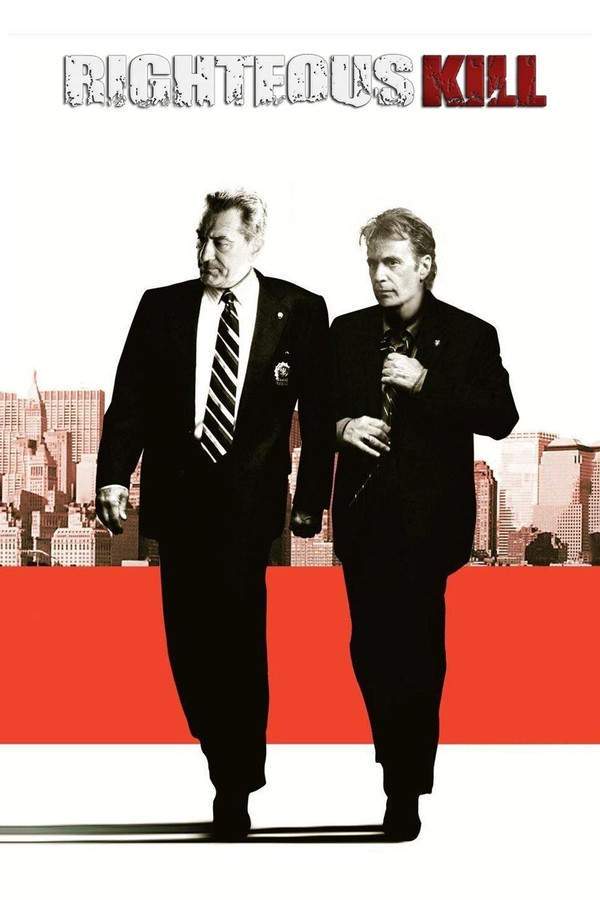
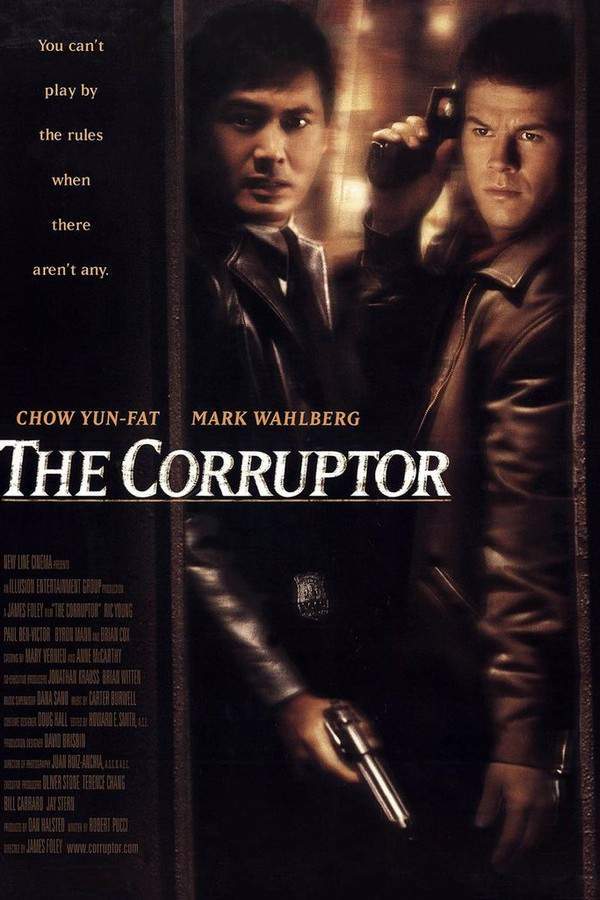
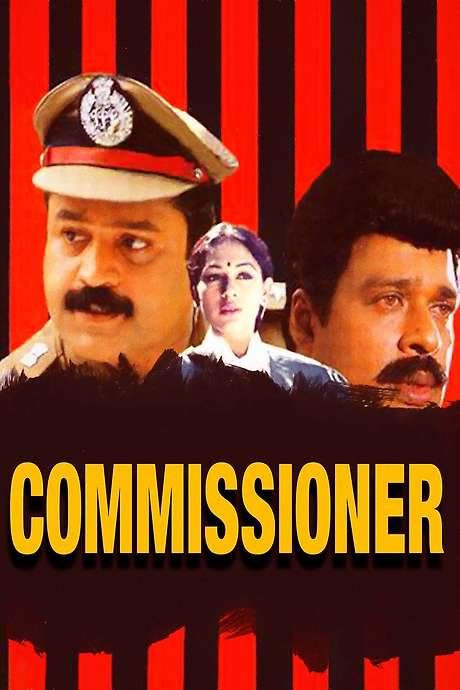
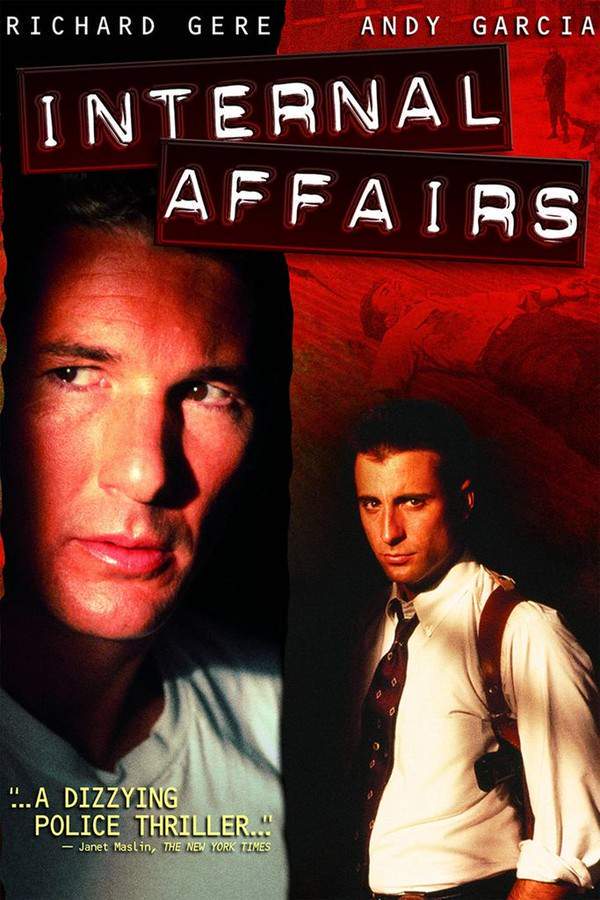
Corruption Thrillers and Sting Operations Like Janda Pai Kapiraju
Ordinary citizens taking high-stakes risks to expose powerful, corrupt systems.If you enjoyed the high-stakes plot of Janda Pai Kapiraju, you'll find similar movies here. This thread features tense thrillers about vigilante justice, where characters devise intricate schemes to expose political or social corruption, often facing dangerous consequences.











Narrative Summary
The narrative typically begins with a personal injustice that awakens a protagonist's determination to fight back. This leads to the meticulous planning and execution of a risky operation, such as a sting, which builds towards a public confrontation or courtroom climax. The journey is often punctuated by betrayals and tragic sacrifices, resulting in a victory that is meaningful but stained by loss.
Why These Movies?
Movies in this thread share a core narrative of fighting systemic injustice from the outside. They are united by a tense, urgent tone, a fast-paced plot driven by a singular mission, and a heavy emotional weight stemming from the serious themes and the personal sacrifices required for justice.
Movies with Bittersweet Endings Like Janda Pai Kapiraju
Stories where success is achieved, but at a profound personal price.For viewers who appreciated the poignant ending of Janda Pai Kapiraju, this list features movies where the heroes succeed in their mission, but their triumph is tempered by tragedy. These are powerful stories where victory and loss are inextricably linked.

Dark Victory
1939

No Tears for the Dead
2014

No Greater Love
1995

Boys on the Side
1995

Only The Brave
2006

Dying Young
1991

Some Kind of Hero
1982

Rails & Ties
2007

Veronika Decides to Die
2015

Seven Pounds
2008

The Good Heart
2010

Revanche
2009

Character
1997

Die Beautiful
2016

Closing the Ring
2007
Narrative Summary
The narrative journey in these films builds towards a climax where the protagonists achieve their objective—exposing a truth, winning a battle, or securing justice. However, a key element of the resolution involves a tragic reversal, such as the death of a beloved character or the destruction of a personal relationship. The ending acknowledges the success but lingers on the irreplaceable cost, creating a bittersweet final emotion.
Why These Movies?
These films are grouped by their shared emotional payoff: a complex ending that is neither purely happy nor sad. They commonly feature high emotional weight, serious themes, and a narrative structure where success is inseparable from sacrifice, appealing to viewers who appreciate emotionally resonant and thought-provoking conclusions.
Unlock the Full Story of Janda Pai Kapiraju
Don't stop at just watching - explore Janda Pai Kapiraju in full detail. From the complete plot summary and scene-by-scene timeline to character breakdowns, thematic analysis, and a deep dive into the ending - every page helps you truly understand what Janda Pai Kapiraju is all about. Plus, discover what's next after the movie.
Janda Pai Kapiraju Summary
Read a complete plot summary of Janda Pai Kapiraju, including all key story points, character arcs, and turning points. This in-depth recap is ideal for understanding the narrative structure or reviewing what happened in the movie.

Characters, Settings & Themes in Janda Pai Kapiraju
Discover the characters, locations, and core themes that shape Janda Pai Kapiraju. Get insights into symbolic elements, setting significance, and deeper narrative meaning - ideal for thematic analysis and movie breakdowns.


