Year: 1962
Runtime: 100 mins
Language: English
Director: Andrew Marton
In 1896 the modern Olympic Games return to Athens. Spiridon Loues, a shepherd, travels there to run the 26‑mile marathon. He reunites with Christina Gratsos, now maid to actress Eleni Costa. Though late for qualification, his speed earns a spot from American Coach Graham. Eleni says she will marry the winner, her lover Lieutenant Vinardos.
Warning: spoilers below!
Haven’t seen It Happened in Athens yet? This summary contains major spoilers. Bookmark the page, watch the movie, and come back for the full breakdown. If you're ready, scroll on and relive the story!
Read the complete plot breakdown of It Happened in Athens (1962), including all key story events, major twists, and the ending explained in detail. Discover what really happened, and what it all means.
In 1896, the Olympic Games are revived in Athens, and a young shepherd Spiridon Loues [Trax Colton] sets his sights on the demanding 26-mile marathon. Arriving in the city, he meets Christina Gratsos [Xenia Kalogeropoulou], a hometown girl who now serves as the personal maid to Greece’s celebrated actress, Eleni Costa [Jayne Mansfield]. Eleni’s lover, Lt. Alexi Vinardos [Nico Minardos], stands as a powerful figure and a respected runner, adding a layer of intrigue to the unfolding drama. Though Spiridon arrives after the official entry date, his relentless drive and natural speed impress the Olympic officials and Coach Graham [Bob Mathias], who decide to admit him to the race despite the late start.
To promote herself, Eleni announces she will marry the marathon winner, placing bets that the victor will be Vinardos. This public gambit sparks a tense triangle, as Eleni’s press-driven romance contrasts with Spiridon’s unwavering fidelity to Christina. Spiridon becomes a quiet magnet for Eleni’s attention, yet he remains anchored to Christina, doing his best to soothe her fears of being abandoned for the star.
As the race begins, Spiridon starts near the back of the pack, often accompanied for long stretches by his small dog. His extraordinary stamina and steady pacing slowly push him forward, drawing admiration from spectators and fellow competitors alike. The marathon, a grueling test of endurance, becomes a showcase not only of physical strength but of character and resolve. Along the route, the weight of personal loyalties and public expectations presses in, particularly for Eleni, whose ambition clashes with the simplicity of Spiridon’s devotion to Christina.
Spiridon’s perseverance pays off, and he crosses the finish line first, heroically securing a victory that seems almost miraculous given his late entry and humble background. After the triumph, Eleni experiences a moment of clarity and tenderness toward Spiridon, instructing him to seek out Christina and marry her, telling him, “…she’s your girl, not me.” >
In the immediate aftermath, Spiridon attempts to sprint toward Christina, driven by the dreamlike memory of his achievement, but he collapses and faints. He is revived two hours later, initially unsure whether his triumph was real or a dream. Christina ultimately locates Spiridon as he returns to the finish line to savor his glory, and the couple seals their union with a kiss, a quiet testament to loyalty and love prevailing over public spectacle.
Beyond the central romance, the filmalso weaves a sense of Greek family life around Spiridon. Grandpa Loues [Ivan Triesault] and Mama Loues [Lily Valenty] anchor the narrative with their steadfast presence, while Nico Loues [Paris Alexander] and Father Loues [Titos Vandis] populate the supporting landscape with familiar faces from Spiridon’s world. The broader world of Greek society—embodied by figures like Ambassador Cyrus T. Gaylord [Charles Fawcett] and the refined circles around Eleni [Jayne Mansfield]—frames the Olympic moment as both a personal journey and a cultural milestone, dramatizing how sport, romance, and duty can collide, submerge, and ultimately converge in a single, unforgettable race. The film leaves viewers with a sense of triumph tempered by the recognition that victory often reshapes relationships as much as it crowns champions, leaving Spiridon and Christina to begin a new life together after a year that tested their faith, resolve, and the lasting power of love.
Last updated: March 05, 2026 at 18:41
Explore frequently asked questions about It Happened in Athens (1962) with spoiler-rich answers covering the full plot summary, major story beats, character motivations, hidden details, and ending meaning. This movie summary FAQ helps explain confusing scenes, plot twists, and narrative decisions in clear, searchable detail.
Spiridon Loues was allowed to compete because his exceptional speed and athletic ability impressed Olympic officials and Coach Graham. Despite missing the official entry date, his persistence and natural running talent convinced them to grant him a berth in the race, making his underdog story possible.
Earlier, the film establishes Spiridon as a shepherd with remarkable physical capabilities, setting up his late admission to the race.
Spiridon relied on his extraordinary endurance and steady pacing to gradually overtake competitors throughout the 26-mile race. Starting near the back of the pack, his consistent speed allowed him to steadily advance, drawing admiration from spectators as he pushed forward methodically until crossing the finish line first.
His background as a shepherd who spent years traversing rugged terrain on foot foreshadows his superior endurance.
After Spiridon won the marathon, Eleni experienced a moment of clarity and tenderness. Rather than pursuing him despite his victory, she instructed him to find Christina and marry her, saying "she's your girl, not me." This moment represents her recognition that Spiridon's loyalty to Christina was genuine and that her own ambitions had been misplaced.
Throughout the film, Eleni's pursuit of Spiridon is contrasted with his unwavering devotion to Christina, building toward her eventual acceptance.
Spiridon collapsed and fainted from sheer exhaustion shortly after crossing the finish line. The grueling 26-mile race had depleted his energy reserves, and his body simply gave out despite the triumph. He was revived two hours later and initially questioned whether his victory was real or a dream.
The marathon is established as an extremely demanding 26-mile test of endurance that pushes runners to their physical limits.
Yes, Spiridon and Christina were reunited after his victory. When Spiridon returned to the finishing line to savor his glory, Christina found him, and the couple shared a kiss, sealing their union. Eleni's blessing, telling Spiridon that Christina was his girl, allowed their relationship to flourish after the race.
Spiridon's steadfast loyalty to Christina throughout the film foreshadows their ultimate reunion.
Eleni Costa announced she would marry the marathon winner, betting that her lover Lieutenant Vinardos would win. However, when Spiridon (the underdog) won instead, Eleni's announcement became meaningless. Rather than marrying the winner, she released Spiridon to be with Christina, effectively abandoning her original plan.
The announcement creates public expectation and tension, building toward the ironic twist when the unexpected runner wins.
Spiridon's small dog ran alongside him for most of the marathon route, serving as a steadfast companion throughout the grueling race. The dog represents loyalty and companionship, mirroring Spiridon's own faithful nature toward Christina. This detail adds emotional resonance to his underdog journey.
The dog appears at the starting line, establishing it as Spiridon's constant companion from the beginning of the race.
Spiridon Loues was a young shepherd who learned to run across rugged terrain in his rural life. When the Olympic Games were revived in Athens in 1896, he resolved to enter the demanding 26-mile marathon, driven by his athletic spirit and dream of competing on the grand stage. His shepherd background provided the physical stamina needed for the endurance race.
The film establishes his shepherd identity from the opening scenes, emphasizing his humble origins.
Discover curated groups of movies connected by mood, themes, and story style. Browse collections built around emotion, atmosphere, and narrative focus to easily find films that match what you feel like watching right now.
Where the thrill of competition meets a heartfelt romantic pursuit.Discover movies like It Happened in Athens that combine the thrill of an underdog sports story with a lighthearted romantic pursuit. If you enjoyed the charming blend of competition and courtship, you'll find similar feel-good stories here.
The narrative follows an underdog protagonist who enters a sporting competition, often against the odds. Their journey is intertwined with a romantic subplot, typically involving a love interest they hope to impress or win over by proving themselves. The climax resolves both the competition and the romance in a satisfying, positive way.
These films are grouped by their shared focus on a lighthearted, character-driven plot where personal triumph in sports is directly linked to romantic success. They maintain a steady pace, low intensity, and a consistently uplifting tone, making them perfect for a pleasant, undemanding watch.
Gentle, humorous stories set against a backdrop of a bygone era.Explore lighthearted historical movies like It Happened in Athens. These films use their period setting for charm and spectacle rather than intense drama, offering a sentimental and humorous look at the past with straightforward, happy endings.
These stories use a specific historical event or period as a colorful setting for a personal, often comedic, character journey. The plot is straightforward, avoiding complex political intrigue in favor of relatable themes like love, ambition, or social class. The historical element adds charm and a sense of spectacle without overwhelming the light tone.
This thread connects films that share a gentle, nostalgic tone and a steady pacing. They use history as a charming stage for light drama and comedy, ensuring the viewing experience remains pleasant and accessible rather than educational or grim. The emotional weight is consistently light.
Don't stop at just watching - explore It Happened in Athens in full detail. From the complete plot summary and scene-by-scene timeline to character breakdowns, thematic analysis, and a deep dive into the ending - every page helps you truly understand what It Happened in Athens is all about. Plus, discover what's next after the movie.
Track the full timeline of It Happened in Athens with every major event arranged chronologically. Perfect for decoding non-linear storytelling, flashbacks, or parallel narratives with a clear scene-by-scene breakdown.
Discover the characters, locations, and core themes that shape It Happened in Athens. Get insights into symbolic elements, setting significance, and deeper narrative meaning - ideal for thematic analysis and movie breakdowns.
Discover movies like It Happened in Athens that share similar genres, themes, and storytelling elements. Whether you’re drawn to the atmosphere, character arcs, or plot structure, these curated recommendations will help you explore more films you’ll love.
It Happened in Athens (1962) Scene-by-Scene Movie Timeline
It Happened in Athens (1962) Movie Characters, Themes & Settings
It Happened in Athens (1962) Spoiler-Free Summary & Key Flow
Movies Like It Happened in Athens – Similar Titles You’ll Enjoy
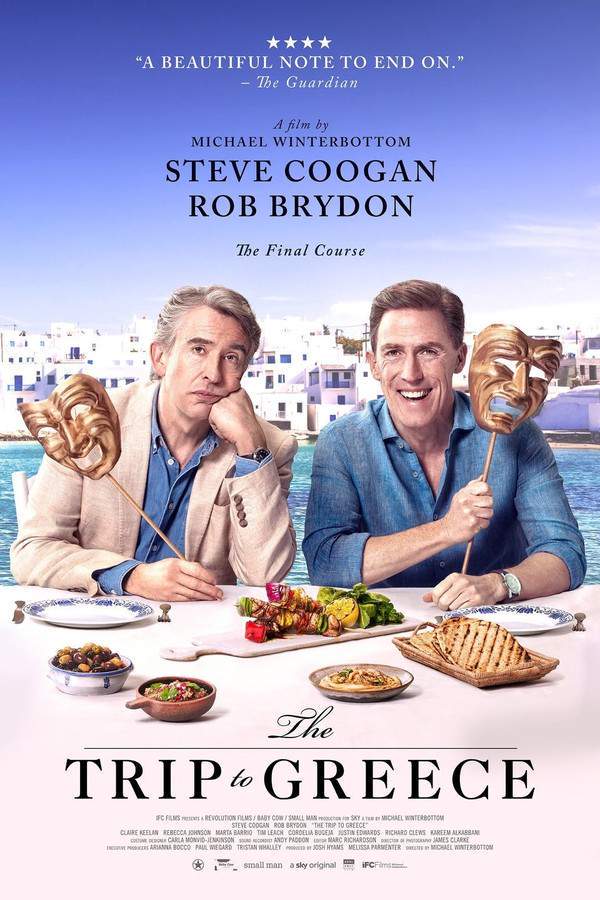
The Trip to Greece (2020) Plot Summary & Ending Explained
Grecia (2018) Full Movie Breakdown
Athens 2004: Olympic Opening Ceremony (Games of the XXVIII Olympiad) (2004) Movie Recap & Themes
Beware of Greeks Bearing Guns (2000) Full Movie Breakdown
What a Mess (1982) Complete Plot Breakdown
Seven Minutes of Soul (2020) Film Overview & Timeline
The First Olympics: Athens 1896 (1000) Film Overview & Timeline
Made in Greece (1987) Plot Summary & Ending Explained
The Trip (1962) Story Summary & Characters
Windfall in Athens (1954) Full Movie Breakdown
An Italian girl from Kypseli (1968) Ending Explained & Film Insights
Greek Pride (1968) Ending Explained & Film Insights
Up, Down and Sideways (1992) Full Summary & Key Details
The Greeks Had a Word for Them (1932) Movie Recap & Themes
Date In The Air (1966) Full Summary & Key Details