
Island of the Blue Dolphins
Year: 1964
Runtime: 93 mins
Language: English
Director: James B. Clark
After a hostile white trapper kills her father, Karana leaves her Pacific island with her tribe. Discovering her younger brother was left behind, she swims back alone to survive on the deserted island. She befriends a wolf, hunts for food and confronts wildlife, including wild dogs that kill her brother, forging a resilient existence.
Warning: spoilers below!
Haven’t seen Island of the Blue Dolphins yet? This summary contains major spoilers. Bookmark the page, watch the movie, and come back for the full breakdown. If you're ready, scroll on and relive the story!
Island of the Blue Dolphins (1964) – Full Plot Summary & Ending Explained
Read the complete plot breakdown of Island of the Blue Dolphins (1964), including all key story events, major twists, and the ending explained in detail. Discover what really happened, and what it all means.
In 1835, a ship crewed by Russian fur hunters and Aleut Captain sails to an island off the southern California coast to hunt sea otters. The crew makes a deal with the Nicoleño people living in the village of Ghalas-at for permission to hunt on their lands, but they later try to depart without paying. The hunters are confronted by the village chief and respond with violence. In the ensuing skirmish, most of the Nicoleños are slain, forcing the survivors to flee the island.
Karana realizes that her 6-year-old brother, Ramo, has been left behind and returns to the island. Left alone together, Karana and Ramo are menaced by a pack of wild dogs. The most ferocious of the dogs kills Ramo, and Karana teaches herself archery to hunt the dog. She fires an arrow at the creature, but after the kill she takes pity on it and nurses it back to health. The dog becomes her companion, and he is soon named Rontu, marking a deep bond between them.
When another group of hunters arrives on the island, Karana hides. Tutok, a girl from that group, finds her and tries to befriend her, but Karana remains wary and chooses not to trust anyone easily. Years pass, and [Rontu] dies of old age, leaving Karana bereft. She discovers a wild dog that resembles Rontu and names him Rontu-Aru, meaning “son of Rontu.”
A boat carrying a missionary arrives, and this time Karana decides to open herself to strangers. She gathers her animals—Rontu-Aru and several wild birds she has trained to stay with her—and, with a mix of hope and resolve, prepares to leave the island behind.
Last updated: March 05, 2026 at 18:41
Island of the Blue Dolphins (1964) Plot Questions Answered – Summary FAQ
Explore frequently asked questions about Island of the Blue Dolphins (1964) with spoiler-rich answers covering the full plot summary, major story beats, character motivations, hidden details, and ending meaning. This movie summary FAQ helps explain confusing scenes, plot twists, and narrative decisions in clear, searchable detail.
Why does Karana return to the island alone after the tribe leaves?
Karana realizes her six-year-old brother Ramo was left behind during the chaotic evacuation after the Aleut hunters attacked. Despite the danger, she voluntarily swims back to the island to find him and keep him safe, showing her fierce loyalty to family.
Why does Karana spare the dog that killed her brother?
After shooting the fierce dog with an arrow to defend herself and Ramo, Karana sees the wounded animal suffering and feels pity. She nurses it back to health instead of killing it, choosing mercy over revenge. This act of compassion eventually forms the foundation of her deep bond with the dog she names Rontu.
What does the name Rontu-Aru mean?
Aru means "son" in the Nicoleño language. When Karana finds a wild dog that resembles Rontu years after his death, she names him Rontu-Aru, which translates to "son of Rontu" or "Rontu's child." This naming represents her desire to maintain a living connection to her beloved first companion.
Why does Karana decide to leave the island with the missionaries?
After years of isolation, Karana chooses to trust the missionaries because she has grown ready to open herself to the world again. She gathers her animals, Rontu-Aru and the birds she trained, and decides to leave, stepping toward an uncertain but hopeful future beyond the island.
Earlier, she hid from the hunting party and refused Tutok's friendship, showing her initial mistrust of outsiders.
Why do the Aleut hunters attack the Nicoleño people?
The Russian fur hunters and Aleuts arrive to hunt sea otters and make a deal with the Nicoleño for permission to hunt on their lands. When they try to sail away without paying, the village chief confronts them. The hunters respond with violence, killing most of the Nicoleño and forcing the survivors to flee.
How does Karana survive alone on the island for years?
Karana teaches herself essential survival skills: she learns to hunt with a bow and arrow, gathers food from the sea and land, and builds shelter for protection against the elements. Her bond with Rontu provides both companionship and practical help with hunting, while her determination and resilience sustain her through the isolated years.
Why does Karana train birds to stay with her on the island?
Over the years, Karana forms bonds with several wild birds and teaches them to stay with her. These birds become her companions, providing her with purpose and connection during her long isolation. When she leaves the island, she takes them with her, showing the depth of relationships she developed with the island's wildlife.
Why does Karana reject Tutok's friendship when the second hunting party arrives?
After experiencing the violence of the first hunting party and losing her brother, Karana becomes wary of outsiders. When Tutok, a girl from the second group, tries to befriend her, Karana hides and refuses to trust anyone easily. Her caution reflects the trauma she has endured and her protective instincts developed from years of survival alone.
How does Rontu's death affect Karana after years of companionship?
After years of surviving together on the island, Rontu dies of old age, leaving Karana devastated. This loss compounds her isolation and grief, as Rontu had become her closest companion and source of emotional support. The death underscores the solitary nature of her existence and the challenges she faces continuing without her faithful friend.
How does Karana protect herself from the wild dogs and other dangers?
After Ramo is killed by the fierce pack of wild dogs, Karana teaches herself archery to defend against predators. She builds her shelter in a location that offers natural protection, likely on higher ground or near rocky formations that deter the dogs. Her resourcefulness in creating weapons and choosing safe shelter is essential to her survival.
What happens to Ramo on the island after Karana returns?
Shortly after Karana returns to the island to find Ramo, the boy is killed during a confrontation with the pack of wild dogs. The fiercest dog attacks and kills the six-year-old, leaving Karana alone to face the dangers of the island. This tragedy forces her to continue surviving without her brother and shapes her decision to confront and befriend the dogs.

Explore Movie Threads
Discover curated groups of movies connected by mood, themes, and story style. Browse collections built around emotion, atmosphere, and narrative focus to easily find films that match what you feel like watching right now.
Solitary survival movies like Island of the Blue Dolphins
Stories of individuals forging a life alone against the elements.Find more movies like Island of the Blue Dolphins about resilient individuals surviving alone in the wild. These films share themes of isolation, self-reliance, and the powerful bond between humans and nature in a fight for existence.

Against the Wild
2013

Alaska
1996

Alpha
2018

The Bear
1989

Grizzly Falls
2000

Alone Yet Not Alone
2013
Island of the Blue Dolphins
1964

White Fang
1991

The Wild Country
1970

The Riddle of the Stinson
1988
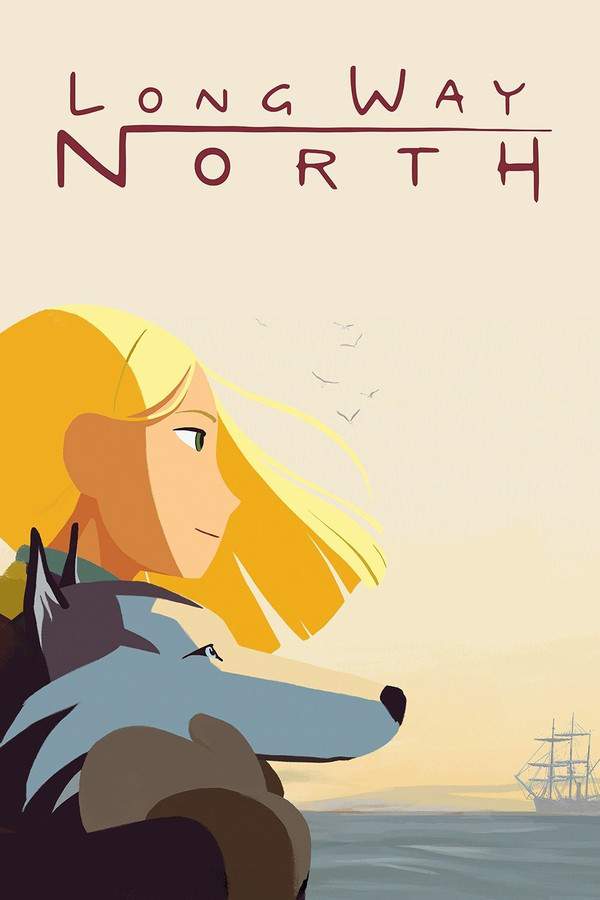
Long Way North
2016

180° South
2010

Druid Peak
2014

True Spirit
2023

White Wolves II: Legend of the Wild
1995
Narrative Summary
Narratives in this thread typically begin with a character thrust into isolation, often due to a catastrophic event. The plot follows their methodical process of securing shelter, food, and safety, charting a journey from desperation to competence. The emotional arc moves from fear and grief towards acceptance and a deep, hard-won connection with the solitary world they now inhabit.
Why These Movies?
These movies are grouped together because they all center on the visceral, step-by-step experience of surviving alone. They share a steady, deliberate pacing that allows the viewer to feel the weight of each decision and the passage of time. The tone is a consistent mix of melancholic reflection and hopeful perseverance, creating a specific, immersive viewing experience.
Movies about healing animal bonds like Island of the Blue Dolphins
Emotional journeys where animal companions help mend a broken spirit.If you loved the bond between Karana and Rontu in Island of the Blue Dolphins, explore these movies. They feature heartfelt stories where an animal helps a character heal from grief and loss, emphasizing themes of companionship and emotional recovery.

Dog Days
2018

Dog Gone
2023

Black Beauty
2020

Lassie
1994
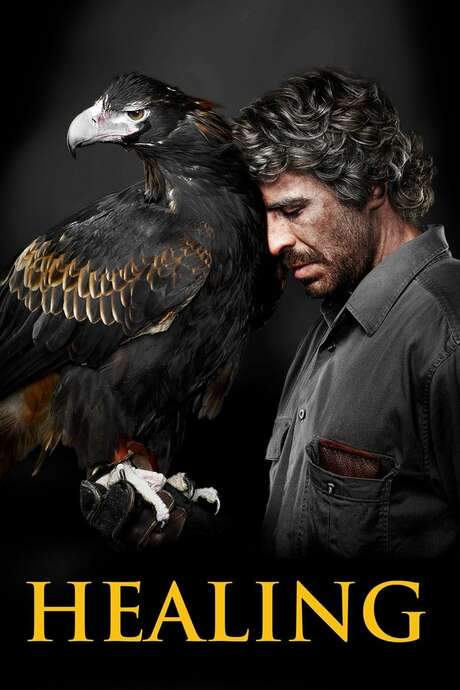
Healing
2014

Darling Companion
2012

Dog
2022

A Dog’s Best Friend
1959

Dolphin Tale
2011

The Starling
2021

Homeward Bound: The Incredible Journey
1993

We Bought a Zoo
2011

The Courage of Kavik, the Wolf Dog
1980

Virginia’s Run
2002

The Rogue Stallion
1990
Narrative Summary
The narrative pattern begins with a character experiencing a significant loss, leaving them isolated in their grief. The introduction of an animal companion provides a new focus, shifting the story from pure sorrow to a journey of mutual care. The relationship deepens over time, symbolizing the character's gradual healing and their regained ability to trust and love, often leading to a hopeful resolution.
Why These Movies?
These films are united by their central theme of an animal-human bond as a source of therapeutic healing. They share a medium emotional weight, balancing the sadness of initial loss with the uplifting warmth of the ensuing friendship. The tone is consistently hopeful, and the pacing is steady, allowing the relationship to develop naturally and meaningfully.
Unlock the Full Story of Island of the Blue Dolphins
Don't stop at just watching - explore Island of the Blue Dolphins in full detail. From the complete plot summary and scene-by-scene timeline to character breakdowns, thematic analysis, and a deep dive into the ending - every page helps you truly understand what Island of the Blue Dolphins is all about. Plus, discover what's next after the movie.
Island of the Blue Dolphins Timeline
Track the full timeline of Island of the Blue Dolphins with every major event arranged chronologically. Perfect for decoding non-linear storytelling, flashbacks, or parallel narratives with a clear scene-by-scene breakdown.

Characters, Settings & Themes in Island of the Blue Dolphins
Discover the characters, locations, and core themes that shape Island of the Blue Dolphins. Get insights into symbolic elements, setting significance, and deeper narrative meaning - ideal for thematic analysis and movie breakdowns.


Similar Movies to Island of the Blue Dolphins
Discover movies like Island of the Blue Dolphins that share similar genres, themes, and storytelling elements. Whether you’re drawn to the atmosphere, character arcs, or plot structure, these curated recommendations will help you explore more films you’ll love.









Explore More About Movie Island of the Blue Dolphins
Island of the Blue Dolphins (1964) Scene-by-Scene Movie Timeline
Island of the Blue Dolphins (1964) Movie Characters, Themes & Settings
Island of the Blue Dolphins (1964) Spoiler-Free Summary & Key Flow
Movies Like Island of the Blue Dolphins – Similar Titles You’ll Enjoy
Isle of Dogs (2018) Story Summary & Characters
Eight Below (2006) Story Summary & Characters
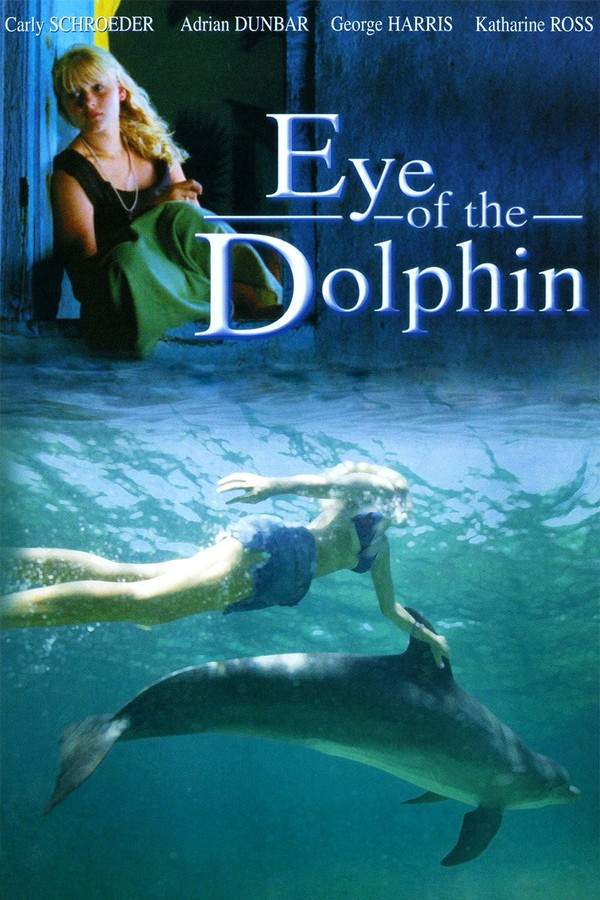
Eye of the Dolphin (2007) Complete Plot Breakdown
Dolphin Tale (2011) Ending Explained & Film Insights
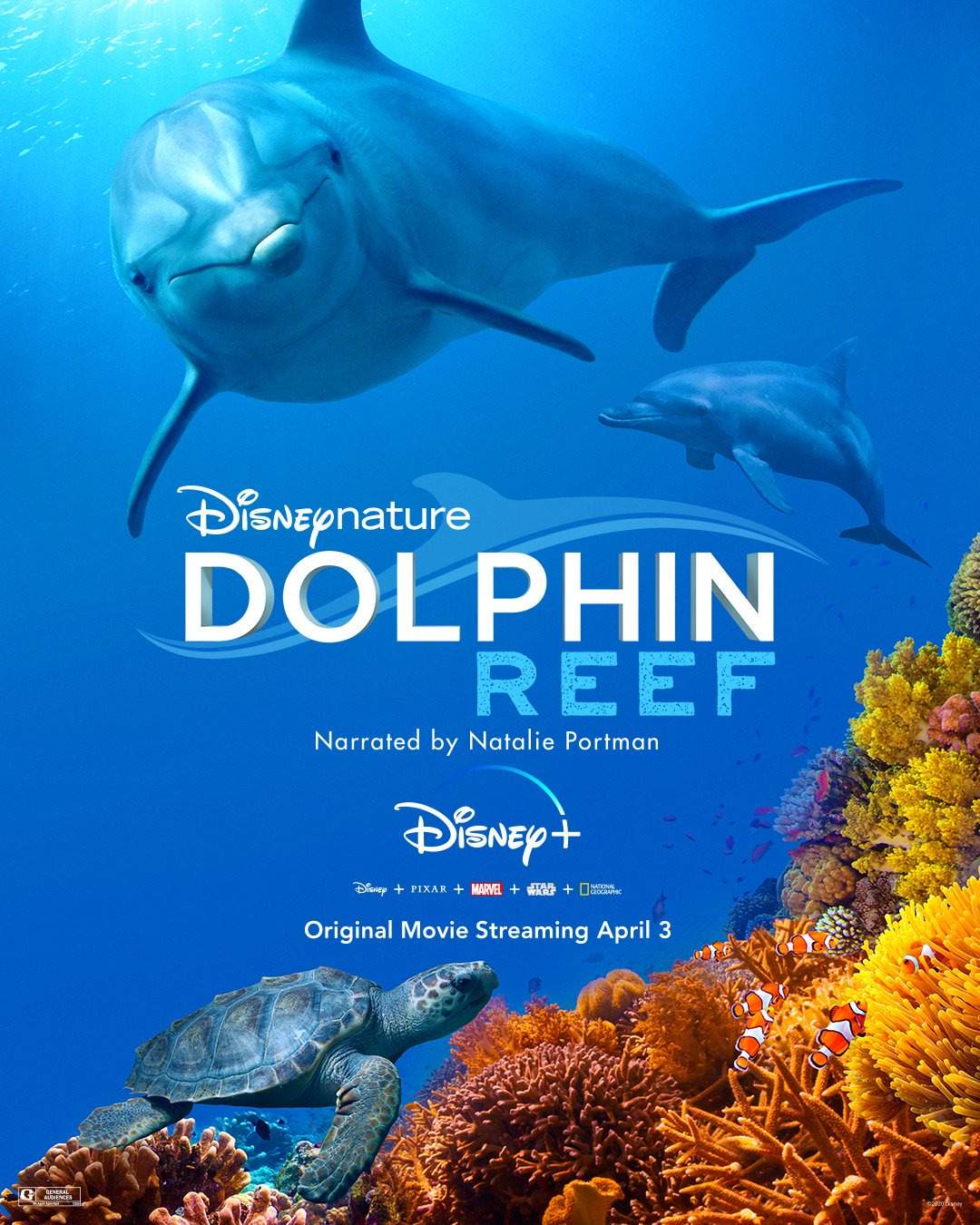
Dolphin Reef (2020) Plot Summary & Ending Explained
Dolphin Kick (2019) Movie Recap & Themes
A Ilha dos Cães (2017) Movie Recap & Themes
Blue Dog (2018) Story Summary & Characters
Islander (2006) Detailed Story Recap
Blue Island (1982) Spoiler-Packed Plot Recap
Antarctica (1983) Full Movie Breakdown
The Sea Gypsies (1978) Film Overview & Timeline
The Blue Lagoon (1949) Spoiler-Packed Plot Recap
Island of the Lost (1967) Complete Plot Breakdown
Beyond the Blue Horizon (1942) Full Movie Breakdown