Plot Explained Spoilers guaranteed!
Plot Explained

Browse by genre

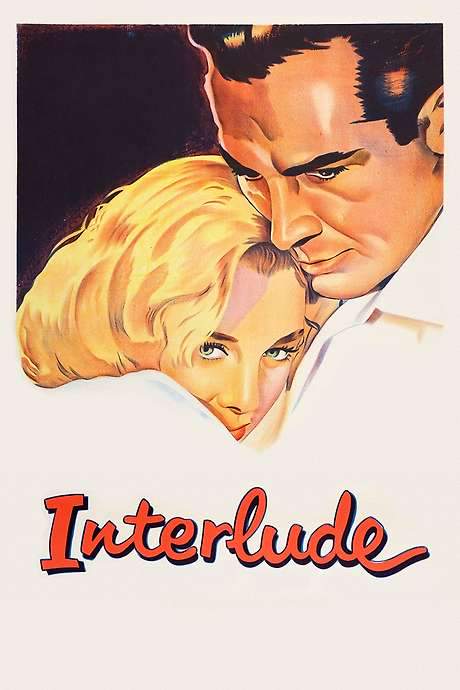
Interlude (1957) movie poster

Characters & Themes

Interlude (1957) Characters, Setting & Themes Explained

Release, runtime and language
1957 · 90 mins · English
Directed by
Douglas Sirk
Starring
Rossano Brazzi, Marianne Koch, June Allyson, Paul Cavanagh, Frances Bergen, Keith Andes

a story of love … for lovers! A young woman touring Germany is caught between a married symphony conductor and a doctor from back home.

On this page (7)
  1. 1 Characters explained (5)
  2. 2 Where & when it takes place
  3. 3 Themes & meaning (3)
  4. 4 Character & meaning questions
  5. 5 Movie threads
  6. 6 Movies like Interlude
  7. 7 Every angle

5 main characters · contains spoilers

Interlude Characters Explained: Who Is Who

The main characters of Interlude (1957), heroes and villains: what drives them, how they change over the course of the story and what each of them reveals about the film's bigger ideas.

  • Tonio Fischer (Rossano Brazzi)

    A renowned symphony conductor who is married to Reni. He grapples with a powerful attraction to Helen, balancing charisma with underlying insecurity. His actions reveal a conflict between professional integrity and personal longing, ultimately testing his commitments.

    • 🎼 Music
    • 💔 Infidelity
    • 🧭 Moral Dilemma
  • Reni Fischer (Marianne Koch)

    Tonio’s wife, depicted as mentally ill, whose fragility shapes the emotional atmosphere around her marriage. Her condition complicates her relationship with Tonio and influences the choices Helen must make. She embodies vulnerability and the consequences of untreated suffering.

    • 💔 Infidelity
    • 🧠 Mental Health
    • 👰 Wife
  • Helen Banning (June Allyson)

    An American who relocates to Munich for a new cultural job. Independent and wary of romance, she becomes entangled with Tonio, then faces a painful decision about fidelity and happiness. Her arc centers on self-respect and choosing a path that aligns with her values.

    • 💃 American
    • 💔 Romance
    • 🧭 Identity
  • Prue Stubbins (Jane Wyatt)

    Helen’s boss at the cultural agency who introduces her to Tonio. Practical and professional, she guides Helen while avoiding unnecessary entanglements, representing the sensible voice in a tense emotional landscape.

    • 💼 Professional
    • 🧭 Boundaries
    • 🎭 Mentorship
  • Comtesse Reinhart (Françoise Rosay)

    The wealthy mistress of the Reinhart estate who urges Helen to follow her heart. She embodies a maternal yet manipulative influence, recognizing human longing while maintaining social poise. Her presence adds a layer of aristocratic tension to the relationships at play.

    • 🏰 Aristocracy
    • 💬 Guidance
    • 🎭 Influence

Last updated: February 19, 2026 at 09:25

Was this helpful?

Setting

Where and When Does Interlude Take Place?

The setting of Interlude (1957): the year and time period, the places and locations, and how they shape the characters, the mood and the tension of the story.

Time period

1950s

The film sits in the postwar European context of the 1950s, a period of cultural renewal and quiet social change. The era’s emphasis on rebuilding careers and personal lives provides a backdrop for music, marriage, and moral choices. The atmosphere blends sophisticated urban life with intimate melodrama, reflecting the era’s shifting norms.

Location

Munich, Germany, Salzburg, Austria, Reinhart Estate, Germany

The story unfolds primarily in Munich, a cultural hub of postwar Europe, with pivotal scenes at the Reinhart estate. Munich’s refined arts world contrasts with intimate, private spaces where personal entanglements play out. A day trip to Salzburg anchors the narrative in a famed classical music milieu, underscoring the characters’ artistic aspirations and emotional tensions.

  • 🏛️ European City
  • 🎼 Music Scene
  • 🏰 Estate Setting

Last updated: February 19, 2026 at 09:25

Was this helpful?

3 major themes

Interlude Meaning: Themes & Message Explained

What is Interlude (1957) really about? The emotional, social and philosophical themes the film keeps returning to, its symbolism and the message beneath the surface.

  • Forbidden Love

    Love crosses moral boundaries as Helen is drawn to Tony despite his marriage to Reni. The affair exposes vulnerabilities and exposes the limits of social propriety. The characters’ desires collide with duty, forcing painful choices and consequences. The theme centers on the costs of pursuing passion at the expense of others’ well-being.

  • Duty vs Desire

    Tony’s commitments to his wife clash with his attraction to Helen, highlighting the tension between personal happiness and marital duty. Reni’s fragility adds a moral weight to decisions, challenging each character’s sense of responsibility. The narrative probes whether desire can or should override obligations to family and society. The resolution tests the limits of forgiveness and self-control.

  • Music & Emotion

    Music functions as both backdrop and catalyst, shaping relationships and mood. The conductor’s artistry mirrors his inner turmoil, while the Salzburg encounter intensifies emotional stakes. The orchestral world provides a refined setting where passion and vulnerability surface. Romantic chords and piano moments become metaphors for longing and reconciliation.

Last updated: February 19, 2026 at 09:25

Was this helpful?

Character & theme questions

Interlude Characters & Meaning: Your Questions Answered

The questions people ask about Interlude (1957): who the characters really are, their relationships, what the symbols mean, where it takes place and what the movie is really about. Each answer contains spoilers.

Q1

Where does the story take place?

The film is set primarily in Munich, the cultural hub of postwar Germany, with important scenes at the Reinhart estate. A key day trip to Salzburg anchors the narrative in a famous classical music setting, reflecting the characters' artistic aspirations and emotional tensions.

  • munich
  • salzburg
  • germany
  • settings
  • locations
  • postwar europe
Q2

What time period is the film set in?

Interlude is set in the 1950s, during the postwar European period of cultural renewal and quiet social change. The era's focus on rebuilding careers and personal lives provides the backdrop for themes of music, marriage, and moral choices.

  • 1950s
  • postwar
  • era
  • time period
  • 1950s europe
Q3

What are the main themes?

The film explores three interconnected themes: forbidden love as Helen is drawn to the married Tonio, duty versus desire as characters balance personal happiness with marital obligation, and music as both backdrop and catalyst for emotional expression. These themes interweave to examine the costs of pursuing passion at the expense of others.

  • themes
  • forbidden love
  • duty
  • desire
  • music
  • emotion
  • morality
Q4

What does the forbidden love theme explore?

The forbidden love theme centers on Helen's attraction to Tony despite his marriage to Reni. The affair exposes vulnerabilities and reveals the limits of social propriety, forcing painful choices as the characters' desires collide with duty.

  • forbidden love
  • affair
  • morality
  • Helen
  • Tony
  • Reni
Q5

What is the duty versus desire conflict about?

Tony's commitment to his wife Reni clashes with his attraction to Helen, highlighting the tension between personal happiness and marital duty. Reni's fragility adds moral weight to the decisions, challenging each character's sense of responsibility and probing whether desire can override obligations.

  • duty
  • desire
  • marriage
  • obligation
  • Tony
  • Reni
  • responsibility
Q6

How does music function in the story?

Music serves as both backdrop and catalyst throughout the film. Tony's conducting mirrors his inner turmoil, while the Salzburg setting intensifies emotional stakes. The orchestral world provides a refined setting where passion and vulnerability surface, with musical moments becoming metaphors for longing and reconciliation.

  • music
  • orchestra
  • conductor
  • Salzburg
  • emotion
  • Tony
Q7

Who is the conductor in the film?

Tonio Fischer is a renowned symphony conductor married to Reni. He grapples with powerful attraction to Helen, balancing his charisma with underlying insecurity. His arc reveals a conflict between professional integrity and personal longing, ultimately testing his commitments to his family.

  • Tonio Fischer
  • conductor
  • symphony
  • married
  • Helen
Q8

Who is Tonio's wife?

Reni Fischer is Tonio's wife, depicted as mentally ill whose fragility shapes the emotional atmosphere of the marriage. Her condition complicates her relationship with Tonio and directly influences the difficult choices Helen must make, embodying vulnerability and the consequences of untreated suffering.

  • Reni Fischer
  • wife
  • mental illness
  • fragility
  • marriage
Q9

Who is the American woman in the story?

Helen Banning is an American who relocates to Munich for a cultural job. Independent and wary of romance, she becomes entangled with Tonio and faces a painful decision about fidelity and happiness. Her arc centers on self-respect and choosing a path that aligns with her values.

  • Helen Banning
  • American
  • Munich
  • independence
  • choice
Q10

What role does the Comtesse play?

The Comtesse Reinhart is the wealthy mistress of the Reinhart estate who urges Helen to follow her heart. She embodies a maternal yet manipulative influence, recognizing human longing while maintaining social poise. Her presence adds aristocratic tension to the relationships unfolding at the estate.

  • Comtesse Reinhart
  • estate
  • aristocrat
  • influence
  • manipulative
Q11

How do the film's locations contrast with each other?

Munich represents the refined arts world of postwar Europe where the main characters' entanglements play out in intimate, private spaces. Salzburg provides a famed classical music milieu that underscores the characters' artistic aspirations and heightens emotional tensions through its prestigious musical heritage.

  • Munich
  • Salzburg
  • contrast
  • settings
  • music
  • arts

Movie threads

More Movies Like Interlude, by Mood & Story

Curated lists built around what makes Interlude tick: the same mood, the same kind of story or the same emotional payoff. Each list explains why these movies belong together.

Bittersweet romances with impossible choices like Interlude

Romantic stories where duty and desire clash, leading to a poignant, bittersweet end. If you enjoyed the emotional turmoil and bittersweet resolution of Interlude, explore these movies featuring passionate but doomed love affairs. These stories focus on the painful, mature choice between following one's heart and upholding a solemn duty, often involving a love triangle or a significant moral dilemma.

  • bittersweet
  • impossible love
  • moral dilemma
  • melancholic romance
  • self-sacrifice
  • emotional conflict
  • Tone: melancholic, bittersweet
  • Pacing: steady, character-driven
Why these movies?

The story pattern: The narrative pattern follows characters who find deep, genuine love in a situation where it cannot last. The story builds around the growing intensity of their connection and the escalating pressure of the external constraints—be it a marriage, societal expectations, or a personal vow. The climax is typically not an external event, but an internal decision where a character chooses sacrifice over personal happiness, resulting in a poignant and emotionally resonant ending.

Why they belong together: These films are grouped together because they share a specific emotional core: the experience of a beautiful but painful love story that ends with a mature, selfless choice. The shared mood is a mix of deep romance, melancholy, and the sobering weight of responsibility, creating a specific type of bittersweet catharsis for the viewer.
Melancholic character dramas of moral conflict like Interlude

Character-driven stories exploring the somber weight of difficult ethical decisions. For viewers who appreciated the serious, contemplative mood of Interlude, this section highlights films centered on personal moral dilemmas. These movies share a steady pace, a melancholic tone, and a deep focus on the emotional consequences of impossible choices, often involving themes of fidelity, mental health, and sacrifice.

  • melancholic
  • moral dilemma
  • somber
  • character-driven
  • psychological
  • thoughtful
  • Tone: somber, melancholic, thoughtful
  • Pacing: steady, deliberate
Why these movies?

The story pattern: These narratives unfold in a linear, deliberate manner, allowing space to explore the protagonist's dilemma from all angles. The plot is driven by conversations, introspection, and the gradual realization of the consequences of each potential choice. There are rarely easy answers, and the resolution often leaves characters—and the audience—with a sense of sober reflection rather than clear-cut happiness or despair.

Why they belong together: These movies are united by their shared atmosphere and thematic focus. The combination of a melancholic tone, medium emotional intensity, and a steady, character-driven pace creates a specific viewing experience: thoughtful, somber, and deeply engaged with the protagonist's ethical struggle.

If you liked this

Movies Like Interlude

Similar movies to Interlude: the same genre, themes or kind of story. Each one comes with its own plot summary, timeline and ending explained.

Browse all movie summaries

Every angle

Interlude (1957) Explained: Plot, Timeline & Characters

Everything about Interlude in one place: what happens in the plot summary, the timeline in chronological order, the characters and meaning and a spoiler-free summary. What's After the Movie adds the cast, box office and post-credit scenes.

Coming soon on iOS and Android

The Plot Explained Movie Summary App

Plot summaries, endings explained and timelines on your phone. Catch up on any movie in minutes, save your favorites and never miss a twist again.

Be the first to know when we launch. Your email stays private, always.

Learn more about the app