















Plot Explained Spoilers guaranteed!
Plot Explained

Browse by genre

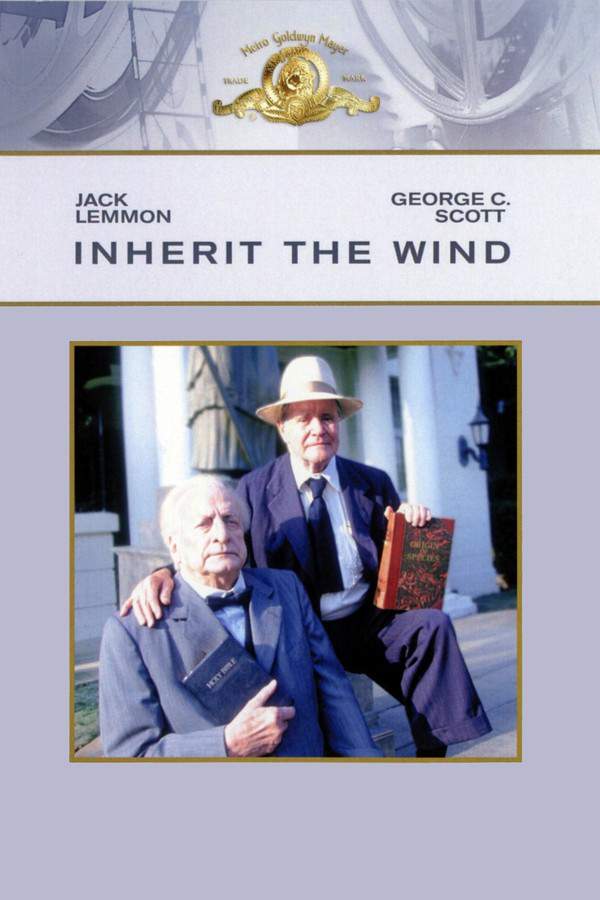
Inherit the Wind (1960) movie poster

Timeline

Inherit the Wind (1960) Timeline Explained – Every Event in Order

Release, runtime and language
1960 · 128 min · English
JustWatch #2,602 33
Directed by
Stanley Kramer
Starring
Claude Akins, Harry Morgan, Donna Anderson, Fredric March, Spencer Tracy, Dick York

In 1925 Tennessee, a community is thrown into turmoil when a teacher is put on trial for teaching evolution. The case draws national attention, pitting the respected lawyer Henry Drummond against the fervent evangelist Matthew Harrison Brady. Drummond defends the teacher, challenging the town’s deeply held beliefs and sparking a heated debate about the balance between faith, reason, and the freedom to learn. The courtroom battle explores the complexities of scientific inquiry and the power of individual conviction.

On this page (6)
  1. 1 Where to watch
  2. 2 Events in order (14)
  3. 3 Timeline questions answered
  4. 4 Movie threads
  5. 5 Movies like Inherit the Wind
  6. 6 Every angle

Where to watch

Where to Watch Inherit the Wind (1960)

Where can you watch Inherit the Wind? Stream, rent or buy it in the US, including on Amazon Prime Video, fuboTV and MGM Plus: current JustWatch availability with up-to-date prices.

Streaming availability powered by JustWatch

14 events in order · contains spoilers

Inherit the Wind Timeline: Events in Chronological Order

Every key event of Inherit the Wind (1960) in order, scene by scene, with when and where it takes place. Use it to untangle flashbacks, time jumps and parallel storylines, to refresh your memory before the sequel or to find the exact scene you are thinking of.

  1. Bertram Cates' Arrest

    In 1925, Bertram Cates, a schoolteacher in Tennessee, is arrested for teaching Darwin's theory of evolution to his students. This act of defiance against the law sparks a major conflict between science and religion in the small town.

    When
    1925
    Where
    Tennessee
  2. National Attention on the Trial

    Cates' trial for teaching evolution gains national attention, becoming a focal point in the debate over science and religion in American schools. The media coverage turns the trial into a spectacle, drawing in public interest far beyond the town's borders.

    Where
    Tennessee
  3. E.K. Hornbeck Arrives

    E.K. Hornbeck, a sharp-witted newspaper reporter, arrives in town to cover the trial. He quickly becomes embroiled in the events, using his influences to highlight the absurdity of the situation and mocking the townspeople's rigid beliefs.

    Where
    Tennessee
  4. Henry Drummond Defends Cates

    Renowned defense attorney Henry Drummond, an outspoken atheist, is brought in to lead Cates' defense. His reputation and dedication to defending intellectual freedom creates a dramatic showdown with the prosecution.

    Where
    Tennessee
  5. Matthew Brady Takes the Stand

    The prosecution, led by Matthew Brady, a well-known evangelist and former presidential candidate, enters the courtroom with a strong public profile. His religious zeal sets the stage for a heated confrontation with Drummond.

    Where
    Tennessee
  6. Clash of Old Adversaries

    As the trial unfolds, Drummond and Brady, who are old rivals, engage in intense exchanges in court. Their long-standing animosity fuels their legal battle, making it not just a trial but a personal vendetta.

    Where
    Tennessee
  7. Cates' Girlfriend's Dilemma

    Cates’ girlfriend, the daughter of the town preacher, finds herself torn between her love for Cates and her father's strict religious beliefs. This internal conflict highlights the broader societal tensions regarding faith and reason.

    Where
    Tennessee
  8. Drummond Calls Brady to the Stand

    In a bold move, Drummond calls Brady to testify on the stand. He challenges him to explain various biblical stories, like Jonah and the whale, forcing Brady to contemplate the complexities of faith versus interpretation.

    Where
    Tennessee
  9. Brady's Concession

    Under Drummond's relentless questioning, Brady is eventually rattled and concedes that some biblical accounts require interpretation rather than literal belief. This moment signifies a crack in the unwavering faith that Brady represents.

    Where
    Tennessee
  10. Drummond's Defense of Cates

    With Brady's concession, Drummond powerfully asserts that Cates has the right to his beliefs, regardless of popular opinion. He argues passionately for intellectual freedom and the importance of diverse perspectives in a democratic society.

    Where
    Tennessee
  11. Brady's Collapse

    The stress of the trial and the intense scrutiny from Drummond lead to Brady collapsing in the courtroom. This moment is both a physical manifestation of his mental strain and an indication of the personal toll the trial is taking on him.

    Where
    Tennessee
  12. The Verdict

    Despite Drummond's compelling defense, the judge issues a $100 fine against Cates for violating the law. This outcome elicits disappointment and outrage from many observers, reflecting the societal divisions surrounding the case.

    Where
    Tennessee
  13. Aftermath of the Trial

    In the wake of the trial, Cates and Drummond reflect on the proceedings and the significant implications for society. The trial's outcome leaves lasting changes in how evolution and religion are viewed in education and law.

    Where
    Tennessee
  14. Public Reaction

    The community's reaction to the trial is mixed, with some supporting Cates and Drummond while others align with Brady and the local religious authorities. This polarization marks a pivotal moment in the dialogue between faith and reason in America.

    Where
    Tennessee

Last updated: January 19, 2025 at 18:49

Was this helpful?

Timeline questions answered

Inherit the Wind Timeline Explained: Your Questions Answered

When does it happen, and why in that order? The questions people ask about the chronology of Inherit the Wind (1960): time jumps, flashbacks, cause and effect between scenes and the correct order of events, each answered with spoilers.

Q1

Why was Bertram Cates arrested?

Bertram Cates was arrested for teaching Darwin's theory of evolution to his students in a Tennessee public school, which violated the state's Butler Act that prohibited the teaching of evolution in public schools. This act of defiance against the law caught national attention and became the central case of the 1925 Scopes Monkey Trial.

  • bertram cates
  • arrest
  • evolution
  • scopes trial
  • tennessee
Q2

Why did Henry Drummond agree to defend Cates?

Henry Drummond, a renowned defense attorney and outspoken atheist, agreed to defend Cates because he believed strongly in intellectual freedom and the right to pursue scientific inquiry. E.K. Hornbeck recruited Drummond to take the case, seeing him as the perfect counter to prosecutor Matthew Brady, with whom Drummond had a long-standing rivalry.

  • henry drummond
  • defense attorney
  • intellectual freedom
  • evolution
Q3

Why did Matthew Brady prosecute the case?

Matthew Brady prosecuted the case because he was a renowned evangelist and former presidential candidate who strongly opposed the teaching of evolution. He saw the trial as an opportunity to defend his deeply held religious beliefs and the biblical literalism that the town of Tennessee represented. The case became both a personal vendetta and a platform for his ideological crusade.

  • matthew brady
  • prosecutor
  • evangelist
  • faith
  • biblical literalism
Q4

Why did Drummond call Brady to the stand?

Drummond called Brady to the stand as a strategic legal move to challenge the prosecution's religious arguments. By questioning Brady about biblical stories like Jonah and the whale, Drummond aimed to demonstrate that even a devout Biblical Literalist like Brady could not defend a strictly literal interpretation of all Scriptural accounts, thereby undermining the prosecution's case against teaching evolution.

  • brady on the stand
  • bible interpretation
  • jonah whale
  • biblical literalism
Q5

Why did Brady concede that some biblical events require interpretation?

Under Drummond's relentless questioning on the stand, Brady was forced to acknowledge that some biblical accounts, such as the story of Jonah and the whale, require intellectual interpretation rather than strict literal belief. This concession was a pivotal moment that weakened the prosecution's position and allowed Drummond to argue that Cates had the right to hold a different perspective regarding the Book of Genesis.

  • bible interpretation
  • genesis
  • jonah whale
  • brady concession
Q6

Why did Matthew Brady collapse in court?

Matthew Brady collapsed in the courtroom due to the overwhelming physical and emotional strain of the trial. The intense questioning from Drummond, combined with the mental toll of having his religious convictions challenged publicly and his need to concede points on biblical interpretation, caused Brady to succumb to the pressure, resulting in a dramatic physical breakdown.

  • brady collapse
  • trial stress
  • emotional breakdown
  • courtroom
Q7

What was the verdict in the trial?

The judge imposed a modest fine of $100 on Bertram Cates for violating the Butler Act by teaching evolution. While this was technically a conviction, the minimal sentence was seen as a disappointment to those who wanted harsh punishment, and it was widely viewed as a pyrrhic victory for the prosecution given the national attention the case received.

  • verdict
  • fine
  • $100
  • butler act
  • scopes trial outcome
Q8

What was the significance of the Scopes Trial?

The trial became a national spectacle that represented a broader clash between tradition and progress in American society. It highlighted the tension between religious fundamentalism and scientific inquiry, ultimately sparking a nationwide debate about the freedom to learn, the role of science in education, and the balance between faith and reason in American culture.

  • social significance
  • faith vs reason
  • science education
  • american culture
Q9

What was E.K. Hornbeck's role in the trial?

E.K. Hornbeck was a sharp-witted newspaper reporter who arrived in town to cover the trial. He played a crucial role by enlisting Henry Drummond to defend Cates and used his platform to mock the townspeople's rigid beliefs while highlighting the absurdity of the situation. His sardonic commentary provided much of the film's humor while he served as a catalyst for the legal confrontation.

  • ek hornbeck
  • reporter
  • newspaper
  • media coverage
Q10

Why was Cates' girlfriend conflicted about the trial?

Cates' girlfriend was the daughter of the town's preacher, which put her in a painful position between her personal love for Cates and her father's strict religious beliefs. This subplot reflected the broader societal tensions between faith and reason, as she was torn between supporting the man she loved and honoring her family's deeply held religious convictions.

  • cates girlfriend
  • preacher daughter
  • family conflict
  • faith vs love
Q11

Why did Drummond show compassion for Brady despite their conflict?

Despite their fierce courtroom battle, Drummond displayed compassion for Brady because he recognized the genuine nature of Brady's beliefs. Drummond understood that the trial was taking a personal toll on Brady and acknowledged that faith, even when he disagreed with it, deserved a degree of respect. This moment highlighted the film's nuanced exploration of the complexities surrounding faith and reason.

  • drummond compassion
  • brady respect
  • faith and reason
  • complex beliefs

Movie threads

More Movies Like Inherit the Wind, by Mood & Story

Curated lists built around what makes Inherit the Wind tick: the same mood, the same kind of story or the same emotional payoff. Each list explains why these movies belong together.

Movies with powerful ideological courtroom clashes like Inherit the Wind

Legal battles where the real conflict is a fundamental clash of ideas. If you enjoyed the intense legal and philosophical battle in Inherit the Wind, you'll find similar stories here. This collection features movies like Inherit the Wind where courtroom dramas serve as a backdrop for larger conflicts over civil rights, ethics, and societal change, offering tense, thought-provoking viewing.

  • tense
  • thought-provoking
  • serious
  • ideological
  • dramatic
  • clashing
  • Tone: tense, serious, thought-provoking
  • Pacing: steady, methodical
Why these movies?

The story pattern: The narrative typically follows a legal case that acts as a proxy for a major cultural or ideological rift. A principled lawyer or outsider challenges entrenched beliefs, leading to a series of dramatic confrontations inside and outside the courtroom. The plot is driven by verbal sparring, compelling arguments, and the personal transformations of those involved, culminating in a verdict that often carries complex implications.

Why they belong together: Movies are grouped here because they share the specific experience of a courtroom setting used to explore deep-seated ideological conflicts. They feature a TENSE tone, HIGH intellectual and emotional intensity, and a STEADY, methodical pacing that builds dramatic weight through dialogue and debate.

Movies about moral courage with bittersweet endings like Inherit the Wind

Protagonists who win a moral victory at a deep personal or societal cost. For viewers who appreciated the complex emotional payoff of Inherit the Wind, this thread gathers movies with similar bittersweet endings. Discover films like Inherit the Wind where characters fight for what's right, achieving a principled success that is tempered by personal tragedy or lingering discord.

  • serious
  • bittersweet
  • dramatic
  • thought-provoking
  • emotional
  • principled
  • Tone: serious, bittersweet, dramatic
  • Pacing: steady
Why these movies?

The story pattern: The pattern involves a protagonist challenging an unjust system or popular belief. Their journey is marked by immense pressure, personal sacrifice, and ideological isolation. The climax often delivers a victory that is principled but incomplete—a legal win that feels hollow, a changed mind that comes too late, or a personal cost that overshadows the public achievement. The ending feels bittersweet, blending hope with melancholy.

Why they belong together: These films are united by their shared focus on the emotional journey of moral courage and their BITTERSWEET resolution. They carry a HEAVY emotional weight, explore serious themes, and leave the audience with a nuanced mix of admiration for the protagonist's stand and sorrow for the associated costs.

If you liked this

Movies Like Inherit the Wind

Similar movies to Inherit the Wind: the same genre, themes or kind of story. Each one comes with its own plot summary, timeline and ending explained.

Browse all movie summaries

Every angle

Inherit the Wind (1960) Explained: Plot, Timeline & Characters

Everything about Inherit the Wind in one place: what happens in the plot summary, the timeline in chronological order, the characters and meaning and a spoiler-free summary. What's After the Movie adds the cast, box office and post-credit scenes.

Coming soon on iOS and Android

The Plot Explained Movie Summary App

Plot summaries, endings explained and timelines on your phone. Catch up on any movie in minutes, save your favorites and never miss a twist again.

Be the first to know when we launch. Your email stays private, always.

Learn more about the app