















Plot Explained Spoilers guaranteed!
Plot Explained

Browse by genre

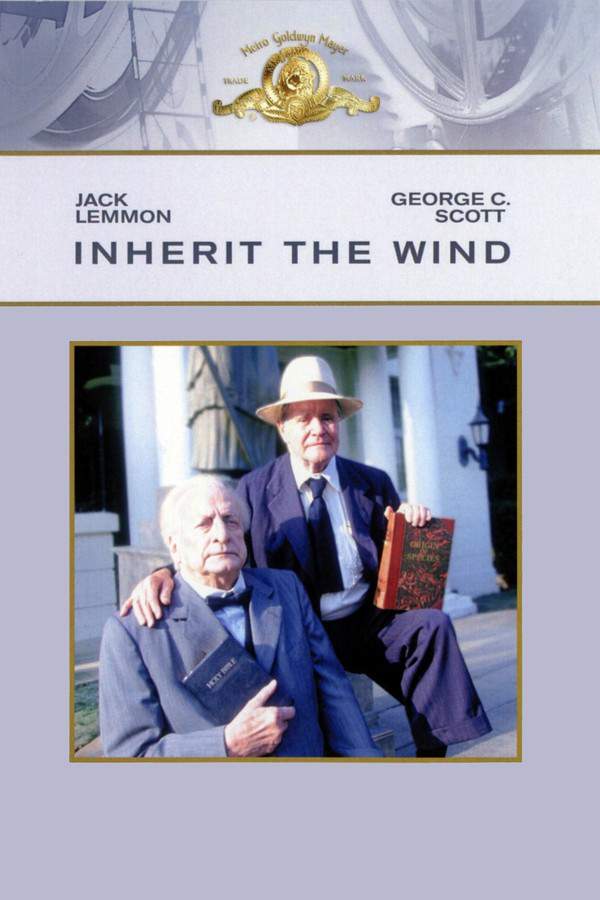
Inherit the Wind (1960) movie poster

Characters & Themes

Inherit the Wind (1960) Characters, Setting & Themes Explained

Release, runtime and language
1960 · 128 min · English
JustWatch #2,641 24
Directed by
Stanley Kramer
Starring
Claude Akins, Harry Morgan, Donna Anderson, Fredric March, Spencer Tracy, Dick York

In 1925 Tennessee, a community is thrown into turmoil when a teacher is put on trial for teaching evolution. The case draws national attention, pitting the respected lawyer Henry Drummond against the fervent evangelist Matthew Harrison Brady. Drummond defends the teacher, challenging the town’s deeply held beliefs and sparking a heated debate about the balance between faith, reason, and the freedom to learn. The courtroom battle explores the complexities of scientific inquiry and the power of individual conviction.

On this page (8)
  1. 1 Where to watch
  2. 2 Characters explained (5)
  3. 3 Where & when it takes place
  4. 4 Themes & meaning (2)
  5. 5 Character & meaning questions
  6. 6 Movie threads
  7. 7 Movies like Inherit the Wind
  8. 8 Every angle

Where to watch

Where to Watch Inherit the Wind (1960)

Where can you watch Inherit the Wind? Stream, rent or buy it in the US, including on Amazon Prime Video, fuboTV and MGM Plus: current JustWatch availability with up-to-date prices.

Streaming availability powered by JustWatch

5 main characters · contains spoilers

Inherit the Wind Characters Explained: Who Is Who

The main characters of Inherit the Wind (1960), heroes and villains: what drives them, how they change over the course of the story and what each of them reveals about the film's bigger ideas.

  • Bertram Cates (Dick York)

    Bertram Cates is a young schoolteacher who faces trial for teaching Darwin's theory of evolution. Cates is portrayed as an idealistic yet conflicted individual, whose commitment to scientific reasoning places him at odds with the conservative beliefs of his community. His character represents the struggle for intellectual freedom in a hostile environment.

    • 📚 Teacher
    • 🌱 Idealism
    • ⚖️ Freedom
  • Henry Drummond (Spencer Tracy)

    Henry Drummond is a renowned defense attorney and an outspoken atheist who defends Bertram Cates. He is characterized by his sharp wit and fierce dedication to justice, often challenging societal norms and beliefs. Drummond's intellect and unwavering resolve serve as a beacon of hope against the oppressive forces represented by his adversary.

    • 💼 Lawyer
    • ⚖️ Justice
    • 🔥 Passionate
  • Matthew Brady (Fredric March)

    Matthew Brady is the prosecuting attorney and a former presidential candidate who embodies the struggle between faith and science. Initially confident in his beliefs, he becomes increasingly rattled as Drummond questions him. Brady represents the deep-seated religious fervor of the time, ultimately revealing the vulnerabilities in his rigid worldview.

    • ⚖️ Prosecutor
    • 🌟 Authority
    • 📜 Traditionalist
  • E.K. Hornbeck (Gene Kelly)

    E.K. Hornbeck is a cynical newspaper reporter who provides commentary on the trial and its participants. His sarcastic nature allows him to critique societal values while offering a more progressive perspective. His character serves as a bridge between the audience and the events of the trial, often highlighting the absurdities of the clash between beliefs.

    • 📰 Reporter
    • 🧩 Cynical
    • 💬 Observer
  • The Judge (Harry Morgan)

    The Judge presides over the controversial trial, attempting to maintain order amid the chaos. His rulings reflect the tensions of the period and the difficulty of upholding impartial justice in a charged environment. He ultimately imposes a fine that indicates the complexities of his own position within the societal debate.

    • ⚖️ Authority
    • 👨‍⚖️ Impartiality
    • 📜 Judge

Last updated: January 18, 2025 at 14:34

Was this helpful?

Setting

Where and When Does Inherit the Wind Take Place?

The setting of Inherit the Wind (1960): the year and time period, the places and locations, and how they shape the characters, the mood and the tension of the story.

Time period

1925

The film takes place in the year 1925, a time when the United States was experiencing significant ideological divisions, particularly between traditionalist and modernist viewpoints. The context of the Scopes trial reflects the broader national debate over science, religion, and education, which continues to resonate today.

Location

Tennessee

The movie is set in a small town in Tennessee during the 1925 Scopes Monkey trial. This Southern state is known for its rich cultural history and deep-rooted religious beliefs, which play a significant role in the film's conflict. The local atmosphere is charged with tension as the town grapples with the clash between science and religion.

  • 🌄 Location
  • 🏛️ Historical

Last updated: January 18, 2025 at 14:34

Was this helpful?

2 major themes

Inherit the Wind Meaning: Themes & Message Explained

What is Inherit the Wind (1960) really about? The emotional, social and philosophical themes the film keeps returning to, its symbolism and the message beneath the surface.

  • Justice

    The pursuit of justice is a central theme in 'Inherit the Wind,' as the characters grapple with ideas of rights, beliefs, and the law. Through the trial of Bertram Cates, the film examines the conflict between individual freedoms and societal norms. Henry Drummond's defense of Cates highlights the importance of intellectual freedom, particularly in the face of overwhelming opposition.

  • Knowledge vs. Belief

    The theme of knowledge versus belief is powerfully portrayed through the characters' arguments and the trial's proceedings. It poses profound questions about faith, reason, and the obligation to challenge accepted norms. The film illustrates how scientific thought can conflict with traditional religious views, pushing characters to confront their understanding of truth.

Last updated: January 18, 2025 at 14:34

Was this helpful?

Character & theme questions

Inherit the Wind Characters & Meaning: Your Questions Answered

The questions people ask about Inherit the Wind (1960): who the characters really are, their relationships, what the symbols mean, where it takes place and what the movie is really about. Each answer contains spoilers.

Q1

Why is the Tennessee setting important to the story?

The film is set in a small Tennessee town during the 1925 Scopes Monkey trial, a period when the state actively banned the teaching of evolution. This Southern setting is significant because it represents the heart of American religious traditionalism, where deeply-rooted Christian beliefs clashed with emerging scientific theories. The tension between the community's faith-based worldview and the progressive ideas brought by the trial creates the central conflict of the movie.

  • tennessee
  • setting
  • scopes trial
  • southern
  • religious
Q2

Why is 1925 significant for this story?

The year 1925 marks the actual historical Scopes Monkey trial, making this setting historically accurate. This was a time when the United States was deeply divided between traditionalist and modernist viewpoints. The 1925 context reflects a broader national debate about science, religion, and education that continued to resonate throughout the 20th century and remains relevant today.

  • 1925
  • era
  • time period
  • historical
  • scopes trial
Q3

What is the main theme of Inherit the Wind?

The film explores the theme of knowledge versus belief, posing profound questions about faith, reason, and the obligation to challenge accepted norms. It illustrates how scientific thought can conflict with traditional religious views, forcing characters to confront their understanding of truth. The trial becomes a battlefield where these opposing worldviews collide, examining whether society can accommodate both evolutionary science and religious faith.

  • theme
  • knowledge
  • belief
  • faith
  • reason
  • science
  • evolution
Q4

What does the film say about justice?

Inherit the Wind presents justice as a complex ideal pursued through individual freedoms versus societal norms. Through Henry Drummond's defense of Bertram Cates, the film examines the importance of intellectual freedom, particularly when facing overwhelming opposition. The courtroom becomes a arena where the pursuit of justice challenges deeply held community beliefs, revealing the tension between legal principles and public opinion.

  • justice
  • freedom
  • rights
  • law
  • individual freedom
  • civil liberties
Q5

Who is Bertram Cates and what does he represent?

Bertram Cates is a young schoolteacher put on trial for teaching Darwin's theory of evolution. He represents the struggle for intellectual freedom in a hostile environment, a idealistic yet conflicted individual whose commitment to scientific reasoning places him at odds with the conservative beliefs of his community. Cates becomes a symbol of the price one pays for challenging established norms.

  • bertram cates
  • teacher
  • evolution
  • intellectual freedom
Q6

Who is Henry Drummond and why is he important?

Henry Drummond is a renowned defense attorney and outspoken atheist who defends Bertram Cates. He is characterized by his sharp wit and fierce dedication to justice, often challenging societal norms and beliefs. Drummond serves as the film's voice for reason and intellectual freedom, using the trial to defend not just Cates, but the broader right to think and teach freely. His intellect and unwavering resolve represent hope against ideological oppression.

  • henry drummond
  • attorney
  • defense
  • atheist
  • justice
Q7

Who is Matthew Brady in the film?

Matthew Brady is the prosecuting attorney and former presidential candidate who embodies the struggle between faith and science. He represents the deep-seated religious fervor of the 1920s American South, bringing political fame and rhetorical skill to the prosecution. As the trial progresses, Brady becomes increasingly rattled under Drummond's questioning, ultimately revealing the vulnerabilities in his rigid worldview. His character arc demonstrates how absolute certainty can crumble under scrutiny.

  • matthew brady
  • prosecutor
  • faith
  • religion
  • politics
Q8

What role does the reporter play in the story?

E.K. Hornbeck is a cynical newspaper reporter who provides commentary on the trial and its participants. His sarcastic nature allows him to critique societal values while offering a more progressive perspective. Hornbeck serves as a bridge between the audience and the events, often highlighting the absurdities of the clash between beliefs through sardonic commentary. He represents the media's role in shaping public opinion during high-profile trials.

  • e.k. hornbeck
  • reporter
  • media
  • commentary
  • sarcasm
Q9

What is the central conflict about teaching evolution?

The central conflict centers on whether schools should be allowed to teach Darwin's theory of evolution, which directly challenged literal interpretations of the Bible. The state of Tennessee had passed the Butler Act, making it illegal to teach any theory that denied divine creation. The trial questions whether scientific inquiry can exist alongside religious belief, and whether the law should protect teachers who present competing scientific perspectives.

  • evolution
  • teaching
  • education
  • darwin
  • religion
  • conflict
Q10

What does the film say about freedom of thought?

Inherit the Wind strongly advocates for freedom of thought and intellectual inquiry. The film suggests that suppressing scientific ideas in favor of religious dogma stifles human progress. Through Drummond's defense, it argues that the right to question, explore, and teach controversial ideas is essential to a functioning democracy. The trial becomes a referendum on whether society can tolerate differing viewpoints.

  • freedom
  • thought
  • inquiry
  • intellectual
  • science
  • democracy

Movie threads

More Movies Like Inherit the Wind, by Mood & Story

Curated lists built around what makes Inherit the Wind tick: the same mood, the same kind of story or the same emotional payoff. Each list explains why these movies belong together.

Movies with powerful ideological courtroom clashes like Inherit the Wind

Legal battles where the real conflict is a fundamental clash of ideas. If you enjoyed the intense legal and philosophical battle in Inherit the Wind, you'll find similar stories here. This collection features movies like Inherit the Wind where courtroom dramas serve as a backdrop for larger conflicts over civil rights, ethics, and societal change, offering tense, thought-provoking viewing.

  • tense
  • thought-provoking
  • serious
  • ideological
  • dramatic
  • clashing
  • Tone: tense, serious, thought-provoking
  • Pacing: steady, methodical
Why these movies?

The story pattern: The narrative typically follows a legal case that acts as a proxy for a major cultural or ideological rift. A principled lawyer or outsider challenges entrenched beliefs, leading to a series of dramatic confrontations inside and outside the courtroom. The plot is driven by verbal sparring, compelling arguments, and the personal transformations of those involved, culminating in a verdict that often carries complex implications.

Why they belong together: Movies are grouped here because they share the specific experience of a courtroom setting used to explore deep-seated ideological conflicts. They feature a TENSE tone, HIGH intellectual and emotional intensity, and a STEADY, methodical pacing that builds dramatic weight through dialogue and debate.

Movies about moral courage with bittersweet endings like Inherit the Wind

Protagonists who win a moral victory at a deep personal or societal cost. For viewers who appreciated the complex emotional payoff of Inherit the Wind, this thread gathers movies with similar bittersweet endings. Discover films like Inherit the Wind where characters fight for what's right, achieving a principled success that is tempered by personal tragedy or lingering discord.

  • serious
  • bittersweet
  • dramatic
  • thought-provoking
  • emotional
  • principled
  • Tone: serious, bittersweet, dramatic
  • Pacing: steady
Why these movies?

The story pattern: The pattern involves a protagonist challenging an unjust system or popular belief. Their journey is marked by immense pressure, personal sacrifice, and ideological isolation. The climax often delivers a victory that is principled but incomplete—a legal win that feels hollow, a changed mind that comes too late, or a personal cost that overshadows the public achievement. The ending feels bittersweet, blending hope with melancholy.

Why they belong together: These films are united by their shared focus on the emotional journey of moral courage and their BITTERSWEET resolution. They carry a HEAVY emotional weight, explore serious themes, and leave the audience with a nuanced mix of admiration for the protagonist's stand and sorrow for the associated costs.

If you liked this

Movies Like Inherit the Wind

Similar movies to Inherit the Wind: the same genre, themes or kind of story. Each one comes with its own plot summary, timeline and ending explained.

Browse all movie summaries

Every angle

Inherit the Wind (1960) Explained: Plot, Timeline & Characters

Everything about Inherit the Wind in one place: what happens in the plot summary, the timeline in chronological order, the characters and meaning and a spoiler-free summary. What's After the Movie adds the cast, box office and post-credit scenes.

Coming soon on iOS and Android

The Plot Explained Movie Summary App

Plot summaries, endings explained and timelines on your phone. Catch up on any movie in minutes, save your favorites and never miss a twist again.

Be the first to know when we launch. Your email stays private, always.

Learn more about the app