Plot Explained Spoilers guaranteed!
Plot Explained

Browse by genre

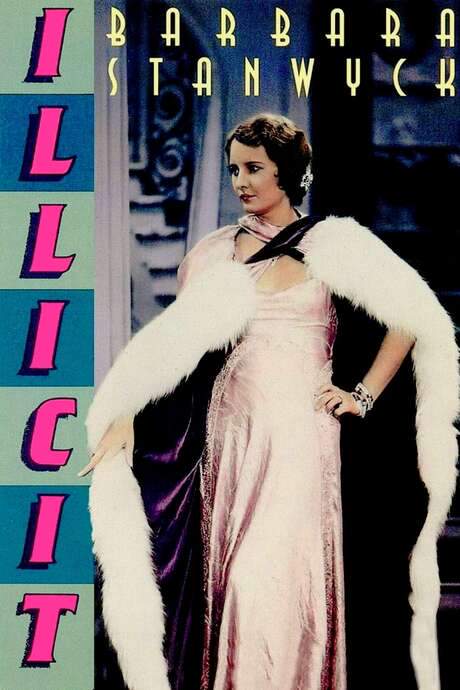
Illicit (1931) movie poster

Characters & Themes

Illicit (1931) Characters, Setting & Themes Explained

Release, runtime and language
1931 · 77 mins · English
Directed by
Archie Mayo
Starring
Ricardo Cortez, Barbara Stanwyck, Joan Blondell, Lucille Ward, Charles Butterworth, Natalie Moorhead

Ann, a forward‑thinking young woman, believes marriage would ruin the passion she shares with her lover Dick, so they cohabit despite societal taboos. As pressure from their community mounts, the couple ultimately succumbs and officially wed, forcing Ann to confront the clash between her ideals and conventional expectations.

On this page (7)
  1. 1 Characters explained (5)
  2. 2 Where & when it takes place
  3. 3 Themes & meaning (4)
  4. 4 Character & meaning questions
  5. 5 Movie threads
  6. 6 Movies like Illicit
  7. 7 Every angle

5 main characters · contains spoilers

Illicit Characters Explained: Who Is Who

The main characters of Illicit (1931), heroes and villains: what drives them, how they change over the course of the story and what each of them reveals about the film's bigger ideas.

  • Anne Vincent (Barbara Stanwyck)

    A modern-thinking woman who questions the idea that marriage is the end of personal freedom. She values independence and self-responsibility, and she resists social pressures to marry. Her decisions are driven by a desire to balance love with individual identity, even as she faces a past and present entanglements.

    • 💬 Outspoken
    • 🎭 Dramatic
    • 💡 Modern Woman
  • Dick Ives II (James Rennie)

    A young heir entangled in competing romances as he grapples with commitment. He pressures Anne to marry and navigates jealousy and pride as the relationship evolves. His actions reflect both impulsiveness and a desire for lasting connection.

    • ⚡ Impulsive
    • 🎭 Drama
    • 💞 Romantic conflict
  • Price Baines (Ricardo Cortez)

    Anne’s ex-boyfriend who remains affectionate and assertive. He tries to dissuade her from marriage while reminding her of past devotion. His presence rekindles tension and temptation, challenging the pair’s resolve.

    • 🔗 Persistent
    • 🎭 Drama
    • 💘 Past love
  • Margie True (Natalie Moorhead)

    A living symbol of lingering romance who still loves Dick. She offers a rival perspective on love and loyalty, pushing the story toward complicated emotional choices. Her behavior reveals vulnerability beneath confident charm.

    • 💃 Flirtatious
    • 🎭 Drama
    • 💖 Love rival
  • Richard Ives Sr. (Dick Sr.)

    played by Claude Gillingwater

    The patriarch who pushes for a conventional match for his son, wielding social and familial influence. He represents traditional values and the pressure to maintain status and propriety. His role underscores the film's exploration of duty versus desire.

    • 🏛 Persuasive
    • 🎭 Drama
    • 🧭 Family pressure

Last updated: October 04, 2025 at 15:58

Was this helpful?

Setting

Where and When Does Illicit Take Place?

The setting of Illicit (1931): the year and time period, the places and locations, and how they shape the characters, the mood and the tension of the story.

Time period

1930s

Set in the early 1930s, a period of shifting social mores around romance and marriage. The story unfolds within urban social circles where public events and weekend getaways carry social weight. Characters navigate the tension between private desire and public propriety as they confront the costs of choosing independence over convention.

Location

Last updated: October 04, 2025 at 15:58

Was this helpful?

4 major themes

Illicit Meaning: Themes & Message Explained

What is Illicit (1931) really about? The emotional, social and philosophical themes the film keeps returning to, its symbolism and the message beneath the surface.

  • Marriage vs Individuality

    The central tension pits the institution of marriage against personal freedom. Anne believes love can endure outside wedlock, challenging traditional expectations. The narrative follows how commitment can either erode or reinforce personal identity, depending on how partners relate to one another.

  • Societal Pressure and Scandal

    Gossip and public perception push lovers toward or away from marriage. Fear of scandal drives decisions, forcing characters to weigh reputation against authentic feeling. The era’s norms about respectability loom large over private choices.

  • Separation and Realization

    A trial separation rekindles genuine affection by revealing what each person truly means to the other. The distance helps the couple assess whether their love is replaceable or essential. In the end, the story suggests there are no substitutes for true connection.

  • Independence and Growth

    The characters explore what it means to be individuals within romantic bonds. Independence is portrayed as a virtue, but the tale also shows its limits when deep love persists. Growth comes from navigating temptation and choosing commitment on mutual terms.

Last updated: October 04, 2025 at 15:58

Was this helpful?

Character & theme questions

Illicit Characters & Meaning: Your Questions Answered

The questions people ask about Illicit (1931): who the characters really are, their relationships, what the symbols mean, where it takes place and what the movie is really about. Each answer contains spoilers.

Q1

What era is the movie set in?

Illicit is set in the early 1930s, a period when social attitudes toward romance and marriage were undergoing significant change. The story takes place in urban social circles where public events and weekend getaways carry considerable social weight, reflecting the tension between private desire and public propriety that defined the era.

  • 1930s
  • early 20th century
  • time period
  • setting
  • social context
Q2

Where is the story set?

The story unfolds within urban social circles, primarily in settings where public appearances matter greatly. The characters navigate a world of social events, weekend getaways, and community spaces where reputation and propriety are closely watched.

  • setting
  • location
  • urban environment
  • social circles
  • new york
  • american setting
Q3

What is the main theme of the movie?

The central theme explores marriage versus individuality. Anne believes love can endure outside the institution of marriage, challenging traditional expectations. The narrative examines how commitment can either erode or reinforce personal identity, depending on how partners relate to one another.

  • marriage
  • individuality
  • freedom
  • love
  • personal identity
  • theme
Q4

What does the movie say about marriage?

The film presents marriage as an institution that conflicts with personal freedom. Anne's belief that marriage would ruin the passion she shares with Dick represents a challenge to traditional expectations. The story ultimately shows how the couple must confront the clash between their ideals and conventional expectations when they do wed.

  • marriage institution
  • marriage vs love
  • traditional values
  • convention
  • wedlock
Q5

How does societal pressure affect the characters?

Gossip and public perception constantly push the couple toward or away from marriage. Fear of scandal drives their decisions, forcing Anne and Dick to weigh reputation against authentic feeling. The era's strict norms about respectability loom large over their private choices.

  • social pressure
  • scandal
  • reputation
  • public perception
  • gossip
  • community pressure
Q6

Who is Anne Vincent and what does she want?

Anne Vincent is a modern-thinking woman portrayed by Barbara Stanwyck who questions whether marriage necessarily ends personal freedom. She values independence and self-responsibility, resisting social pressures to marry despite her love for Dick. Her decisions are driven by a desire to balance love with individual identity.

  • anne vincent
  • barbara stanwyck
  • protagonist
  • independence
  • free thinker
Q7

Who is Dick Ives II and what is his role?

Dick Ives II is a young heir who becomes entangled in competing romances while grappling with commitment. He pressures Anne to marry him but must also navigate jealousy and pride as their relationship evolves. His character reflects both impulsiveness and a genuine desire for lasting connection.

  • dick ives
  • james rennie
  • heir
  • love interest
  • commitment
Q8

Who is Price Baines in the story?

Price Baines is Anne's ex-boyfriend who remains affectionately attached to her. He tries to dissuade her from marriage to Dick while reminding her of their past devotion. His presence rekindles temptation and challenges the couple's resolve during their period of separation.

  • price baines
  • ricardo cortez
  • ex-boyfriend
  • temptation
  • rival love interest
Q9

Who is Margie True and what is her significance?

Margie True serves as a living symbol of lingering romance who still loves Dick. As a rival perspective on love and loyalty, she pushes the story toward complicated emotional choices. Her behavior reveals vulnerability beneath confident charm, acting as both temptation and catalyst.

  • margie true
  • natalie moorhead
  • rival love interest
  • temptation
  • jealousy
Q10

Who is Richard Ives Sr. and what does he represent?

Richard Ives Sr. is the patriarch who pushes for a conventional match for his son Dick. Wielding social and familial influence, he represents traditional values and the pressure to maintain status and propriety. His role underscores the film's exploration of duty versus desire.

  • richard ives sr
  • patriarch
  • father
  • traditional values
  • duty
  • family pressure
Q11

What is the emotional tone of the film?

The film carries a melancholic tone established through its central theme of lost passion and characters' quiet disillusionment with conventional lives. The emotional intensity remains medium, creating sustained internal tension between personal ideals and societal conformity rather than overt drama.

  • tone
  • mood
  • melancholy
  • emotional
  • atmosphere
  • film style
Q12

Is the ending bittersweet or tragic?

The ending is bittersweet, blending disappointment with a stubborn sense of enduring compatibility. After a trial separation that rekindles genuine affection, the couple ultimately suggests that there are no substitutes for true connection, even if their journey has been marked by conflict.

  • ending
  • bittersweet
  • conclusion
  • resolution
  • romance
  • finale

Movie threads

More Movies Like Illicit, by Mood & Story

Curated lists built around what makes Illicit tick: the same mood, the same kind of story or the same emotional payoff. Each list explains why these movies belong together.

Free Love vs. Society stories like Illicit

Passionate couples defy convention for a love that society can't accept. Find more movies like Illicit that explore the conflict between personal freedom and societal expectations. If you liked the theme of unconventional love facing public pressure, these similar romantic dramas and period pieces capture that same poignant struggle.

  • romantic
  • tense
  • rebellious
  • reflective
  • conflicted
  • yearning
  • Tone: melancholic, tense
  • Pacing: steady, character driven
Why these movies?

The story pattern: These narratives typically follow a couple's journey from idealistic rebellion, where their love feels pure and untethered, to a gradual erosion under constant societal judgment. The central conflict is internal and external, pitting the desire for individual freedom against the comfort and constraints of conformity.

Why they belong together: They are grouped by their shared thematic core of challenging established norms, particularly around love and marriage. The mood is consistently tense and reflective, focused on the psychological strain of living outside conventional bounds and the melancholic realization of the costs of such a choice.

Slow fading romance movies like Illicit

Stories where the pressures of life slowly extinguish a once-bright flame. Discover movies similar to Illicit that portray the slow erosion of a relationship. If you appreciated the steady, melancholic depiction of love fading under life's pressures, these character-driven dramas offer the same bittersweet and reflective experience.

  • melancholic
  • somber
  • yearning
  • reflective
  • bittersweet
  • romantic
  • Tone: melancholic, bittersweet
  • Pacing: steady, slow burn
Why these movies?

The story pattern: The plot follows a clear, often chronological, descent from passionate idealism to disenchanted reality. External pressures like societal expectations, financial strain, or mundane routines act as a catalyst, but the true drama is internal—the quiet moments of disillusionment and the characters' realization that their connection is fundamentally changing.

Why they belong together: These films share a specific emotional arc and pace. They are united by a steady, deliberate pacing that allows the audience to feel the gradual weight of change, a melancholic tone, and a bittersweet ending that acknowledges both the loss and the enduring memory of the initial passion.

If you liked this

Movies Like Illicit

Similar movies to Illicit: the same genre, themes or kind of story. Each one comes with its own plot summary, timeline and ending explained.

Browse all movie summaries

Every angle

Illicit (1931) Explained: Plot, Timeline & Characters

Everything about Illicit in one place: what happens in the plot summary, the timeline in chronological order, the characters and meaning and a spoiler-free summary. What's After the Movie adds the cast, box office and post-credit scenes.

Coming soon on iOS and Android

The Plot Explained Movie Summary App

Plot summaries, endings explained and timelines on your phone. Catch up on any movie in minutes, save your favorites and never miss a twist again.

Be the first to know when we launch. Your email stays private, always.

Learn more about the app