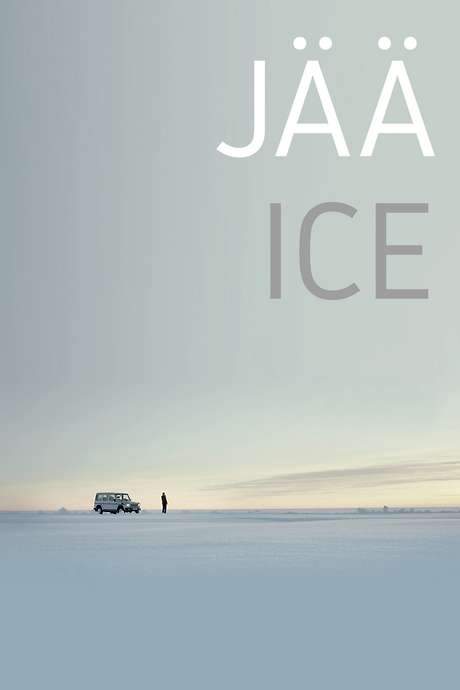
Nadya Lapshina grows up in Irkutsk with a simple dream: to glide across the ice and become a celebrated figure skater. Yet early on her coordination and balance are limited, and a renowned children's coach, Irina Sergeyevna Shatalina, refuses to take her on. Nadya’s mother remains hopeful, and Nadya herself never stops believing in her potential, supported by her aunt Margosha, who cares for her as best as she can even though she doesn’t share Nadya’s ambitions. Undeterred, Nadya pushes forward, and her quiet perseverance eventually wins the attention of the stern mentor.
Under Margosha’s care, Nadya moves into a boarding school at the local sports palace to learn the craft from the ground up. At first, progress is slow, but her determination steadily pays off. She becomes the strongest student in the program, and Irina Shatalina, now persuaded by Nadya’s stubborn resolve, nominates her to compete in children’s figure skating events across the country. A saboteur who once held the title tries to blunt Nadya’s chances by tampering with her blades, yet Nadya somehow delivers a flawless performance on blades that aren’t in perfect condition, showing a resolve that astonishes everyone.
Time passes, and Nadya’s talent blossoms into fame. She rises to the top ranks of the sport and earns an invitation to the big leagues. The opportunity comes with a chance to partner with the renowned skater Vladimir Borisovich “Vova” Leonov. Initially, Nadya hesitates, not wanting to leave her cherished coach behind. But Irina, who has begun to feel a motherly bond with Nadya and recognizes her potential, reveals a painful truth—that Nadya’s early progress was not just luck, and Nadya chooses to seize the breakthrough. The two begin training as a team and soon move in together, with Vova even contemplating a proposal.
Tragedy strikes during a major performance: in a moment of misfortune, Vova drops Nadya, and the fall leaves her with a severe spinal injury. The accident shatters her physically and emotionally, and she withdraws into depression, retreating from the world she once loved. Her recovery stalls in the capital, and she returns to her aunt and her uncle, who is confined to a wheelchair. Irina, hearing of Nadya’s troubles, steps in to help, determined to give her former student a chance at healing and hope.
Meanwhile, in another corner of the story, Sasha Gorin—a striker for a local hockey team—finds himself in trouble after a conflict with a teammate leads to suspension. Irina offers a deal: if Sasha will help Nadya regain her mobility and spirit, she will help him make his way back to the ice. Sasha agrees, though at first he tests Nadya, using tough methods to push her beyond her limits. Irina quickly calls him out when his bluff shows through, and he shifts from skepticism to genuine support.
What follows is a slow, painstaking recovery. Sasha’s hard, practical coaching—paired with a growing, careful tenderness—helps Nadya regain sensation in her legs and rebuild muscle strength. They move from basic physiotherapy to more intensive gym work, and Nadya begins to walk again. The two form a complicated bond, mixing professional partnership with a deepened personal connection. Nadya even asks Sasha to join her on the ice as her partner, returning to the sport in a way that echoes her former role as a hockey player turned skater.
As their bond strengthens, Sasha reveals a personal past connection to figure skating that deepens their camaraderie. Then another emotional twist arrives when Vova unexpectedly encounters Sasha in the locker room, trying to persuade him to step away from Nadya, arguing that only he can guide her to true Olympic glory. The confrontation leaves Sasha torn between his devotion to Nadya and the shadow of Vova’s lingering influence.
A dramatic turn follows when Nadya and Vova rekindle their onstage partnership, returning to the major competition circuit. Yet the moment of truth arrives when Vova casts doubt on Nadya’s abilities again, and the performance ends in disarray. The medical verdict points to a psychosomatic block rather than a physical limitation, shattering Nadya’s trust in her own body and in her former partner. Vova’s cruelty is exposed, and Nadya abandons the rules to seek relief and clarity elsewhere.
Sasha, who has watched the struggle unfold, makes a bold decision. He travels to Moscow with Irina’s steadfast support and, in a powerful act of faith and courage, steps onto the ice in Nadya’s moment of need. He sheds the cloak of their professional relationship and admits his true feelings. The moment becomes a shared, almost miraculous victory as the audience around them—quietly cheering, then singing along—rallies behind a duet that defies the earlier doubts. The judges, unable to start the music anew, listen as the crowd carries the room with song, and Nadya and Sasha perform a moving duet that transcends results.
In the end, they are technically disqualified, but the true triumph is their renewed love and partnership—on the ice and in life. Nadya, once broken by a fall, finds not only rehabilitation but a future where her heart and body can move in harmony with another at her side. The story closes on a note of quiet resilience: two skaters who refused to give up, fusing sport and emotion into a lasting, hopeful harmony.