
Harrison Bergeron
Year: 2006
Runtime: 30 mins
Language: English
Director: Patrick Horne
A short biographical film follows a boy who imagines himself as emperor in a dystopian 2081 where constitutional amendments force total equality. No one may be smarter, more attractive, stronger, or quicker than anyone else, enforced by the United States Handicapper General. The story adapts Kurt Vonnegut’s classic tale, exploring the extremes of enforced uniformity.
Warning: spoilers below!
Haven’t seen Harrison Bergeron yet? This summary contains major spoilers. Bookmark the page, watch the movie, and come back for the full breakdown. If you're ready, scroll on and relive the story!
Timeline – Harrison Bergeron (2006)
Trace every key event in Harrison Bergeron (2006) with our detailed, chronological timeline. Perfect for unpacking nonlinear stories, spotting hidden connections, and understanding how each scene builds toward the film’s climax. Whether you're revisiting or decoding for the first time, this timeline gives you the full picture.
Last updated: October 09, 2025 at 16:45
Harrison Bergeron (2006) Timeline Questions Answered – Chronology FAQ
Find frequently asked questions about the Harrison Bergeron (2006) timeline, including chronological order, nonlinear jumps, cause-and-effect links, and scene sequence clarifications. This timeline FAQ helps explain when key events happen, how moments connect, and why the story unfolds in that specific order.
Why was Harrison taken from his family?
Harrison was taken because the government recognized him as a dangerous threat. At 14 years old, he was a rare combination of brilliance and physical power that stood out even in a world obsessed with equality. The regime considers unrestricted potential to be illegal, so they removed him from his parents and placed him in custody to eliminate his exceptional abilities from society.
Earlier, the Bergerons are shown with dulled minds, Hazel's mental acuity is restricted and George's thoughts are perpetually interrupted, making them barely register the loss of their son.
How do the handicaps suppress people's abilities?
The handicaps are devices designed to blunt talent and charm. Ugly masks hide beauty, earpiece radios emit disruptive noises that interrupt thought, and heavy weights suppress physical strength. George wears a 47-pound sack of birdshot around his neck, and the radio at his temple constantly shatters his concentration, making focused thinking nearly impossible.
Why does the ballerina join Harrison's rebellion?
The ballerina joins because Harrison gives her a choice, a rare moment of freedom in a world that makes all decisions for its citizens. When Harrison tears off her mask, he reveals her beauty and restores her voice. Rather than submit to the regime's constraints, she accepts his offer to become his Empress, choosing rebellion over continued suppression.
Earlier, the broadcast shows her beginning a performance in a natural, melodic voice before switching to a harsher, muffled tone, hinting that her true ability is being repressed.
Why can't Hazel remember what happened on television?
Hazel cannot remember because the regime's handicaps have dulled her mind to the point where meaningful experiences simply don't stick. Her mental acuity has been restricted by the state, and the emotional shock of witnessing her son's death likely caused her mind to reject the memory entirely. This is the final tragedy, the regime not only kills exceptional people but erases the memory of them.
Earlier, Hazel's thoughts are shown as dulled and practical, and George's mind is repeatedly shattered by the radio, establishing that the handicaps fundamentally impair memory and cognition.
Why does George refuse to remove his weights when Hazel suggests it?
George refuses because he knows any deviation from the law could bring severe punishment, prison or crippling fines. Even though Hazel suggests removing a few weights to ease his burden, George chooses to stay within the law's limits rather than risk the consequences. His compliance illustrates how deeply the regime has instilled fear and obedience.
Earlier, the narrative establishes that citizens are fitted with these devices as a constant, visible reminder that sameness is the goal, reinforcing the psychological hold of the law.
How does the Handicapper General find Harrison so quickly?
The film implies the regime maintains tight surveillance over all broadcasts and can respond instantly to any threat. Harrison's takeover of the television studio is a public broadcast, which means the Handicapper General likely monitors all programming and has the authority to dispatch forces immediately. Her sudden arrival suggests the state has total control over media and can suppress any sign of exceptionalism in real time.
What happens to Harrison and the Empress at the end?
The Handicapper General bursts into the studio and fatally shoots both Harrison and the Empress. Their rebellion is instantly crushed, and the musicians are ordered to reapply their handicaps. The broadcast ends in darkness, and the regime's control is immediately restored. This violent ending demonstrates the state's zero-tolerance policy toward any expression of individuality.
Harrison was introduced as a seven-foot-tall figure burdened by three hundred pounds of handicaps, described as a dangerous beacon of raw potential the government feared.
What do the 211th, 212th, and 213th amendments do?
These three amendments enshrine absolute equality in the United States, forbidding anyone from being smarter, more beautiful, or more capable than anyone else. They form the legal foundation for the handicap regime, giving the Handicapper General constitutional authority to enforce uniformity through mandated devices that suppress any individual excellence.
Why is the ending so bleak?
The ending is bleak because the regime wins completely. Harrison and the Empress are killed, the musicians are rehandicapped, and even the memory of the rebellion is erased from Hazel's mind. This reflects the film's central theme: equality enforced without freedom destroys individuality, love, and ultimately memory itself. The system doesn't just suppress exceptionalism, it erases even the awareness that it happened.
What is the significance of the ballet broadcast?
The ballet represents how the regime controls all forms of beauty and expression. The dancers perform while weighed down and masked, their graceful movements deliberately dampened and their beauty obscured. The announcer's speech is intentionally stilted and muffled. This broadcast serves as a public reminder that even art must conform, nothing exceptional is allowed to exist, making Harrison's later takeover a direct assault on everything the regime stands for.
The ballerina's masked performance and her brief moment of natural voice before switching to a harsher tone set up her eventual liberation and rebellion.

Explore Movie Threads
Discover curated groups of movies connected by mood, themes, and story style. Browse collections built around emotion, atmosphere, and narrative focus to easily find films that match what you feel like watching right now.
Dystopian Tragedies of Shattered Rebellion like Harrison Bergeron
Stories of defiant hope being crushed by an unforgiving system.If the bleak ending of Harrison Bergeron resonated with you, explore more movies like it. This collection features similar dystopian stories where a brief, defiant act of rebellion is met with overwhelming force, resulting in a tragic and somber conclusion that reinforces the power of an oppressive system.
Harrison Bergeron
2006

On the Silver Globe (1988)
2016

Land of the Blind
2006

The Assessment
2025

Universal Soldier: Day of Reckoning
2012

Cities of Last Things
2019

Blades of Blood
2010

Star Wars: Episode III - Revenge of the Sith
2005

Apocalypse Z: The Beginning of the End
2024

The Dark Valley
2014
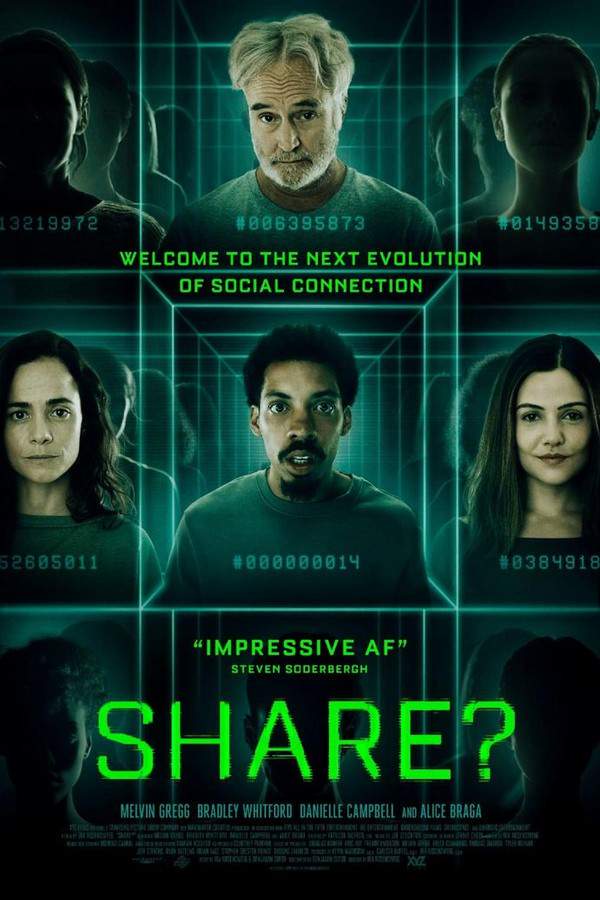
Share?
2023

Renaissance
2006
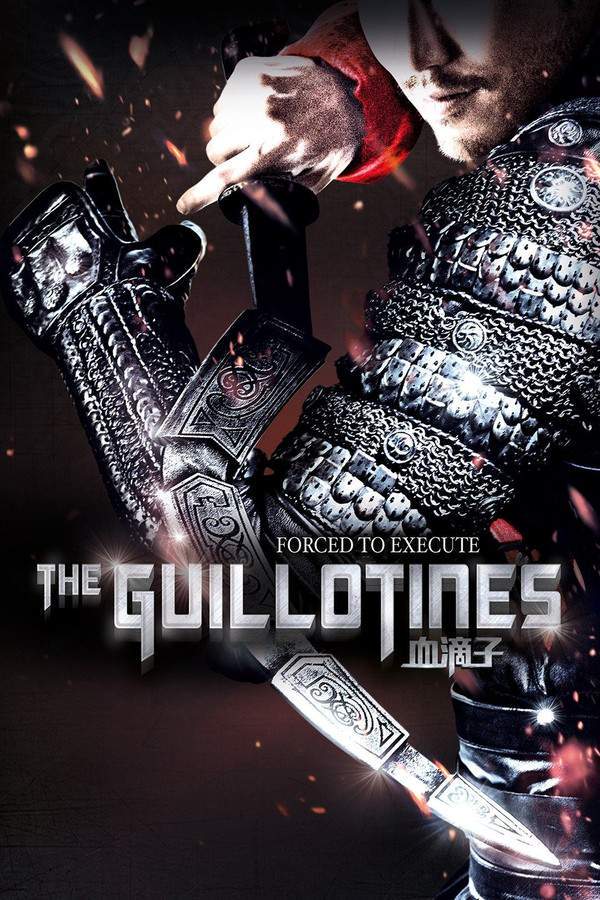
The Guillotines
2013

The Wasted Times
2016

What Still Remains
2018
Narrative Summary
These narratives typically follow a protagonist who becomes aware of the injustices of their rigid society. They mount a desperate, often public, act of defiance. However, the system's response is swift and absolute, leading to the protagonist's defeat or death. The story ends with the status quo firmly reasserted, often emphasizing the erasure of the rebellion's memory.
Why These Movies?
They are grouped by their shared exploration of futile resistance, a consistently dark tone, and a narrative structure that builds towards a climax of tragic failure. The emotional journey is defined by a mix of defiant hope and profound sorrow, resulting in a heavy, bleak viewing experience.
Movies about Enforced Conformity and Psychological Control like Harrison Bergeron
Exploring the quiet horror of a world that punishes individuality.Fascinated by the world of Harrison Bergeron where equality is brutally enforced? Discover similar movies about forced uniformity. These films explore the chilling consequences of societies that eliminate individuality, focusing on psychological control, family strain, and the haunting feeling of living in a world designed to suppress human potential.





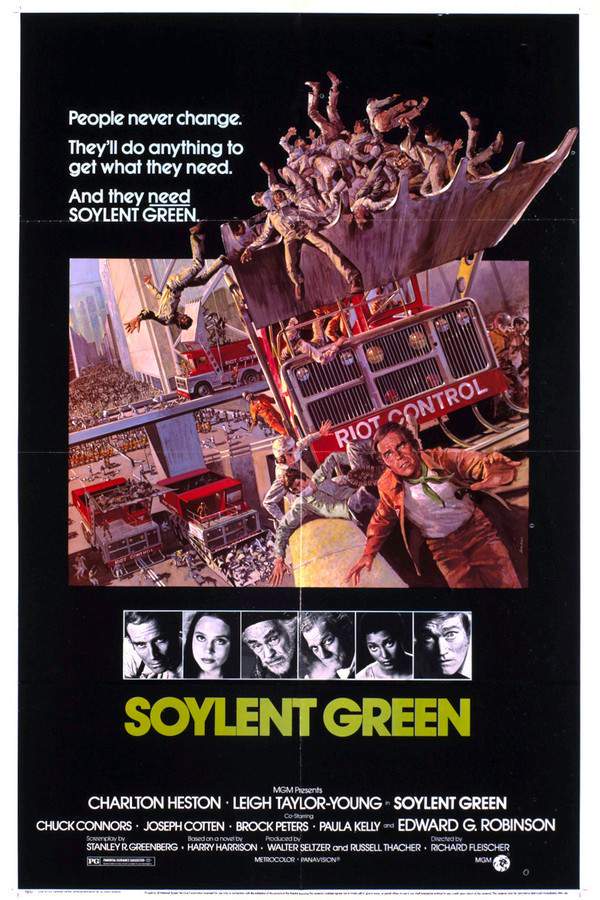



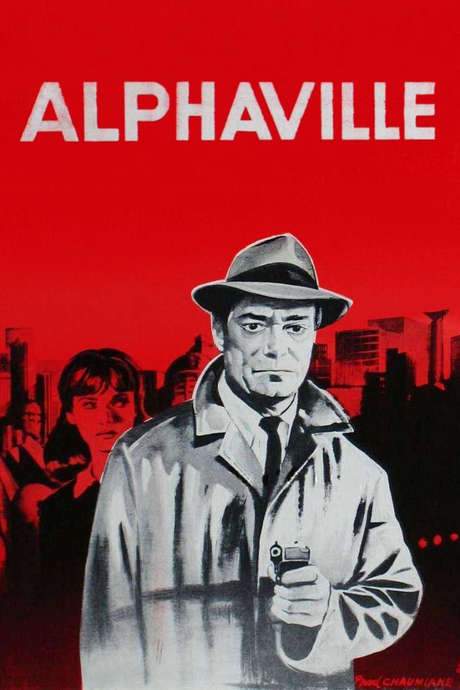

Narrative Summary
The narrative pattern involves the detailed construction of a world where conformity is law. Characters are subjected to physical or psychological handicaps to ensure compliance. The central conflict is the tension between the human desire for self-expression and the crushing weight of societal rules, often portrayed through the lens of a family unit struggling to survive within the system.
Why These Movies?
These films share a core thematic focus on the conflict between individuality and conformity. They generate a similar mood of oppression and somber reflection, often using a steady pacing to methodically build their unsettling worlds. The experience is defined by a pervasive sense of psychological dread and tragic loss.
Unlock the Full Story of Harrison Bergeron
Don't stop at just watching - explore Harrison Bergeron in full detail. From the complete plot summary and scene-by-scene timeline to character breakdowns, thematic analysis, and a deep dive into the ending - every page helps you truly understand what Harrison Bergeron is all about. Plus, discover what's next after the movie.
Harrison Bergeron Summary
Read a complete plot summary of Harrison Bergeron, including all key story points, character arcs, and turning points. This in-depth recap is ideal for understanding the narrative structure or reviewing what happened in the movie.

Characters, Settings & Themes in Harrison Bergeron
Discover the characters, locations, and core themes that shape Harrison Bergeron. Get insights into symbolic elements, setting significance, and deeper narrative meaning - ideal for thematic analysis and movie breakdowns.


