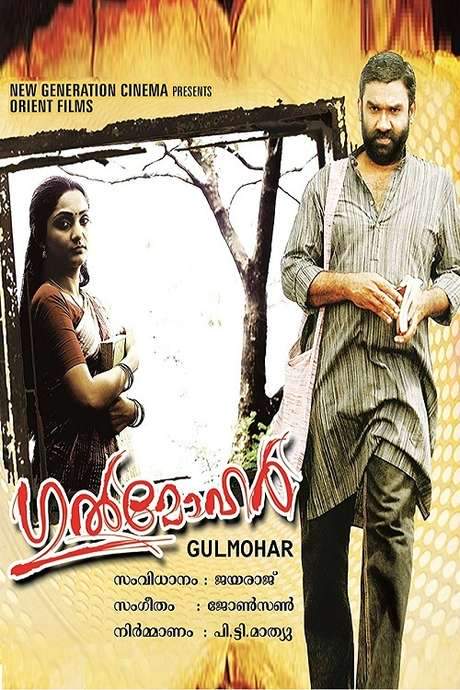
Set in the late 1990s among the fishing communities around Kundapura in coastal Karnataka, the film centers on a fiery midwife, Gulabi Umashree, whose life is defined by a deep, enduring love for cinema. She leads a solitary existence on a small island where most residents are fishermen, and her husband Musa—a small-time fish-selling agent—has deserted her to live with his second wife Kunjipathu and their child Adda. A turning point arrives when a grateful family gifts her a television with a satellite dish after she helps deliver a difficult birth, an act that reportedly required them to bodily remove her from a movie theatre. The arrival of the first color TV in the village heralds a whirl of new attention, and the television becomes a magnet for change.
As the villagers experiment with this new window to the world, the women begin gathering at Gulabi’s house once the men head to the sea. Yet not everyone feels welcome: some stay away because Gulabi is one of the few Muslims on the island, while others prefer to watch from outside her shack. Among the regulars is Netru, M. D. Pallavi, a young woman with an absentee husband and a domineering mother-in-law, whom Gulabi befriends and protects as a confidante. When Netru mysteriously disappears, Gulabi finds herself blamed, and she is left to navigate the village’s suspicions alone.
The backdrop grows darker as the Kargil War of 1999 and a surge of communalism creep into Karnataka. The film probes how Muslims in the village—along with a Muslim businessman who owns a fleet of growing commercial trawlers and is never shown on screen—face mounting stereotyping, a tension echoed in the fishermen’s fragile economic balance. Netru’s disappearance intensifies the fear, and Muslims begin to flee the island, urging Gulabi to leave as well. She refuses and stays, even as her house is vandalized and she is forcibly taken to a boat to leave. A wave of outsiders ensures that Gulabi’s television will remain in her house, a small symbolic victory amid the upheaval.
The story closes with a quiet, poignant moment: two illiterate elderly women, who had previously refused to enter Gulabi’s home, finally step inside to watch the TV. They do not know how to switch it on, nor do they understand the mechanics of the device, yet their cautious curiosity marks a glimmer of connection in a village scarred by fear and division.
Themes of resilience and community run through the film, anchored by Gulabi’s stubborn commitment to her passion for cinema and her insistence on staying put in the island. The color TV acts as a beacon that draws people together, even as it cannot wholly erase the fault lines carved by religion, tradition, and the harsh realities of cliffside livelihoods. Through intimate portraits of friendship, distrust, and the pull of modernity, the film invites reflection on how access to media can both illuminate and complicate social bonds in a tightly knit, fraying community.