
Goynar Baksho
Year: 2013
Runtime: 141 mins
Language: Bengali, Bangla
Director: Aparna Sen
Based on Shirshendu Mukhopadhyay’s acclaimed novel, this film explores the lives of three generations of women and their evolving roles within society. The story revolves around a treasured box of jewels, passed down through the family, and the impact it has on each woman’s journey and perspective. Directed by Aparna Sen, the movie offers a poignant look at tradition, change, and the enduring power of family heirlooms.
Warning: spoilers below!
Haven’t seen Goynar Baksho yet? This summary contains major spoilers. Bookmark the page, watch the movie, and come back for the full breakdown. If you're ready, scroll on and relive the story!
Timeline – Goynar Baksho (2013)
Trace every key event in Goynar Baksho (2013) with our detailed, chronological timeline. Perfect for unpacking nonlinear stories, spotting hidden connections, and understanding how each scene builds toward the film’s climax. Whether you're revisiting or decoding for the first time, this timeline gives you the full picture.
Last updated: October 03, 2025 at 06:48
Goynar Baksho (2013) Timeline Questions Answered – Chronology FAQ
Find frequently asked questions about the Goynar Baksho (2013) timeline, including chronological order, nonlinear jumps, cause-and-effect links, and scene sequence clarifications. This timeline FAQ helps explain when key events happen, how moments connect, and why the story unfolds in that specific order.
Why was Rashmoni so protective of the jewelry box?
Rashmoni was married at 11 and widowed within months, leaving her with deep emotional wounds. The gold ornaments became her sole source of security, power, and memory. Having experienced loss early in life, she viewed the 500 bharis of gold as both protection and identity, guarding it fiercely against any perceived threat of theft or misuse by greedy relatives.
Earlier scenes show young Rashmoni in the zamindar household, establishing her early connection to wealth and her fear of losing it.
How did Rashmoni become a ghost in the house?
Rashmoni died shortly after Somlata arrived in 1949, but her attachment to the jewelry was so strong that her spirit could not leave. She remained in the house as a ghost, watching over the box and protecting it from relatives she feared would squander or steal it. Her intense possessive love transcended death.
The narrative establishes Rashmoni's obsessive warnings about the jewelry early on, hinting that her bond with the treasure exceeds normal attachment.
Why did Rashmoni trust Somlata with the jewelry instead of her own family?
Rashmoni chose Somlata because she recognized that Somlata was not greedy for wealth, a quality that distinguished her from other relatives. When Somlata first entered the household, Rashmoni took a liking to her precisely because she showed no interest in the jewelry. This purity of motive made Somlata the only person Rashmoni believed would protect the legacy rather than exploit it.
Rashmoni's initial warmth toward Somlata contrasts sharply with her wariness toward other family members, showing a clear preference that later justifies the transfer.
Why did Somlata pawn jewelry to start a sari shop?
As the male family members abandoned work and depleted wealth through legal fees and gambling, Somlata took practical action to sustain the household. She pawned a portion of the jewels to fund a sari shop under her own name, ironically in Rashmoni's honor. This entrepreneurial move transformed the static wealth into active income, ensuring the family's survival while keeping the legacy alive in a modern form.
Earlier scenes show the men's decline into inactivity and the family's dwindling resources, creating the necessity for Somlata's intervention.
Who was Rafique and what was his relationship with Somlata?
Rafique was a Bengali Muslim poet who became Somlata's lover, representing a passionate romance that tested her loyalty to her husband Chandan and to Rashmoni's memory. Their affair was morally fraught and ultimately impossible within the social constraints of the time. The relationship exposed Somlata's hidden desires and created deep conflict between her duty to family and her personal happiness.
Rashmoni's ghost nudges Somlata toward this morally complicated path, suggesting the supernatural world recognizes her unmet emotional needs.
Why did Rafique commit suicide?
Rafique took his own life after the affair with Somlata was exposed, unable to bear the social shame and the rejection from the woman he loved. His suicide represents the tragic consequence of a love that existed outside acceptable social boundaries, leaving Somlata to grapple with guilt and the weight of his devotion long after his death.
The affair's secretive nature and the rigid social expectations of the era foreshadow the devastating outcome when hidden relationships are revealed.
Why did Chaitali donate all the jewelry during the 1971 war?
During the Bangladesh Liberation War in 1971, Chaitali chose to donate the entire collection of gold ornaments to the Mukti Bahini (freedom fighters). This act transformed the jewelry from a symbol of family wealth and possessive power into a contribution to the national struggle for independence. The donation marked a complete departure from Rashmoni's hoarding mentality, using the family legacy for a greater cause.
The narrative sets up this transformation by showing Chaitali as a modern, politically conscious student who befriends Rashmoni's ghost yet thinks independently.
Who was Banwarilal and what was his connection to Rashmoni?
Banwarilal (also called Benu) was Rashmoni's former lover from before her marriage. He reappears during the 1971 Liberation War, crossing the border to aid the Mukti Bahini. He was shot by the Pakistani army, and his sacrifice for the national cause connects personal history with historical events, showing how the past continues to influence present actions.
Earlier references to Rashmoni's past hint at a romantic history that gives depth to her character beyond mere possessiveness.
How did Rashmoni's spirit finally find peace?
Rashmoni's spirit found peace after Somlata finally read Rafique's letters, which revealed the depth of his devotion to Somlata. This moment of emotional truth allowed Rashmoni to release her grip on the past. Combined with Chaitali's noble act of donating the jewelry for the national cause, the transformation of the treasure from possessive inheritance to selfless gift freed Rashmoni's soul from its lingering unrest.
The ghost's presence wavers throughout the narrative, growing stronger when Somlata faces moral challenges and weakening as the family moves toward resolution.
What did Rafique's letters reveal about his love for Somlata?
The letters and poems Chaitali discovered in the abandoned house revealed the profound depth of Rafique's love for Somlata, feelings he carried with him until his death. These documents exposed the emotional intensity of their relationship and showed that his suicide was motivated by more than just shame; it was driven by unrequited love and despair. The revelation brought Somlata face-to-face with what she had actually meant to him.
The abandoned house where Somlata once met Rafique is mentioned earlier, foreshadowing the discovery of these hidden documents.
Why did Somlata give the jewelry box to Chaitali?
Somlata gave the jewelry box to Chaitali because she believed Rashmoni had reincarnated in her daughter, their physical resemblance was striking to Somlata. Trusting this intuition, she passed the responsibility to the next generation, hoping Chaitali would safeguard the legacy. This transfer represented the continuation of the family tradition while adapting it for modern times.
Somlata notices the resemblance between Chaitali and Rashmoni early in Chaitali's life, planting the seed for this eventual transfer.

Explore Movie Threads
Discover curated groups of movies connected by mood, themes, and story style. Browse collections built around emotion, atmosphere, and narrative focus to easily find films that match what you feel like watching right now.
Generational family dramas like Goynar Baksho
Stories that follow families through time, blending loss with enduring resilience.If you liked the multi-generational story and emotional depth of Goynar Baksho, you'll find similar movies here. These films explore family legacies, societal evolution, and bittersweet character arcs, offering a poignant look at how the past informs the present.

Late Autumn
1960
Goynar Baksho
2013
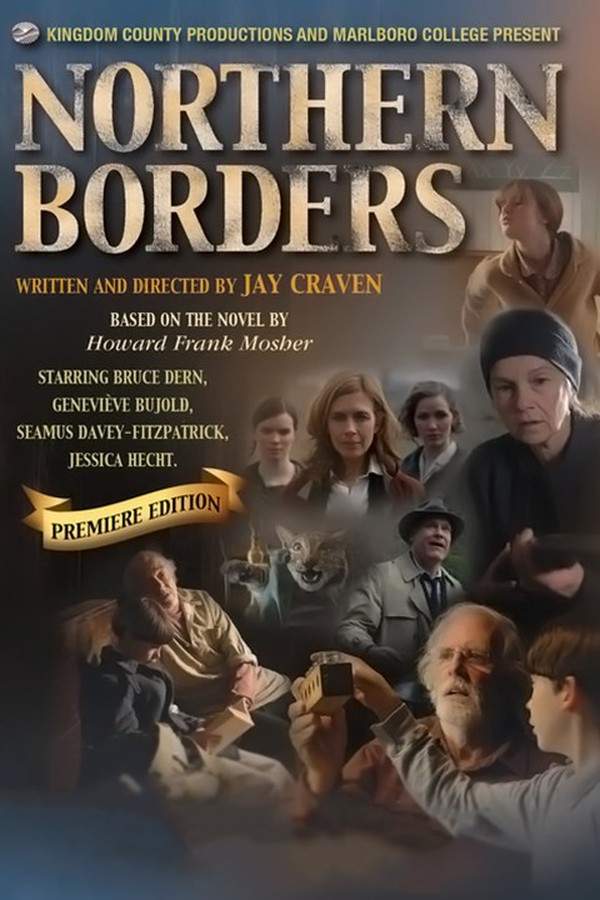
Northern Borders
2015

Early Summer
1951

The Trip to Bountiful
1986

Happiness
2016
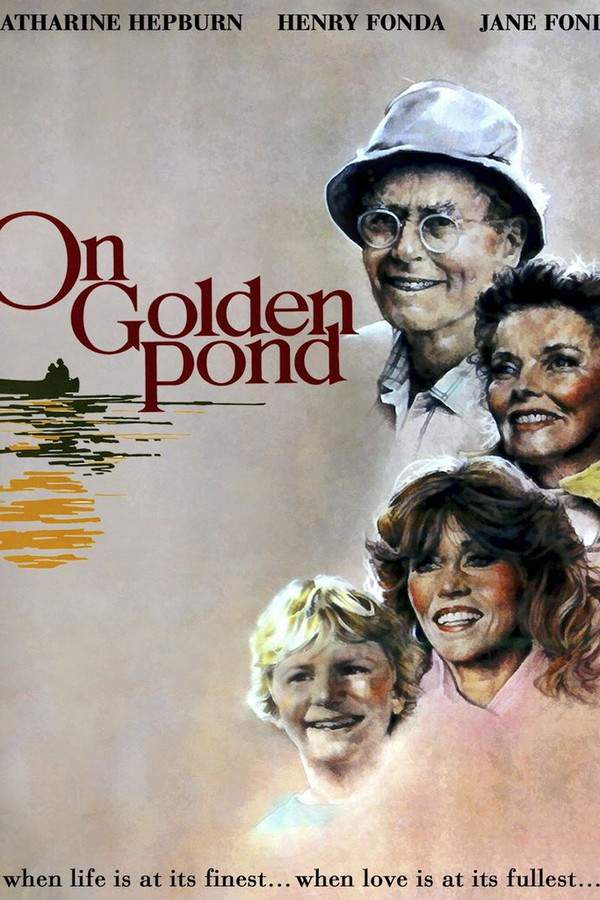
On Golden Pond
1981

Our Souls at Night
2017

The Hedgehog
2009

All I Desire
1953

The Trip to Bountiful
2014

Roommates
1994
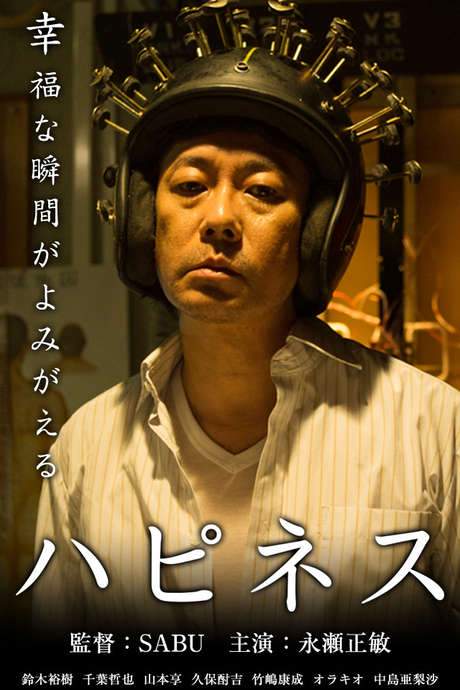
Happiness
2016

Everybody's Fine
2016
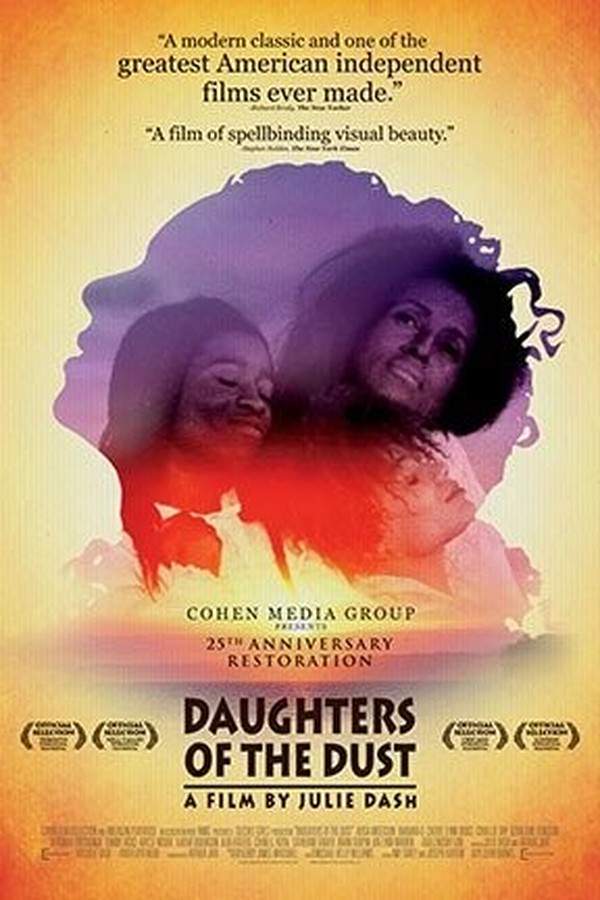
Daughters of the Dust
1991
Narrative Summary
Narratives in this thread are structured around the passage of time, tracking key events and emotional turning points across multiple generations of a family. The plot is often driven by a central object, place, or secret that holds different meanings for each character, revealing how perspectives on love, duty, and freedom evolve over the years.
Why These Movies?
Movies are grouped here for their shared focus on family lineage, their patient, decade-spanning pacing, and their consistent bittersweet tone that balances sorrowful events with a resilient, sometimes hopeful, spirit.
Atmospheric ghost stories similar to Goynar Baksho
Where spirits act as catalysts for human drama and emotional resolution.For viewers who appreciated the haunting yet non-horror presence of the ghost in Goynar Baksho, this collection highlights movies where spirits are integral to character-driven dramas. These films focus on emotional history and resolution rather than scares.

Ghost
1990

Ghost Rider
1982

The Evening Star
1996
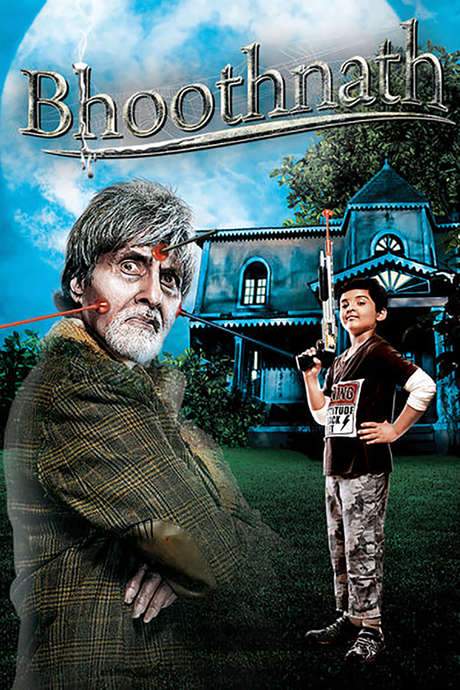
Bhoothnath
2008

On Borrowed Time
1939

My Left Eye Sees Ghosts
2002

Jack Frost
1998
Late Autumn
1960
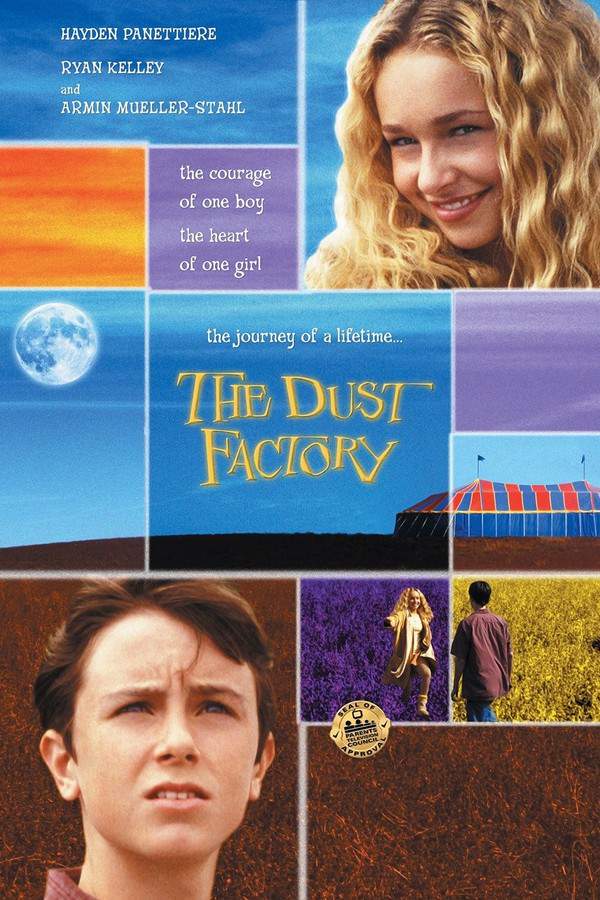
The Dust Factory
2004

Nothing Like the Holidays
2008

The Farewell
2019
The Hedgehog
2009

Some Girls
1988

Wild Mountain Thyme
2020
Our Souls at Night
2017
Narrative Summary
The narrative pattern involves a ghost whose unresolved ties to the living world directly influence the emotional journeys of the characters. The supernatural element serves as a bridge between past traumas or loves and present-day dilemmas, driving the story toward a resolution that often brings peace to both the living and the dead.
Why These Movies?
These films share a common thread of using a spectral presence to delve into deep emotional themes. They are united by a medium-paced, atmospheric vibe, a focus on character over plot-driven scares, and a tone that blends the melancholic with the poignant.
Unlock the Full Story of Goynar Baksho
Don't stop at just watching - explore Goynar Baksho in full detail. From the complete plot summary and scene-by-scene timeline to character breakdowns, thematic analysis, and a deep dive into the ending - every page helps you truly understand what Goynar Baksho is all about. Plus, discover what's next after the movie.
Goynar Baksho Summary
Read a complete plot summary of Goynar Baksho, including all key story points, character arcs, and turning points. This in-depth recap is ideal for understanding the narrative structure or reviewing what happened in the movie.

Characters, Settings & Themes in Goynar Baksho
Discover the characters, locations, and core themes that shape Goynar Baksho. Get insights into symbolic elements, setting significance, and deeper narrative meaning - ideal for thematic analysis and movie breakdowns.


