
Goynar Baksho
Year: 2013
Runtime: 141 mins
Language: Bengali, Bangla
Director: Aparna Sen
Based on Shirshendu Mukhopadhyay’s acclaimed novel, this film explores the lives of three generations of women and their evolving roles within society. The story revolves around a treasured box of jewels, passed down through the family, and the impact it has on each woman’s journey and perspective. Directed by Aparna Sen, the movie offers a poignant look at tradition, change, and the enduring power of family heirlooms.
Warning: spoilers below!
Haven’t seen Goynar Baksho yet? This summary contains major spoilers. Bookmark the page, watch the movie, and come back for the full breakdown. If you're ready, scroll on and relive the story!
Timeline & Setting – Goynar Baksho (2013)
Explore the full timeline and setting of Goynar Baksho (2013). Follow every major event in chronological order and see how the environment shapes the story, characters, and dramatic tension.
Last updated: October 03, 2025 at 06:38
Main Characters – Goynar Baksho (2013)
Meet the key characters of Goynar Baksho (2013), with detailed profiles, motivations, and roles in the plot. Understand their emotional journeys and what they reveal about the film’s deeper themes.
Last updated: October 03, 2025 at 06:38
Major Themes – Goynar Baksho (2013)
Explore the central themes of Goynar Baksho (2013), from psychological, social, and emotional dimensions to philosophical messages. Understand what the film is really saying beneath the surface.
Last updated: October 03, 2025 at 06:38
Goynar Baksho (2013) Character & Theme Questions Answered – Info FAQ
Browse frequently asked questions about Goynar Baksho (2013) focused on characters, relationships, themes, symbols, setting, and story context. This movie info FAQ gives spoiler-aware explanations for character arcs, world details, and thematic interpretation so readers can better understand what the film is really about.
Where does the story of Goynar Baksho take place?
The film is set in Faridpur, the ancestral home of Rashmoni's zamindar family, and later in Nababganj near Ichapore in West Bengal after the family migrates following the partition. The narrative shifts between these ancestral Bengali aristocratic homes and reflects a region grappling with memory, wealth, and changing social structures.
What time period does the movie cover?
Goynar Baksho spans from the late colonial period through the partition of India, continuing into the 1971 Liberation War of Bangladesh. The story tracks roughly three decades, from the 1940s through 1971, tying personal family histories to the larger historical upheavals of Bengal.
What does the jewelry box symbolize in the film?
The box of 500 bharis of gold represents family memory, power, and legacy. It anchors the family's identity across generations, symbolizing both status and responsibility. The jewelry drives actions and moral choices, embodying the burden of wealth and the duty to preserve a lineage intact.
Why does Rashmoni appear as a ghost?
Rashmoni's spirit haunts the house to guard the jewelry and influence the living. Her spectral presence functions as a moral barometer, testing loyalties and the boundaries between possession and protection. It links past and present, revealing unresolved emotions that persist through generations.
What are the main themes of Goynar Baksho?
The film explores four major themes: Wealth and Legacy (the burden of family inheritance), Haunting (memory as an active force), Love and Duty (personal longing versus family obligation), and Memory and Nationalism (personal loss becoming part of a broader struggle for freedom). The story blends personal drama with historical context.
Who is Chaitali and what is her significance?
Chaitali is Somlata's daughter, a modern student who becomes the vessel for Rashmoni's reincarnation motif. Her resemblance to Rashmoni prompts a search for identity and reconciliation across generations. She embodies the blend of memory, youth, and change, ultimately playing a crucial role in the jewelry's fate.
What happens to the jewelry in the end?
The jewelry's fate shifts from private wealth to a symbol of collective history when it is donated for the 1971 liberation cause. Personal loss becomes part of a broader struggle for freedom, linking intimate family memories to national identity. The box's legacy is transformed by acts of solidarity and selflessness.
Who is Rafique and what is his role in the story?
Rafique is a Bengali Muslim poet whose love affair with Somlata tests her loyalty to her husband and to Rashmoni's memory. His passion carries risk for both families and becomes a catalyst for moral reckonings. His tragedy underscores how art and emotion intersect with duty and honor.
What does Rashmoni represent as a character?
Rashmoni is a fiercely protective matriarch whose attachment to the stash of gold defines family dynamics. Her possessive love manifests as warnings and a spectral presence that guards the jewelry across generations. She embodies aristocratic pride, memory, and an unyielding sense of duty to wealth and family honor.
How does the partition impact the family?
After the partition, Rashmoni's zamindar family migrates from Faridpur to Nababganj near Ichapore in West Bengal, reflecting the mass relocations of that era. This displacement shapes the family's trajectory, forcing them to adapt while carrying the weight of their ancestral legacy and the treasured jewelry across the new border.
What is Somlata's role in the family?
Somlata serves as a bridge between old Bengal and modern, practical life. Born into poverty, she navigates family loyalty, social expectations, and the temptation of the jewelry's wealth. Her choices shape the family's survival and the legacy passed down through Rashmoni's watchful spirit.

Explore Movie Threads
Discover curated groups of movies connected by mood, themes, and story style. Browse collections built around emotion, atmosphere, and narrative focus to easily find films that match what you feel like watching right now.
Generational family dramas like Goynar Baksho
Stories that follow families through time, blending loss with enduring resilience.If you liked the multi-generational story and emotional depth of Goynar Baksho, you'll find similar movies here. These films explore family legacies, societal evolution, and bittersweet character arcs, offering a poignant look at how the past informs the present.

Late Autumn
1960
Goynar Baksho
2013
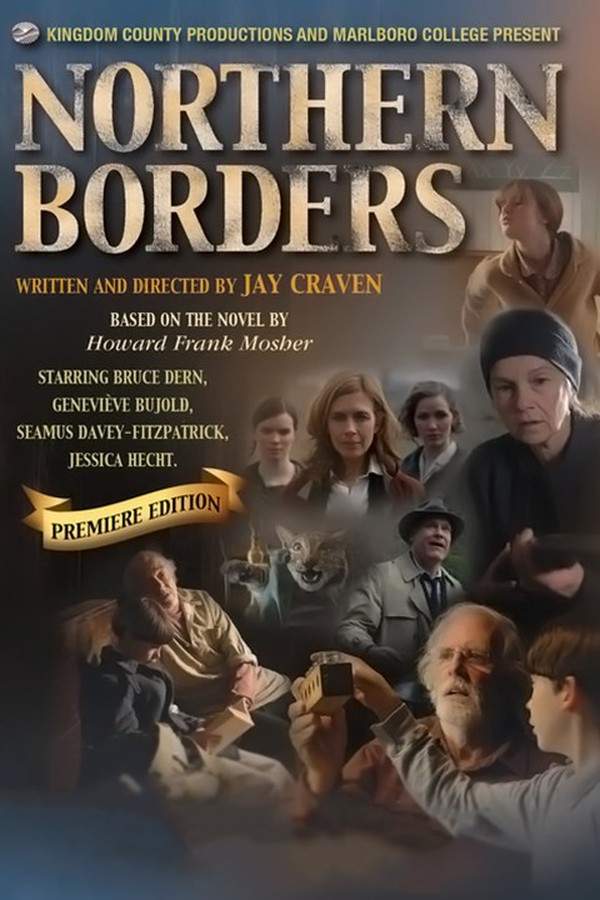
Northern Borders
2015

Early Summer
1951
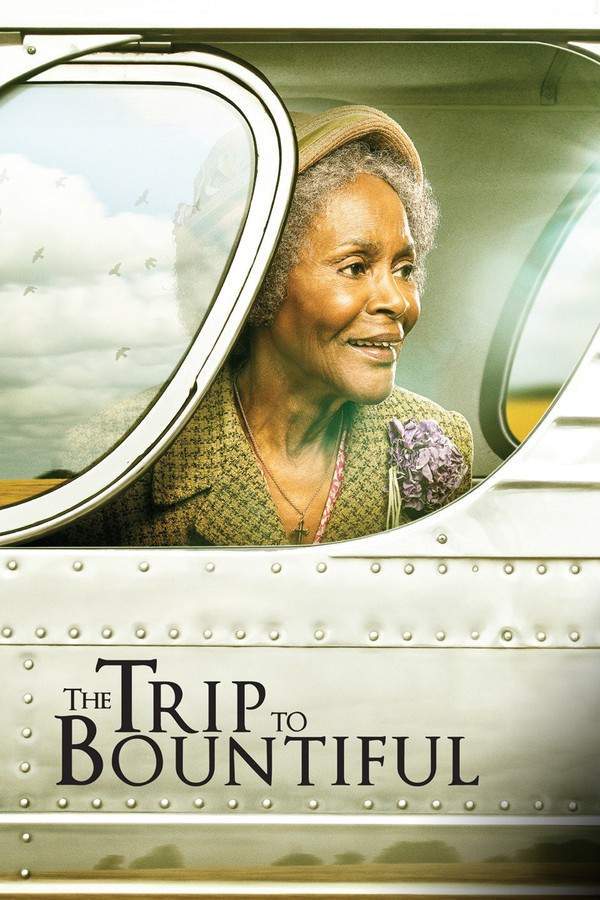
The Trip to Bountiful
1986

Happiness
2016
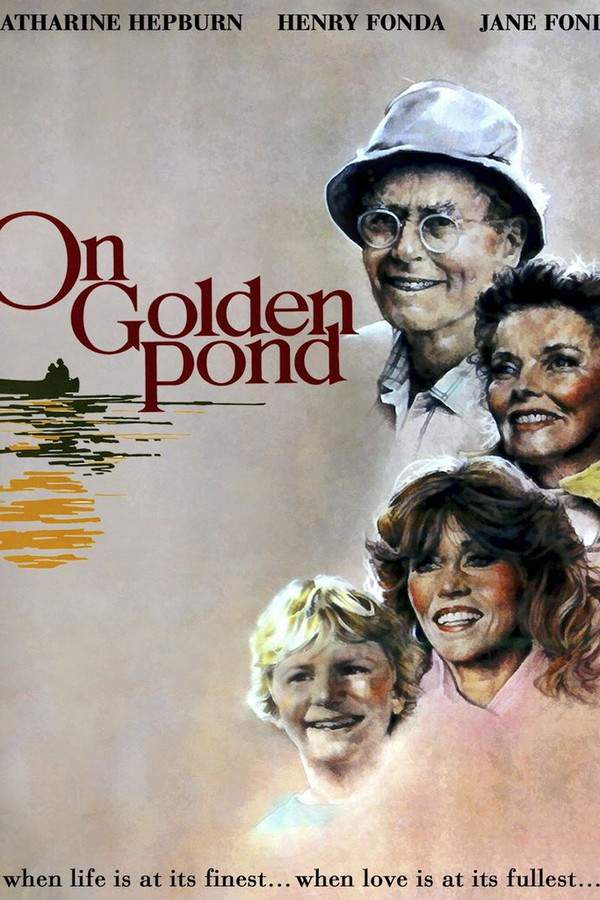
On Golden Pond
1981

Our Souls at Night
2017

The Hedgehog
2009

All I Desire
1953

The Trip to Bountiful
2014

Roommates
1994
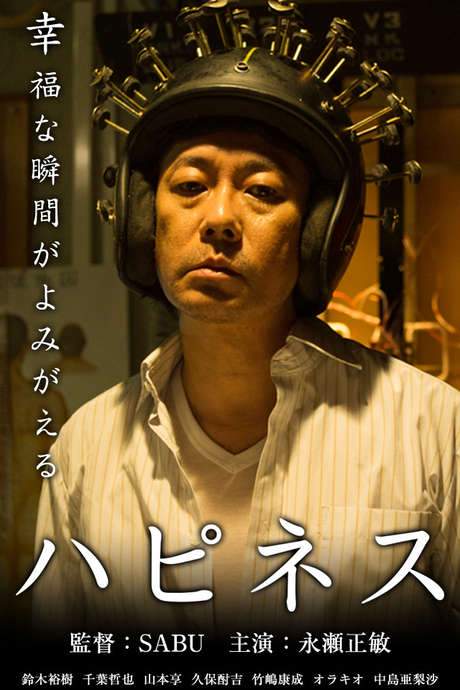
Happiness
2016

Everybody's Fine
2016
Daughters of the Dust
1991
Narrative Summary
Narratives in this thread are structured around the passage of time, tracking key events and emotional turning points across multiple generations of a family. The plot is often driven by a central object, place, or secret that holds different meanings for each character, revealing how perspectives on love, duty, and freedom evolve over the years.
Why These Movies?
Movies are grouped here for their shared focus on family lineage, their patient, decade-spanning pacing, and their consistent bittersweet tone that balances sorrowful events with a resilient, sometimes hopeful, spirit.
Atmospheric ghost stories similar to Goynar Baksho
Where spirits act as catalysts for human drama and emotional resolution.For viewers who appreciated the haunting yet non-horror presence of the ghost in Goynar Baksho, this collection highlights movies where spirits are integral to character-driven dramas. These films focus on emotional history and resolution rather than scares.

Ghost
1990

Ghost Rider
1982

The Evening Star
1996
Bhoothnath
2008

On Borrowed Time
1939

My Left Eye Sees Ghosts
2002

Jack Frost
1998
Late Autumn
1960
The Dust Factory
2004
Nothing Like the Holidays
2008
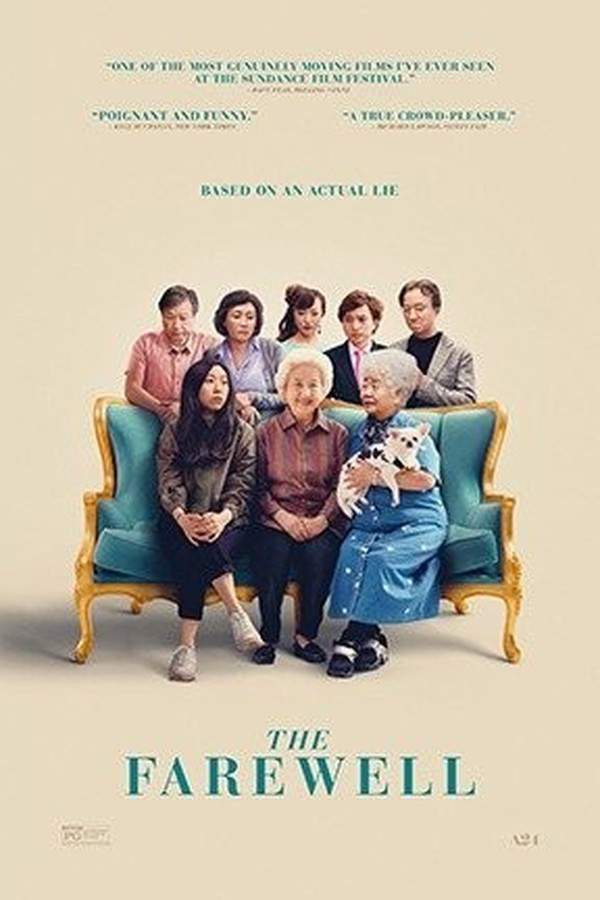
The Farewell
2019
The Hedgehog
2009

Some Girls
1988

Wild Mountain Thyme
2020
Our Souls at Night
2017
Narrative Summary
The narrative pattern involves a ghost whose unresolved ties to the living world directly influence the emotional journeys of the characters. The supernatural element serves as a bridge between past traumas or loves and present-day dilemmas, driving the story toward a resolution that often brings peace to both the living and the dead.
Why These Movies?
These films share a common thread of using a spectral presence to delve into deep emotional themes. They are united by a medium-paced, atmospheric vibe, a focus on character over plot-driven scares, and a tone that blends the melancholic with the poignant.
Unlock the Full Story of Goynar Baksho
Don't stop at just watching - explore Goynar Baksho in full detail. From the complete plot summary and scene-by-scene timeline to character breakdowns, thematic analysis, and a deep dive into the ending - every page helps you truly understand what Goynar Baksho is all about. Plus, discover what's next after the movie.
Goynar Baksho Summary
Read a complete plot summary of Goynar Baksho, including all key story points, character arcs, and turning points. This in-depth recap is ideal for understanding the narrative structure or reviewing what happened in the movie.

Goynar Baksho Timeline
Track the full timeline of Goynar Baksho with every major event arranged chronologically. Perfect for decoding non-linear storytelling, flashbacks, or parallel narratives with a clear scene-by-scene breakdown.


