Year: 2022
Runtime: 157 mins
Language: Hindi
Director: Sanjay Leela Bhansali
Echo Score: 85Budget: $12M
Mafia Queen. Duped and sold to a brothel, a young woman fearlessly reclaims her power, using underworld connections to preside over the world she was once a pawn in.
Warning: spoilers below!
Haven’t seen Gangubai Kathiawadi yet? This summary contains major spoilers. Bookmark the page, watch the movie, and come back for the full breakdown. If you're ready, scroll on and relive the story!
Read the complete plot breakdown of Gangubai Kathiawadi (2022), including all key story events, major twists, and the ending explained in detail. Discover what really happened, and what it all means.
In 1944, 16-year-old Ganga Jagjivandas Kathiawadi Alia Bhatt—born into a well-off Gujarati Hindu family in Kathiawad—dreams of a Bollywood career. She runs away with her older boyfriend Ramnik Laal Varun Kapoor, who promises to groom her for stardom under his aunt Sheela. But Ramnik proves to be a groomer who sells Ganga to Sheela’s brothel, where she is forced into prostitution and given the name Gangu. In those early days, she begins to push for workers’ rights, urging the women in the brothel to observe a day off each week, laying the groundwork for a voice that would grow louder with time.
One night, a sadistic local goon named Shaukat [Jahangir Khan] harms Gangu so severely that she ends up in the hospital. Seeking justice, she appeals to Rahim Lala [Ajay Devgn], the principled Afghan mafia boss who is struck by her poise and resolve. He declares her a sister and intervenes, brutally beating Shaukat when he resurfaces, an act that wins Gangu the admiration and loyalty of the other prostitutes in the district.
Nine years pass, and after Sheela’s death, Gangu rises to become the brothel’s madam, now widely known as Gangubai, and she commands influence across Kamathipura, Bombay’s infamous red-light district. Her leadership marks a shift in how sex workers are perceived and treated, as she leverages her position to protect her community and push for better living conditions.
In 1962, a young girl named Madhu from Ratnagiri District is sold into Kamathipura’s trade. Gangubai meets Madhu, listens to her story, and ultimately helps return her home, displaying a compassion that underscores her growing power and sense of justice.
Gangubai then turns to politics within the intimate world she has built. She contends in the Kamathipura presidential elections against the incumbent hijra Raziabai [Vijay Raaz], using Rahim Lala’s backing to expand her influence. To fund social improvements for the prostitutes, she orchestrates illicit alcohol sales from the brothel and broadcasts free Hindi films in their neighborhood to win support. She also arranges a marriage between Kusum’s daughter, Roshni, and a Bihari Muslim tailor named Afsaan, covering dowry costs and hosting a grand celebration, a move that broadens her base of support.
Gangubai’s campaign and victories lead to a broader fight for civil rights for sex workers. As she achieves formal recognition in Kamathipura, she also confronts personal heartbreak: she reconnects with her family only to discover her father has died, and her kin have never forgiven her for fleeing home years earlier.
A Navaratri festival becomes a flashpoint when Rahim warns of authorities planning to evict prostitutes from a nearby Catholic girls’ school area, and a developer’s push to demolish Kamathipura’s brothels to build skyscrapers intensifies the pressure. Gangubai refuses to let the vulnerable lose their home. She advocates for education, offering to enroll the girls in the school, paying their fees for five years, and championing education as a tool to abolish exploitation rather than force. Although a local journalist Hamid [not listed among the cast in the provided summary] helps publicize the issue, the nuns bar the girls on the first day after Hamid departs. Nonetheless, Hamid’s subsequent interview with Gangubai amplifies her cause, highlighting the double standards that condemn women while excusing the men who visit them. Meanwhile, Kamli, a close ally, dies after giving birth, and Gangubai takes in her child, Pammi, deepening her responsibilities beyond politics.
In the political arena, Gangubai delivers a groundbreaking speech at a feminist meeting held at Azad Maidan, denouncing the misogynistic stereotype that brands prostitutes as immoral while failing to hold the men who exploit them to account. The speech resonates, attracting a local politician’s support for her campaign and propelling a PIL in the Supreme Court. This momentum culminates in a meeting with the Prime Minister in New Delhi, where she advocates for the legalization and regulation of prostitution, arguing that Kamathipura’s residents face homelessness and constant discrimination. The Prime Minister agrees to form a committee to study the issue and pledges to shield the brothels from eviction. With this decision, Kamathipura’s brothels are protected, and Gangubai is hailed as a transformative force in her community, celebrated for turning her district into a place where dignity and rights for sex workers begin to take shape.
- Gangubai Kathiawadi Alia Bhatt
- Rahim Lala Ajay Devgn
- Shauqat Khan Pathan Jahangir Khan
- Raziabai Vijay Raaz
- Kamli Indira Tiwari
- Ramnik Laal Varun Kapoor
- Kusum Mitali Jagtap
- Afshan Badr-Razzaq Shantanu Maheshwari
- Birju Anmol Kajani
- Rama Pallavi Jadhav
- Nimmi Kruti Saxena
- Banno Sonal Sagore
- Tailor Baldev Tehran
- Liyaqat Faiz Khan
Last updated: October 01, 2025 at 10:24
Explore frequently asked questions about Gangubai Kathiawadi (2022) with spoiler-rich answers covering the full plot summary, major story beats, character motivations, hidden details, and ending meaning. This movie summary FAQ helps explain confusing scenes, plot twists, and narrative decisions in clear, searchable detail.
Ramnik was a groomer who欺骗了young Ganga. He promised to help her pursue a Bollywood career and took her to Bombay under the pretense of meeting his aunt Sheela. Instead, he sold her to Sheela's brothel for money, trapping her in the life he claimed would make her a star. This betrayal represents the exploitation that defines her early suffering.
Rahim Lala, an Afghan mafia boss in Kamathipura, was struck by Gangu's poise and resolve when she came to him seeking justice after Shaukat's brutal assault. Impressed by her courage rather than fear, he declared her his sister and intervened to punish Shaukat, later becoming her powerful protector and political ally.
Her earlier advocacy for workers' rights in the brothel had already marked her as someone with unusual strength.
Nine years after arriving at the brothel, Gangubai rose to power when the current madam Sheela died. Her reputation as a leader who advocated for workers' rights, combined with Rahim Lala's backing after she became his declared sister, positioned her to take control of the brothel and eventually wield influence across all of Kamathipura.
When 14-year-old Madhu from Ratnagiri was sold into Kamathipura in 1962, Gangubai listened to her story and chose compassion over exploitation. Despite being part of the sex trade herself, Gangubai facilitated Madhu's return to her family, demonstrating the protective maternal instinct that would define her leadership.
Gangubai challenged the incumbent hijra Raziabai for control of the Kamathipura presidency in 1962. The position governed the red-light district's affairs, including protection of sex workers and control over illicit operations. Using Rahim Lala's backing, Gangubai won by funding social improvements, arranging marriages for residents, and campaigning on dignity and rights for prostitutes.
Gangubai orchestrated the marriage between prostitute Kusum's daughter Roshni and Bihari Muslim tailor Afsaan as both a social act and political strategy. She paid the dowry and hosted a grand celebration, using the event to build alliances and expand her support base beyond the brothel community, demonstrating that sex workers' children could have respectable futures.
After winning the election, Gangubai reconnected with her family and learned her father had died during her absence. Her relatives had never forgiven her for running away with Ramnik years earlier, and they maintained that shame despite her transformation into a powerful community leader. This rejection marked a personal heartbreak amid her political victories.
When Gangubai offered to pay five years of tuition for the daughters of Kamathipura's prostitutes to attend a Catholic girls' school, the nuns initially barred them after journalist Hamid left. The resistance reflected societal stigma associating children of sex workers with immorality, despite Gangubai's argument that education would help end the cycle of exploitation.
At a feminist meeting at Azad Maidan arranged by journalist Hamid, Gangubai delivered a powerful speech denouncing the double standard that condemns prostitutes while excusing the men who exploit them. The speech resonated widely, attracting a local politician's support and eventually leading to a Public Interest Litigation in the Supreme Court, propelling her cause to national attention.
Kamli, Gangubai's close ally, died after giving birth during the political turmoil. Gangubai took in the infant girl, Pammi, as her own child, adding personal responsibility to her already heavy political duties and deepening her role as protector of the community's vulnerable members.
Yes, Gangubai's campaign succeeded. She traveled to New Delhi and met the Prime Minister, arguing that legalization and regulation of prostitution would prevent homelessness and discrimination for Kamathipura's residents. The Prime Minister agreed to form a committee to study the issue and pledged to protect the brothels from eviction, securing a major victory for the community.
Discover curated groups of movies connected by mood, themes, and story style. Browse collections built around emotion, atmosphere, and narrative focus to easily find films that match what you feel like watching right now.
Stories of oppressed individuals who reclaim power and dignity against overwhelming odds.If you enjoyed the powerful journey in Gangubai Kathiawadi, explore more movies like it about underdogs fighting back. These similar dramas feature characters who rise from oppression to become powerful advocates, blending heavy emotional weight with a defiant, hopeful spirit of resilience and social change.
This thread follows a classic underdog arc: a character is brutally subjugated but refuses to be broken. The narrative charts their difficult path from reclaiming personal agency to leveraging that power for wider community or systemic change, often facing significant setbacks and moral compromises along the way.
Movies are grouped here for their shared focus on a transformative journey from victimhood to leadership. They share a high-intensity, emotionally heavy tone balanced by a fundamentally hopeful and defiant core, showcasing the strength it takes to build power from a place of powerlessness.
Bonds forged in harsh worlds where marginalized people build their own support systems.Looking for more movies like Gangubai Kathiawadi that explore found families? Discover similar stories where characters in harsh, marginalized worlds—like brothels or criminal underworlds—form deep bonds of loyalty and protection, creating a sense of home and belonging against all odds.
The narrative often begins with an isolated protagonist entering a hostile environment. Through shared adversity, they form deep, protective bonds with other outcasts. The central conflict frequently involves defending this makeshift family from external threats, solidifying the theme that true strength comes from unity.
These films are grouped by their unique blend of a gritty, high-intensity setting with a deeply emotional core focused on community and belonging. They balance the darkness of their worlds with the uplifting power of connection, creating a poignant contrast that defines the viewing experience.
Don't stop at just watching - explore Gangubai Kathiawadi in full detail. From the complete plot summary and scene-by-scene timeline to character breakdowns, thematic analysis, and a deep dive into the ending - every page helps you truly understand what Gangubai Kathiawadi is all about. Plus, discover what's next after the movie.
Track the full timeline of Gangubai Kathiawadi with every major event arranged chronologically. Perfect for decoding non-linear storytelling, flashbacks, or parallel narratives with a clear scene-by-scene breakdown.
Discover the characters, locations, and core themes that shape Gangubai Kathiawadi. Get insights into symbolic elements, setting significance, and deeper narrative meaning - ideal for thematic analysis and movie breakdowns.
Discover movies like Gangubai Kathiawadi that share similar genres, themes, and storytelling elements. Whether you’re drawn to the atmosphere, character arcs, or plot structure, these curated recommendations will help you explore more films you’ll love.
Gangubai Kathiawadi (2022) Scene-by-Scene Movie Timeline
Gangubai Kathiawadi (2022) Movie Characters, Themes & Settings
Gangubai Kathiawadi (2022) Spoiler-Free Summary & Key Flow
Movies Like Gangubai Kathiawadi – Similar Titles You’ll Enjoy
Dhobi Ghat (Mumbai Diaries) (2011) Ending Explained & Film Insights
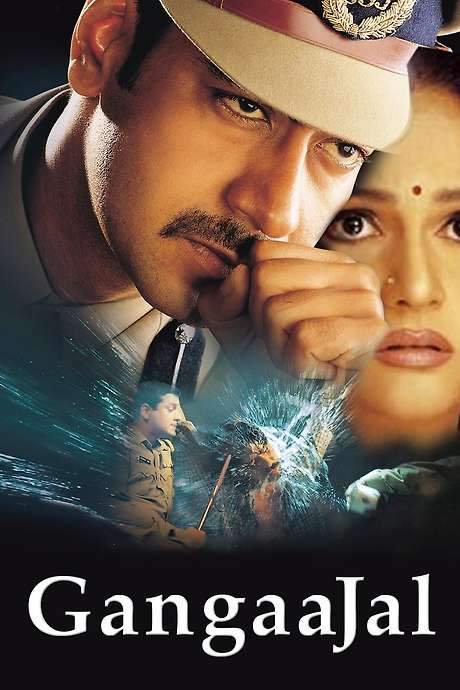
Gangaajal (2003) Film Overview & Timeline
Chandni Bar (2001) Story Summary & Characters
Gangster (2006) Spoiler-Packed Plot Recap
Gangaa Jamunaa Saraswathi (1988) Film Overview & Timeline
Girl Gang (1954) Complete Plot Breakdown
Ganga Ki Saugand (1978) Spoiler-Packed Plot Recap
Kati Patang (1971) Plot Summary & Ending Explained
Dabba Cartel (1000) Full Movie Breakdown
Gulaal (2009) Spoiler-Packed Plot Recap
Guns & Gulaabs (1000) Plot Summary & Ending Explained
Gangs of Godavari (2024) Movie Recap & Themes
Kabhi Na Kabhi (1998) Film Overview & Timeline
Bandit Queen (1994) Full Movie Breakdown
Gangs Inc. (1941) Complete Plot Breakdown